Hot!
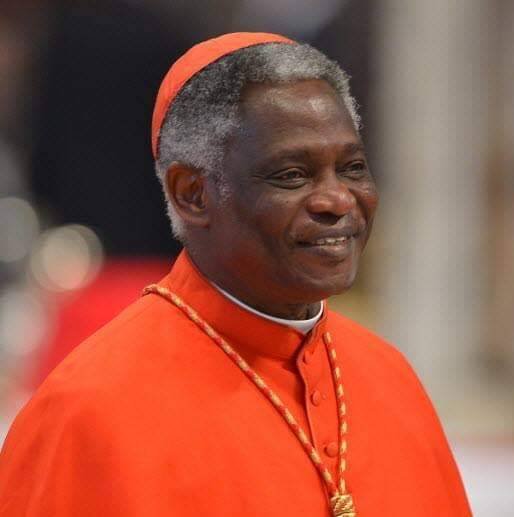
Cardinal Peter Turkson: It’s time to understand homosexuality

- /home/u249204778/domains/spectator.com.gh/public_html/wp-content/plugins/mvp-social-buttons/mvp-social-buttons.php on line 27
https://spectator.com.gh/wp-content/uploads/2023/11/209e4d24-6a05-4d94-8354-29f10afd3b51.jpeg&description=Cardinal Peter Turkson: It’s time to understand homosexuality', 'pinterestShare', 'width=750,height=350'); return false;" title="Pin This Post">
- Share
- Tweet /home/u249204778/domains/spectator.com.gh/public_html/wp-content/plugins/mvp-social-buttons/mvp-social-buttons.php on line 72
https://spectator.com.gh/wp-content/uploads/2023/11/209e4d24-6a05-4d94-8354-29f10afd3b51.jpeg&description=Cardinal Peter Turkson: It’s time to understand homosexuality', 'pinterestShare', 'width=750,height=350'); return false;" title="Pin This Post">
Homosexuality should not be a criminal offence and people should be helped to understand the issue better, Cardinal Peter Appiah Turkson has told the BBC.
Cardinal Turkson’s comments come as Ghana’s parliament discusses a bill imposing harsh penalties on LGBT people.
His views are at odds with Roman Catholic bishops in Ghana, who say homosexuality is “despicable”.
Last month, Pope Francis suggested he would be open to having the Catholic Church bless same-sex couples.
He added, however, that the Church still considered same-sex relationships “objectively sinful” and would not recognise same-sex marriage.
In July, Ghanaian MPs backed measures in a proposed bill, which has still not completed its passage through parliament, that would make identifying as LGBT punishable with a three-year prison sentence. People who campaign for LGBT rights could also face up to 10 years in jail.
Gay sex is already against the law and carries a three-year prison sentence.
In their statement in August, along with other leading Christian groups in the country, the Ghanaian bishops also said that Western countries should “stop the incessant attempts to impose unacceptable foreign cultural values on us”, the Catholic Herald newspaper reported.
Cardinal Turkson, who has at times been regarded as a future candidate to become pope, told the BBC’s HARDtalk programme that “LGBT people may not be criminalised because they’ve committed no crime”.
“It’s time to begin education, to help people understand what this reality, this phenomenon is. We need a lot of education to get people to… make a distinction between what is crime and what is not, ” he said.
The cardinal referred to the fact that in one of Ghana’s languages, Akan, there is an expression “men who act like women and women who act like men”. He argued that this was an indication that homosexuality was not an imposition from outside.
“If culturally we had expressions…it just means that it’s not completely alien to the Ghanaian society.”
Nevertheless, Cardinal Turkson said he thought that what had led to the current efforts to pass strict anti-gay measures in several African countries were “attempts to link some foreign donations and grants to certain positions… in the name of freedom, in the name of respect for rights”.
“Neither should this position also become… something to be imposed on cultures which are not yet ready to accept stuff like that.”
In May, Uganda’s parliament approved a law that proposes life imprisonment for anyone convicted of homosexuality, and the death penalty for so-called aggravated cases, which include having gay sex with someone below the age of 18 or where someone becomes infected with a life-long illness such as HIV.
In August, the World Bank halted new loans to Uganda because of the measure and in October President Joe Biden said the US would be removing the country from a preferential trading arrangement because of “gross violations of internationally recognised human rights”.
Cardinal Turkson became the first-ever Ghanaian cardinal in 2003 when he was appointed by Pope John Paul II. He is now chancellor of the Pontifical Academies of Sciences.
Source: Citinewsroom.com


The University of Ghana Medical Centre (UGMC) has disputed claims made on social media by comedian Michael Blackson concerning the treatment given to his late mother, saying a review found that the allegations did not accurately reflect what happened during her stay at the hospital.
In a statement issued in Accra on August 5, 2026, the management of UGMC expressed condolences to Mr. Blackson and his family over the death of his 83-year-old mother, who died at the facility on July 16, 2026.
The hospital said it had taken the concerns raised by Mr. Blackson seriously and conducted a thorough review in line with its clinical and administrative procedures.
According to the statement, the facts presented by Mr. Blackson on social media contained “numerous inaccuracies” and did not accurately reflect the medical care provided to his mother.
UGMC explained that she was referred to the facility from another hospital and received treatment there from May 27 to July 16, 2026, a period of about eight weeks.
The hospital stated that it would not release details of her diagnosis, treatment, medical records or other aspects of her care because it had a duty to protect patient confidentiality, even after death.
It said the decision was intended to respect the dignity of the deceased and the privacy of her family.
UGMC further stated that all clinical decisions at the facility are made by qualified healthcare professionals based on medical judgment, established standards of care and the best interests of the patient.
The statement added that such decisions are made in consultation with authorised family representatives where necessary and that billing and financial procedures are governed by institutional policies and are separate from clinical decision-making.
The hospital noted that it values feedback from patients and their families and considers both positive and negative comments important for improving the quality of care.
Mr. Blackson had earlier used social media to criticise the care his mother received at UGMC, prompting the hospital’s response.
By: Jacob Aggrey
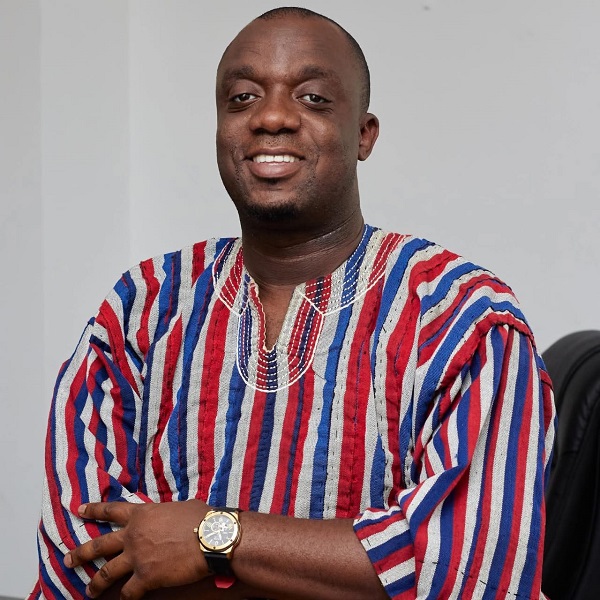
The New Patriotic Party (NPP) has directed all aspirants campaigning in the Greater Accra Region to suspend their campaign activities on August 5 and 6 and instead mobilise supporters for the party’s planned “Democracy Under Attack” demonstration.
The directive was issued by the party’s National Steering Committee in a statement signed by the NPP General Secretary, Justin Kodua Frimpong, on Tuesday.
According to the statement, the decision forms part of efforts to ensure a strong turnout for the demonstration, which is scheduled for Thursday, August 6, 2026.
The party said the protest would begin at 5:00 a.m., with participants expected to gather at the Supreme Court in Accra.
It further directed Regional, Constituency and Polling Station Executives in Greater Accra to work closely to mobilise members and supporters for the event.
“The National Steering Committee is calling on all aspirants currently campaigning across the Greater Accra Region to temporarily suspend their campaign activities on the 5th and 6th of August and join in mobilising support for the upcoming demonstration,” the statement noted.
The NPP appealed to party members and supporters to remain peaceful, disciplined and orderly throughout the protest.
The demonstration forms part of the party’s response to concerns it has raised over issues relating to Ghana’s democratic governance and the justice system.
The NPP leadership expressed confidence that party members would cooperate fully to ensure a successful and peaceful event.
By: Jacob Aggrey