Nutrition
Benefits of Dawadawa

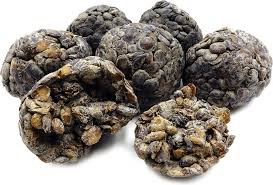
The African locust bean, commonly referred to as ‘Dawadawa’ by Ghanaians, is a local seasoning or ingredient used in soups and stews. A very popular soup ingredient globally, it is referred to as African locust bean, with the botanical name Parkia biglobosa.
It is rich in diverse nutrients and has great health benefits to Africans who consume it.
Good vision
Due to the natural ingredients and nutrients found in African locust bean, it makes it therefore one of the best treatments for bad vision and eye issues such as myopia, cataract, and others.
Stroke treatment
Stroke is caused when the blood supply to the brain is suddenly obstructed by any substance, which is fatal and dangerous to the health of individuals. Research shows that consuming a good amount of African locust bean will definitely help you against such sickness.
Reduces cholesterol
Cholesterol can cause blockage within the blood vessels, thereby reducing the flow of blood to the heart, which will definitely lead to heart issues. Eating locust beans can help your body burn the amount of cholesterol found in our bodies.
Treat diarrhoea
Due to the amount of tannin found in African locust bean, it will heal diarrhoea, which is a gastrointestinal disorder with symptoms of frequent watery bowel movements. Consuming African locust beans will help you relieve diarrhoea.
Treat hypertension
Hypertension, also referred to as high blood pressure, is a long-term medical condition in which the blood pressure in the arteries is persistently above normal levels. Therefore, consuming a good amount will help people with hypertension.
Helps control blood sugar
The human body requires sugar to produce enough energy, but it should be stable; otherwise, if unstable or high, it can cause diabetes. Therefore, consuming African locust bean will help you control blood sugar levels.
Improve digestion
Eating a good amount of African locust beans can improve digestion. Good digestion will give you a healthy body, as the excretion process in the body will be facilitated to prevent constipation.
Heal wounds
As mentioned above, it can be used to treat ulcer wounds internally by eating the beans, as well as external wounds. The leaves, when pounded, can be applied on wounds, and the bean can be pasted on the wound to help heal it.
Reduce fever
Consuming a good amount of African locust bean can reduce fever. It was traditionally used to reduce high fever, which is still practised in some rural African communities.
The African locust bean is one of the best gifts of God to Africans, but sadly only a few see this. It consists of many vital nutrients which are cherished by the body. Therefore, regular consumption of healthy African locust beans will give you good health.
Source: https://gh.opera.


Ingredients
-Oil
-1 large onion
-2 cups of rice
-Salt
-2 cups of wheat
Preparation
-In a medium saucepan, heat oil over medium-low heat
-Add the onion and cook, stirring frequently, until soft and turns golden brown
-Wash rice and wheat and put into pan. Sauté for two to three minutes, until toasty and fragrant
-Add water and salt and allow to boil.
– Reduce heat to low and allow to simmer for 10 to 15 minutes until rice is tender and the water is absorbed.
-Taste the rice/wheat; if it is still a bit firm, add a few more tablespoons of water and cook a few more minutes.
-When the rice/wheat is ready, take it off the fire and serve hot
Benefits of wheat
–Improves digestion: High levels of insoluble fibre- wheat promotes regular bowel movements, prevent constipation, and support a healthy gut microbiome.
-Supports heart health: Whole-grain wheat helps lower LDL (bad) cholesterol, reduces blood pressure, and decreases the risk of stroke and heart disease.
-Aids weight management: Complex carbohydrates and dense fibre slow digestion, increase feelings of fullness, and help prevent sharp blood sugar spikes.
-Lowers type 2 diabetes risk: Steady glucose release and minerals like magnesium improve insulin sensitivity.
– Provides essential vitamins and minerals: Wheat supplies B vitamins, iron, magnesium, phosphorus, zinc, and selenium, which help build bones and boost immune function.
–Delivers Antioxidants: Compounds like phenolic acids, ferulic acid, and lutein protect cells from oxidative stress and support eye health.
SKIP THE QUEUE, TAP THE NEWS
You can now read the Ghanaian Times and The Spectator newspapers from the comfort of your device via TimesNewsPlus.
Join our WhatsApp Channel: https://whatsapp.com/channel/0029VbBElzjInlqHhl1aTU27

Ingredients
-4 cups of crushed corn
-1 cup of sugar
Method:
-Soak crushed corn for two or more days to ferment
-Boil the fermented corn for about 20-30 minutes until foamy substance is dried up
-Pour sugar in a saucepan and heat until almost burnt
-Strain water from the boiled corn and pour in the saucepan containing sugar
-Use a strainer to strain the chaff
-Allow to cool and store in refrigerator
– Serve with milk
By Linda Abrefi Wadie