Hot!
Be cautious of entrusting daughters to male teachers for private classes – UWR DVVSU

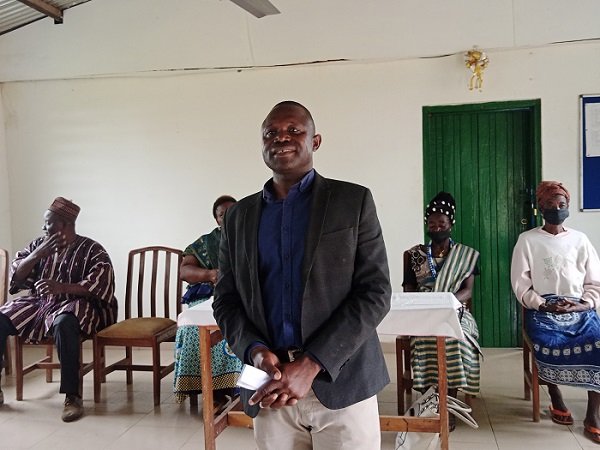
The Regional Commander of the Domestic Violence and Victims Support Unit (DOVVSU) of the Upper West Regional Police Command, Assistant Superintendent of Police ((ASP) MrAdongo Apiiya has advised parents against entrusting their daughters to male teachers for private classes either at home or at the residence of the teacher.
He explained that such instances could potentially ignite negative thoughts on the part of either the student or pupil or the teacher and lead to amorous relationship between the two.
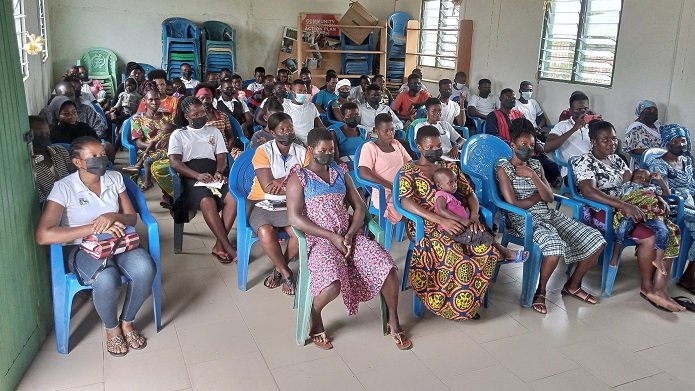
ASP Apiiya gave the advice at a meeting at Duong on Sexual and genger-based Violence (SGBV) under the auspices of the Department of Gender in the region with support from the United Nations Population Fund (UNFPA).
The meeting on Tuesday brought together participants comprising students and workers from various communities around Duong in the Nadowli-Kaleo District to learn more about SGBV with regard to prevention and dealing with the trauma as victims.
He said that some men were quite cunning and could get attracted to children, regardless of their age and possibly defile or rape them.
“Before you realise, your daughter would be pregnant and she would have been used for biology practical by the teacher.”
“I am not in any way discouraging you from hiring private teachers for your wards but I am saying you should do so with caution; the teacher must come home when at least one parent in the house and the parent present should make it a point to regularly check on thechild to see how the studies are going”, he said.
ASP Apiiya stated that it was fatal to trust people, even those closer to the family and that the Unit had recorded defilement cases involving very young children with close relations and friends being the perpetrators.
“I am not saying we should suspect private teachers, I am only saying that you need to take precaution as a parent because some of them may not even force the children but would succeed in luring them to get into consensual relationships with them for sexual gain”, he warned.
He cautioned against allowing female students to visit male teachers at home in the name of being the teacher’s friend or favourite in class.
“It pays to be security conscious; if the teacher likes the child because she is respectful or studious, it should stay within the four walls of the school, he has no business sending the child to deliver books and other items to his home”, he said.
He called on parents to monitor their wards in school to ensure that they were not taken advantage of by unprincipled teachers and also encouraged the parents to educate their wards to report advances made towards them by teachers for prompt action to be taken.
For her part, the Director at the Department of Gender, Mrs Chairty Banye called on school girls to also avoid unnecessary socialization with teachers.
“These days, our children are not safe, even with teachers of the same sex because we cannot tell their sexual orientation so it becomes very delicate for school children out there and the onus lie on parents to keep their wards updated on these trends to help protect them”, she added.
From Lydia Darlington Forjdjour, Duong

The professor who spends his days exploring the intricacies of African languages found himself at the centre of a different kind of lesson on Friday, October 2, 2026. 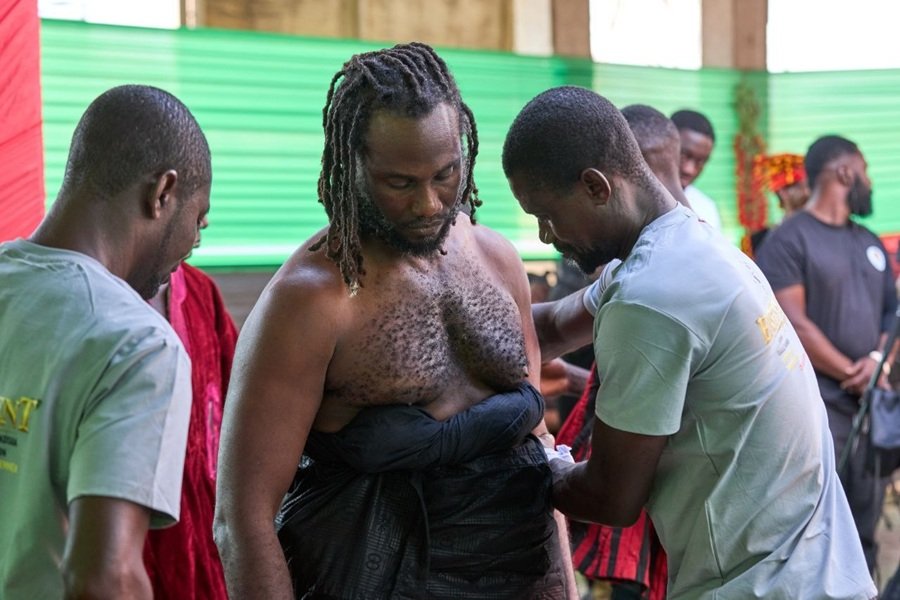
This time, there were no lecture notes, academic arguments or university classrooms. Instead, there was the weight of tradition, the rhythm of a community celebration and the solemnity of an oath at a royal palace.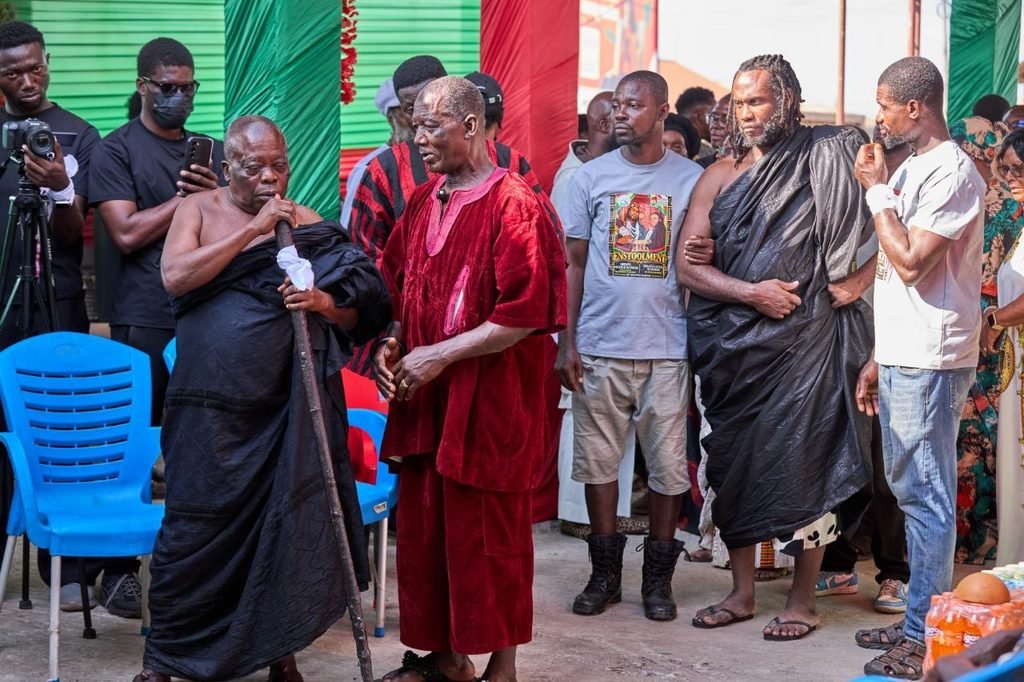
Professor Ọbádélé Kambon, a full Professor of African Linguistics at the University of Ghana, was enstooled as Apagyahene and Sunsum Ɔsahene of Akuapem Mampong in the Eastern Region in a ceremony that brought academia and traditional authority together.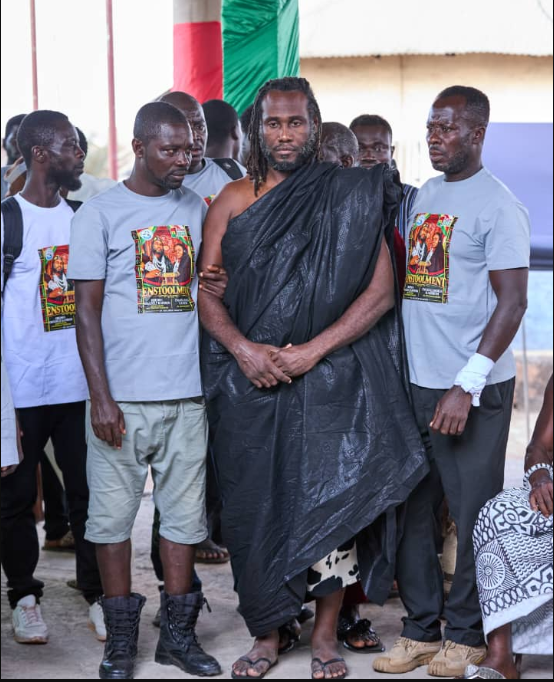
For the professor, the occasion was more than a new title. It was a moment that connected his academic interests in African languages and indigenous knowledge with the living traditions of an Akan community.
The day’s events unfolded through a series of customary observances. Kambon was first taken to the compounds of the Ɔkyeamehene and Gyasehene, where the preparations for his installation continued.
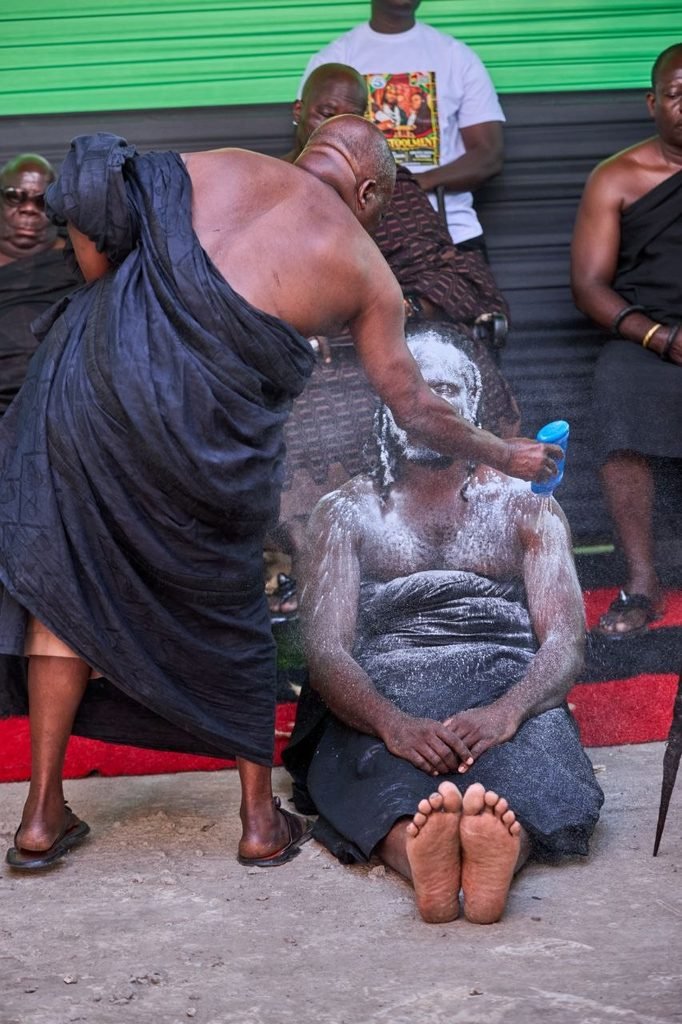
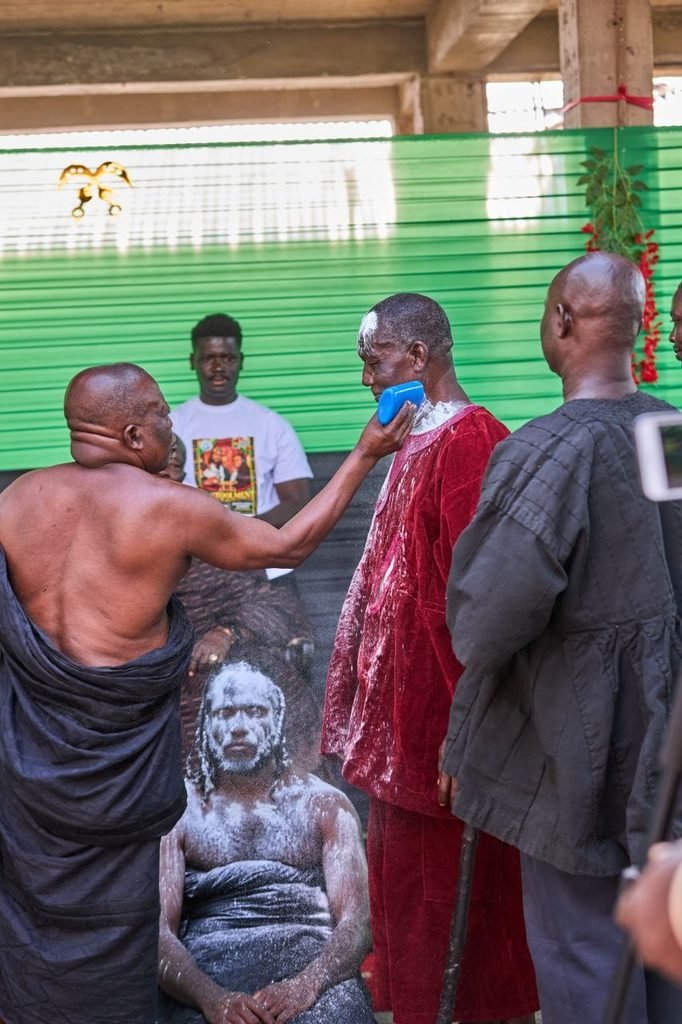
Then came the application of hyire, the white kaolin powder associated with traditional rites.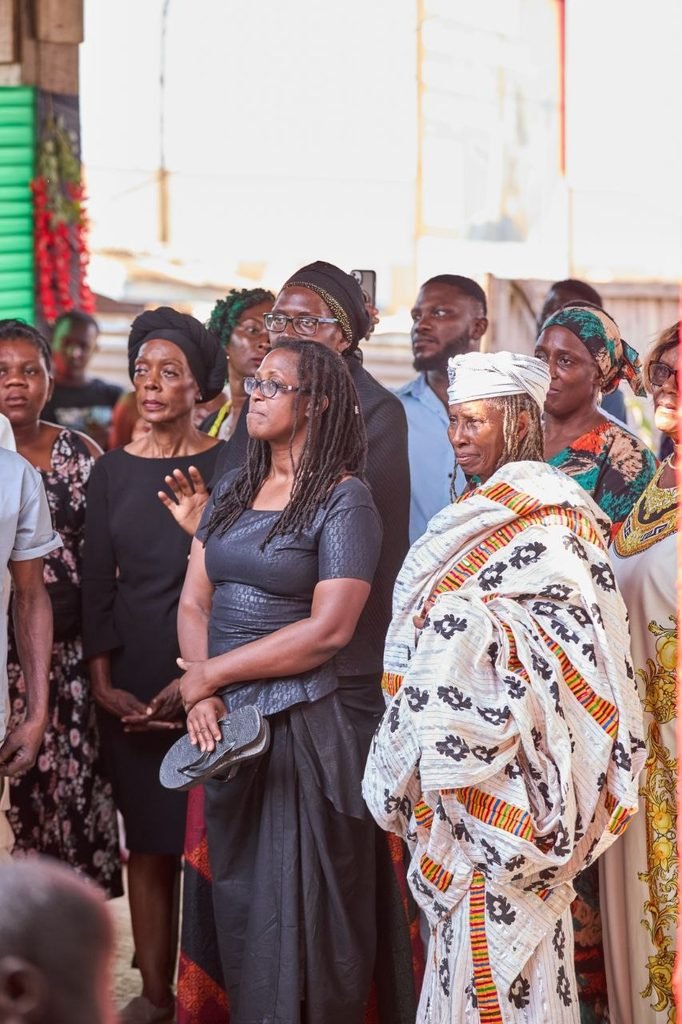
With the customary proceedings underway, the new chief was lifted onto the shoulders of celebrants and carried along the main thoroughfare of Akuapem Mampong.
The procession transformed the streets into a public stage for a ceremony rooted in the community’s traditional institutions.
There was something striking about the image, a university professor, accustomed to the measured language of academic discourse, being carried through the town in a display of traditional recognition.
Yet the celebration was not complete with the procession.
A ram was sacrificed at the Mamponghene’s compound before Kambon was taken to the palace, to swear the oath associated with his new offices.

The ceremony brought him formally into his roles as Apagyahene and Sunsum Ɔsahene.
Beyond the colourful proceedings, the titles themselves carry layers of historical meaning.
Kambon in his research explores the historical connections between Apagya and Akan political and military organisation.
Accounts cited in his work linked Apagya to an asafo, or military company, while historical writing traces an Apagya stool in Asante to the reign of Opoku Ware I in the eighteenth century.
These historical associations offer a glimpse into the institutions that have shaped Akan society over generations, although they do not automatically define the precise responsibilities of the office in Akuapem Mampong.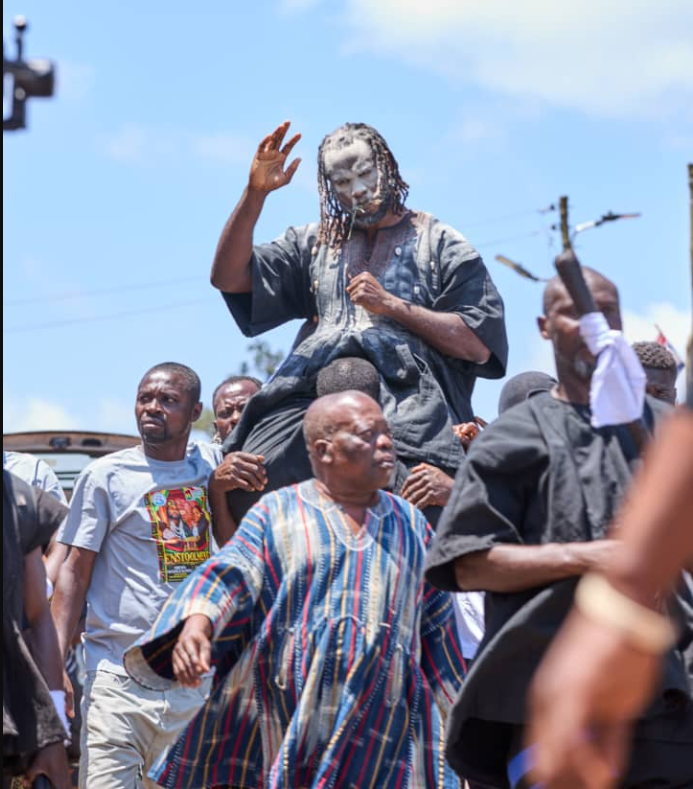
Kambon’s own professional life reflects a similar interest in preserving and examining African knowledge.
His work encompasses Akan language structure, naming practices across the Black world, proverbs and indigenous intellectual traditions.
Through Abibitumi, the platform he founded, he also promotes language learning, scholarship and cultural engagement.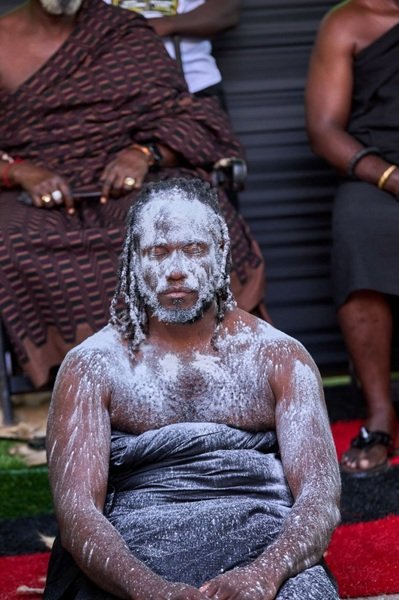
But tradition was only one part of the story that day.
When the formal ceremony gave way to a reception, the occasion expanded into a celebration of three milestones: Kambon’s enstoolment, his promotion to full professor and his daughter Ama’s admission to the University of Ghana.
The gathering therefore carried a personal significance that went beyond the honours bestowed on one man. 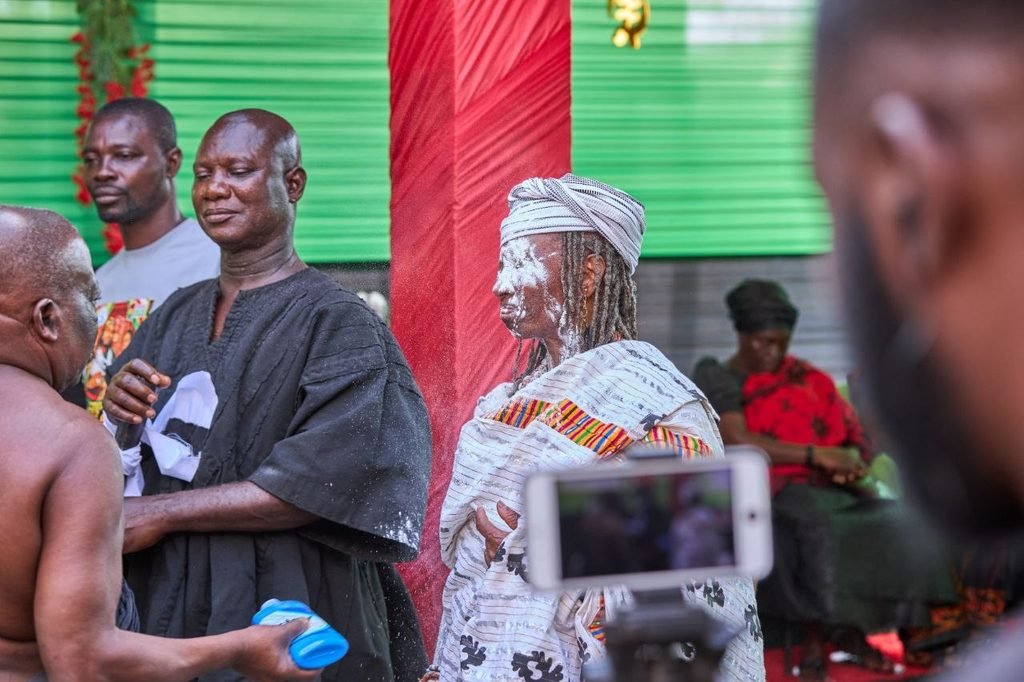
It celebrated professional advancement, the continuation of family aspirations and a connection to cultural heritage.
For a father, seeing a daughter gain admission to the same university where he holds a distinguished academic position offered another reason to celebrate.
For the professor, the moment placed family achievement alongside his own professional and traditional milestones.
Kambon had already established a place in the traditional life of Akuapem Mampɔn through an earlier installation as Banmuhene Kyidɔmhene, recorded in 2017.
His latest enstoolment adds another chapter to that relationship.
In Akuapem Mampɔn, the day brought together the university, the palace and the family table in one celebration. And for Kambon, the journey from the lecture room to the traditional procession showed how scholarship, cultural responsibility and family achievement could converge in a single memorable occasion.
By Enoch Ntiamoah Siaw
SKIP THE QUEUE, TAP THE NEWS
You can now read the Ghanaian Times and The Spectator newspapers from the comfort of your device via TimesNewsPlus.
Join our WhatsApp Channel: https://whatsapp.com/channel/0029VbBElzjInlqHhl1aTU27

Intercity STC Coaches Limited has interdicted a driver captured in a viral video allegedly hitting a Sprinter bus during an overtaking manoeuvre at Pokuase before driving away from the scene.
In a public notice, the company described the driver’s conduct as unacceptable, stressing that it did not reflect the safety standards and professionalism it upholds.
Management said it had commenced an immediate investigation into the incident and identified the driver, who has been interdicted pending the outcome of the disciplinary process.
The company added that it was awaiting an official report from the Pokuase Police Command to help establish the facts surrounding the incident.
STC reaffirmed its commitment to passenger safety and responsible road use, while thanking members of the public for bringing the incident to its attention.
Management assured the public that appropriate action would be taken following the investigation.
By: Jacob Aggrey