News
African youth blend dialogue, art to push for environmental accountability


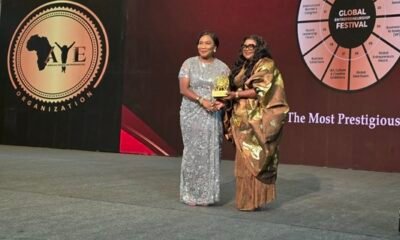
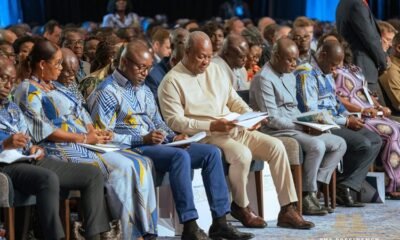
The 2025 African Youth Conference on Natural Resources and Environmental Governance (AYC-NREG) opened in Accra with a colourful mix of policy dialogue, poetry, dance and cultural performances.
The three-day gathering was held on the theme “Transforming Africa’s Natural Resource Governance through Youth-Led Solutions.
It brought together over 2,000 young leaders, policymakers, civil society actors and environmental experts.
Beyond speeches and panel discussions, participants used creative expressions, spoken word on climate justice, dance dramatisations of deforestation, and music on clean energy—to capture the urgency of environmental sustainability.
Performers blended culture with advocacy, reminding participants that protecting the environment was both a moral duty and a survival strategy.
Mr Mohammed Saani, Adams Director at the Ministry of Youth and Empowerment, urged the youth to view themselves not only as beneficiaries but as custodians of Africa’s resources.
He stressed that while Africa was blessed with oil, gold, timber and new minerals like lithium, poor governance has stifled development.
Mr Oko Nerquaye Tetteh board member of the Strategic Youth Network for Development (SYND), called for stronger youth-led innovations in renewable energy, reforestation and waste recycling.
Panels on responsible mining, climate financing and green entrepreneurship emphasised the need for policies that empower young people to lead change.
They urged governments to establish frameworks that make leaders more accountable to citizens, particularly the youth, in how resources are managed.
By Benedicta Gyimaah Folley
Join our WhatsApp Channel now!
https://whatsapp.com/channel/0029VbBElzjInlqHhl1aTU2

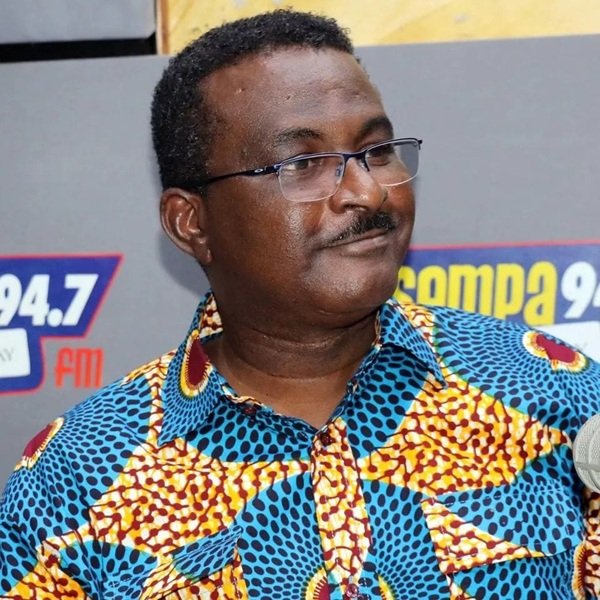
The Member of Parliament for Cape Coast South and Deputy Majority Leader, George Kweku Ricketts-Hagan, has criticised the New Patriotic Party (NPP), questioning its ability to manage Ghana’s economy.
He argued that the party was more effective at criticising the government when in opposition than managing the country’s economy when given the opportunity.
Speaking during debate on the 2027 Budget in Parliament, Mr Ricketts-Hagan said Ghanaians should not return the NPP to power, insisting that the party lacked the understanding and experience needed to manage the economy.
“Never again should the people of Ghana bring the NPP government into power to run this country. They don’t understand the economy. They don’t know how to manage an economy,” he stated.
He added that he hoped the NPP would remain in opposition for some time to continue offering what he described as constructive criticism and learn from the current government.
Mr Ricketts-Hagan questioned the party’s criticism of the country’s economic performance, arguing that its members were now portraying the economy negatively.
He urged members of the Minority to support the passage of the 2027 Budget, saying it was intended to deliver economic growth, create jobs and improve prosperity for Ghanaians.
By: Jacob Aggrey
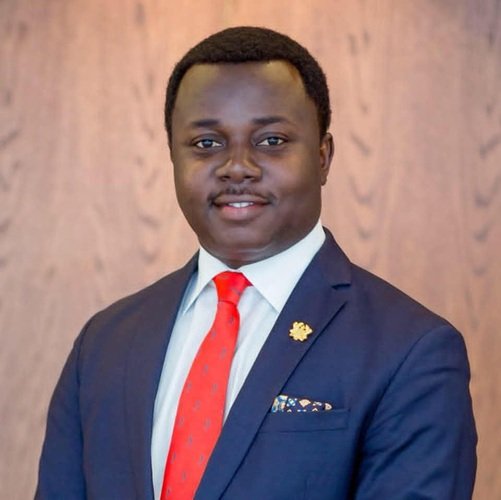
The Member of Parliament for Assin South, Rev. John Ntim Fordjour, has accused the government of failing to improve economic conditions for businesses and farmers, claiming that the cocaine trade is the only business thriving under President John Dramani Mahama’s administration.
He made the remarks during debate on the 2027 Budget in Parliament, where he criticised the government’s handling of the economy.
According to him, traders across the country are struggling, despite the government’s claims of economic improvement.
He mentioned traders in Kotokuraba, Agbogumka, Abakampa, Assin Fosu, Yagwase, Nkro, Ano Market, Makola, Keta and Tamale as some of those facing difficulties.
“The only business that is booming in this government under President Mahama is cocaine business,” he stated.
Rev. Ntim Fordjour raised concerns about the challenges facing cocoa farmers, claiming that the government had failed to pay them promptly and had reduced the producer price of cocoa by GH¢1,000.
He said the situation was particularly worrying to him as the son of a cocoa farmer, explaining that cocoa farming had helped him access secondary and university education and eventually become a Member of Parliament.
He questioned the government’s claims of economic progress, arguing that the reported improvements were not being reflected in the lives of traders and farmers.
By: Jacob Aggrey