News
Damba: The festival that unites Northern Ghana

- /home/u249204778/domains/spectator.com.gh/public_html/wp-content/plugins/mvp-social-buttons/mvp-social-buttons.php on line 27
https://spectator.com.gh/wp-content/uploads/2025/09/Sagnarigu-chief-Naa-Yakubu-Abdulaia-on-a-horseback-during-the-dance.jpg&description=Damba: The festival that unites Northern Ghana', 'pinterestShare', 'width=750,height=350'); return false;" title="Pin This Post">
- Share
- Tweet /home/u249204778/domains/spectator.com.gh/public_html/wp-content/plugins/mvp-social-buttons/mvp-social-buttons.php on line 72
https://spectator.com.gh/wp-content/uploads/2025/09/Sagnarigu-chief-Naa-Yakubu-Abdulaia-on-a-horseback-during-the-dance.jpg&description=Damba: The festival that unites Northern Ghana', 'pinterestShare', 'width=750,height=350'); return false;" title="Pin This Post">
Few festivals in Ghana carry the weight of history, colour, and unity like the Damba festival.
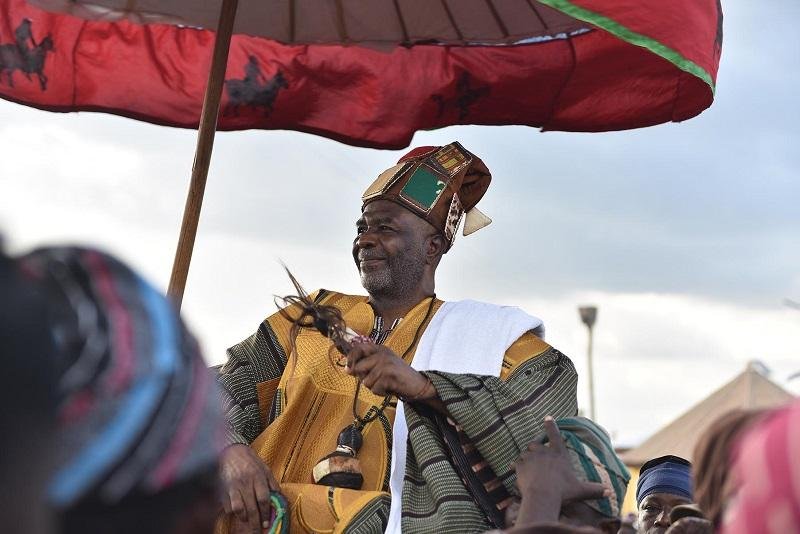
What began centuries ago as a religious commemoration has today blossomed into the largest cultural festival in Northern Ghana, celebrated across the Northern, Savannah, North East, Upper East, and Upper West regions.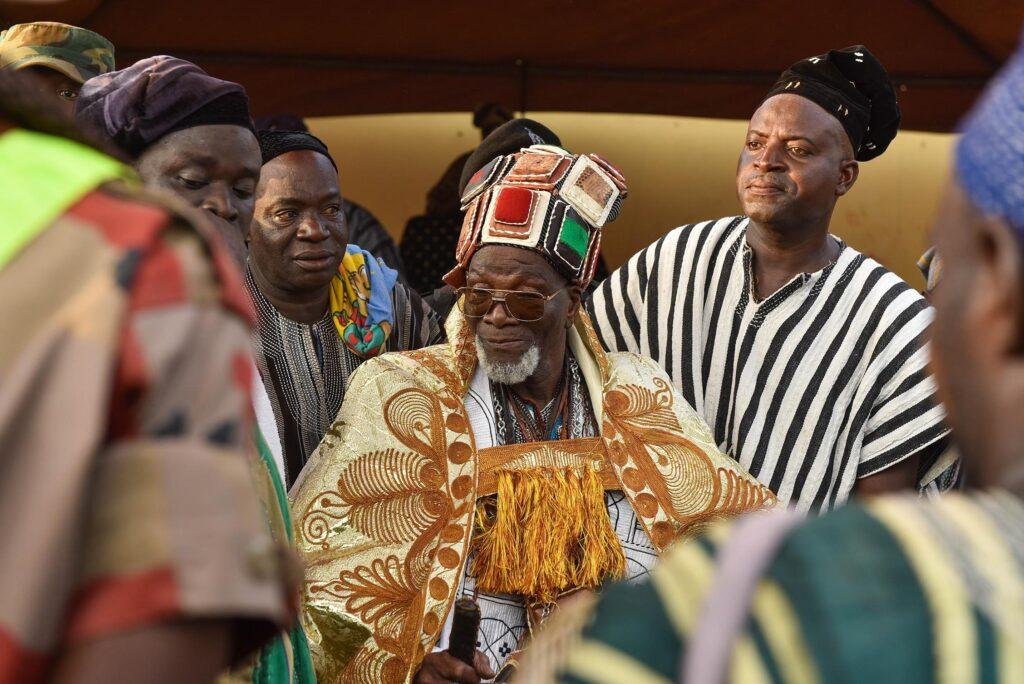
From the palaces of Dagbon, Mamprugu, and Nanumba, Damba resonates with the sound of drums, praise-singers, and the spectacle of tradition.
Its significance has even transcended borders, drawing Ghanaians and foreign admirers to international editions held in Germany, the United States, and the United Kingdom.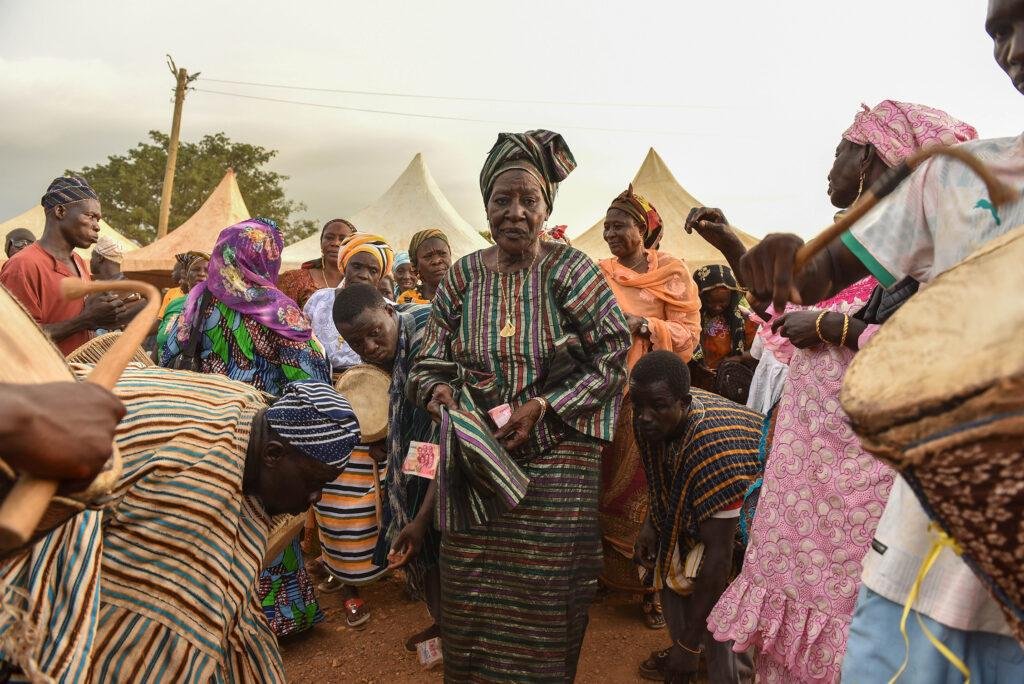
The name Damba is rooted in the Dagbani language, though it appears in other tongues, Damma in Mampruli.
Observed in the third month of the Dagomba calendar, which coincides with Rabia al-Awwal in the Islamic calendar, Damba was originally celebrated to mark the birth and naming of Prophet Muhammad.
Over time, it has evolved into a grand festival celebrating chieftaincy, kinship, and the resilience of Ghana’s northern kingdoms.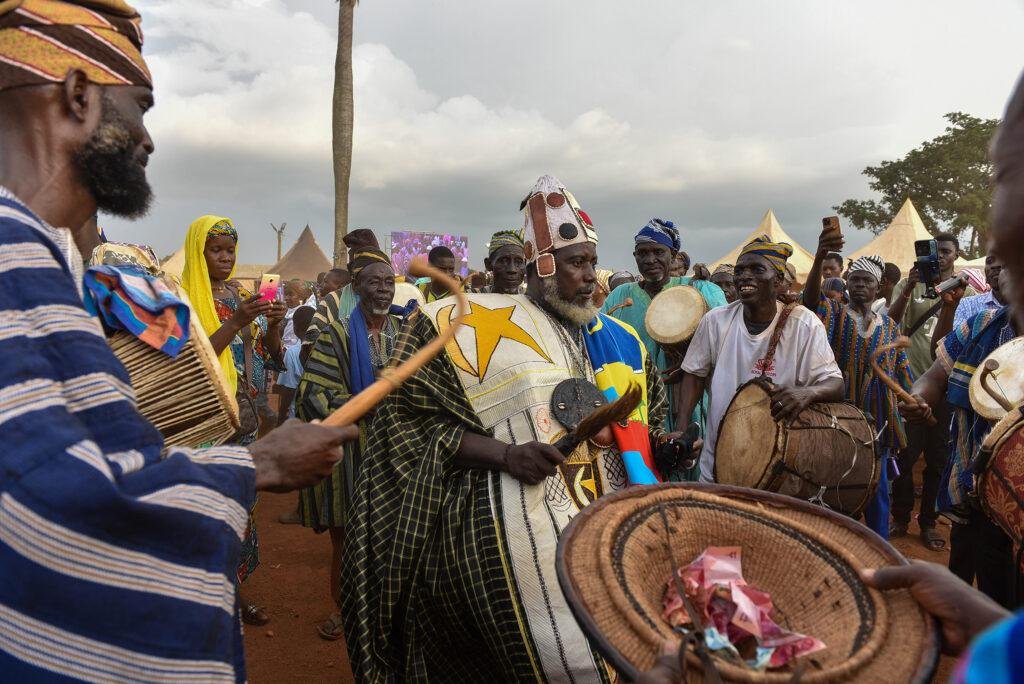
The festival unfolds in three major stages that is Somo Damba, Naa Damba, and the grand Belkulsi or farewell procession. In the early days, the Yila Bohambu, or nightly musical rehearsals, fill the palaces with song.
Women of the royal courts lead these performances, keeping alive the traditional chants and rhythms that set the tone for the celebrations. The Somo Damba is a solemn time of prayer, drumming, and dignified dancing.
It is followed by the youthful exuberance of the Binchera Damba, where young men and women take to palace grounds in worn yet stylish smocks, showcasing creativity and spirit in a torn couture display.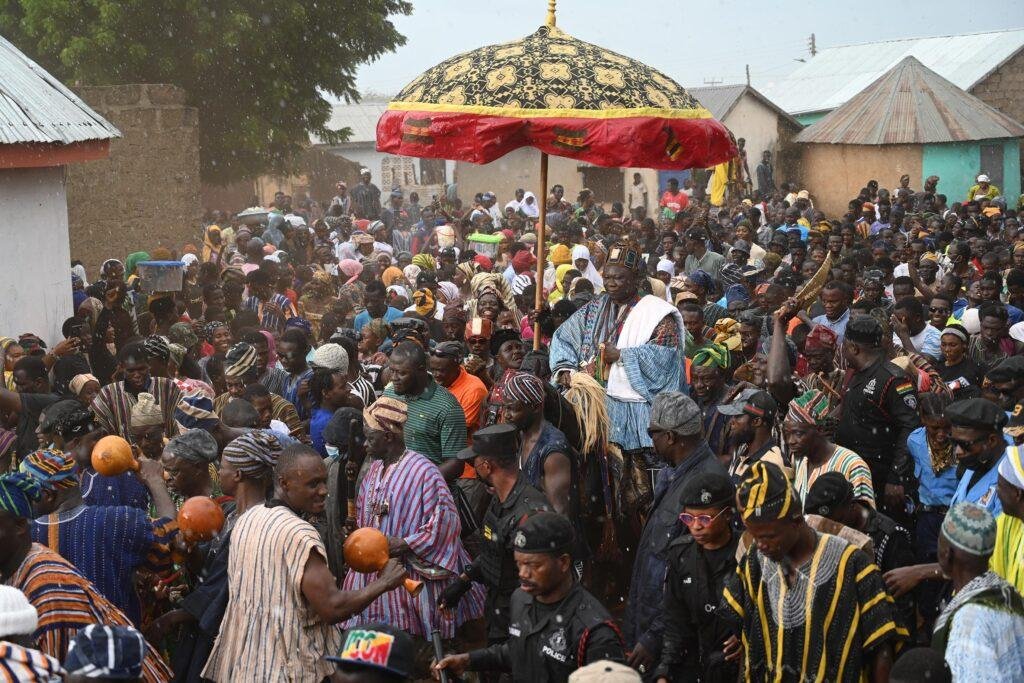
Another revered rite, the Shinkaafa Gahimbu (picking of rice), sees clerics, led by the Yidan Moli at the Gbewaa Palace, offering symbolic rituals of blessing and prosperity.
The Nahu Glibu, or rounding of the cow, performed by chiefs, demonstrates wealth, unity, and the continuity of life. But it is the Naa Damba, the King’s Damba that truly crowns the festival.
Here, the atmosphere reaches its peak: chiefs ride majestically on horseback, praise-singers proclaim ancestral glories, and the air explodes with musketry from warriors, signalling strength, protection, and bravery.
One of the most breathtaking spectacles of Damba is the procession of the queens. Adorned in regal cloths and glittering ornaments, they gracefully carry golden-coloured bowls, abolition cans, utensils, sandals, and animal skins, the very seat and symbols of authority for the chiefs.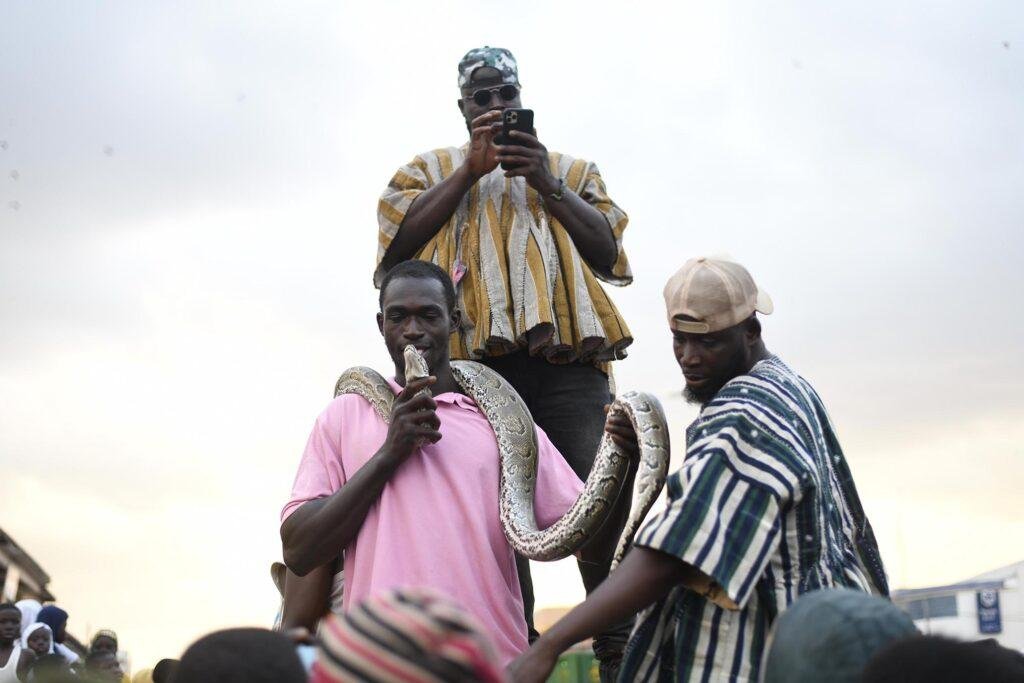
Each item tells a story, each step a reminder of the sacred duty queens play in preserving heritage and continuity.
Their slow, elegant movement is met with admiration from the gathered crowds, reinforcing the balance between royalty and community. No Damba is complete without the vibrant dances that fill the courtyards.
The housing dance, performed with synchronised grace, captures the essence of belonging, while the warriors’ displays, accompanied by fierce drumming and bursts of musketry in the skies is to celebrate resilience and courage.
These performances not only entertain but also remind communities of their history, values, and collective identity.
The festival’s climax, Belkulsi, bids farewell in a grand procession. Families exchange visits, gifts are shared, and friendships renewed.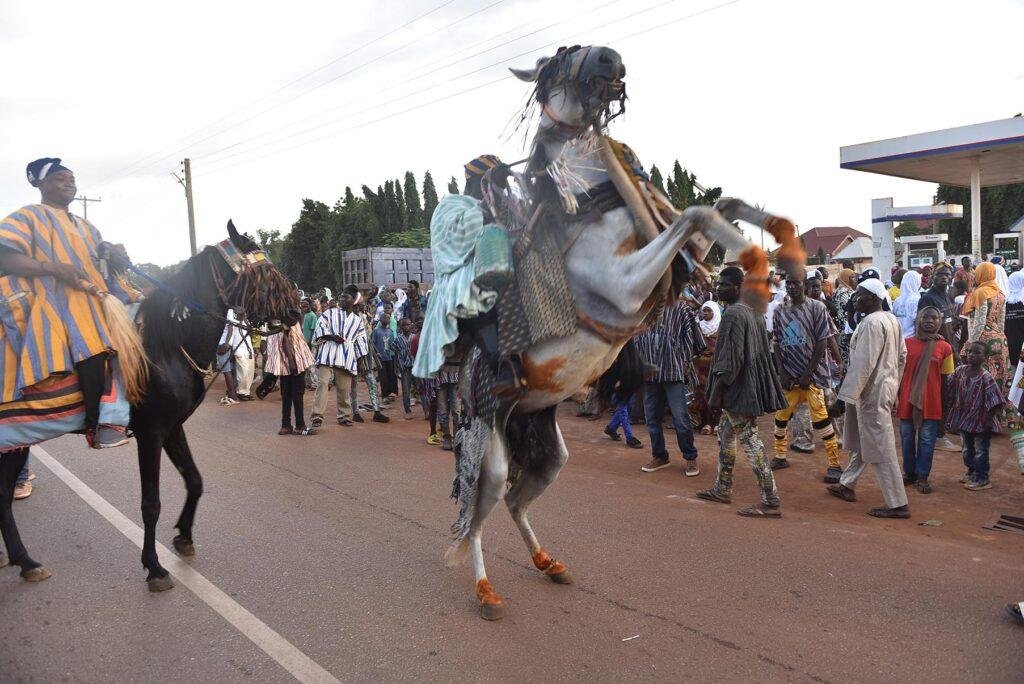
Streets and palace grounds explode with colour, sound, and movement, leaving behind memories that last until the next Damba.
From Gonja, Dagbon, Mamprugu, Wali and Nanumba, Damba has remained a symbol of identity and unity.
Its international editions in Cologne, New York, and London highlight the festival’s growing role as a cultural ambassador, projecting Ghana’s northern traditions to the world stage.
Damba is a living archive of history, an affirmation of heritage, and a celebration of the bond between people and tradition.
In its rhythm, regalia, and rituals, one sees not only the past but also the promise of continuity for generations to come.
From Geoffrey Buta, Yendi
Join our WhatsApp Channel now!
https://whatsapp.com/channel/0029VbBElzjInlqHhl1aTU2






Women have been asked not to dismiss painless lumps in the breast, as the absence of pain does not mean a lump is harmless.
A Specialist Radiation Oncologist at the Korle-Bu Teaching Hospital, Dr Mary Ann Dadzie, said women should seek medical attention promptly whenever they noticed any unusual changes in the breast.
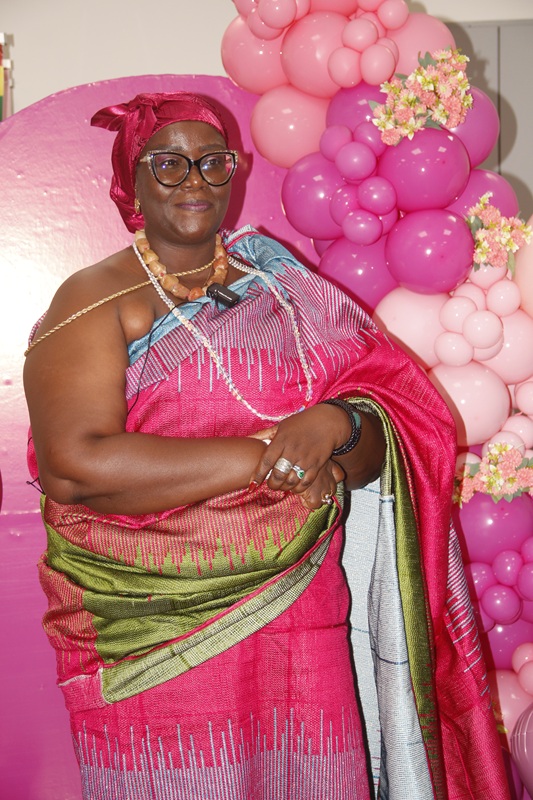
“A painless lump is not a harmless lump. You need to take action and not wait for pain,” she said.![Prof.Dr.Grace Ayensu-Danquah [middle] launching of Breast Cancer Awarencss Mouth with Dr.Caroline Reindorf Amissah[second from right] and other officials Photo Okai Elizabeth.](https://spectator.com.gh/wp-content/uploads/2026/10/Prof.Dr_.Grace-Ayensu-Danquah-middle-launching-of-Breast-Cancer-Awarencss-Mouth-with-Dr.Caroline-Reindorf-Amissahsecond-from-right-and-other-officials-Photo-Okai-Elizabeth.jpg)
Dr Dadzie made the call at the 2026 national launch of Breast Cancer Awareness Month, held on the theme, “early action, better outcomes.”
She expressed concern that about 45 per cent of breast cancer patients seen at Korle-Bu failed to return after starting treatment.
According to her, some patients began treatment but later stopped reporting to the hospital, leaving health professionals uncertain about their wellbeing.
She attributed the situation to several factors, including fear of death, financial difficulties, long distances to health facilities, lack of time and stigma.
Dr Dadzie urged women to know their breasts and seek medical attention within two weeks of noticing any abnormality.
She said warning signs could include a lump or thickening in the breast or armpit, changes in breast size, an inverted nipple, nipple discharge and changes in the skin, including redness, sores or an orange-peel appearance.
She cautioned women not to assume they were safe simply because they had no family history of breast cancer, explaining that only about five to 10 per cent of women with the disease had a familial or genetic mutation.
Dr Dadzie encouraged women to undergo regular clinical breast examinations and discuss appropriate screening options, including mammography and ultrasound, with health professionals.
She also called on families, particularly husbands and partners, to support women who needed breast examinations or treatment.
“Home is where the support begins,” she said, urging families to provide practical assistance such as transportation and childcare.
Dr Dadzie further appealed for breast cancer services to be brought closer to communities through increased access to mammography, ultrasound and biopsy services, as well as the training of more health professionals.
The Deputy Minister of Health, Prof. Dr Grace Ayensu- Danquah, said breast cancer remained a major health concern among women in Ghana, with an estimated 4,650 new cases and about 2,060 deaths recorded annually.
She said Ghana’s breast cancer response focused on prevention, early detection, equitable access to treatment and compassionate care.
Dr Ayensu-Danquah said the country was working to strengthen awareness, clinical breast examinations, referral systems, pathology and diagnostic services to improve breast cancer outcomes.
The World Health Organisation (WHO) representative, Dr Joana Ansong, said too many women continued to present with advanced breast cancer, resulting in avoidable suffering and deaths.
She called for stronger health education, timely diagnosis, rapid referral and equitable access to comprehensive treatment and support.
Dr Ansong said breast cancer awareness should move beyond campaigns to sustained action involving government, communities, health professionals, civil society organisations, the private sector and families.
By Esinam Jemima Kuatsinu
Authorities of Percheyire R/C Basic School in the Yilo Krobo District of the Eastern Region are concerned about the safety of teachers and learners of the school, as reports of the condition of the structure appear to have fallen on deaf ears.
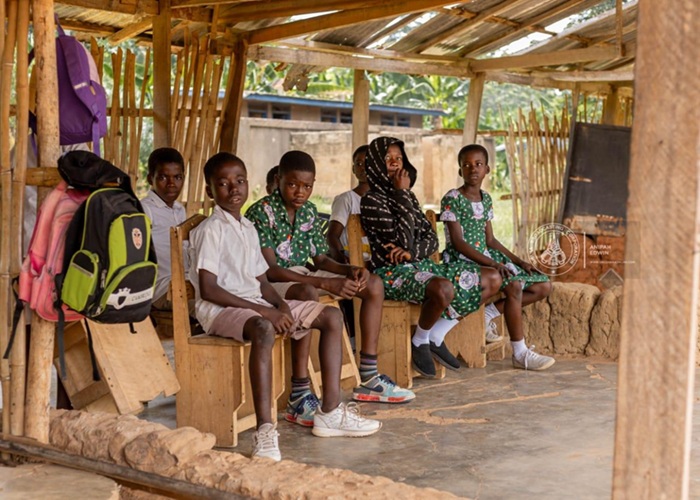
The ramshackle classroom structure looks like one that could cave in in the case of a heavy storm and, according to the teachers, teaching and learning become impossible when the rains set in.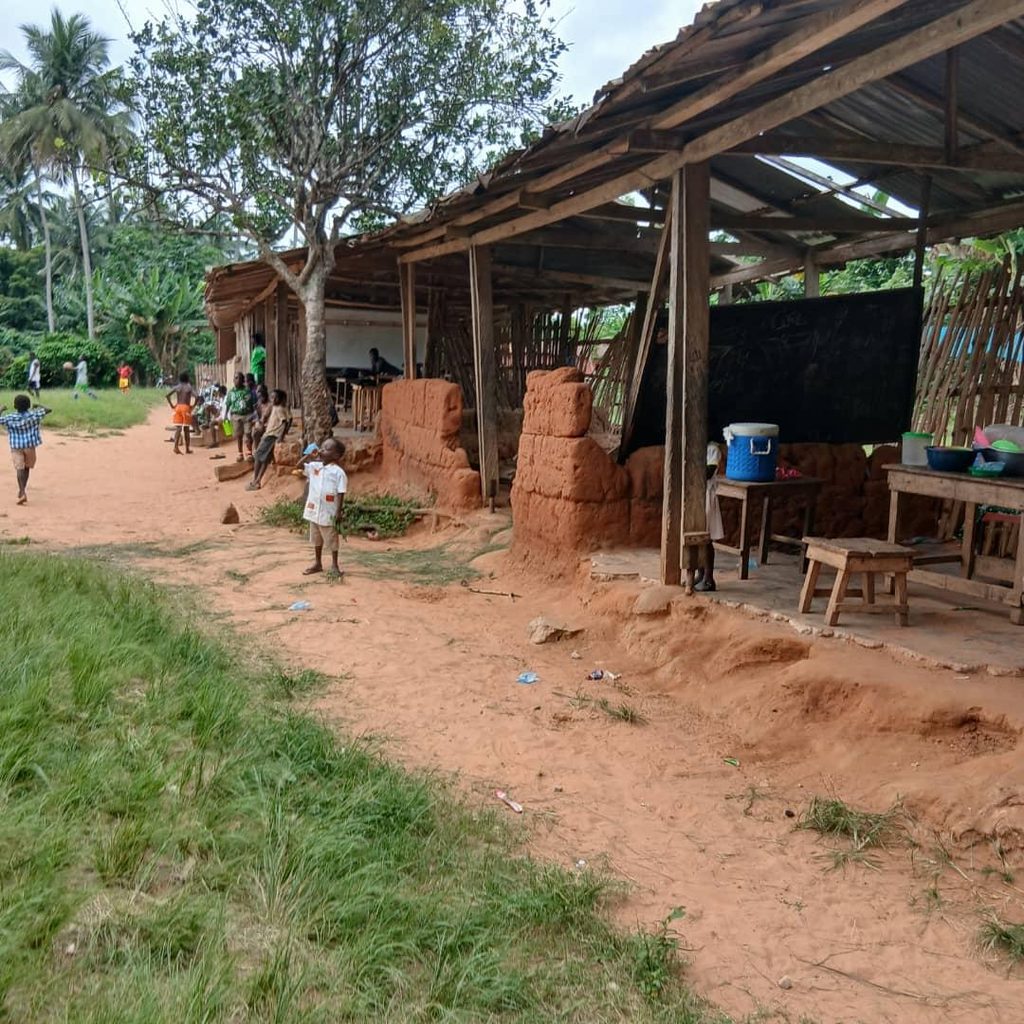
The structure, which accommodates pupils from Primary Four to Six, has worn-out roofing sheets, mud walls and sections supported by wood used as pillars.
A source at the school, who requested anonymity, told The Spectator in an interview that the situation was particularly difficult during the rainy season.
“When it rains, it means teaching and learning would come to an end,” he said.
The source explained that the challenge affected only the upper primary section, as pupils from Kindergarten to Primary Three were housed in a relatively better block.
According to the source, about 30 pupils from Primary Four to Six currently use the dilapidated structure, but expressed grave concern about its condition.
The source, however, said that the safety of the pupils, their furniture and books remained a concern, particularly during heavy rains.
The source said the situation had been reported to the relevant authorities and was hopeful that the structure would eventually be reconstructed.
Some pupils sitting in one of the classrooms
Despite the visit to the school, authorities indicated that work would be undertaken, but the school was yet to receive further information on when the project would begin.
The source also identified the poor road network to the school as another challenge affecting enrolment, saying the school serves pupils from Percheyire and three neighbouring communities.
It also emerged that an enrolment drive embarked upon in one of the communities, Togodo, showed that more than 60 school-going children lived in the community, but were unable to attend the school regularly because of the distance and poor road.
The school currently has about 110 pupils from Kindergarten through Junior High School, according to the source.
The source said improving both the classroom infrastructure and the road network would help create a more conducive learning environment and potentially improve enrolment.
A former teacher of the school, Rev. Elizabeth Korasare, said she was surprised to find the structure still in use after 38 years.
“I was surprised to see that the classroom I sat in 38 years ago is in the same state. Even though there are some new blocks, the upper primary is still housed in that same dilapidated structure,” she told The Spectator.
She therefore appealed to the relevant stakeholders to support the school by building a modern structure and improving the road network.
By Esinam Jemima Kuatsinu
SKIP THE QUEUE, TAP THE NEWS
You can now read the Ghanaian Times and The Spectator newspapers from the comfort of your device via TimesNewsPlus.
Join our WhatsApp Channel: https://whatsapp.com/channel/0029VbBElzjInlqHhl1aTU27