Profile
Achieving greatness: the stories of a two inspiring personalities

An anonymous author once said: “Don’t wait until you’ve reached your goal to be proud of yourself. Be proud of every step you take towards reaching the goal.”
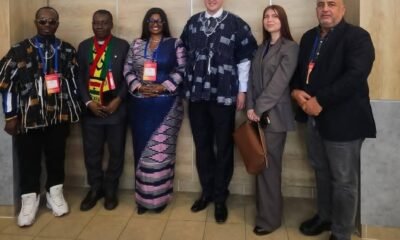
In this edition, we merge the stories of two personalities who have challenged themselves and continue to excel in their respective fields. They are Dr. Jamal Browne and Thabo Dithakgwe.
Dr. Jamal Browne
He is an International Development Expert, Writer, and Motivational Speaker who continues to excel in his chosen field while inspiring others to do same.
He once accepted a job where the salary was “so small” that it barely covered his basic monthly financial obligations. The job market was tough, and he had grown “incredibly impatient.”
But little did he know that those experiences would become a turning point in his life and career. In a recently LinkedIn post, Mr Browne recounted how “grateful and enthusiastic” he was about his first job but later started feeling “undervalued, forgotten, and unfulfilled.”
However, he quickly changed his perspective and started “thanking God” for “His provision.” Month later, he received an “unexpected job offer” from a reputable global organisation offering an “unbelievable compensation package.”
“Through that experience, I learnt to be: grateful for small blessings; patient as I wait; humble through my pain; and hopeful amidst disappointment,” he said.
He admitted that difficult moments were meant to “bring the best out of us, even as we avail ourselves of systematic, intentional learning and character development.”
In 2008, he received his Bachelors Degree (Hons) in Surveying and Land Information from The University of the West Indies in Trinidad & Tobago, and thereafter joined the public service in his native Saint Vincent and the Grenadines.
In 2011, he returned to the University of the West Indies to pursue a Master of Philosophy (M.Phil), with a focus on Land Tenure Security and Disaster Risk Reduction.
In February 2014, he successfully upgraded to Doctor of Philosophy (PhD).
In June 2014, he joined the United Nations Human Settlements Programme (UN-Habitat) as a Consultant Project Officer at the agency’s headquarters in Nairobi, Kenya; and in January 2015, was among the first cohort of scholars of the Canadian Government-funded EKACDM Scholarship.
In June 2015, he launched Land and Property Network – a Caribbean-based start-up within the global land and property sector that works with governments, international development and civil society organisations, and the private sector in addressing land administration and land governance issues.
He is an alumnus of President Barack Obama’s Young Leaders of the Americas Initiative (YLAI), having served as a Professional Fellow in the initiative’s inaugural cohort (2016).
On November 17, 2016, Dr. Browne successfully defended his doctoral research at the University of the West Indies, St. Augustine Campus in Trinidad and Tobago.
Dr. Browne is an emotionally intelligent and inspirational Team Leader, People’s Manager, Mentor, and Cross-cultural Communicator. He has about 12 years industry experience in Content Marketing, Internal and External Communications, Public & Press Relations and Digital Media.
He has developed communications strategies for major public and private entities and also has experience also in Digital Storytelling & Film Production.
In addition to Social Media and Digital Media Management, he again has experience in Brand Management, Customer Relationship Management, Web Analytics and Search Engine Optimisation (SEO).
Over the years, he has served as a keynote speaker at numerous graduation and prize-giving ceremonies, and has chaired international fora on Land & Property Rights. He has made presentations at numerous international and regional conferences.
Having shown great interest in the art of public speaking from a very early age, Dr, Browne has spent most of his life developing this skill.
He considers public speaking a platform for “sharing messages of hope with audiences that are more likely to respond to the spoken word.” He urges individuals not to despise the difficulties and pains of life’s journey.
“Embrace and appreciate the fact that you are making an effort, giving of your best everyday, and that the reward for your sacrifices and faith is assured,” he noted.
Thabo Dithakgwe
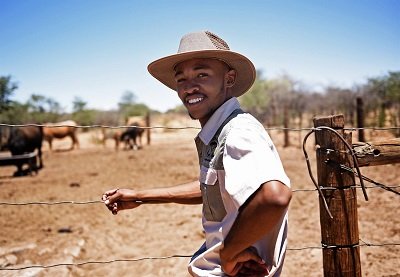
He is a 21-year-old South Africa’s youngest Livestock Farmer, Entrepreneur, Mentor and Public Speaker. He became a farmer at the age of 13 when his father gifted him a pregnant cow.
When the heifer gave birth, he nurtured the calf for 18 months and sold it to another farmer at a reasonable price and reinvested the money.
In 2015, at age 14, he received his Identification Livestock Certificate from the Department of Agriculture, Forestry and Fisheries, enabling him to become a Commercial Farmer.
In 2020, while managing Constable Farm, he received a farm from the state, amounting to about 2,400 hectares, in the Morokweng Area, South Africa.
“I farm with cattle, sheep and goats. With the cattle, I do few other breed which I buy locally. And then with goats, I mainly specialise in boer goat. For sheep, I do crossbreed,” Thabo said.
“I am working towards diversifying into poultry and crop farming. I would also like to create about 50 permanent jobs for local unemployed residents and to bring investors on board which will help me help other striving young farmers,” he added.
By Ernest Nutsugah
-Additional files from landportal.org & Women Power Africa


IN the annals of Ghana’s sporting history, certain individuals stand out not merely for participating in sport, but for transforming it.
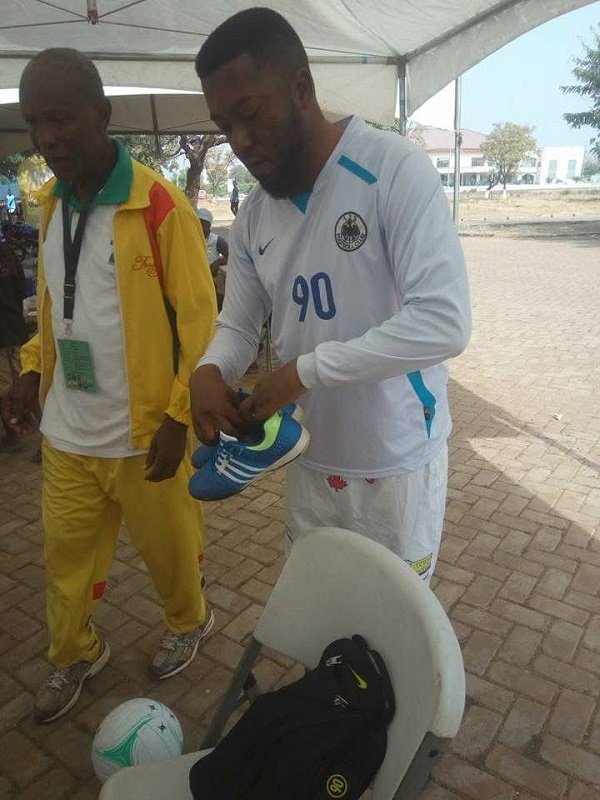
Rev. Emmanuel D. Niikoi is one such figures. Revered as the father of modern netball in Ghana, is widely credited with rescuing the game from near extinction and transforming it into a vibrant, structured and nationally recognised sports discipline.
His journey reflects vision, resilience and an unwavering commitment to youth and sports development.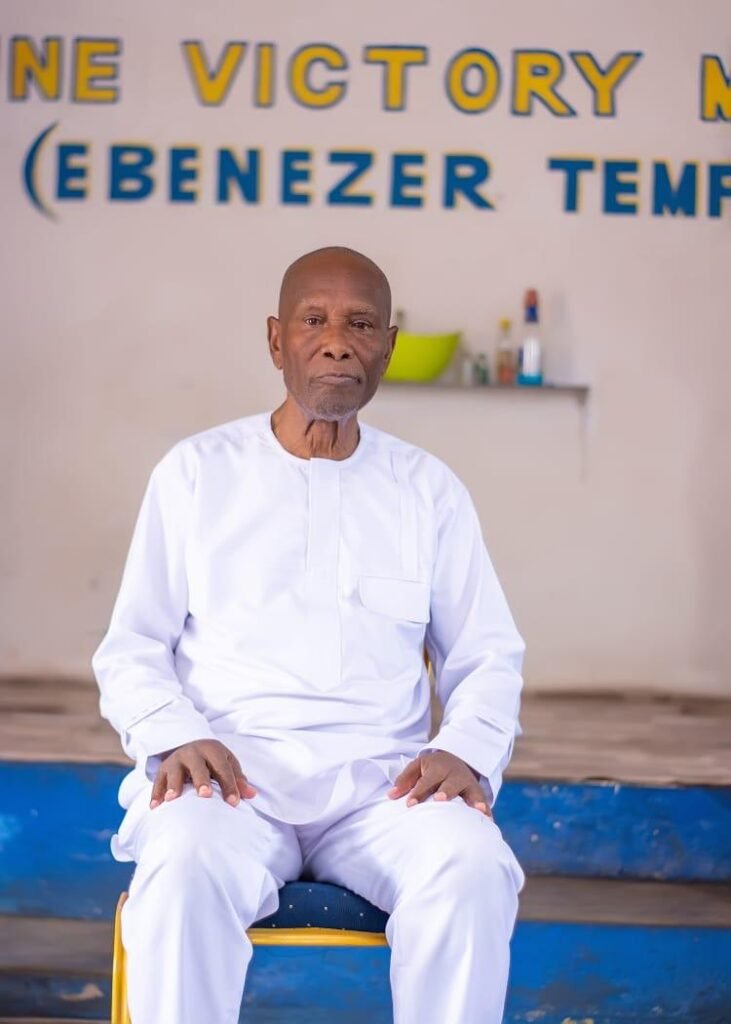
Netball was introduced to the then Gold Coast by Christian missionaries alongside formal education. By the 1960s and early 1970s, the sport had gained remarkable popularity in schools and colleges, ranking second only to football and, in some institutions, rivaling it in appeal.
However, during the 1974/75 academic year, the Ghana Education Service (GES) took a policy decision to step down netball in favour of basketball development. The decision dealt a severe blow to the sport.
Between 1975 and 1985, competitive netball virtually disappeared from Ghana’s sporting calendar.
That decision of the GES can be blamed for the current state of the sports that is producing heroines across the globe.
The revival of the game can be traced to 1985 during the Golden Jubilee celebration of the Ghana Broadcasting Corporation (GBC).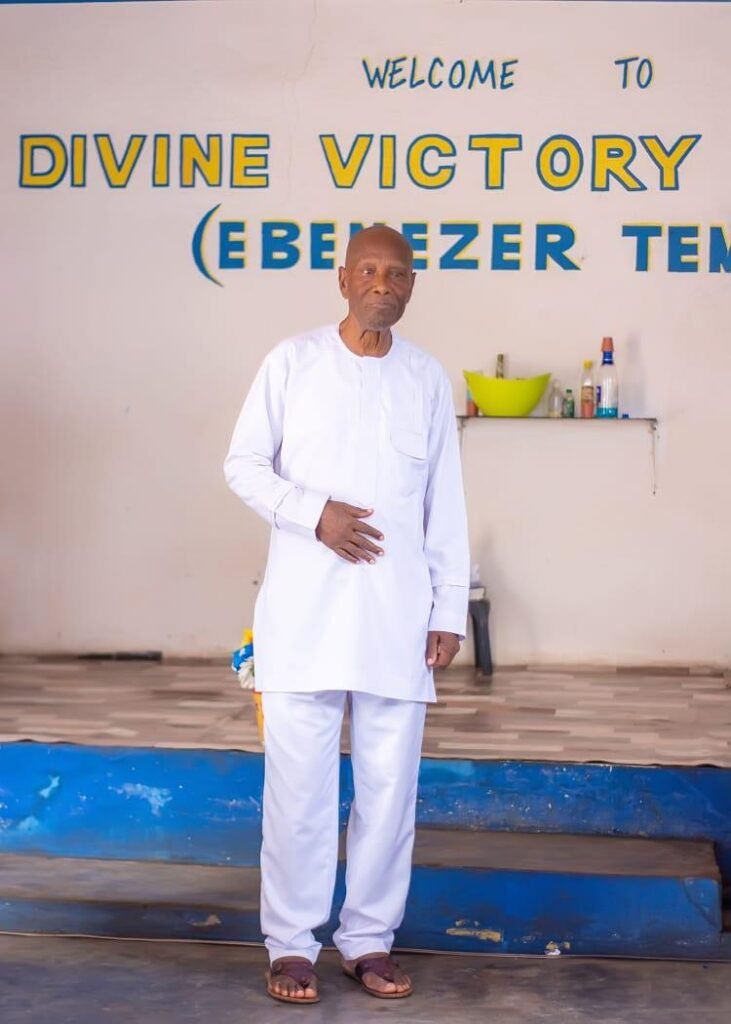
At the time, Rev. Niikoi was serving as Chief Editor (News) in the Radio Newsroom. Understanding both the historical importance and untapped potential of netball, he championed the inclusion of a netball tournament as part of the anniversary celebrations. The event reignited public interest and reminded many of the sport’s former glory.
Crucially, Rev. Niikoi did not allow the momentum to fade after the festivities. The GBC netball team formed for the tournament, aptly named “Golden Hands,” became the cornerstone of a national revival campaign.
With determination and personal sacrifice, he led tours across the country, using the team as a practical training platform.
He personally taught sports teachers under the GES the official rules of netball, reintroduced structured competition, and restored confidence in the sport’s viability.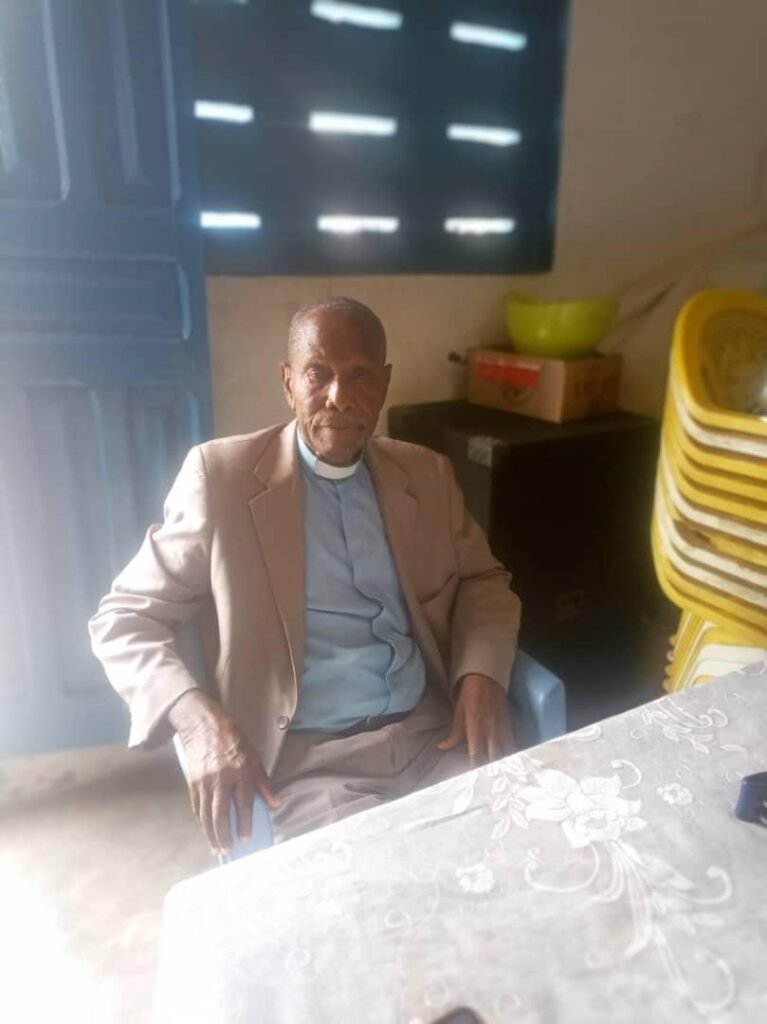
These efforts culminated with the formation of the Netball Association of Ghana in 1988, now known as the Netball Federation of Ghana.
In 1990, the association gained formal recognition from the National Sports Authorities, previously known as the National Sports Council (NSC), restoring netball’s status as an official sporting discipline.
This milestone marked the rebirth of organised netball in Ghana and cemented Rev. Niikoi’s place as founder of the national governing body.
Revival soon transitioned into consolidation. Over the years, Rev. Niikoi consistently lobbied educational and sports authorities to reintegrate netball into major school competitions.
His advocacy led to the sport’s reintroduction into the National Basic Schools Sports Festival, the Senior High and Technical Schools Sports Festival, the Colleges of Education games, and competitions under the Ghana University Sports Association (GUSA).
Today, netball is played across the entire educational structure in Ghana, from basic schools to public universities, a testament to his sustained and strategic efforts.
On the continental and global front, Ghana is a full member of World Netball and was a founding member of the Confederation of Africa Netball Associations (CANA), now Africa Netball.
In 2004, Ghana hosted the inaugural Africa Netball Cup of Nations in Accra and emerged champions after defeating Namibia in the final. The victory not only boosted Ghana’s sporting image but also validated years of groundwork.
In 2007, Rev. Niikoi was elected Director of Marketing and Media for CANA, serving a four-year term and contributing to the sport’s development across the continent.
In 2019, following governance reforms required by the International Olympic Committee to lift sanctions related to state interference in sports administration, national federations were mandated to adopt independent constitutions. Under this new framework, the Netball Federation of Ghana successfully drafted its constitution and conducted elections.
On June 19, 2019, Rev. Niikoi was elected the federation’s first President under the independent constitutional order which is symbolic and deserved recognition of decades of service.
Beyond netball administration, Rev. Niikoi also served two terms spanning eight years from March 2018 to March 2025 as an Executive Board Member of the Ghana Olympic Committee.
His presence on the board ensured that netball maintained visibility within Ghana’s broader Olympic movement.
A Bachelor of Arts graduate in Combined Honours (History and Law), Rev. Emmanuel D. Niikoi has trained numerous coaches and umpires nationwide, strengthening the sport’s technical foundation and ensuring sustainability.
His leadership style combines administrative discipline with grassroots engagement, making him both a strategist and a mentor.
From dormancy to dynamism, the resurgence of netball in Ghana bears his unmistakable imprint. Through advocacy, institution-building and capacity development, Rev. Niikoi has secured a lasting legacy.
Today, every netball match played in Ghana, whether at a basic school court or a university festival stands as living testimony to his vision and perseverance.
By Esinam Jemima Kuatsinu
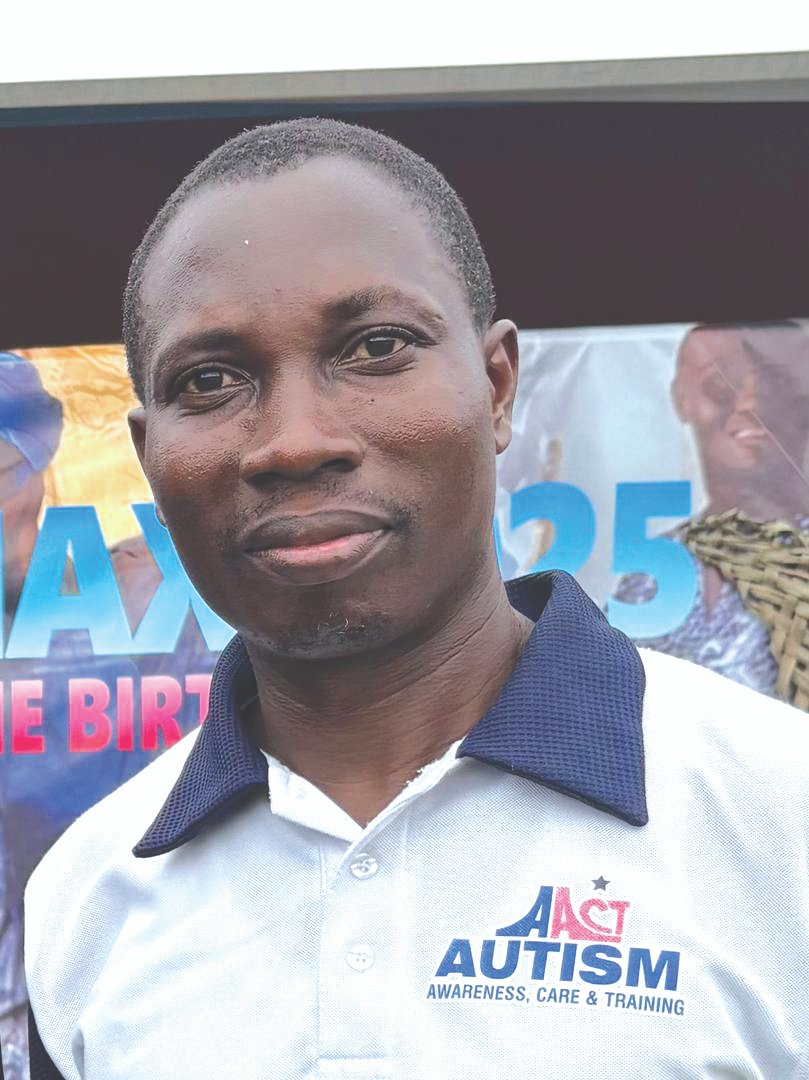
AUTISM Awareness Care and Training (AACT) is Ghana’s first autism-focused centre, playing a pioneering role in the care, education, and advocacy for children on the autism spectrum and their families.
Established in 1998, AACT began as a parent-support and training initiative at a time when autism was poorly understood in Ghana. Many families raising autistic children faced stigma, isolation, and limited access to information or professional assistance.
Over the years, the organisation has evolved into a full-fledged autism care and training centre, responding to the growing demand for specialised services and sustained nationwide awareness.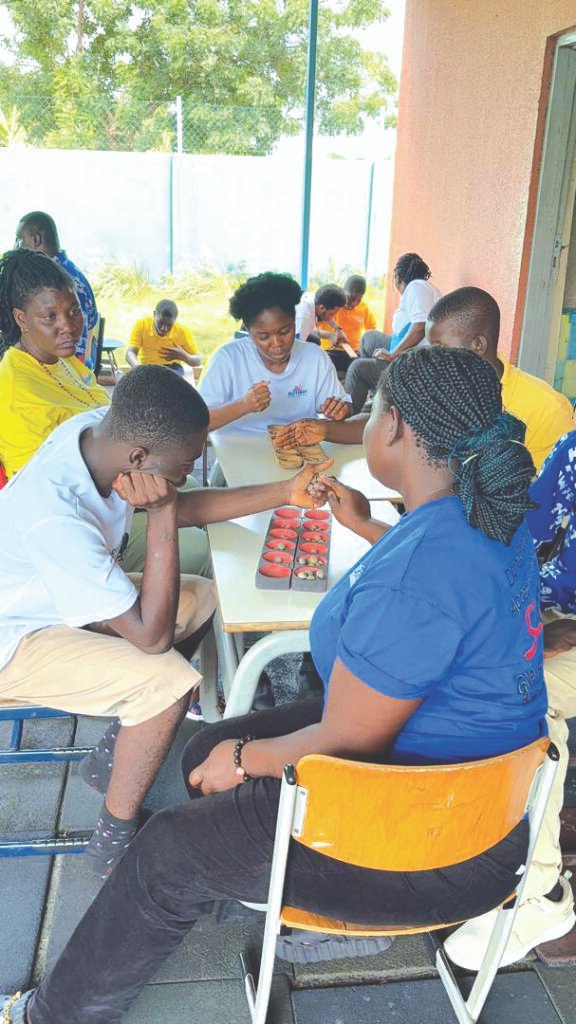
AACT is currently located in Haatso, Accra, where it operates a structured day programme serving about 25 learners daily. The centre provides a safe, inclusive, and supportive environment where children with autism are guided to develop essential life, social, and functional skills.
Programmes at the centre focus on independent living skills, vocational and pre-vocational training, functional academic skills, and therapeutic interventions. These activities are tailored to the individual needs of each learner, recognising that children on the autism spectrum learn and develop at different paces.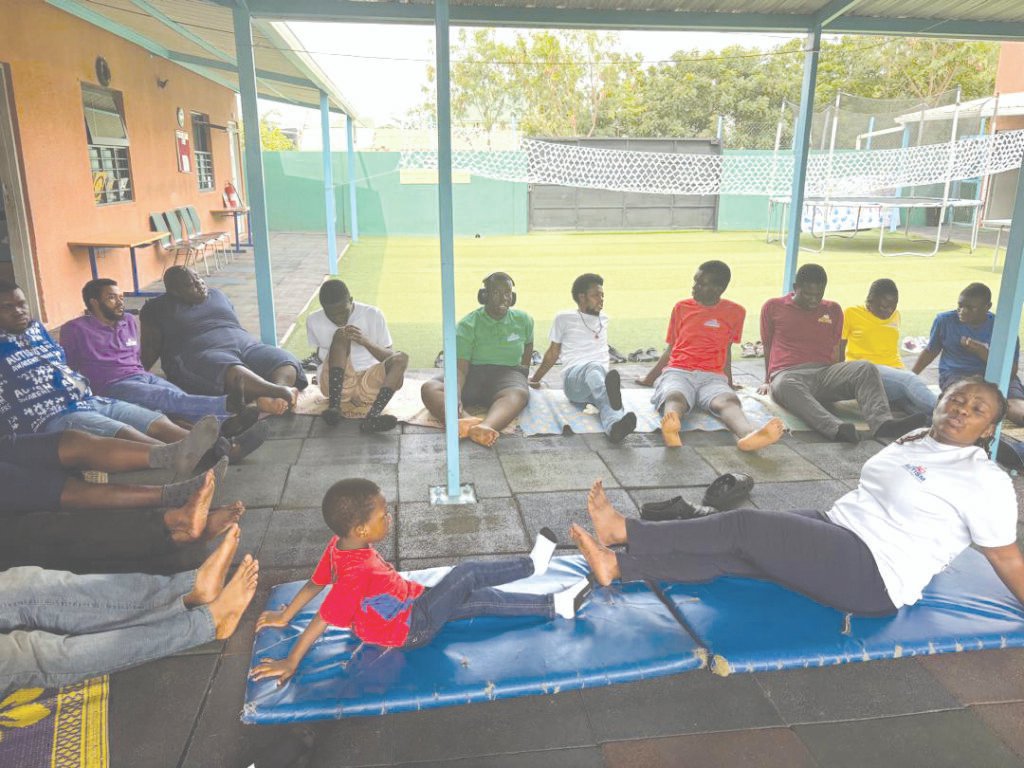
According to Abeiku Grant, Head of Programmes at AACT, the centre’s philosophy is centred on ability rather than limitation.
“Every autistic child is different,” he said. “Our work is to support them at their own pace and help them discover what they can do, not to focus on what they cannot do.”
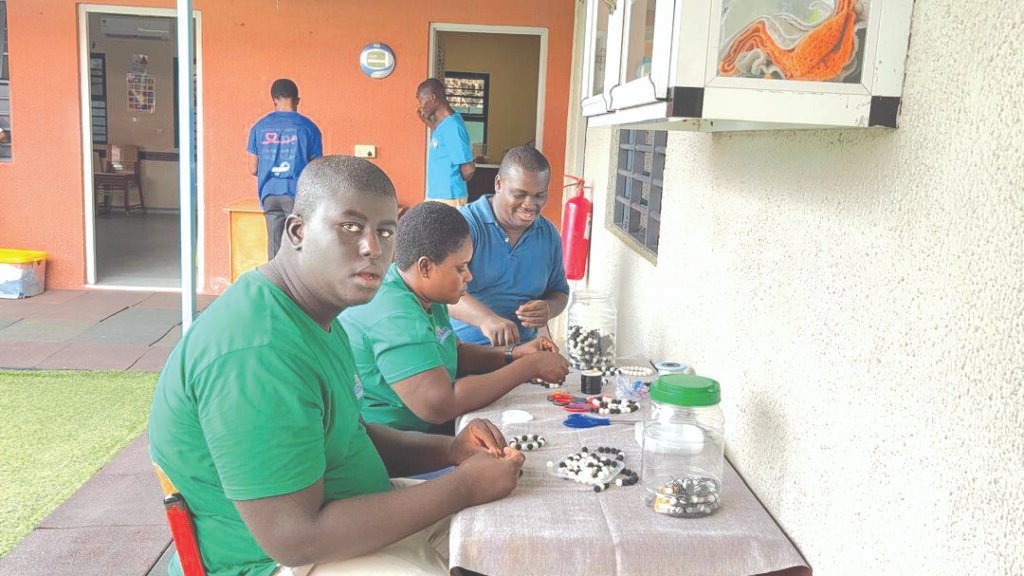
Beyond centre-based services, AACT places strong emphasis on autism awareness and advocacy, particularly within schools and communities. Many children with autism in Ghana continue to face rejection and exclusion due to stigma, misinformation, and the lack of trained personnel in educational institutions.
In 2025, AACT reached over 20 schools across the country, providing autism education to teachers, students, and school administrators.
The organisation also runs free teacher training programmes, equipping educators with practical knowledge and basic tools to support autistic learners in inclusive classroom settings.
“Many schools tell us they are not resourced or trained to handle autistic learners,” Mr Grant explained. “Instead of waiting for change, we decided to go to them and train teachers for free.”
AACT also engages learners directly, addressing widespread misconceptions about autism, including the false belief that autism is contagious or caused by bad parenting. These outreach programmes aim to build empathy among students and promote peer support for autistic learners in mainstream schools.
Another major challenge confronting families is limited access to autism services, especially outside Accra. With most autism centres concentrated in the capital, many families from other regions are forced to travel long distances or keep their children at home due to cost, stigma, or lack of support.
“Education is not meant only for typical children,” Mr Grant stressed. “Children with autism also have the right to education and care. No child should be hidden because of lack of understanding or opportunity.”
As part of its outreach work, AACT supports parents to overcome stigma and encourages social interaction for children with autism, believing that community engagement is essential for development and confidence building.
In December 2025, the centre received what it described as its largest donation of the year, raised by children from the Unmasked Mentoring initiative. According to the organisation, the donation was particularly significant as it demonstrated empathy and social responsibility among young people.
As a non-governmental, non-profit organisation, AACT depends largely on donations, partnerships, and goodwill to sustain and expand its work. Current needs include a minibus for community-based social activities, expansion of its facility to accommodate more learners, sponsorship support for children from financially challenged families, and funding to scale autism awareness programmes nationwide.
Looking ahead, AACT envisions a Ghanaian society that is inclusive, informed, and supportive of persons with autism.
“Our goal is a Ghana where children with autism are accepted and supported,” Mr Grant said. “Every child has potential. All they need is understanding, opportunity, and care.”
By Esinam Jemima Kuatsinu
Join our WhatsApp Channel now!
https://whatsapp.com/channel/0029VbBElzjInlqHhl1aTU27