News
Absence of RBC antibody screening puts babies at risk

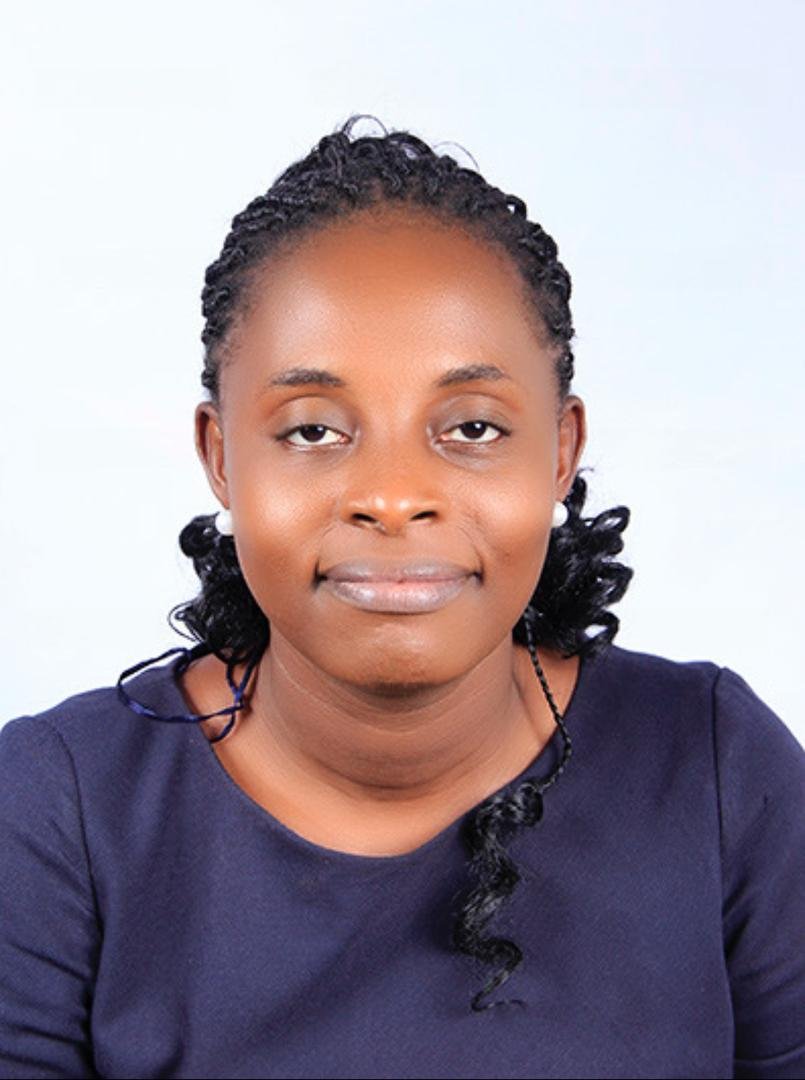
A NEW study has revealed alarming gaps in antenatal care in Ghana, where routine screening for Red Blood Cell (RBC) antibodies is largely absent, leaving many babies at risk of preventable complications and death. The research, conducted between June 2024 and June 2025 at a secondary referral facility, was led by Dr (Mrs) Lilian Antwi Boateng, Senior Lecturer at the Department of Medical Diagnostics, KNUST, with support from Mr Bastu Odoka, Principal Medical Laboratory Scientist at Effia Nkwanta Hospital.
The study, involving 411 pregnant women, found that nine (2.2 per cent) carried potentially harmful antibodies. Among RhD- (a protein found on the surface of red blood cells) negative mothers, the prevalence of anti-D antibodies was 17.1 per cent — higher than rates reported in other African countries.
Two babies born to affected mothers developed serious complications; one died on the third day of life, while the other survived after intensive care. According to Dr Antwi Boateng, in a chat with The Spectator, the absence of routine RBC antibody testing in most hospitals is contributing to stillbirths, preterm births, and neonatal deaths.
In Ghana, these conditions occur at estimated rates of 1.2 per cent, 37.3 per cent, and 2.3 per cent respectively, based on recent studies. Although anti-D prophylaxis — two injections given during pregnancy and shortly after birth — can prevent sensitisation almost entirely, access remains limited.
Only 49 per cent of eligible mothers in the study had received the injections, far below the World Health Organisation’s recommendation of 100 per cent coverage. The drug, which costs about GH₵750 per dose, is often unavailable or unaffordable, leaving many women unprotected.
Health experts, including Dr Antwi Boateng, are calling for urgent reforms: routine antenatal RBC antibody screening, enforcement of national protocols for RhD immunoprophylaxis, and inclusion of anti-D immunoglobulin in the National Health Insurance Scheme. They also recommend training healthcare providers to detect and manage maternal antibodies.
“This is a preventable tragedy,” Dr Antwi Boateng stressed, noting that every Ghanaian baby deserves the chance to be born healthy.
From Kingsley E. Hope, Kumasi
Join our WhatsApp Channel now!
https://whatsapp.com/channel/0029VbBElzjInlqHhl1aTU27








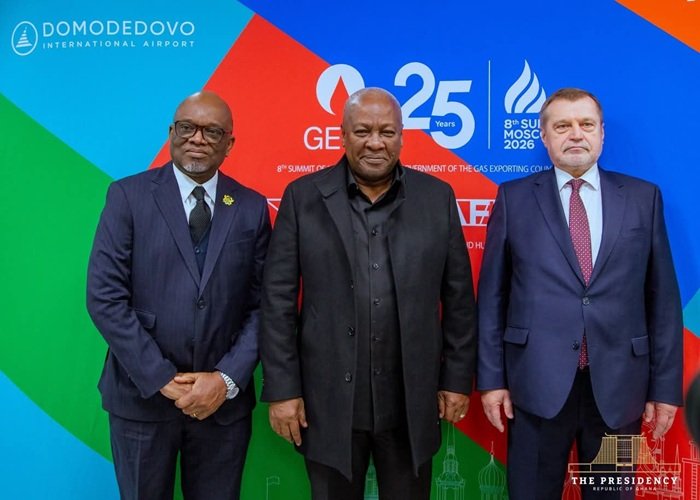
President John Mahama has arrived in Moscow, Russia, from Ethiopia to participate in the 3rd Russia-Africa Summit.
The summit is being hosted by Russian President Vladimir Putin.
During the visit, President Mahama will join fellow African leaders at the Economic and Humanitarian Forum and summit plenary sessions.
He is also scheduled to hold high-level bilateral talks with President Putin and attend a Kente exhibition organised by the Russia-Ghana Parliamentary Forum.
As part of the visit, the President will receive honorary doctorate degrees from the Russian University of Transport and the Peoples’ Friendship University of Russia.
He will also engage Russian businesses and state institutions to advance bilateral cooperation between Ghana and Russia.
By Edem Mensah-Tsotorme
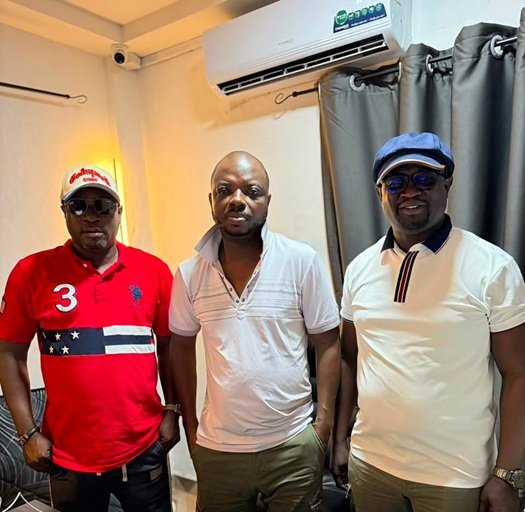
The Greater Accra Regional Organiser of the New Patriotic Party (NPP), Moses Abor, has met with the Bono Regional Chairman of the party, Kwame Baffoe, popularly known as Abronye DC, to address concerns arising from recent social media developments.
In a statement shared , Mr. Abor said he yesterday visited Chairman Baffoe over comments he made on his show, which had raised concern among some party activists.
According to him, he also engaged Charles Opoku Presidoo and ironed out grievances he had earlier held regarding the matter.
Mr. Abor said he was pleased that in the spirit of unity and the party’s shared commitment to return to power in 2028, they had a constructive conversation and addressed the concerns amicably.
“With the matter now resolved, I encourage all Party activists to let the matter rest and redirect our energy toward holding the NDC accountable for its failures and misleading claims,” he said.
He urged party members to continue making the case to Ghanaians on why Dr. Mahamudu Bawumia is the right person to lead the country in 2028.
By Edem Mensah-Tsotorme