Profile
Irene Nartey: Empowering single parents to live more productive lives


- /home/u249204778/domains/spectator.com.gh/public_html/wp-content/plugins/mvp-social-buttons/mvp-social-buttons.php on line 27
https://spectator.com.gh/wp-content/uploads/2021/09/IMG-20210901-WA0018.jpg&description=Irene Nartey: Empowering single parents to live more productive lives', 'pinterestShare', 'width=750,height=350'); return false;" title="Pin This Post">
- Share
- Tweet /home/u249204778/domains/spectator.com.gh/public_html/wp-content/plugins/mvp-social-buttons/mvp-social-buttons.php on line 72
https://spectator.com.gh/wp-content/uploads/2021/09/IMG-20210901-WA0018.jpg&description=Irene Nartey: Empowering single parents to live more productive lives', 'pinterestShare', 'width=750,height=350'); return false;" title="Pin This Post">
Raising a child is a difficult task especially for single parents who have to explore every possible means to help their children or wards succeed in life.
In view of this, the Reenart Foundation, a Non-governmental Organisation headed by Miss Irene Nartey, is trying to change the narrative by supporting mothers to take good care of their children.
The Founder, in an interview with The Spectator, said that the organisation had been supporting single parents since its inception and that they played an important role during the COVID-19 lockdown last year by giving emotional and financial support to single parents.
Foundation
According to her, the foundation was established out of her life encounters. Miss Nartey became a single mother after divorce. She recalled being pregnant at time of the break up – a situation which, she said, came with lots of stress.
Having endured this challenging moment to give birth to her child successfully, she started the initiative to support other women who could be going through unfortunate situations.
The organisation’s single parenthood project themed: “Not an Outcast but The Real Super Heroine” is aimed at preparing single parents especially women to take care of their children and help deal with negative social stereotypes.
She said the organisation had earmarked some financial packages and training programmes for single mothers in six regions namely Eastern, Central, Oti, Western North, Ashanti and Greater Accra regions.
“We want to kick start this project in September to avert the damage that has been caused by this epidemic called single parenting. We want women to know that single parenting is neither their fault nor that of their children,” Ms Nartey noted.
Training
She said that it was part of their plan to “improve the psychological welfare of single parents and give them the right mindset so they can start to build a fruitful life that would impact positively on their children.”
The programmes would include wig making, decor, bead making, basketry, among other handicrafts that would enable the women earn better livelihoods and income.
Ms Nartey lauded single mothers who, in spite of the odds, had provided the needed parental care to create better future for their children but maintainted that a lot more had to be done in empowering struggling single mothers, including teenagers who had become mothers against their will.
She said that negative social tags associated with single mothers could have “damaging effect” on the mental health of some women as well as their children who “suffer all sort of discrimination in society.”
Statistics
Quoting a survey conducted in 2014 by the Better Care Network, she noted that “one in every four children did not live with either of their biological parents.”
“About 24 per cent of children aged between 0-17 were living with only their mothers and five per cent with only their fathers.
“Most single mothers are based in rural/urban communities whose income is not enough to give the best quality of care to children who are malnourished and consequently a delay in their physical growth,” she stated and cited unplanned births, failed marriages, death of spouse, among other factors as part of the reasons some women turned single parents.
Background
Ms Irene Nartey, born to Madam Emmanuella Lawson and Mr.George Nartey, hails from Kodiabe in the Yilo Krobo District in the Eastern Region. She started basic education at St. Mary Junior High School and continued at Forces Basic School, Burma Camp.
Due to iil health, at the time, she did home schooling and later sat the West Africa Senior School Certificate Examinination (WASSCE) as a private candidate and excelled.
After working for a while at a private television station and radio station, she enrolled at Trans African University College to persue Bachelor of Science (Bsc) in Mass Communication.
Ms. Nartey runs Reenart Multimedia Company, a company that won the 2019 Event Brand Management award at the Entrepreneur Africa Awards held in Lagos, Nigeria. It again won Ladies in Business Magazine Award held in Dubai.
She owns an event production company which runs the African Wedding Makers Awards, a scheme that honours wedding service providers in Ghana.
She is keen on human resource development and building capacities of individuals but looks forward to making more positive impact through her foundation.
By Edem Mensah-Tsotorme


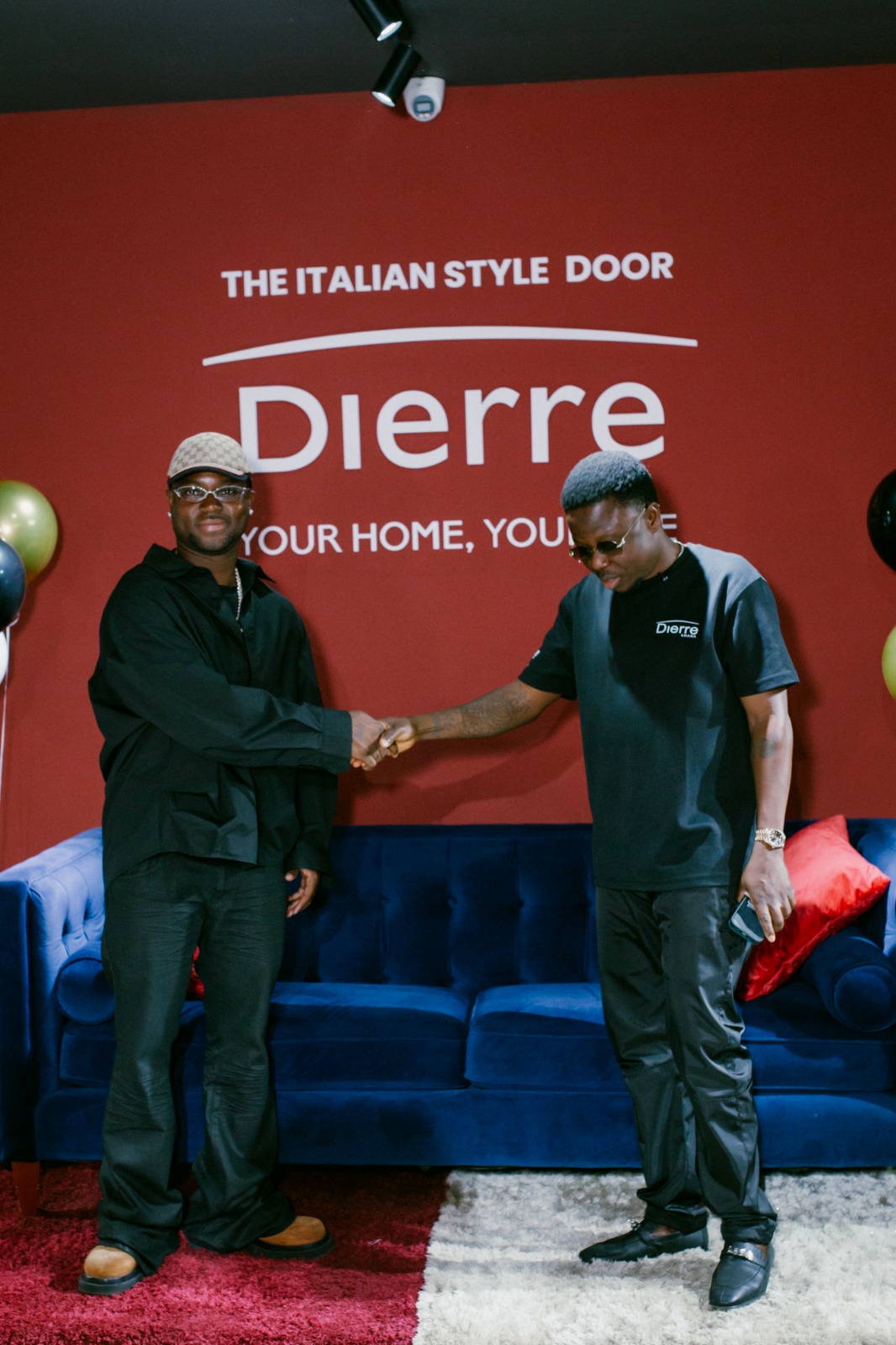
Italian premium security door manufacturer Dierre S.p.A. has named award-winning Ghanaian Afrobeats and Highlife artiste King Promise (Gregory Bortey Newman) as the face of its new Ghana and West Africa marketing campaign.
The partnership, managed by Regiments Management Company Limited, forms part of Dierre’s efforts to strengthen its presence in the West African market.
The two-week campaign, themed “Secure What Matters,” will run across digital, outdoor and influencer platforms, with King Promise featuring in a campaign film showcasing Dierre’s Prestige and Synergy security door ranges.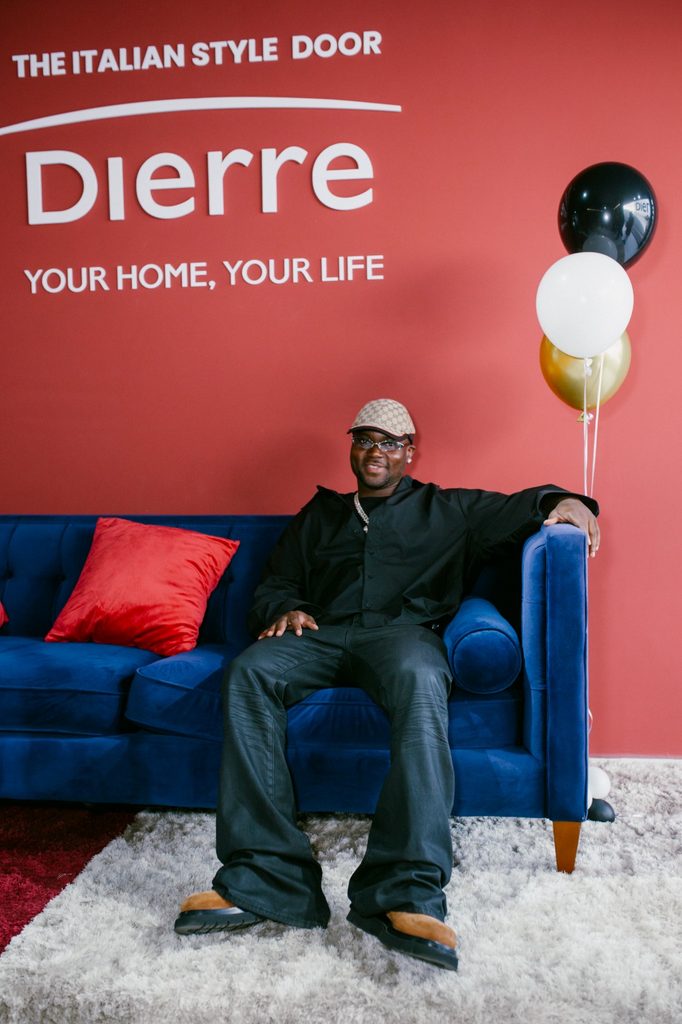
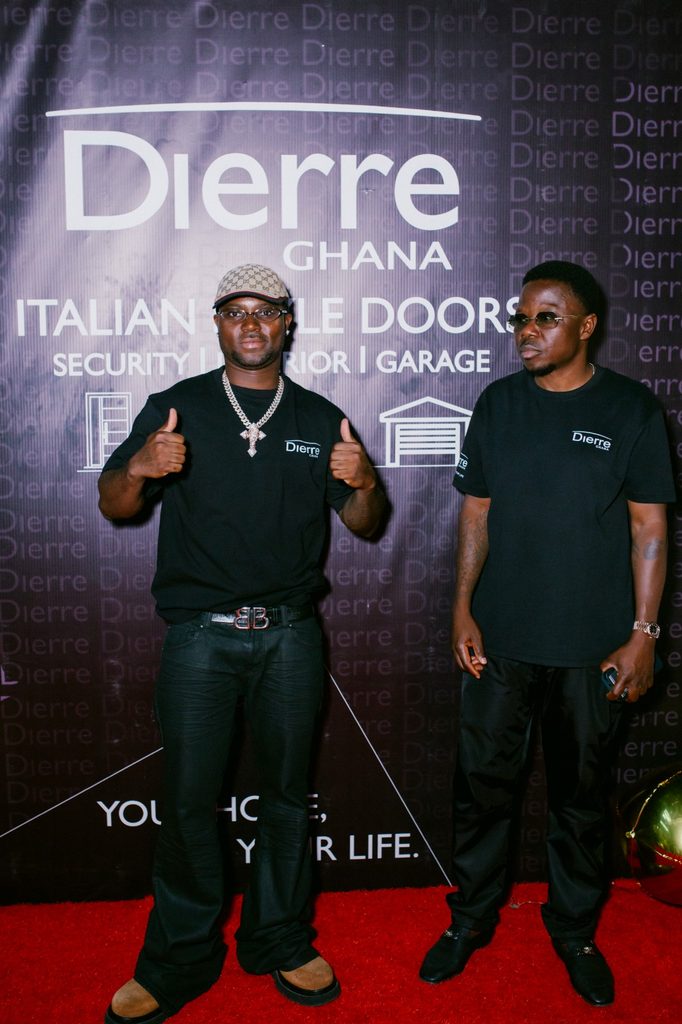
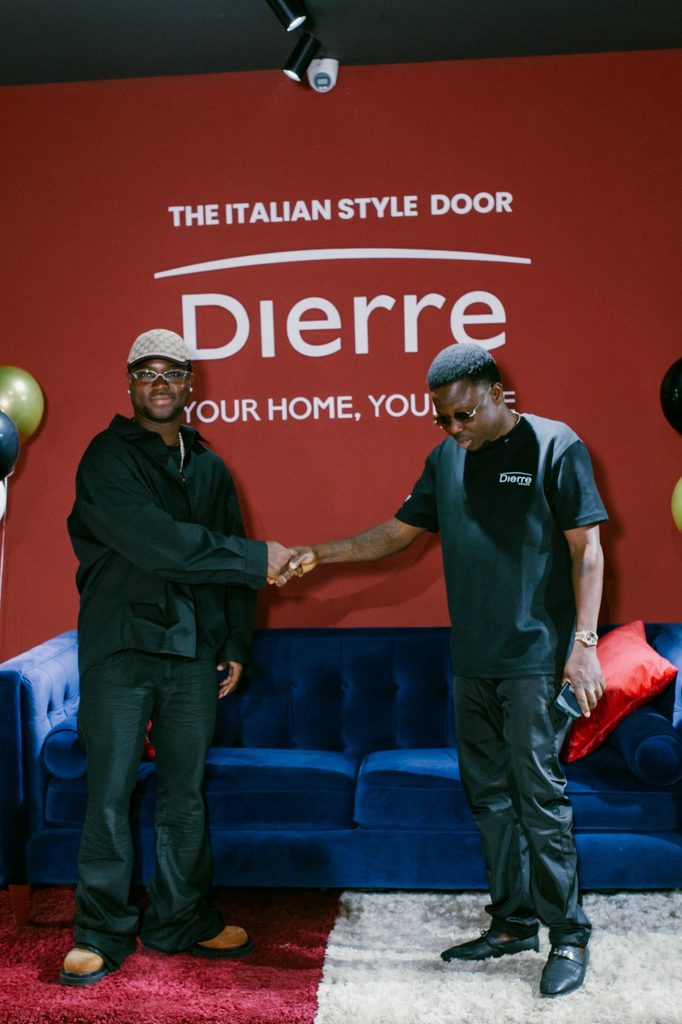
“Home is everything. It is where you protect the people and things that matter most. Dierre builds doors that reflect exactly that security, quality and style without compromise. I am proud to represent a brand that stands for those values,” King Promise said.
Founded in Italy, Dierre is a global manufacturer of armoured security doors, interior doors and fire-protection systems. Its products carry international anti-burglary certifications across Classes 3, 4 and 5, with the company producing hundreds of thousands of doors, locks and safes annually.
King Promise is one of Ghana’s leading Afrobeats and Highlife artistes, known for his distinctive sound, international collaborations and growing global audience.
The partnership combines Dierre’s security and design expertise with King Promise’s influence in contemporary African music and culture, as the brand expands its consumer engagement in Ghana and across West Africa.
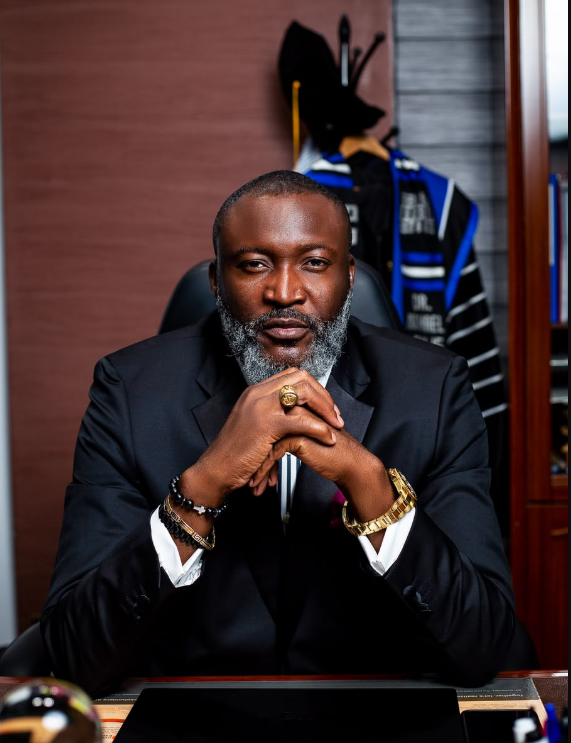
From humble beginnings to building an enterprise with global ambitions, Michael L. Bartlett-Vanderpuye’s journey is a story of discipline, independence, resilience and the belief that businesses should be built to outlive their founders.
Long before he became the Group Chairman of M&C Group, Michael L. Bartlett-Vanderpuye was building from modest beginnings.
His entrepreneurial journey did not start in a sophisticated corporate office or with a large team behind him.
At one stage, he was working from his room with limited resources, focused on turning an idea into a viable business.
That beginning became an important part of his philosophy: build the business first, then let the infrastructure grow with it.
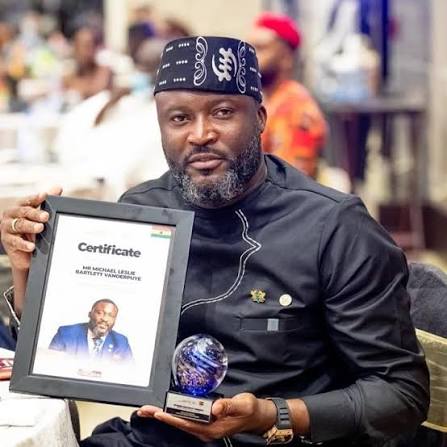
Michael’s early experiences shaped his determination to become an entrepreneur. After university and periods of professional employment, including banking, accounting, marketing, packaging and logistics, he developed a deeper understanding of how businesses operate and how different industries connect.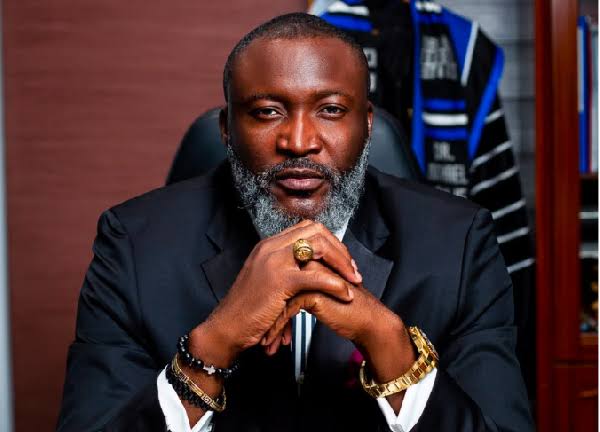
His exposure to mining advisory work, property and other commercial opportunities broadened his perspective and helped him identify opportunities beyond a single sector.
But the journey was far from easy.
He recalls the uncertainty of sending proposal after proposal without knowing which one would eventually open a door.
Even after establishing an office in East Legon, some people assumed he was working for someone else because they could not imagine that the business belonged to him.
The confidence and corporate presence associated with success today were built through years of uncertainty, rejection, experimentation and persistence.
His evolution from working out of a room to leading M&C Group reflects a broader philosophy that has guided his business life: do not build an image before you build the substance.
For Michael, entrepreneurship is not simply about owning a company. It is about learning how to turn knowledge, relationships, opportunities and resources into sustainable value.
He believes professionals in every field can develop an entrepreneurial mindset by creating assets, building networks, investing in opportunities and developing additional sources of value alongside their careers.
That philosophy has influenced the way he approaches business expansion. Rather than viewing companies as isolated entities, Michael sees opportunities to create connections between industries, people and services.
Strategic partnerships, in his view, can create greater value than treating every other business as a competitor.
His approach has also been shaped by research and international exposure. He argues that entrepreneurs must understand the markets they enter rather than simply copy businesses they see succeeding elsewhere.
Behind every successful enterprise, he believes, are structures, regulations, relationships, research and decisions that may not be immediately visible from the outside.
As his business interests have grown, so has his ambition. M&C Group represents a significant chapter in that evolution, reflecting his drive to build an enterprise that extends beyond a single venture.
His vision is rooted not merely in personal wealth, but in creating businesses capable of generating employment, developing people, building partnerships and contributing to the wider economy.
Michael is particularly concerned about the role of the private sector in addressing unemployment and creating sustainable opportunities. For him, a successful business should ultimately do more than enrich its owner. It should employ people, develop skills, support suppliers and create opportunities that extend beyond the founder.
That long-term perspective is central to his understanding of success.
He is cautious about equating visibility with achievement. In an age where social media can make a business appear larger than it is, Michael believes the real measure of an enterprise lies in its systems, customers, assets, operations and results. The brand should be supported by substance.
His personal journey has therefore become a lesson in patience and discipline. The man who once had to convince people that the business was actually his now speaks about building systems, protecting capital, understanding markets and thinking beyond the immediate reward.
And his ambitions do not stop with the present generation.
Michael describes legacy as something that should extend beyond his children to future generations. His objective is to build something sustainable-something that can continue creating value after he is no longer at the centre of it.
From a modest room and limited resources to the boardroom and the development of a growing business group, Michael L. Bartlett-Vanderpuye’s story is ultimately about building before displaying, learning before expanding and creating something designed to last.
His journey is a reminder that global ambition does not necessarily begin with global resources. Sometimes, it begins with little more than an idea, discipline, persistence and the willingness to start where you are. – MyStoryMagazine