News
South Africa-Ghana ties remain strong, Lamola affirms historic solidarity


- /home/u249204778/domains/spectator.com.gh/public_html/wp-content/plugins/mvp-social-buttons/mvp-social-buttons.php on line 27
https://spectator.com.gh/wp-content/uploads/2026/06/WhatsApp-Image-2026-06-11-at-12.29.15.jpeg&description=South Africa-Ghana ties remain strong, Lamola affirms historic solidarity', 'pinterestShare', 'width=750,height=350'); return false;" title="Pin This Post">
- Share
- Tweet /home/u249204778/domains/spectator.com.gh/public_html/wp-content/plugins/mvp-social-buttons/mvp-social-buttons.php on line 72
https://spectator.com.gh/wp-content/uploads/2026/06/WhatsApp-Image-2026-06-11-at-12.29.15.jpeg&description=South Africa-Ghana ties remain strong, Lamola affirms historic solidarity', 'pinterestShare', 'width=750,height=350'); return false;" title="Pin This Post">
South Africa’s Minister of International Relations and Cooperation, Ronald Lamola, says the bond between South Africa and Ghana is still strong, rooted in history and shared values.
Speaking on Joy FM’s Super Morning Show yesterday, Lamola praised the “enduring spirit of solidarity” that continues to shape cooperation between the two countries.
He recalled a moment when a prominent Ghanaian leader publicly defended South Africa’s sovereignty, dignity and territorial integrity during international scrutiny over its case at the International Court of Justice.
Lamola said that show of support reflects the deep historical ties, mutual respect, and shared commitment to justice and multilateralism that both nations stand for.
“Ghana and South Africa’s relationship is built on longstanding commitment to justice and respect,” he noted.
The Minister also addressed recent discussions around the issue, urging for facts over speculation. “The only issue we are clarifying is, as we deal with the situation, let’s deal with it factually and not misinformation,” he concluded.
By Edem Mensah-Tsotorme





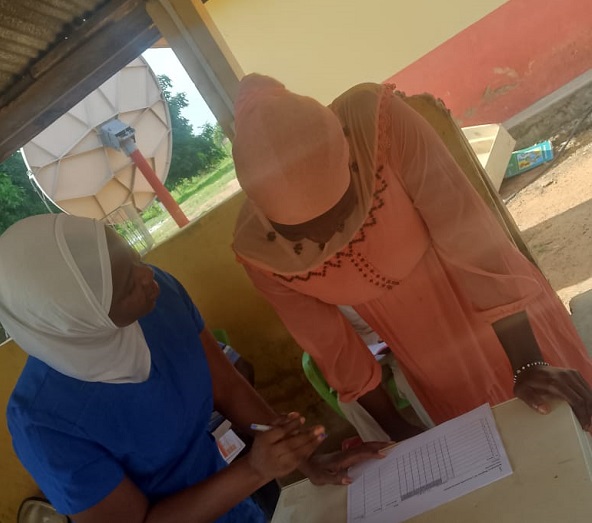
Across many rural communities, midwives continue to provide care in circumstances that tests their skills, patience and resilience.
They attend to women at all hours, manage emergencies, work with limited supplies and support mothers and newborns even when the resources available to them are far from adequate.
Their work may often go unnoticed, but for the mothers and babies whose lives they touch, the presence of a committed midwife can make all the difference.
At Jeffisi in the Sissala West District of the Upper West Region, demands of the job as a midwife meant that Hafisatu Sadik Gbanha does not close from work when she should.
Antenatal care (ANC) services at the facility officially ran from 8am to 2pm but labour and delivery cases could come at any time.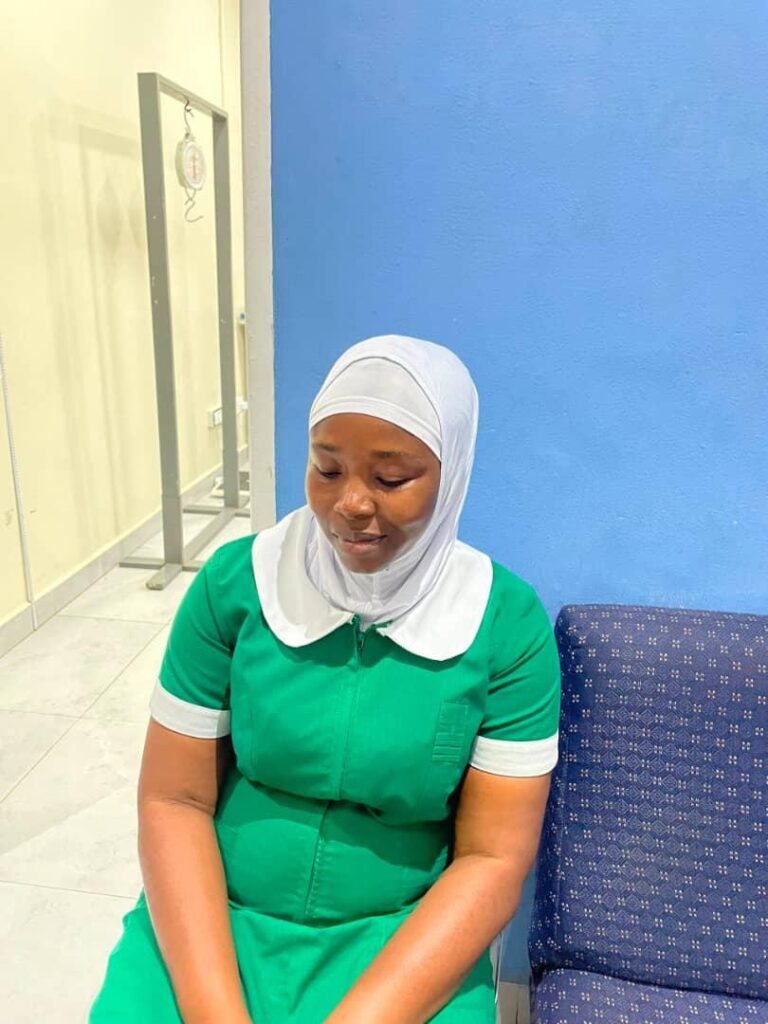
A woman in labour could arrive after the ANC session had ended, late in the evening or in the early hours of the morning, and Mrs Gbanha had to be ready to attend to her.
Sometimes, she works through the day and night, depending on the number of cases that comes to the facility.
“I used to live in the facility. ANC services start at 8am and end at 2pm. Labour and delivery cases were managed anytime they arrived. So I can work day and night alone depending on the number of cases that come to the facility,” she recalled.
Her experience gives an insight into the realities of maternal healthcare in rural Ghana, where midwives often have to work under demanding conditions while dealing with shortages of equipment, medicines and other basic supplies.
Mrs Gbanha identified lack of logistics, heavy workloads, overtime, stress and burnout among the major challenges she faces at Jeffisi.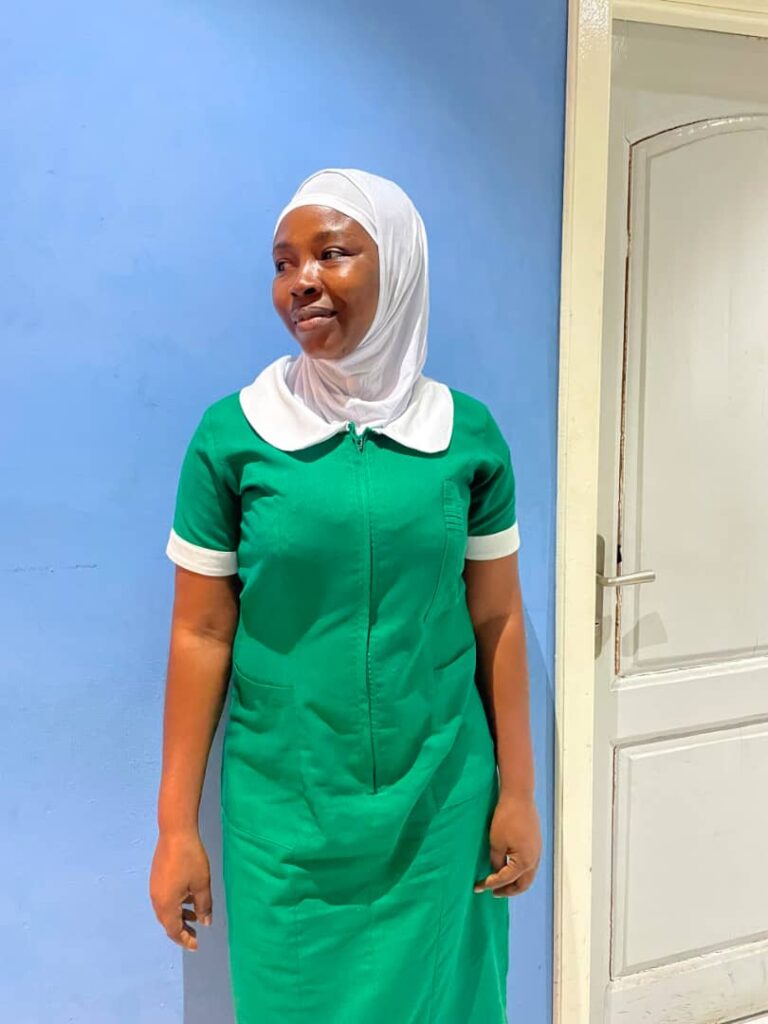
The situation, she said was made more difficult by poverty among some clients and poor road networks, particularly when women needed to be referred to higher-level facilities for further care.
At the facility, some essential items were unavailable, including a fetal Doppler, a standard delivery bed, gloves, basic life-support medicines and machines.
For a midwife handling a difficult delivery, the absence of such basic resources can turn an already challenging situation into a desperate one.
One particular delivery remains with Mrs Gbanha. It involved a woman carrying twins. One of the babies was presenting in a breech position while the other was presenting cephalically.
At the time, there were no gloves available. With the delivery needing immediate attention, Mrs Gbanha improvised by using rubber gloves.
Both babies were eventually delivered, although they had low birth weight. She recommended that the mother be referred for further management, but the woman declined.
Mrs Gbanha then initiated bonding, exclusive breastfeeding and kangaroo mother care for the babies. She also conducted home visits for two weeks to monitor the mother and her newborns. The twins are now two years old.
The experience, she said, reflects the difficult decisions rural midwives sometimes have to make when resources are limited and a patient needs care beyond what the facility can provide.
In such situations, early referral and reliable transportation to a higher-level facility are critical, yet arranging transportation and referrals can be a major challenge.
Mrs Gbanha said arranging referral could be very difficult citing poverty and poor road networks as major factors.
For women in rural communities, access to maternal healthcare can also be affected by factors outside the health facility.
Mrs Gbanha identified ignorance, lack of family support, including support from husbands, long distances and poor roads as some of the reasons women delay seeking antenatal and maternity care.
Such delays can have serious consequences when complications develop and urgent care is required. The consequences, she said, can include complications from disease conditions and, sometimes, loss of life.
Challenges
While much of the attention in maternal healthcare focuses on mothers and babies, the demands placed on the midwives providing such care is sometimes overlooked.
Rural midwives are faced with long working hours, heavy workloads, overtime and the pressure of dealing with emergencies which often takes a toll on them physically and emotionally.
This could lead to stress, depression and burnout, adding that rural midwives often receive little support.
Despite these difficulties, Mrs Gbanha said there are moments that make the work worthwhile.
She said seeing mothers and their babies healthy and happy remains one of her greatest sources of satisfaction while drawing strength from the trust that women place in her, particularly when former clients continue to call her by name for her services and assistance.
Those moments, she said, remind her why she chose the profession.
Way Forward
Mrs Gbanha urged government and policymakers to better understand the realities of working in rural communities and provide midwives with the resources and training they need.
“Rural midwives lack support and basic logistics and on-the-job training that will aid them carry out their duties,” she said.
She called for greater support for rural midwives, including basic logistics and regular on-the-job training.
By Esinam Jemima Kuatsinu
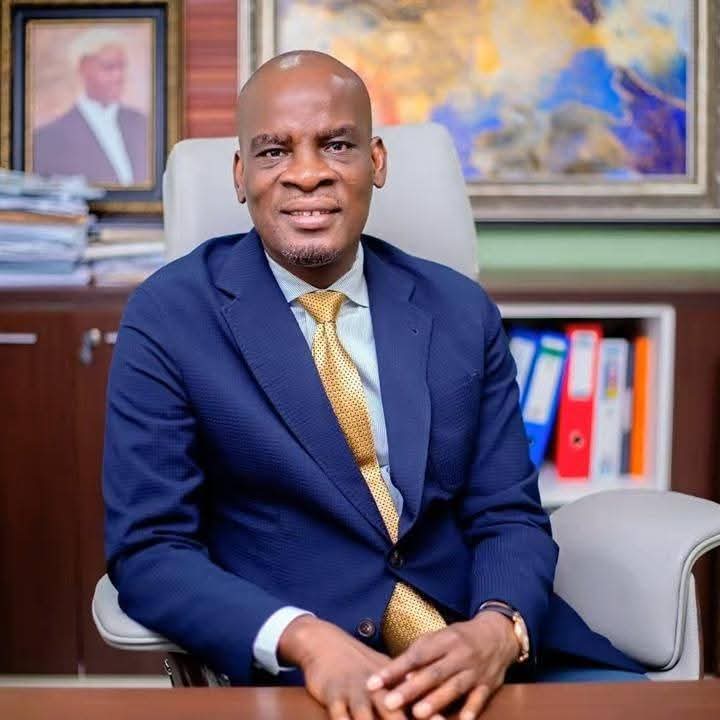
The Ministry of Education has condemned the alleged sexual abuse of a 14-year-old student with autism at Bolgatanga Girls’ Senior High School (BOGISS) in the Upper East Region.
The ministry, in a statement issued on August 20, 2026, indicated that two watchmen employed by the school are alleged to have sexually abused the student.
It described the incident as unacceptable and stressed that schools must protect and care for students, particularly children who are vulnerable.
The ministry made it clear that the student cannot be blamed for the alleged abuse.
“The Ministry wishes to state unequivocally that a minor cannot be held responsible for sexual abuse perpetrated against her by an adult,” it stated.
The Minister for Education, Haruna Iddrisu, has directed the Ghana Education Service (GES) to investigate the matter and submit a report immediately.
He has directed the GES to ensure that the student receives the necessary medical care and counselling to support her recovery.
The ministry further directed that the student’s boarding status at BOGISS be restored immediately.
It assured the student’s family and the public that it would work to ensure that justice is served.
The ministry described the incident as an act of indiscipline and reaffirmed its commitment to protecting the safety, dignity and rights of students in schools across the country.
By: Jacob Aggrey