Features
The passport to hell

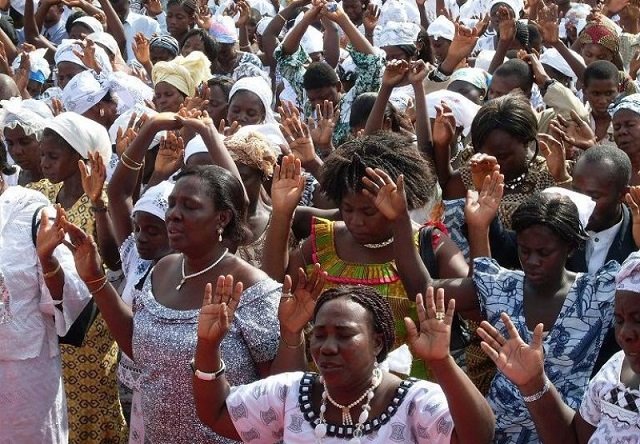
NATIVES of Sikaman are very religious people. Procure a Bible, hire an interpreter, get four benches, a chair, table and two candles and arrange them like you see in a church room. You have established a church and the natives will start coming to you for consultation. The ladies will come around mid-night if you ask them to.
Getting followers is normally not a problem but if you are finding it difficult, you only have to learn to be a good dancer so that your floor shows will be a side attraction.
Start a funky Christian hymn and dance in accompaniment. An old retired witch passing by is likely to join you. She wants last minute salvation. For sure, a civil servant wanting to fight VAT spiritually will also join the fold with his own brand of kpalogo. A church has indeed been born.
The demise or survival of such a mushroom church will, however, depend on the competence, cooperation or roguery of the interpreter. If for instance he is not properly fed before a church service, he can decide to give his own interpretations to reflect the extent of his stomach palaver. It is, in fact, a form of strike action Kumi Preko!
“You are standing on holy ground”, the pastor will say. “If you don’t receive your miracle and healing here, then Jesus is not alive. So long as Jesus is alive, no disease, no problem will come here and go back unsolved. Halleluyah!”
The hungry interpreter who wants to subvert the process of the new church will interpret thus “The pastor says this is a church for idiots and those who are idle and have nothing doing. It is also a church for those who want entertainment like you can get in the discos. Meanwhile he says the service is becoming boring so if you’re feeling sleepy you can go home and sleep”.
The pastor will immediately sense foul play and will call the interpreter aside to ask him whether he is normal.
Are you mental?” he’d ask.
“You gave me only one ball of kenkey so whatever you were saying didn’t enter into my ears”
“Did you use the kenkey to seal your damn ears?”
“No, I mean it was not sufficient for my stomach”.
“So if I give you three balls can you handle the job?”
“Yes, but if you make it four, I’ll not make any mistake again. But the fish must be double, or else I’ll develop kwashiorkor”.
With the increase in the ration of the almighty interpreter and a rise in his Sunday stipend, the church gains ground and before long, membership increases with beautiful women in the majority. They have got problems that can only be solved at the beach at midnight.
Yes, most women go to church for various reasons among which are learning to dance, seeking marriage, courting potential boyfriends, making business smooth and flowing and seeking healing for fibroids. Some women also go to avoid their sexy husbands who always desire to start climbing them as early as 7.30 p.m. By the time they return from the evening service such husbands are tired of waiting and resort to snoring.
Men also are not left out of the Christian show. They attend to pray so that God can reveal to them whether their wives are witches or not, because since marriage, they have not prospered. They’ve tried everything including lotto, but still … There must be setting behind!
Well, prosperity or not, Christian churches have been established all over the place. At Ashaiman alone, there are about 500 churches or Christian sects, some fellowshipping in converted kitchens and under trees. Many are breakaway factions but they all have the same objectives together with the orthodox churches that is SAVING SOULS. But are Ghanaian churches really saving souls?
Whether orthodox, spirito-charismatic charismato-magical, almost all churches in Sikaman have tragically deviated from the virtues of soul winning and now concentrate on financial matters.
Luckily, one man of God, Reverend J. K. Atto-Brown who obviously was becoming embarrassed by the unbridled and unwarranted ways of ministers of the word who concentrate more on money than saving souls, spoke his piece of mind.
“It is a well-known fact that a greater part of our worship time is often devoted to fund-raising activities, while very little attention and time is given to the spiritual message to feed the souls of members”, he said.
Reverend Atto-Brown also observed that the method used by churches to collect monies from their members clearly shows how Satan could easily adulterate spiritual worship with materialistic concerns.
Not long after he spoke his mind, another Reverend Minister, Francis Botchway, lambasted ministers of churches for using too many methods to collect monies from their members.
In fact, financial issues have gained priority in our churches to such extents that organizing offerings and collections have become major activities of the modern church. The sermon is hurriedly preached to give way to more serious matters – silver collection, etc.
Members are compelled to donate towards the building of a new church house that never gets built, a-new organ that never gets bought, pastor’s welfare, pastor’s transfer, harvests, funerals, tithing and sundry others.
Contributing to some of these things isn’t a bad idea but anything which becomes compelling, straining and excessive to the point that members are distressed and feel exploited is not good for the church.
Moreover, a large percentage of these monies are not properly accounted for and pastors often quarrel with their church elders over embezzlements of church funds and the like.
The whole palaver has become one suggesting that you have to pay money to get salvation and a visa to heaven, which must not be the case. Salvation is free. It also suggests that if you are poor then you better stay at home and go to hell. Poverty, therefore, becomes a passport to hell.
Anyway, the self-appointed Reverend Kofi Kokotako recently told me that there is no place for the poor man in heaven because heaven is a luxurious joint. The guy is not serious.
Anyhow, our Christian churches need to be reformed. The exploitation must stop so that even the poor can have the chance of getting salvation. Worshipping God must not be another luxury. Must It?
This article was first published on Saturday May 27, 1995





Conflict at work is more common than you might think. According to 2022 research by The Myers-Briggs Company, more than a third of the workforce reports dealing with conflict often, very often, or all the time in the workplace. The same report found that managers spend an average of four hours per week dealing with conflict, and nearly 25 per cent of people think their managers handle conflict poorly or very poorly.
Addressing a dispute might feel tense or awkward, but resolving the conflict is typically well worth it in the long run. Whether you’re trying to mediate conflict between colleagues or are directly involved, here are seven steps you can take to manage workplace conflict.
1. Don’t put it off
Facing conflict head-on is hard. However, waiting too long to address it can negatively impact your emotional well-being, focus, and the entire office environment. If you’re feeling angry, letting that emotion fester can also escalate it over time. This can make you less responsive to other points of view and make it harder to resolve the issue.
The sooner you can address the conflict, the better it will be for you, the person you disagree with, and your entire team.
2. Learn all you can about the problem
It’s important to determine the type of conflict you’re dealing with. Begin by considering the cause of the conflict. For example, ask yourself whether someone said something that upset you or if you have emotions of anger and resentment that stemmed from something that happened.
Then try to identify if it’s a task, relationship, value, or team conflict. Once you know what type of conflict it is, you can work to resolve it with specific tactics for that situation.
If you skip this step, you may waste time or escalate the situation further by trying to address issues irrelevant to the real conflict.
3. Actively listen
Listen attentively when people share their side of the story. Active listening is one of the most valuable professional skills you can possess. This type of listening involves not only hearing what the other person is saying but also listening to understand their point of view.
No matter your role in conflict, it’s easy to begin sharing your opinion with little regard for the other people involved. However, it’s important to learn about all sides of a disagreement to make well-informed decisions before drawing conclusions.
To reach a resolution, you must step back and prioritize listening over talking. Ultimately, that will encourage the other person to do the same when it’s your turn to speak. –source: betterup.com
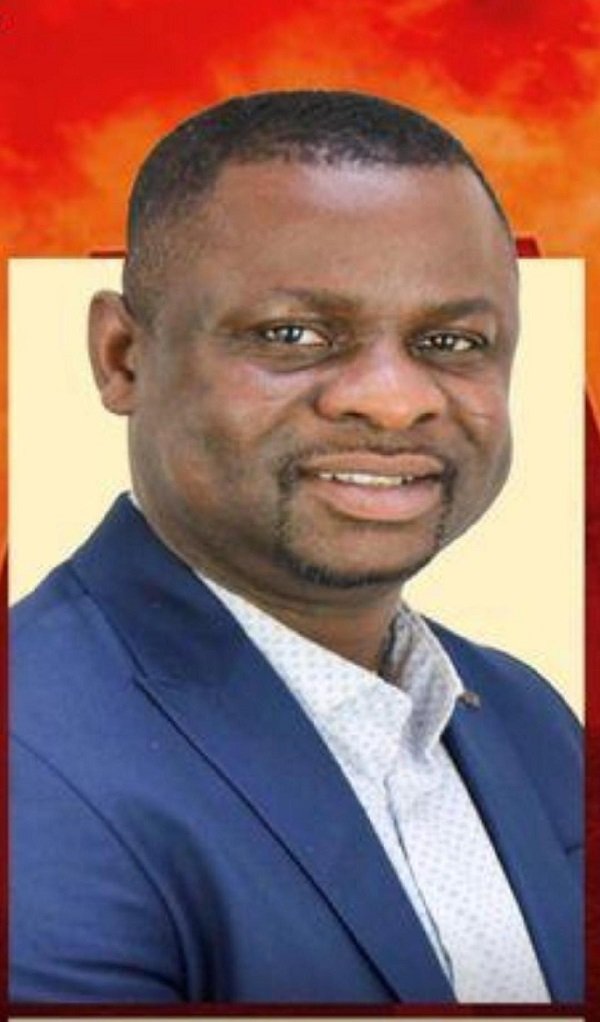
Today, I focus on the Temple Of Praise Ministries International (TOP Church) in Helsinki, as I continue my description of personalities or institutions and their accomplishments as members of the Ghanaian Diaspora in Finland.
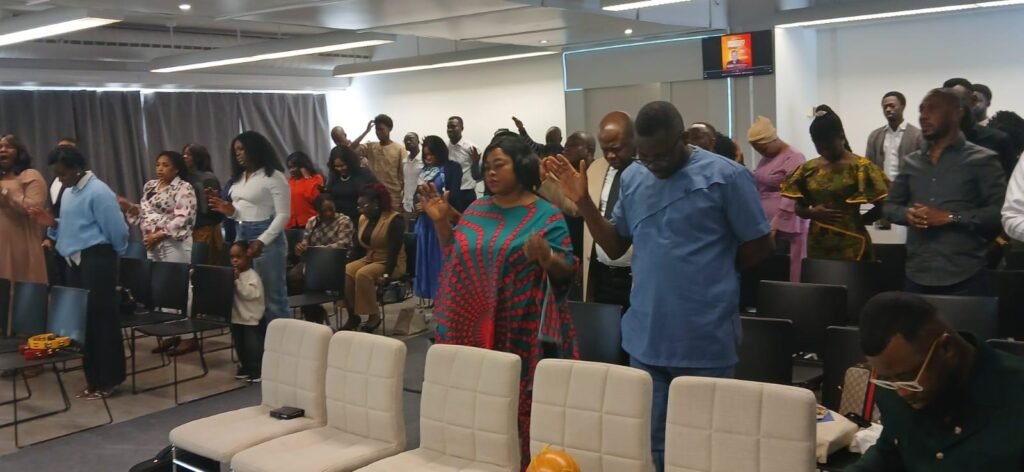
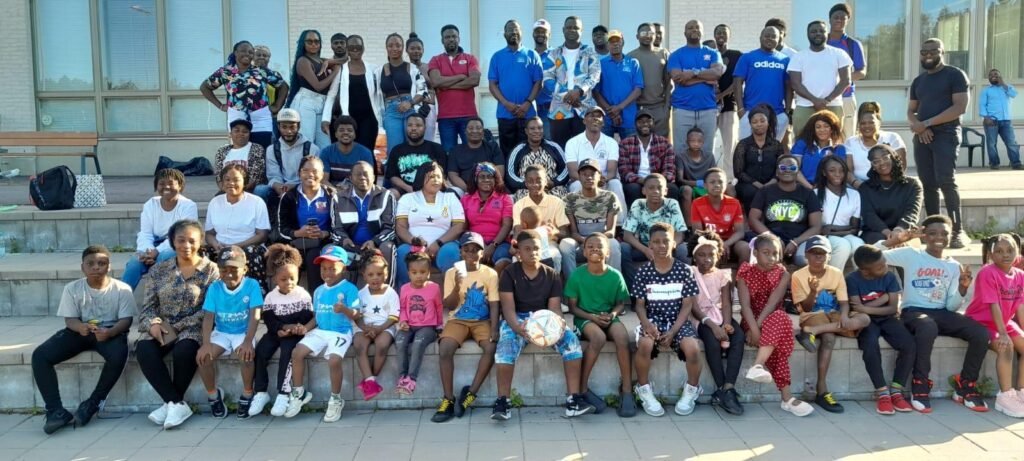
The TOP Church in Finland has seen significant strides and accomplishments that must be made known to the public. 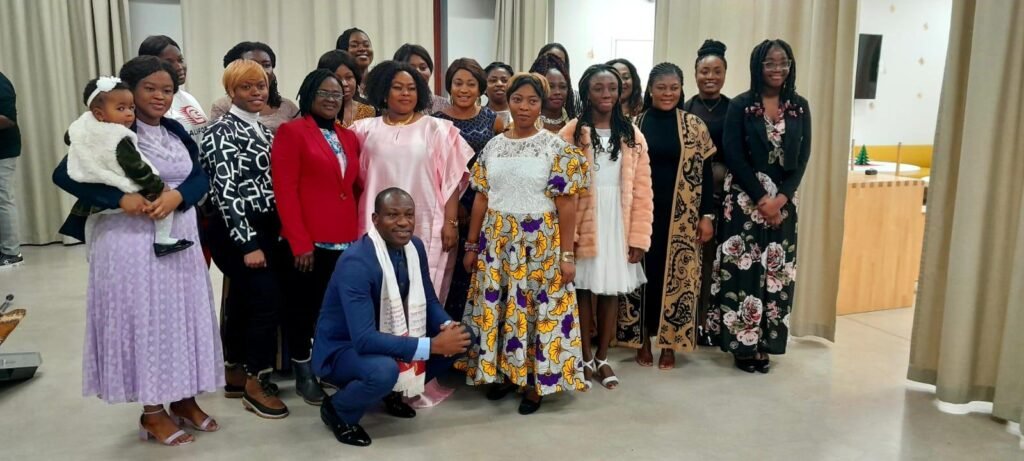
Some history
The Church was established in Finland in September 2016. Since its inception, it has steadily grown both spiritually and numerically, by the grace of God, as disclosed to me by Mr Matthew Anini Twumasi, the Presiding Elder of TOP’s branch in Finland. The TOP Church has other branches across Africa, Europe, and America.
The Church in Finland was founded with a vision to create a welcoming and dynamic community where people could experience God’s love and grace (see, www.topchurchfinland.org). According to Presiding Elder Matthew, the TOP Church operates within a unique environment where Christianity coexists with what is seen as a largely secular society.
Despite this, he submits, there are significant opportunities for outreach, unity, and demonstrating the love of Christ through service and community engagement.
Activities
Church services at the TOP Church are typically held on Sundays for the main worship. In addition, there are mid-week prayer sessions, Saturday prayer services, and a half-night service held on the last Friday of every month. “We also organise quarterly programs”, Elder Matthew added.
His impression of the Church so far has been positive. “It is a vibrant and welcoming community where members are committed to worship, fellowship, and supporting one another in faith”, he stated.
In sum, Elder Matthew said the Church continues to grow by God’s grace. “We remain hopeful and committed to spreading the Gospel, strengthening the faith of our members, and making a positive impact in society”, he continued.
Achievements
The TOP Church has a number of achievements and achievements. Some of the strengths include strong community bonds, cultural diversity, and deep commitment to spiritual growth.
I also remember that during the COVID-19 period, I heard that the TOP Church was one such bodies that hugely supported its members and others to cope with the situation.
According to Elder Matthew, the challenges facing the church include “adapting to cultural differences, engaging the younger generation, expanding outreach in a secular society, and securing a permanent place of worship”.
Role in the Ghanaian community in Finland
The TOP Church plays a prominent role as a religious group that serves Ghanaian migrants and others in the Finnish society.
Thus, the TOP Church is a religious body for Ghanaian migrants in Finland and other nationalities who want to worship with them for diversity and better intercultural and multicultural understanding.
The Church also has mechanisms in place to support its members who are bereaved as a way to commiserate with them in times of death and funerals.
The Ghanaian community has played a vital role in the growth of the Church. Their strong sense of fellowship, dedication to worship, and active participation have helped build a solid foundation and attract others to the ministry, according to Elder Matthew.
Integration
By its activities, the TOP Church is helping to ensure integration of its members well into the Finish society.
This is important since social interaction and citizens’ well-being are an important part of the integration process.
The role of migrant associations and groups such as TOP Church acting as bridge-builders for the integration and inclusion of migrants through participation in the decision making process and by acting as a representative voice is highly appreciated in Finland. Thank you!
GHANA MATTERS column appears fortnightly. Written in simple, layman’s terms, it concentrates on matters about Ghana and beyond. It focuses on everyday life issues relating to the social, cultural, economic, religious, political, health, sports, youth, gender, etc. It strives to remind us all that Ghana comes first. The column also takes a candid look at the meanings and repercussions of our actions, especially those things we take for granted or even ignore. There are key Ghanaian values we should uphold rather than disregard with impunity. We should not overlook the obvious. We need to search for the hidden or deeply embedded values and try to project them.
With Dr Perpetual Crentsil

 Entertainment1 week ago
Deals, Crowds, and Big Wins: Dulcie Boateng’s Porials Pitch 2026 Returns This Weekend
- News3 days ago
Okudzeto Ablakwa engages South African International Relations Minister over Xenophobic attacks
- Entertainment1 week ago
Guinness Ghana Introduces GH¢100,000 Prize for TGMA Album of the Year Winner