News
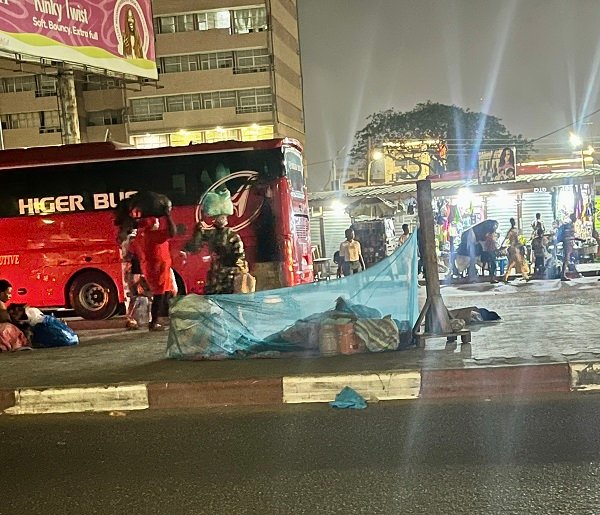
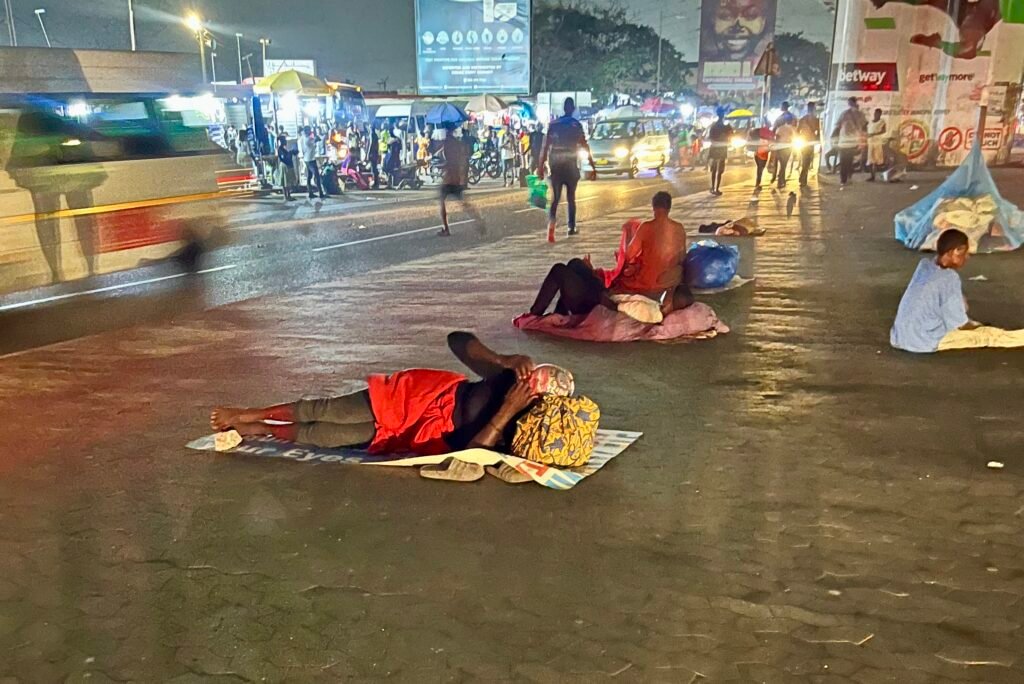
Streets of Accra: Home for the Homeless

- /home/u249204778/domains/spectator.com.gh/public_html/wp-content/plugins/mvp-social-buttons/mvp-social-buttons.php on line 27
https://spectator.com.gh/wp-content/uploads/2026/02/Some-homeless-people-sleeping-under-the-Kwame-Nkrumah-Interchange.jpeg&description=Streets of Accra: Home for the Homeless', 'pinterestShare', 'width=750,height=350'); return false;" title="Pin This Post">
- Share
- Tweet /home/u249204778/domains/spectator.com.gh/public_html/wp-content/plugins/mvp-social-buttons/mvp-social-buttons.php on line 72
https://spectator.com.gh/wp-content/uploads/2026/02/Some-homeless-people-sleeping-under-the-Kwame-Nkrumah-Interchange.jpeg&description=Streets of Accra: Home for the Homeless', 'pinterestShare', 'width=750,height=350'); return false;" title="Pin This Post">
Every morning in Accra, particularly around Kwame Nkrumah Circle, a troubling scene repeats itself. Children who should be preparing for school instead weave through traffic, knocking on car windows, and begging for coins.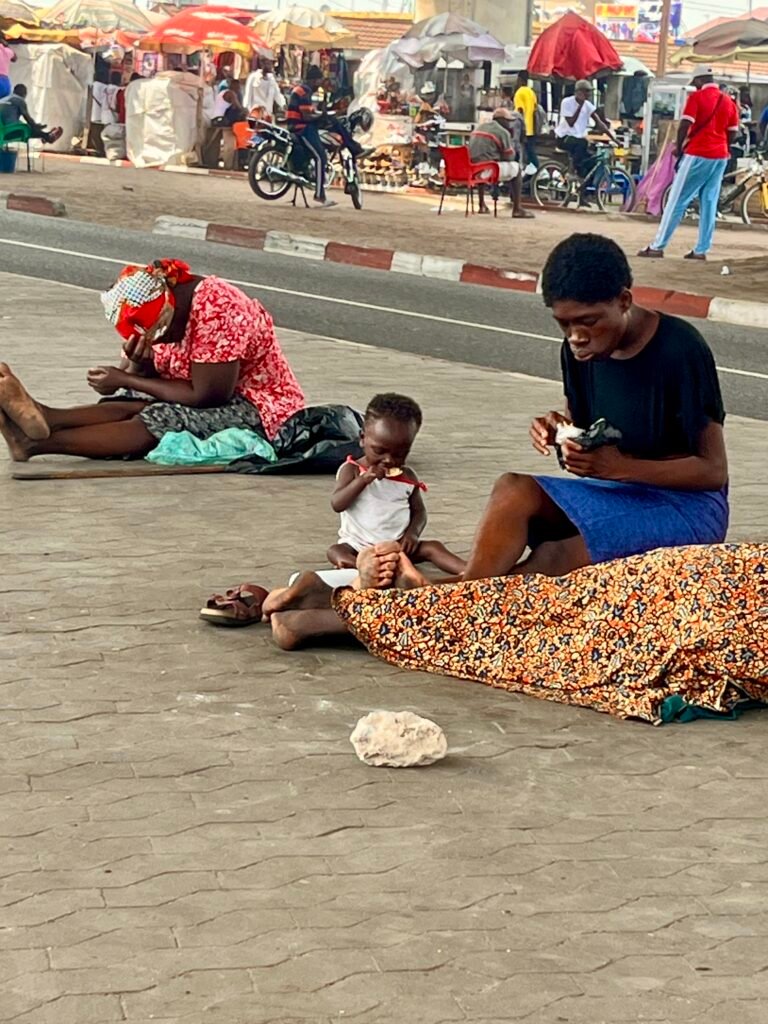
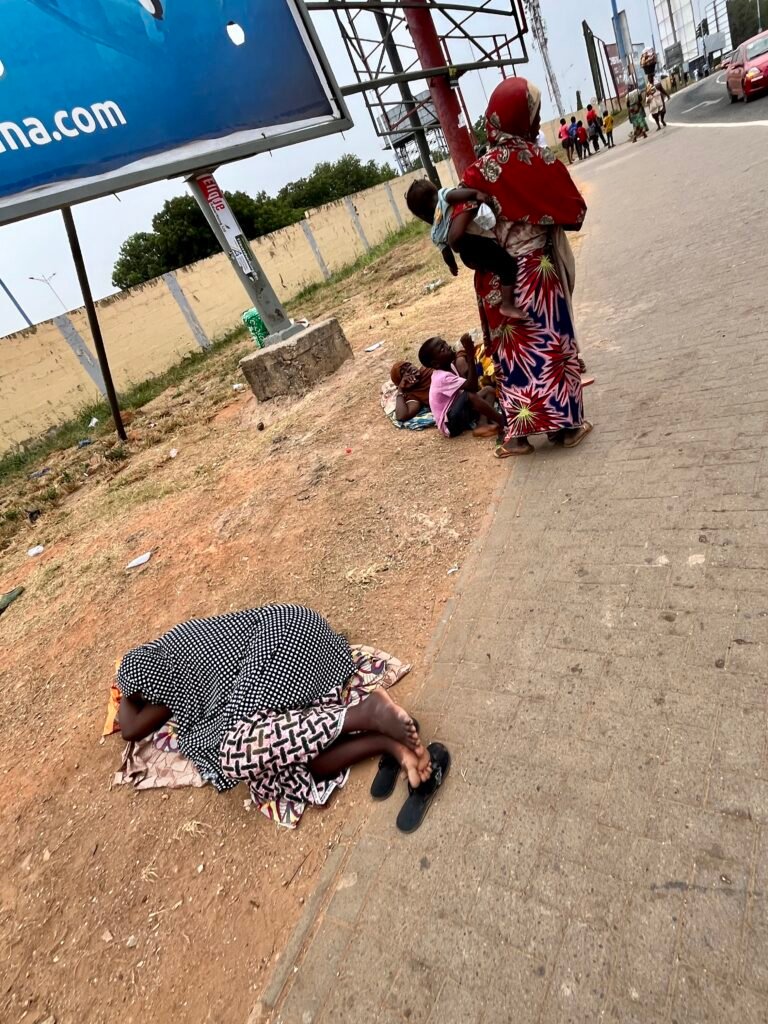
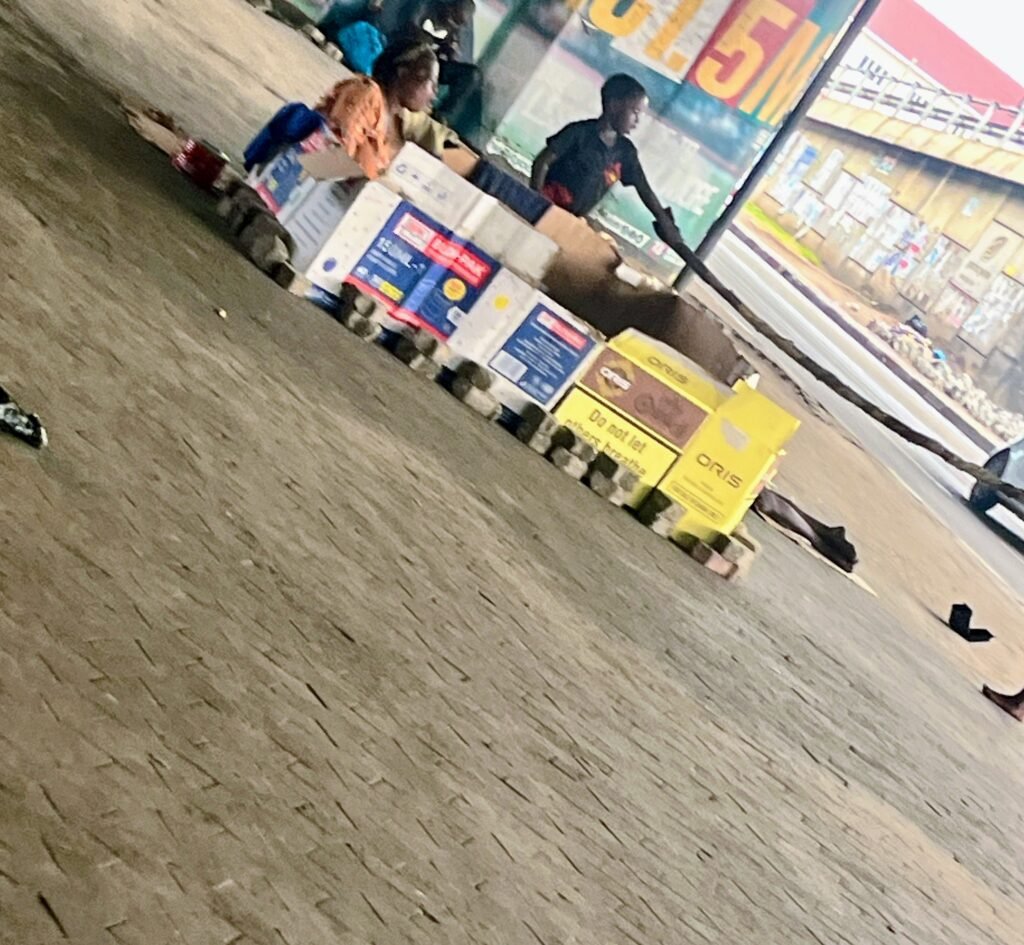
From Circle to Kaneshie, Tema Station, the Central Business District, and the 37 Military Hospital area, these young faces reflect a growing social crisis that Ghana can no longer pretend is solved.
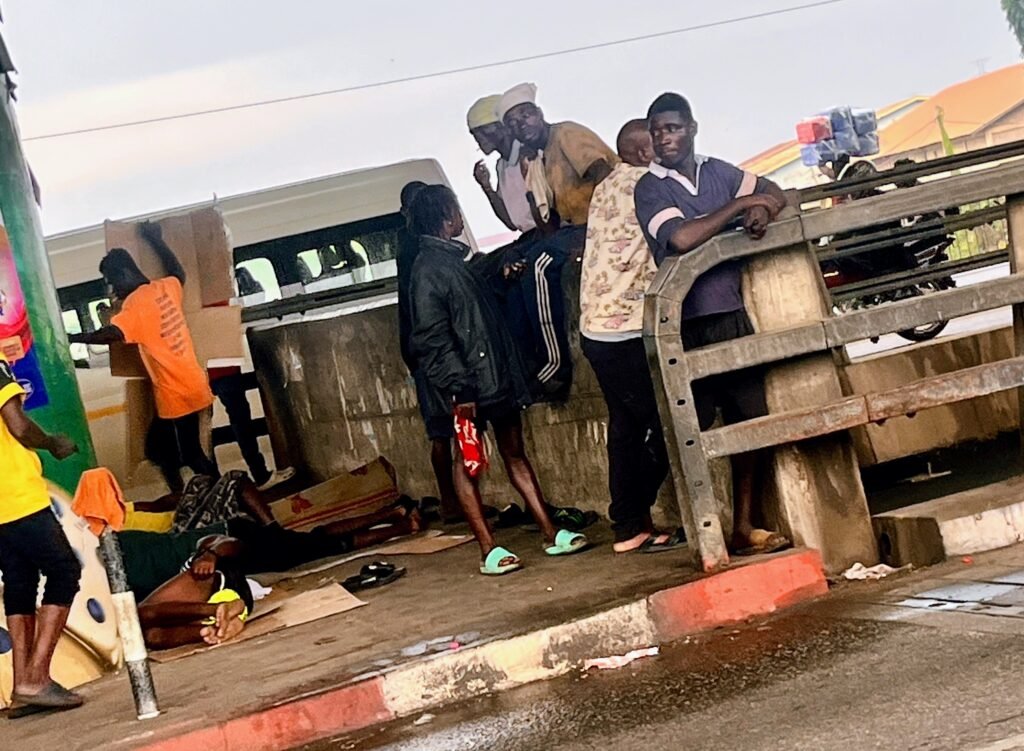
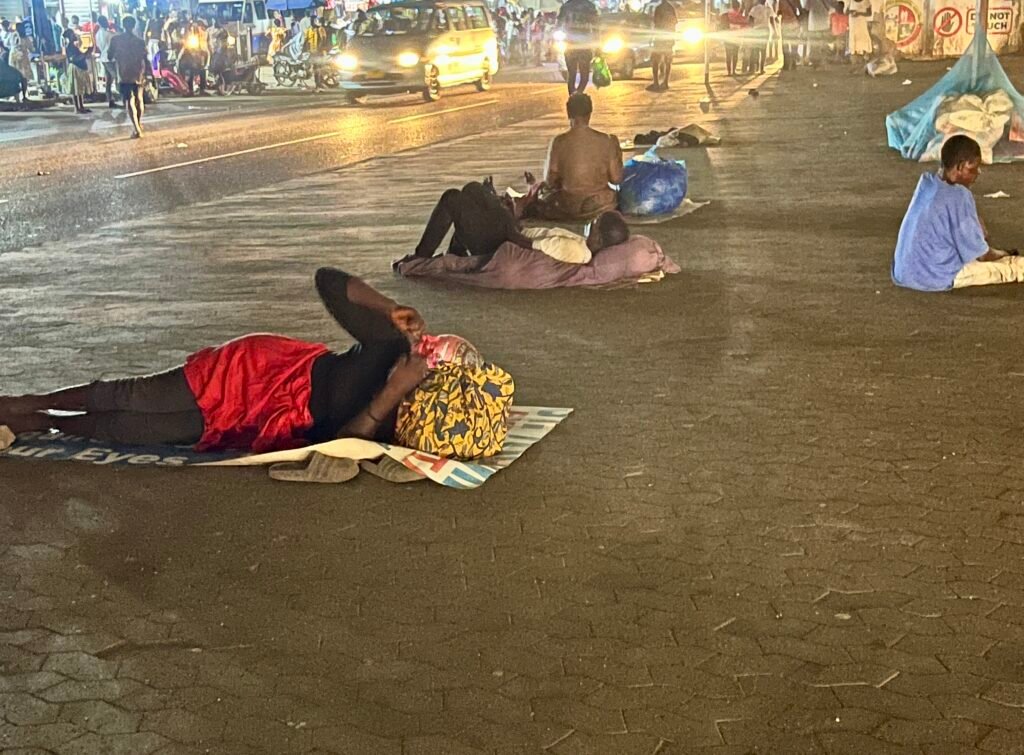
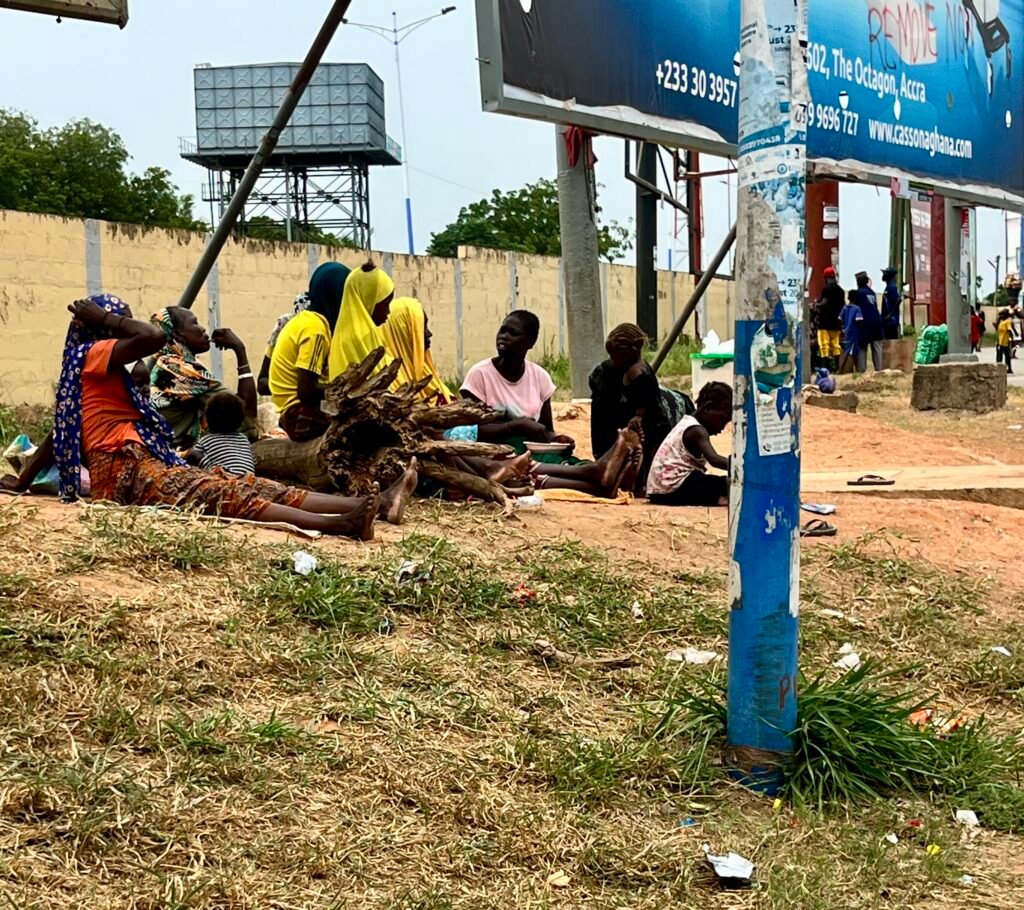
Many of these children—and some mothers—sleep in front of shops, on pavements, or under footbridges. When night falls, cardboard replaces mattresses, and hunger replaces comfort. Some cook whatever they can find—discarded food, roadside leftovers, or partially spoiled items from refuse dumps. This exposes them to diseases, abuse, drug use, and human trafficking, turning survival into a daily danger.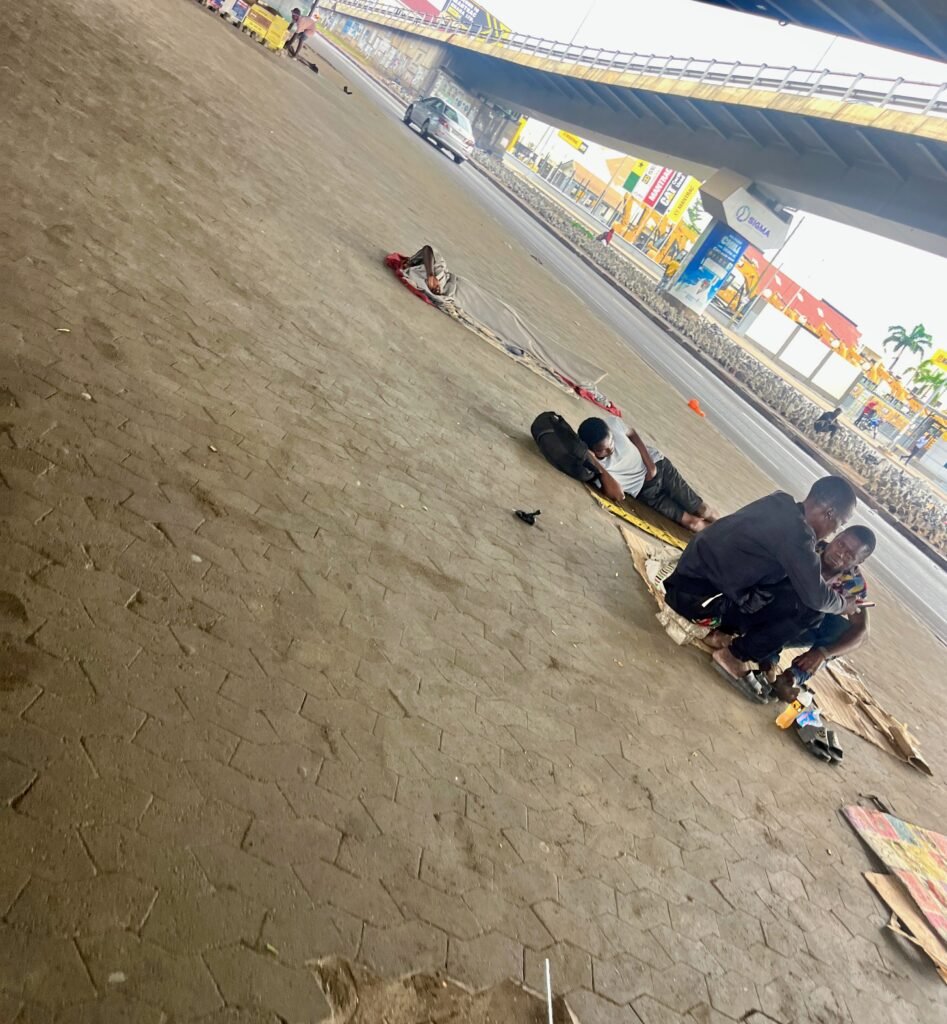

Street life is stealing their future. While other children carry school bags, these ones carry fear and hardship. Without education, counselling, and care, they are pushed into labour, crime, and long-term poverty. The street becomes their classroom, but it teaches only struggle, not opportunity.
This is a matter for the government, Accra Metropolitan Assembly (AMA), and other municipalities across the country. The menace persists in various regions and must be treated as an emergency.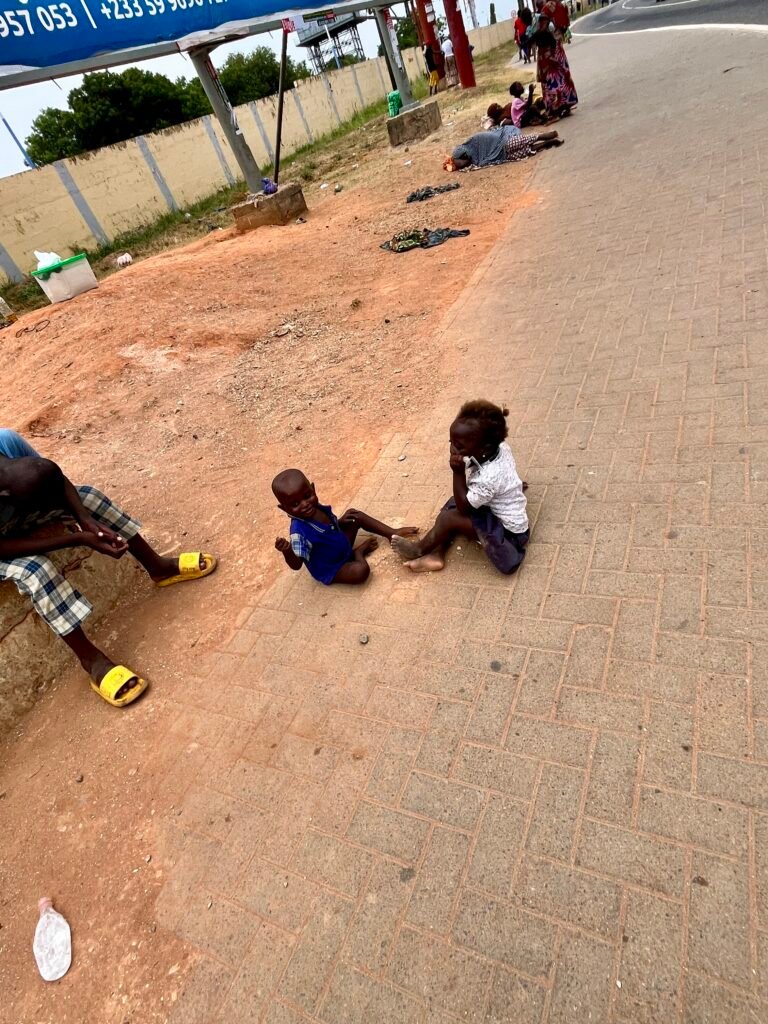
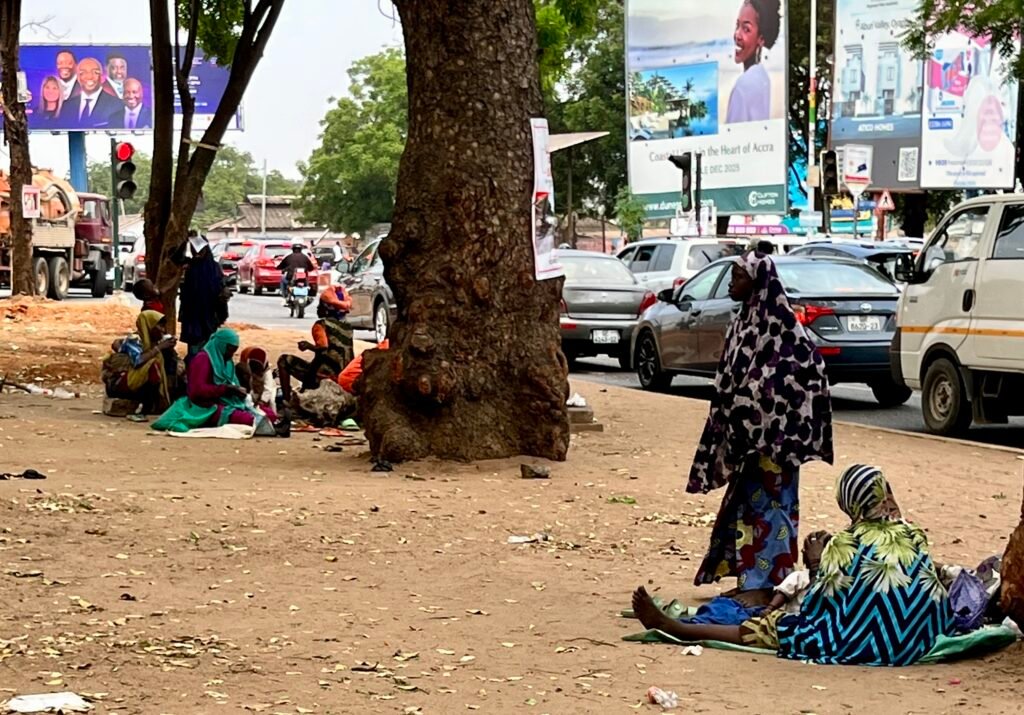
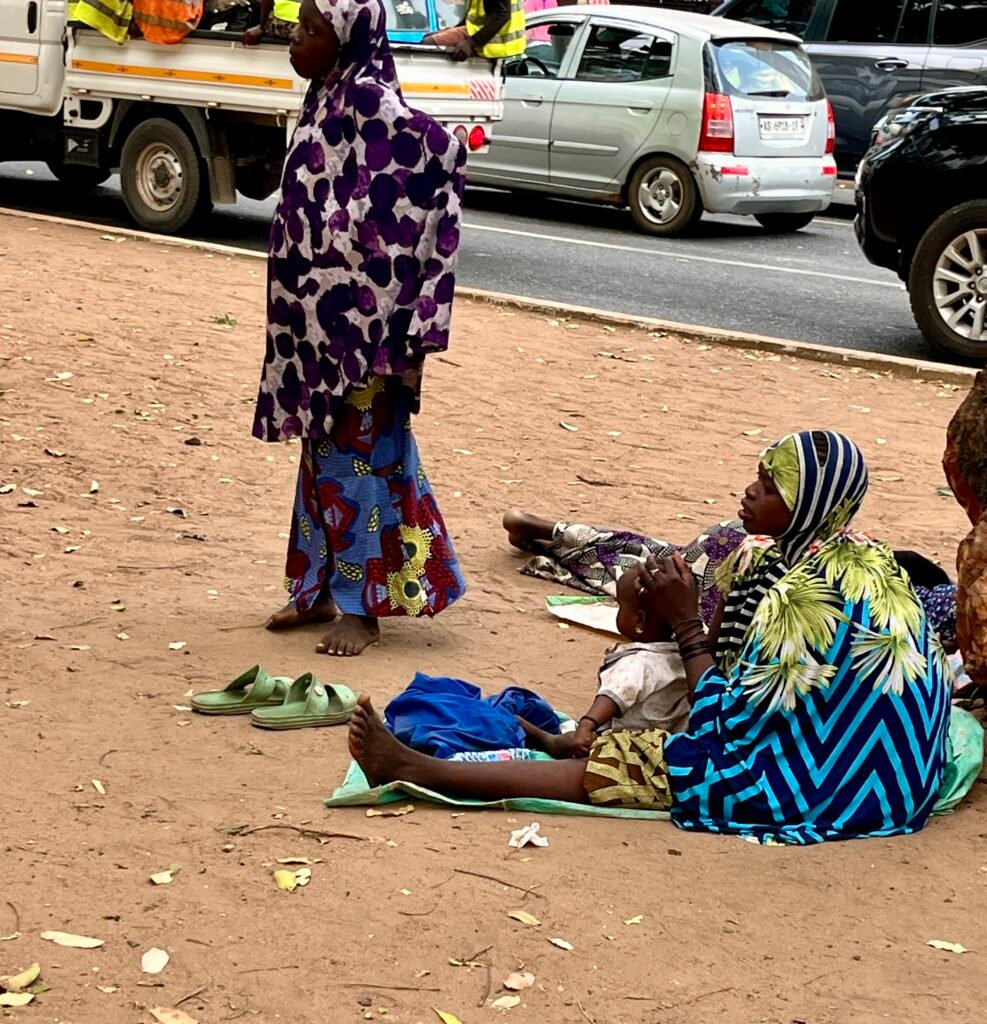
There is an urgent need for more shelters, feeding programmes, rehabilitation centres, and compulsory reintegration into school. Social welfare officers must patrol hotspots like Circle regularly—not only during special exercises.
Communities, parents, NGOs, and traditional leaders also have a role to play. Poverty, migration, and family breakdown drive children onto Accra’s streets, but cooperation can pull them back.
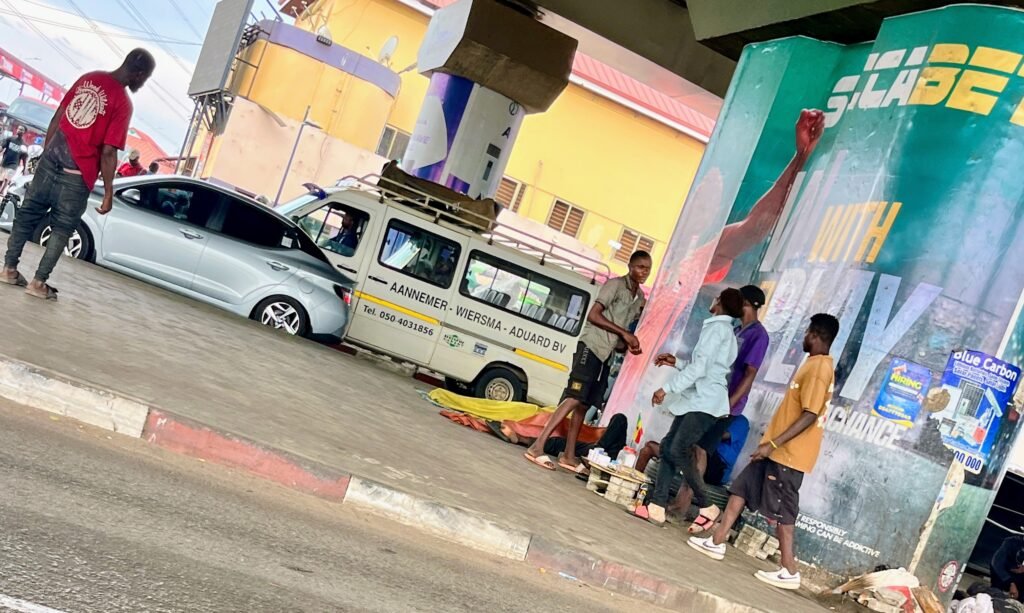
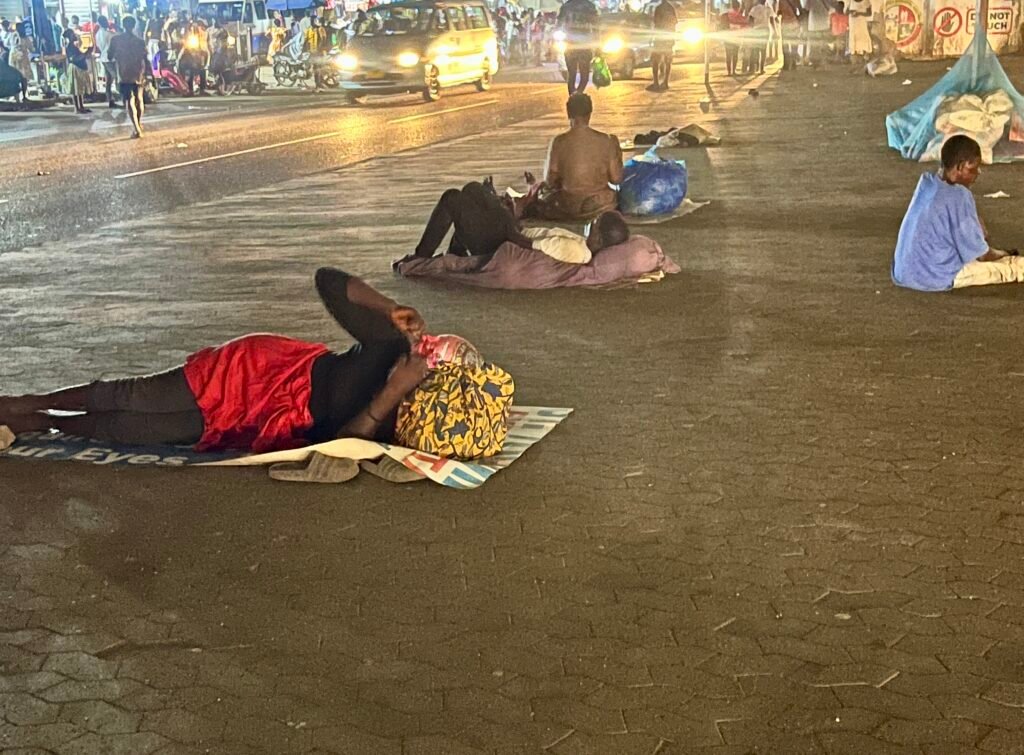
These children are still at Circle and the other areas mentioned, still begging, and still sleeping on concrete instead of beds. Their presence is a loud reminder of unfinished work. Ghana’s progress will mean little if its capital continues to abandon its youngest citizens.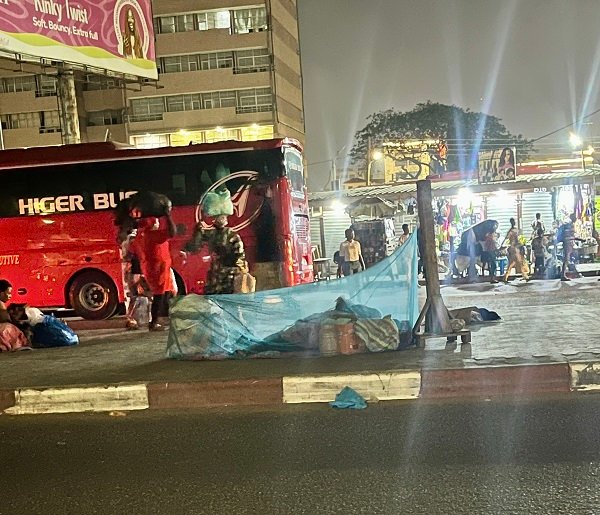
If you like, I can also create a shorter, punchy version suitable for newspapers or online platforms that grabs attention quickly while keeping the urgency of the issue.
By Eric Gyimah
By Jemima Esinam Kuatsinu
Join our WhatsApp Channel now!
https://whatsapp.com/channel/0029VbBElzjInlqHhl1aTU27








The Office of the Special Prosecutor (OSP) has taken note of public allegations of extortion and related conduct made against the Minority Leader of Parliament, Alexander Afenyo-Markin.
The allegations were made by the Chief Executive of the Ghana Gold Board (GoldBod), Sammy Gyamfi.
In a brief statement, the OSP said it has also received a joint petition submitted by two persons, as well as two separate petitions from other persons, in relation to the same allegations.
“Given the nature of the allegations, the OSP will assess the case and determine whether it falls within its statutory mandate and whether further investigative action is warranted,” the statement said.
The development comes amid a heated public feud between the Minority in Parliament and the leadership of GoldBod over the operations of the Domestic Gold Purchase Programme.
The Minority, led by Afenyo-Markin, has accused GoldBod and the Bank of Ghana of causing a loss of over $1.7 billion, citing the International Monetary Fund’s August 2026 report. The Minority has vowed to pursue the matter as Parliament has reconvened for an emergency sitting.
GoldBod, on the other hand, has rejected claims by some NPP MPs, including Tano South MP Dr Gideon Boako, that it owes the Bank of Ghana GH¢1 billion in overdrafts, describing the claim as “false and malicious.”
In the latest twist, GoldBod CEO Sammy Gyamfi has accused the Minority Leader of extortion and related conduct, an allegation that has triggered petitions to the OSP.
The OSP is mandated under Act 959 to investigate and prosecute specific cases of alleged or suspected corruption and corruption-related offences involving public officers and politically exposed persons.
By Edem Mensah-Tsotorme

General Secretary of the New Patriotic Party (NPP), Justin Kodua Frimpong, has filed his nomination to contest the position of General Secretary again as the party begins its rebuilding efforts ahead of the 2028 general elections.
He was accompanied by party stalwarts and supporters who were in high spirits, expressing confidence that he is the right person to hold the position.
Speaking after filing his nomination, Mr Kodua Frimpong assured the rank and file of the party that he would not disappoint them.
“I can assure you that the faith the rank and file of the party have had in me, I will never disappoint them,” he said.
He also pledged to run a clean campaign devoid of personal attacks.
“I can assure you that our internal campaign will be devoid of personal attacks,” he told his fellow contestants and the rank and file of the party as he seeks to retain his position.
His tenure has seen the party through the 2024 general elections, where the NPP lost power to the National Democratic Congress (NDC) after eight years in government.
The party is currently in a rebuilding phase, with internal elections scheduled to elect new national executives to lead its reorganization towards the 2028 polls.
The General Secretary position is considered one of the most influential in the party’s administrative structure, responsible for the day-to-day running of the party secretariat and implementation of party decisions.
By Edem Mensah-Tsotorme