Profile
Meet Prof.EdemKwasiBakah — third President of the E.P University College

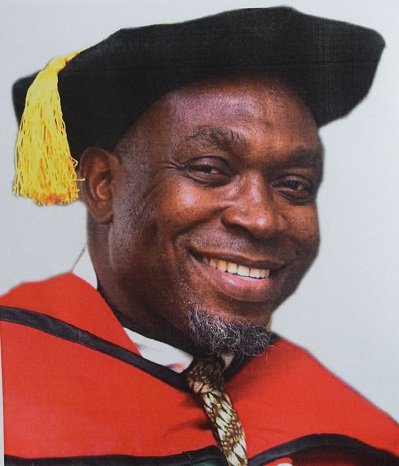
The child from Anlo-Afiadenyigba in the Volta Region, whose dream was to become a carpenter at all cost, but later took to fishing and weaving was last Friday invested at the Dela Cathedral at Ho-Kpodzi as the Third President of the Evangelical Presbyterian University College (EPUC).
This manifested years after he had a change of passion and followed a path of conviction in the transfer of knowledge from one area to another.
Born on Sunday, June 13, 1976, at Weme-Abor near Keta, Professor EdemKwasiBakah is the second child of Mr Gilbert DoviBakah, an Educationist and Mrs Victoria YetsaGoverna-Bakah, a petty trader.
He was baptised into the Evangelical Presbyterian (EP) Church at Anlo-Afiadenyigba where his father served as a catechist.
Young Edem was raised in a typical Presbyterian environment.
At the age of nine, he started fishing to support the family financially, and learnt kente-weaving, a trade he engaged in alongside fishing as he grew. 
Edem started his formal education at the age of five at the E.P. Primary School in 1981 and when the educational reforms were rolled out in 1987, he was among the first batch of students admitted into the Local Authority Junior Secondary School at Afia’gbaKpota, two kilometres away from the main town.
Together with some of his classmates including MrDzudzorliGakpey, Member of Parliament for the Keta, he covered that distance twice every school-going day, for three years.
After successfully passing the Basic Education Certificate Examination in 1990, Edem gained admission to Abor Senior Secondary in 1991.
The young man’s hopes to study carpentry in the school were dashed and he had difficulty choosing another programme when he was told that Abor Senior Secondary School did not offer carpentry.
It was at that juncture that the Assistant Headmaster then, Mr Michael Tettey proposed languages as Elective Subjects to the teenager.
That meant Edem would study English, Ewe and French.
“I am offering you French; although you didn’t do it at Junior Secondary Level so that you can take your father to France,” the Assistant Head told Edem and that message sank deep into his heart and he accepted the challenge.
By dint of hard work, Edem became one of the five out of the 80 who sat and passed the Senior Secondary School Certificate Examination to enter tertiary institutions.
When the 1993 “disastrous results” of the first batch of the Senior Secondary School system were released, young Edem went to the school for his results and one of his former English Language teachers; Mr Richard Ziork saw him and referred to him as Professor, and that title became a prophecy which was to come true 24 years later.
Edem entered the University of Cape Coast (UCC) in 1995 for the Bachelor of Education (Arts) Degree with French, English and Ewe as his teaching subjects.
However, he had to defer the programme for one academic year due to ill-health.
Upon full recovery, he returned to the university in 1996 and graduated in 2000 with a Second-Class Upper Division.
He was subsequently retained by the Department of French as the only National Service person to serve the department.
Shortly after his national service, Edem enrolled in the Master of Philosophy in Linguistics and Didactics programmes at UCC in 2001. Against all odds, he completed the programme at a record time in 2004.
Later, through the French Government Scholarship, Edem pursued further studies in Linguistics and Didactics at the Université de Strasbourg, France, and was awarded Master of Philosophy and Doctor of Philosophy (PhD) degrees in 2007 and 2010 respectively.
The Academic, Researcher and Administrator, has worked in the university environment as a Principal Research Assistant from 2004 to 2005; Lecturer from 2005 to 2011; Senior Lecturer from 2011 to 2018 Associate Professor from 2018 to date at the Department of French at the UCC.
Professor Bakah is married to DrMrs Marie AfuaBaahBakah, Senior Lecturer at the UNESCO Category II Institute for Educational Planning and Administration, UCC.
They are blessed with five children, including quadruplets.
To highlight some of Professor Bakah’s achievements, he is the first of six children in his family to attend university and to reach the height of a professor, and also the first to have fathered quadruplets in his family and hometown.
The handsome professor is the first SSS student to have served as a student librarian in his alma mater and also first and only SSS product to have attained the Professorial rank in French in Ghana and the youngest to have attained the rank in the history of the Department of French, UCC.
Professor Bakah is the first to have completed Master of Philosophy Thesis in record time at the Department of French, UCC, and first National Coordinator of the Inter-University Conference on Doctoral Studies in French as well as the first professorial rank and youngest to be appointed President of EPUC.
From Alberto Mario Noretti, Ho


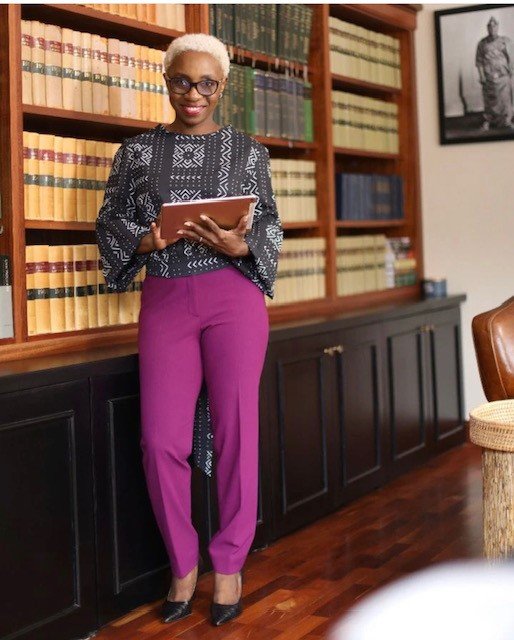
“We are always told what it is that we can’t do, but we must not allow the limitations placed on us to define who we are as women”- Mrs Lynn Osei-Bonsu
For many children raised in diplomatic homes, the world becomes a familiar territory where they easily get accustomed to. Countries change, schools change, friends change and home itself becomes fluid like a traversing stream.
However, for Mrs Lynn Osei Bonsu, one of Ghana’s foremost female communications strategist and philanthropist, life’s most defining lesson would come not from the polished streets of New York, where she spent part of her childhood, but from the quiet town of Jirapa in the Upper West Region.
Today, she leads uNuru Communications Group, a strategic communications firm delivering not just for its clients, but also helping in shaping the brand Ghana.
She also heads Trailblazers, a non-profit organisation committed to supporting women and children.
Yet behind the polished corporate image is a deeply human story of identity, sacrifice, resilience and purpose.
A childhood between worlds
Born to Mr Hilary K. Ziniel, a diplomat father and Mrs Rose Ziniel a teacher mother, from Goziir in the Nandom District of the Upper West Region, she spent much of her early life outside Ghana due to her father’s regular postings with the Ministry of Foreign Affairs.
“My first memories are not growing up in Ghana,” she told The Spectator with utmost fondness.
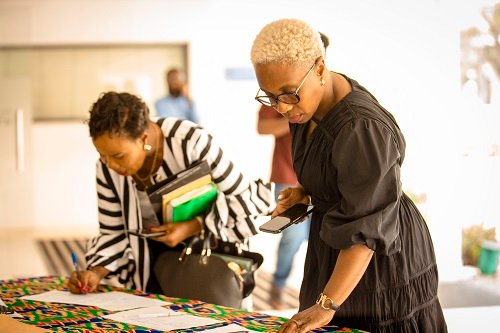
But while her childhood stretched across countries and cultures, her father remained determined that his children would never lose sight of where they came from, as result when the family returned to Ghana after his postings in New York, he made a decision about Lynn’s education that initially devastated her.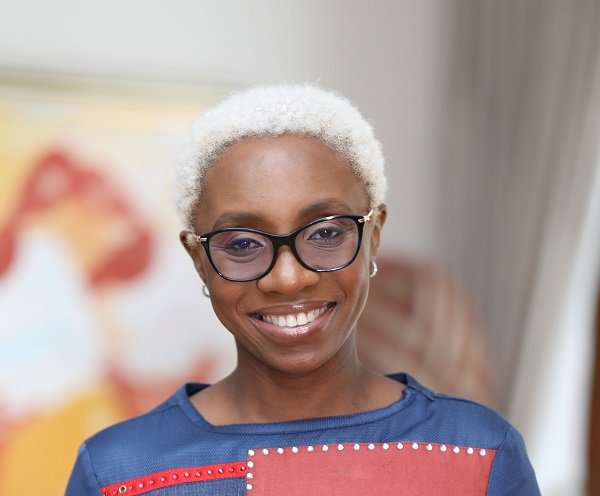
Instead of enrolling her in one of the prestigious schools in Accra, he sent her to St. Francis Girls’ Senior High School in Jirapa. “He said I needed to know where I came from,” she recalls.
Harsh transition
Moving from New York to Ghana and immediately being dispatched to Jirapa for her secondary education came with what she describes as a “huge culture shock.”
There was limited electricity, no running water and a pace of life completely different from anything she had known. “At the time, I thought he was punishing me,” she says with a laugh.
Years later, however, that painful transition would become one of the greatest gifts of her life. “If my father were alive today, I would thank him every single day for that decision,” she says quietly.
The experience, she explains, grounded her. It taught her humility, resilience and gratitude. More importantly, it gave her a deeper appreciation of sacrifice.
“It gave me a different outlook on life and a greater appreciation for my parents and everything they did for us.”
After secondary school and sixth form education, she gained admission to Carleton University in Canada. At the time, studying abroad was considered a major achievement for many Ghanaian families, especially for children from internationally exposed homes. But once again, her father encouraged her to think beyond prestige.
“He told me that if I wanted to live and work in Ghana, then I needed to build my network here,” she says.
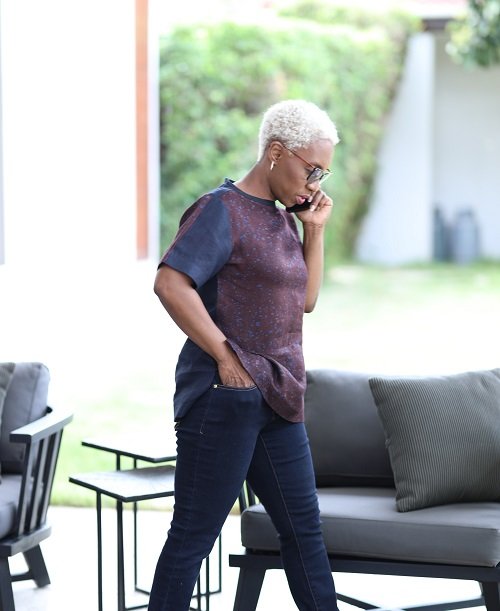
Shelving dream of becoming a diplomat
After her first degree, she dreamed of joining Ghana’s Foreign Service and had even written the Public Services Commission examination. Then, unexpectedly, her path changed.
While awaiting for the results from the Public Services Commission, she came across an advertisement in the Daily Graphic announcing admissions into the School of Communication Studies. “It just jumped at me,” she recalls.
She applied and was admitted into the postgraduate communication programme — a decision that would eventually shape the rest of her career. Around the same time, she also came to an important personal realisation.
“Being a foreign service child meant moving every four years,” she says. “I realised I actually wanted stability. I wanted roots.” It was a powerful discovery for someone who had spent most of her life constantly moving.
Building a career, rebuilding self
Her professional journey began in 1999 at Japan Motors where she worked as a Public Relations Officer. Four years later, she moved to Societe Generale Bank following the bank’s acquisition of SSB Bank.
Again, after four years, she joined GTBank Ghanaghana.gtbank.com as Head of Corporate Affairs. Looking back, she now finds humour in the pattern. “It was much later that I realised it reflected how often we moved during my father’s diplomatic postings,” she explains.
Eventually, motherhood changed her priorities and she decided to leave corporate life behind to focus more on family and pursue entrepreneurship.
The decision initially frightened her. Walking away from the security of a monthly salary into the uncertainty of business was not easy. But with savings, planning and the support of her husband, she took the leap.
“He has been very supportive emotionally, financially and professionally,” she says.
In 2010, she established her own communications and advertising agency. The early years tested her patience and resilience. “It wasn’t easy because nobody really knew us at the beginning,” she says.
Her first breakthrough came when Koala Super Market gave her company an opportunity. From there, the business gradually expanded through referrals, relationships and consistency. Over the years, the company weathered economic downturns and survived the COVID-19 pandemic.
“We’ve had ups and downs, but by God’s grace, we are still standing,” she says.
Trailblazer is birthed
Even while building her business, one thing remained constant; her desire to help others. Mrs Osei-Bonsu traces that instinct directly to her father. “My father was very big on education and helping females in particular,” she says.
For years, she quietly supported people through payment of school fees and personal assistance. But during the COVID-19 pandemic, after volunteering with several organisations, she felt compelled to formalise her efforts.
This decision she explained led to the birth of Trailblazers in 2020. The organisation focuses on supporting women and children through education, skills development and empowerment initiatives. It has worked with schools, orphanages and vulnerable women, while also supporting organisations such as Street Girls Aid.
For her, philanthropy is not charity. It is responsibility even though she admits the work comes with challenges. “One of the biggest difficulties is funding,” she explains. “Many organisations are all trying to access limited resources.”
Yet despite the obstacles, she remains deeply committed to the mission and this is because for her, success was not measured only by titles or professional accomplishments, but by impact.
Coming full circle
Today, she looks back on her journey with gratitude.
The young girl who once arrived in Jirapa angry, uncomfortable and homesick now understands that those difficult years shaped the woman she would become.
Her story is ultimately one of rediscovery — a journey back to identity, purpose and service. “I now understand why my father insisted so much on where we came from,” she says.
And perhaps that is the most powerful lesson of all: sometimes the roots we resist the most are the very ones that anchor our lives.
By Cliff Ekuful
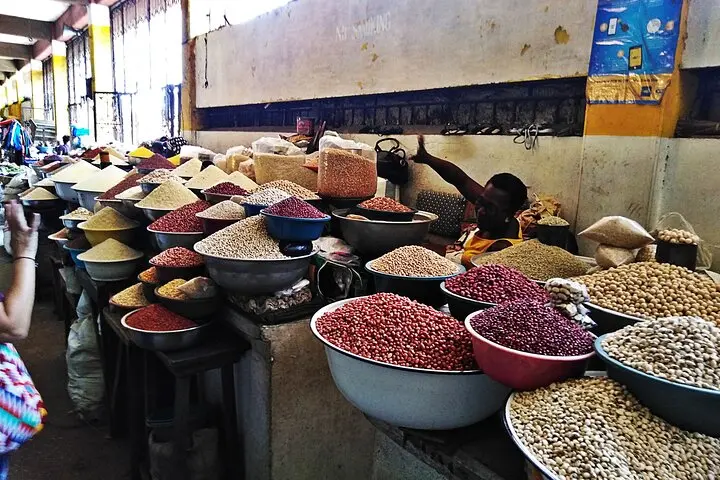
Long before Accra fully wakes, Nima is already alive. From dawn, the call to prayer rises across the community as worshippers move quietly through narrow streets toward nearby mosques. Not far away, market women arrange tomatoes, onions, pepper, and smoked fish on wooden tables, while vendors prepare warm bowls of Hausa koko for workers starting their day early.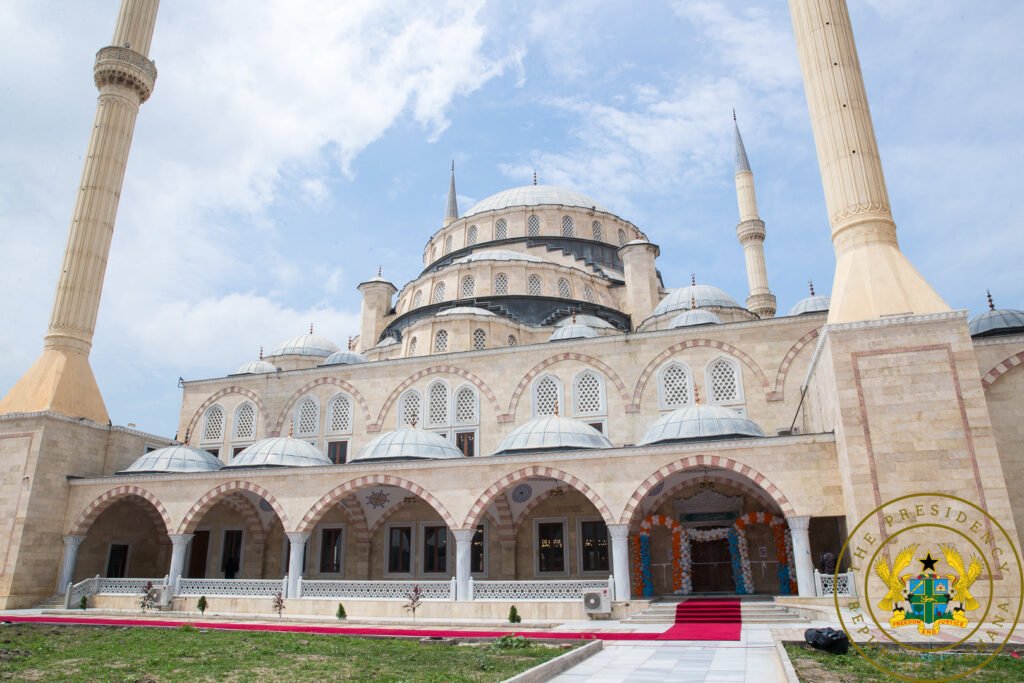
This is Nima, one of Accra’s oldest, busiest, and most culturally vibrant communities.
For residents, Nima is more than a place. It is identity, family, struggle, faith, and survival woven tightly into everyday life. It is a community where life is shared and survival is collective.
Nima traces its roots to the colonial era, when migrants from northern Ghana and neighbouring West African countries settled in Accra in search of work and opportunity. Many arrived with little, but over time built a strong and closely knit community shaped by hard work, faith, and mutual support.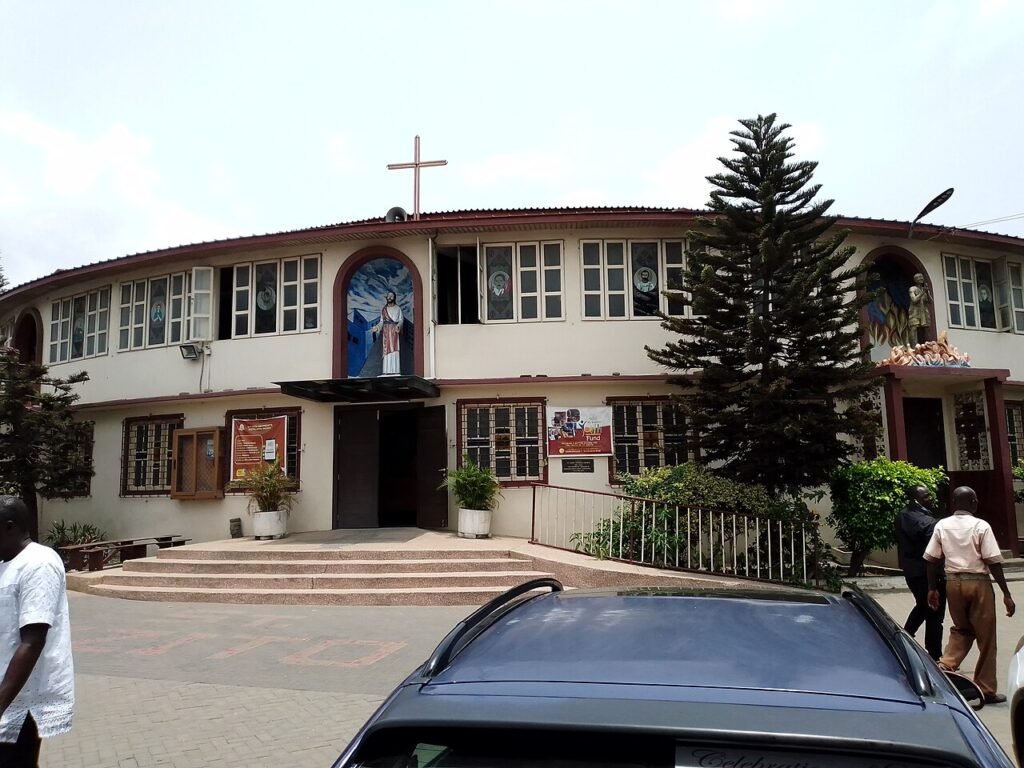

The origin of the name Nima is widely debated. Some link it to the Ga language, where “Nii” refers to a king and “mann” to a city, loosely interpreted as “city of the king.” Others trace it to the Arabic word “Ni’ma,” meaning “blessings,” reflecting the community’s strong Islamic influence.
Regardless of its origin, Nima remains one of Ghana’s largest and oldest Zongo communities, with roots stretching back to the 19th century.
By Esinam Jemima Kuatsinu