Nutrition
Scrambled egg pizza


- /home/u249204778/domains/spectator.com.gh/public_html/wp-content/plugins/mvp-social-buttons/mvp-social-buttons.php on line 27
https://spectator.com.gh/wp-content/uploads/2025/07/Scrambled-egg-pizza.jpg&description=Scrambled egg pizza', 'pinterestShare', 'width=750,height=350'); return false;" title="Pin This Post">
- Share
- Tweet /home/u249204778/domains/spectator.com.gh/public_html/wp-content/plugins/mvp-social-buttons/mvp-social-buttons.php on line 72
https://spectator.com.gh/wp-content/uploads/2025/07/Scrambled-egg-pizza.jpg&description=Scrambled egg pizza', 'pinterestShare', 'width=750,height=350'); return false;" title="Pin This Post">
Ingredients
-1 tin of milk
-1 tablespoonful of golden caster sugar
-2 tablespoonful of dried yeast
-500grams of bread flour
-1 tablespoonful of olive oil
-4 large tomatoes
-2 garlic cloves, crushed
-80grams of bag baby spinach
-10 grams of cheese
-4 large eggs
Method
-Pour boiling water into a jug with the milk and sugar. Sprinkle in the yeast and leave it for 10 minutes until frothy.
-Pour flour in a large bowl. (Add one tablespoonful of salt, oil and yeast mixture knead together in the bowl to form a soft dough).
-Put the dough in a bowl, cover with cling film and leave in a warm place for one hour.
-Drain the water after 2-3 minutes and the skins will peel away easily
-Coarsely grate the tomatoes, then stir in the garlic and oregano
-Heat oven to 220 /200degrees Celsius
– Divide your dough into four and shape each piece into a ball
-Roll the bases out flat to about 25centimetre and dimple the surfaces with fingers
-Spread each one with the tomato paste, season, and cheese and then divide the cooked spinach between the four pizzas.
-Slide the pizzas directly onto hot oven shelves or baking sheets. Bake two at a time for five minutes, then nudge the toppings away from the center slightly to create a gap in which to crack the eggs.
-Return the pizzas to the oven to bake well (it should take another 6-7 minutes, depending on how you like your yolk). recipejoint

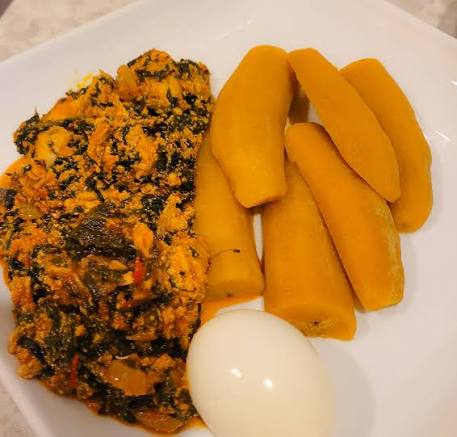
Ingredients
-Cocoyam leaves (Nkontomire)
-Palm oil
-Ripped Plantain
-2 Large smoked salmon
-1 cowhide (wele)
-1 cup of Egusi
– Momoni
-3 fresh eggs
-2 large onions
-2 large tomatoes
-Pepper
-Ginger
-Garlic
Method
-Wash cocoyam leaves thoroughly under running water
-Cut cocoyam leaves into stripes and wash for the second time
-Blend tomatoes, onion, pepper, ginger, and garlic together
-Put sauce pan on fire and heat palm oil
-Add blended ingredients and allow to cook for about 5 minutes
– Wash salmon, wele and cut into cubes and add to stew
-Add salt
-Add eggs to egusi in a bowl to form paste and add it to stew
-Add to stew and allow to simmer for seven minutes
-Add cocoyam leaves to stew and allow it to cook for sometime
-Wash, peel plantain and cut into shapes
-Cook for some time (Pour water out and serve with stew)
By Linda Abrefi Wadie
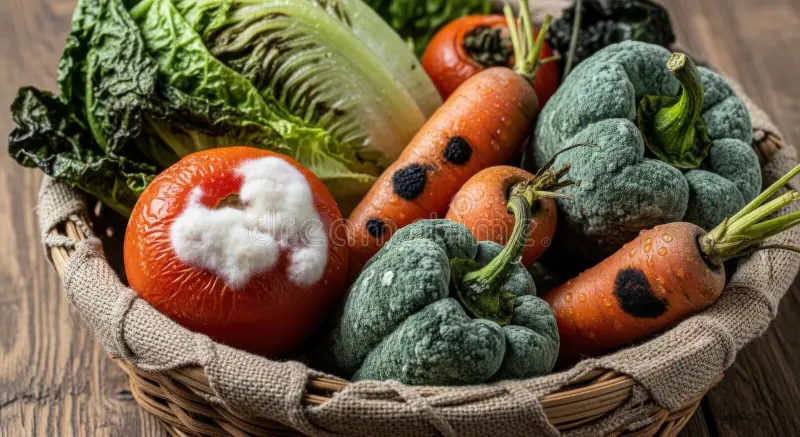
Every year, Ghana produces thousands of tonnes of nutritious food but a significant share of it never reaches a plate. Fruit spoils before it’s sold. Vegetables rot in transit. Grains are ruined by poor storage. Conversations about nutrition often focus on growing more food but reducing what’s lost or wasted after harvest may be one of the fastest ways to improve food security and nutrition, without farming a single extra acre.
The cost of losing nutritious food
Fresh fruit and vegetables spoil the fastest, and without adequate storage, cooling, or transport, farmers are often forced to sell at rock-bottom prices or watch their harvest go to waste. That squeezes farmers’ incomes and shrinks the supply of nutritious food reaching local markets. As supply falls, prices rise, pushing healthy food further out of reach for the low-income households that need it most.
Nutrition begins beyond the farm gate
Cutting post-harvest losses means more nutritious food reaches families without needing more farmland or higher yields. When tomatoes, mangoes, and leafy greens are preserved through better storage, drying, or processing, they stay available and affordable for longer. Better handling also protects nutritional quality itself, so the vitamins and minerals in food aren’t lost before it ever reaches a consumer.
Supporting farmers supports nutrition
Many farmers still lack access to storage facilities, cold chains, processing equipment, and reliable transport. Strengthening these systems is a win on both ends: farmers earn more from what they grow, and households gain more affordable access to nutritious food. Local processing, such as turning surplus fruit into juices, dried fruit, or purees, can extend shelf life and cut waste even further.
What needs to change?
Reducing food loss takes coordinated action:
• Government: invest in rural roads, storage infrastructure, irrigation, and agricultural extension services.
• Private sector: expand cold storage, food processing, and distribution networks.
• Research institutions: keep developing better post-harvest preservation technology.
• Consumers: plan meals, store food properly, and make safe use of leftovers.
Looking ahead
As Ghana works to tackle malnutrition in all its forms, cutting food loss deserves a place at the top of the agenda. Growing more food matters, but making sure the food already grown actually reaches families, safely and affordably, matters just as much.
Every basket of tomatoes saved, every crate of mangoes preserved, and every bag of grain protected from spoilage adds up to better nutrition, stronger livelihoods, and a more resilient food system for the future.
Feature article by Women, Media and Change under its Nourish Ghana: Advocating for Increased Leadership to Combat Malnutrition project