Fashion
Reinventing African prints through blouse fashion


- /home/u249204778/domains/spectator.com.gh/public_html/wp-content/plugins/mvp-social-buttons/mvp-social-buttons.php on line 27
https://spectator.com.gh/wp-content/uploads/2025/06/blouse-3-736x600.jpg&description=Reinventing African prints through blouse fashion', 'pinterestShare', 'width=750,height=350'); return false;" title="Pin This Post">
- Share
- Tweet /home/u249204778/domains/spectator.com.gh/public_html/wp-content/plugins/mvp-social-buttons/mvp-social-buttons.php on line 72
https://spectator.com.gh/wp-content/uploads/2025/06/blouse-3-736x600.jpg&description=Reinventing African prints through blouse fashion', 'pinterestShare', 'width=750,height=350'); return false;" title="Pin This Post">
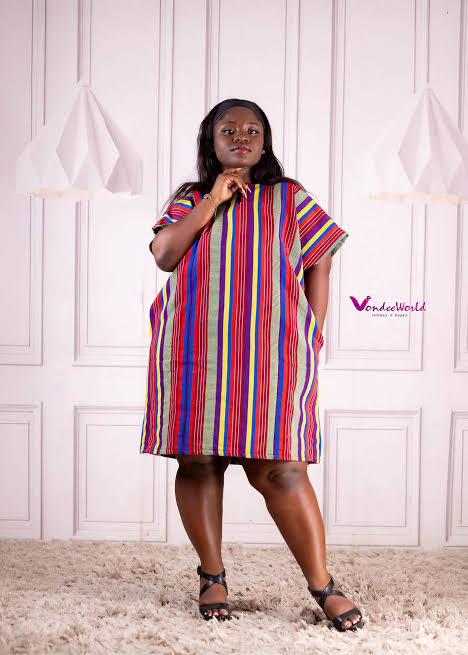
African fashion is experiencing a powerful renaissance, where traditional fabrics are being reimagined to fit today’s modern and stylish world.
At the heart of this transformation is the African print blouse once a simple wardrobe piece, now a standout symbol of cultural pride, elegance, and creativity.
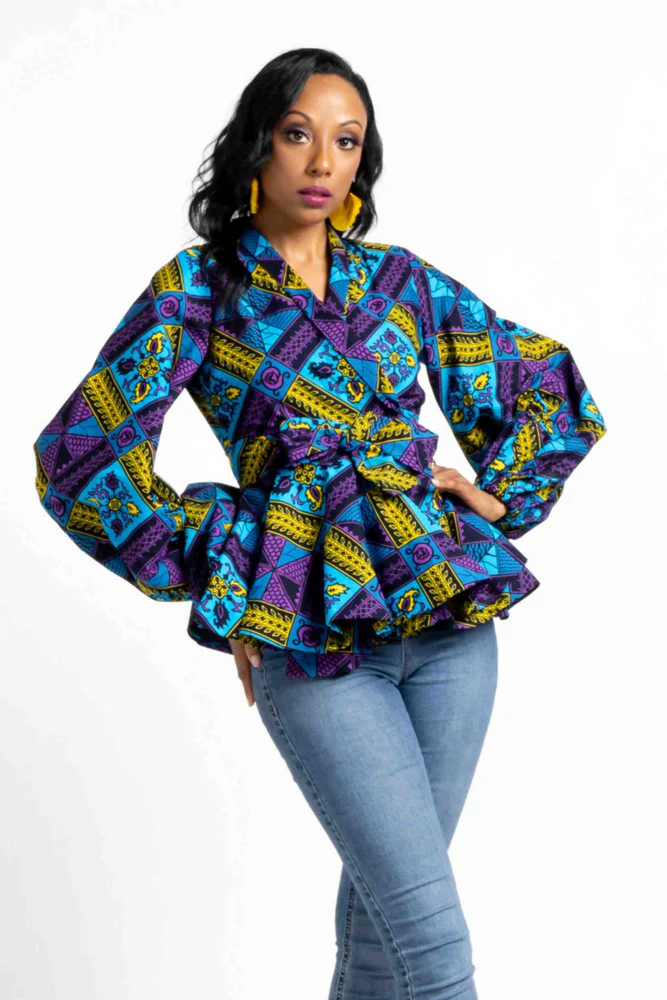
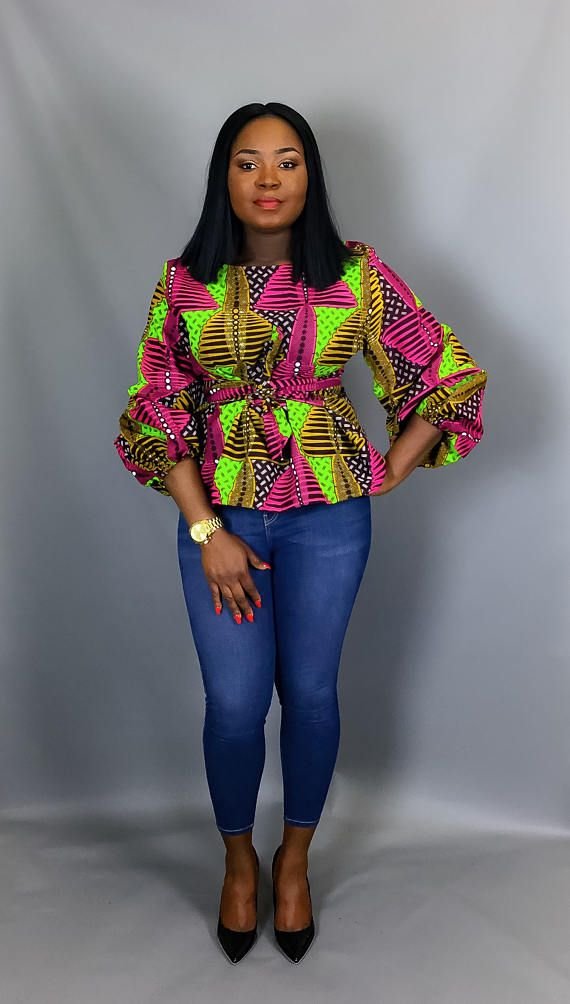
In the past, African prints were primarily used to make outfits such as kaba and slit, long gowns, or straight-cut dresses designed for weddings, church services, and festivals.
However, with evolving tastes and increasing global influence, fashion designers are now reinterpreting these traditional garments into versatile pieces that cater for the modern lifestyle.
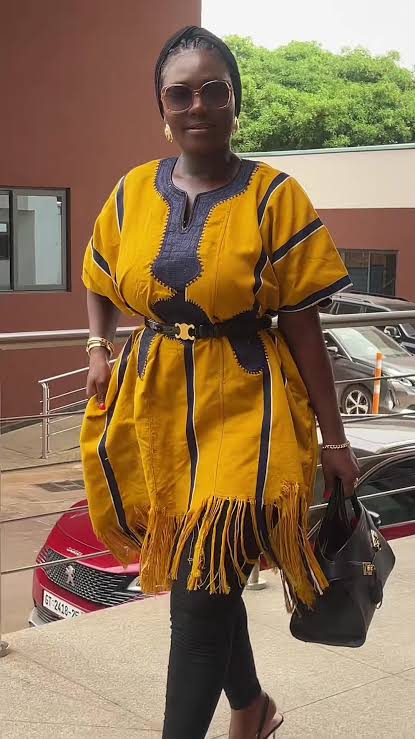
Today, it is common to see stylish women pairing printed blouses with jeans, wide-legged trousers, or even tailored shorts effortlessly blending heritage with modernity.
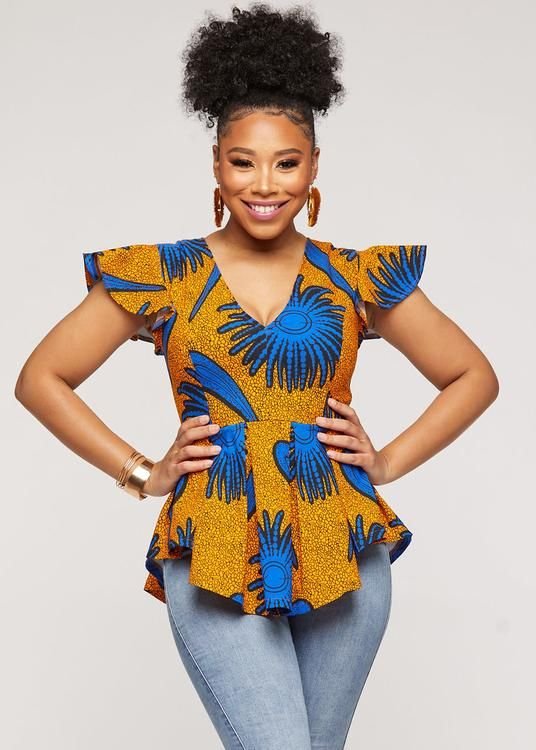
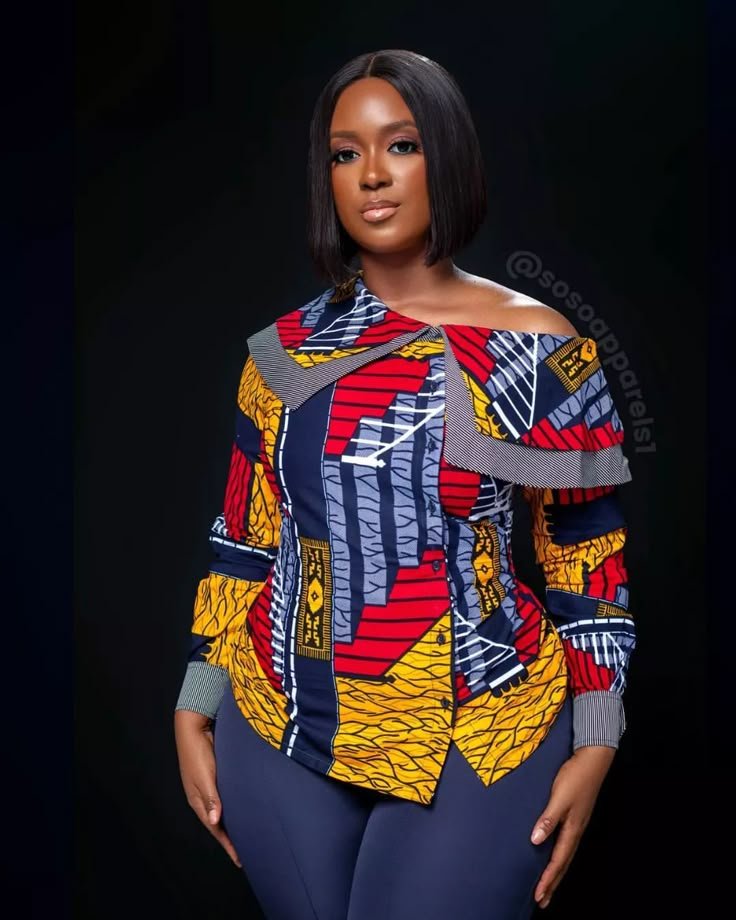
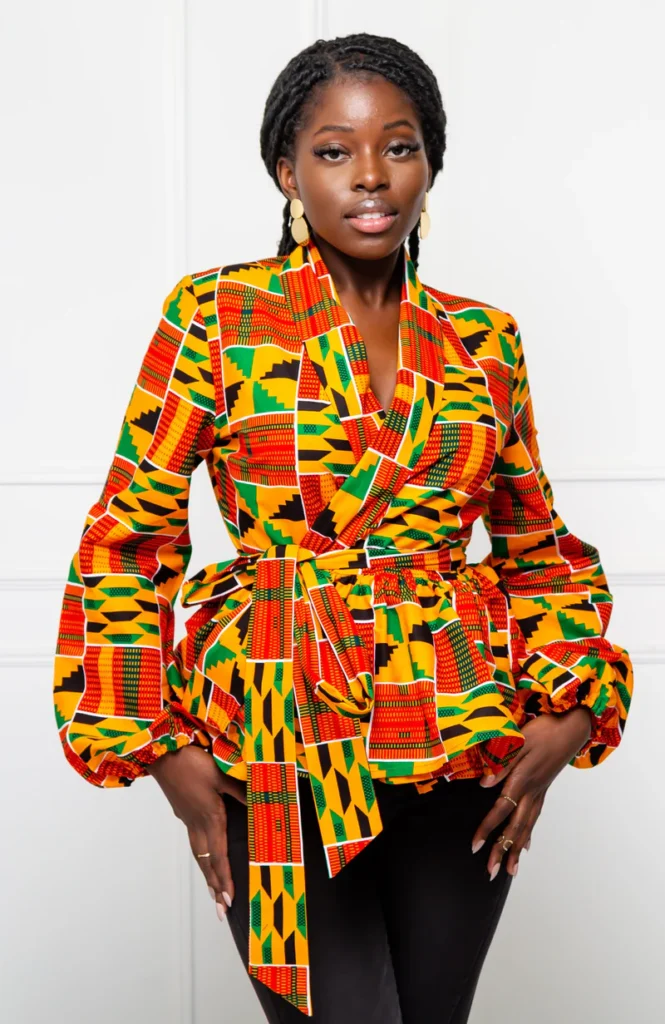
This style evolution has not only refreshed wardrobes but also challenged outdated notions of what African prints can represent in fashion.
This revival has been boosted by prominent African models such as Adut Akech, Mayowa Nicholas, and Maria Borges, who have graced international runways and fashion campaigns dressed in stunning African prints.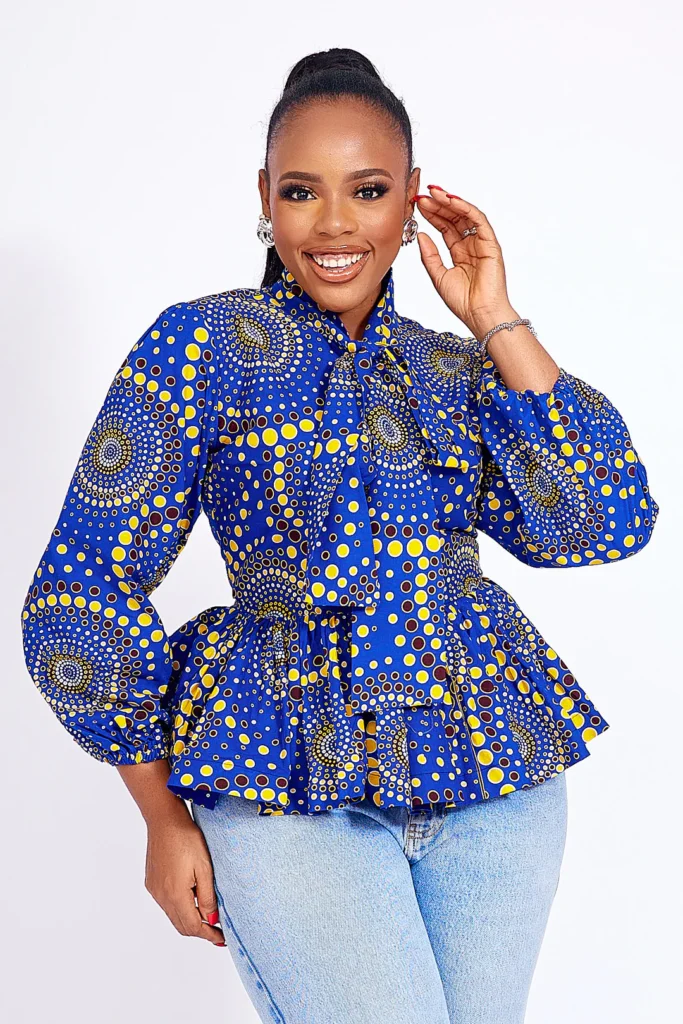
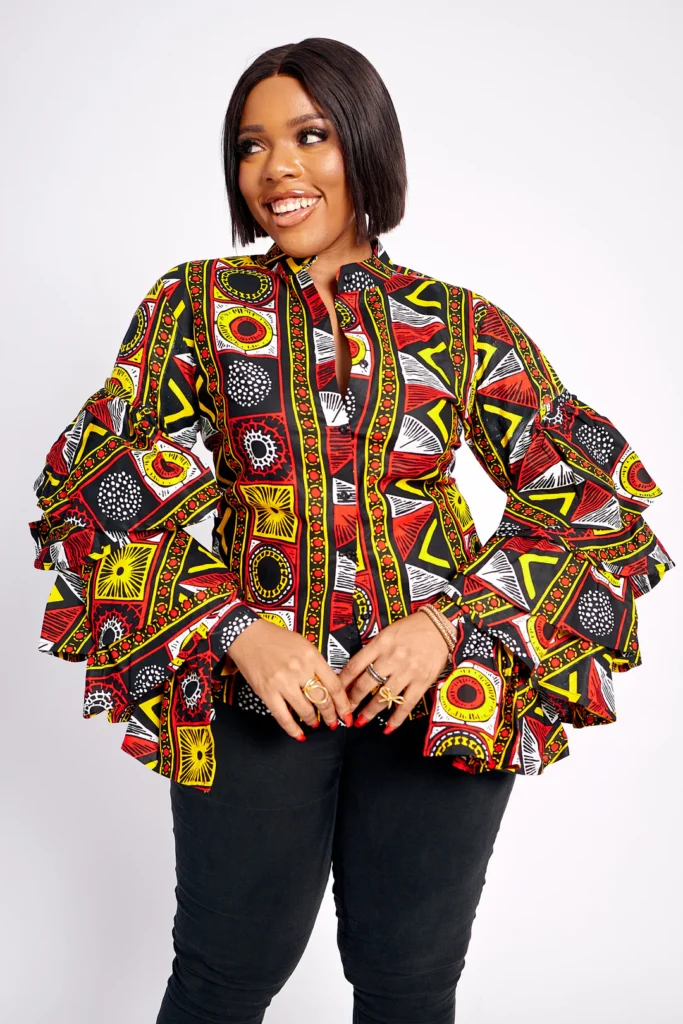
A popular style seen among designers today involves crafting a V-neck, three-quarter-sleeve blouse with a fitted waist and flared peplum made from Ankara. The design is often elevated with subtle ruffles at the hem or bead detailing along the neckline.
By Georgina Boadiwaa Ntim


The Member of Parliament (MP) for Ayawaso West Wuogon, John Dumelo, is one of the most talked about fashion icons that blends tradition with modern style.
He was one of the pillars acting in Ghana revolved, but in fashion, he is a colossus.
Unlike his peers, Dumelo appears very simple in some of the sophisticated fashion designs and brands in the country.
He is noted for his simple appearance in modest colours with few accessories.













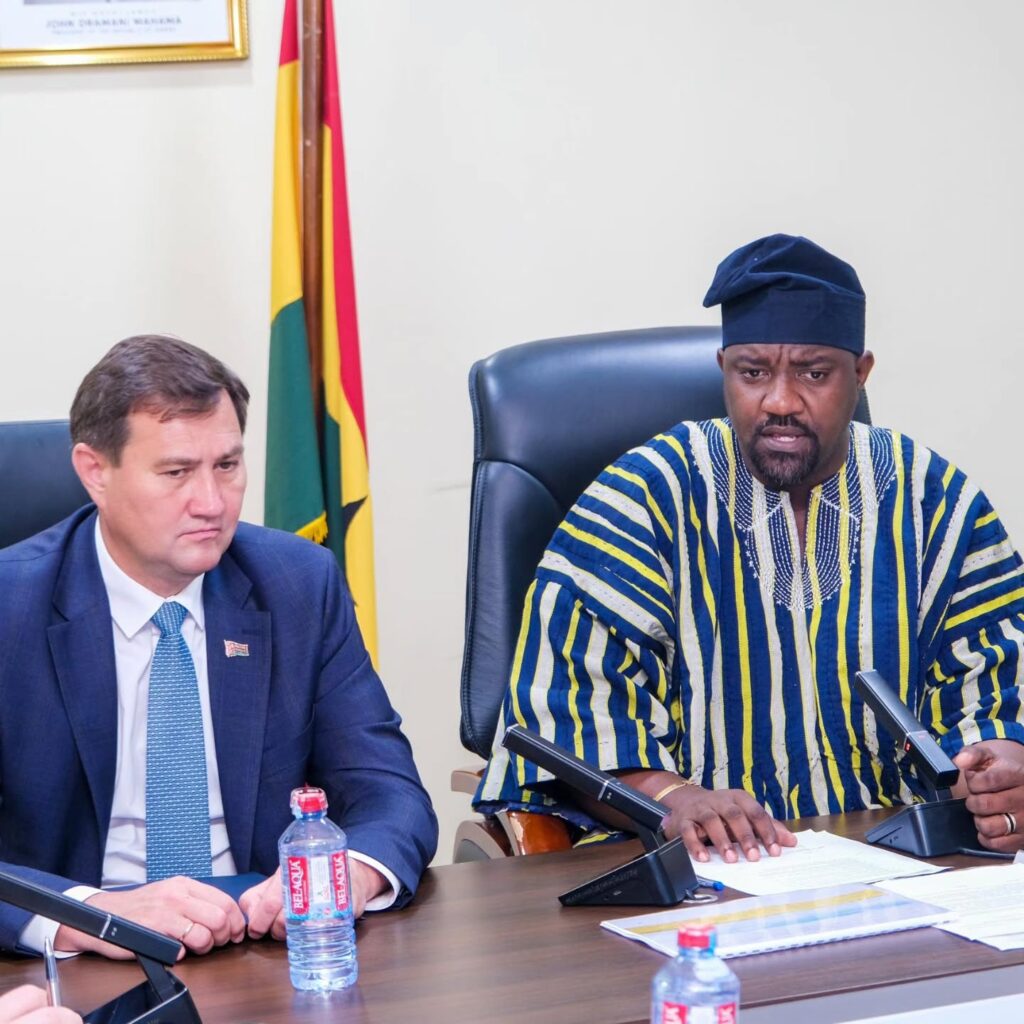


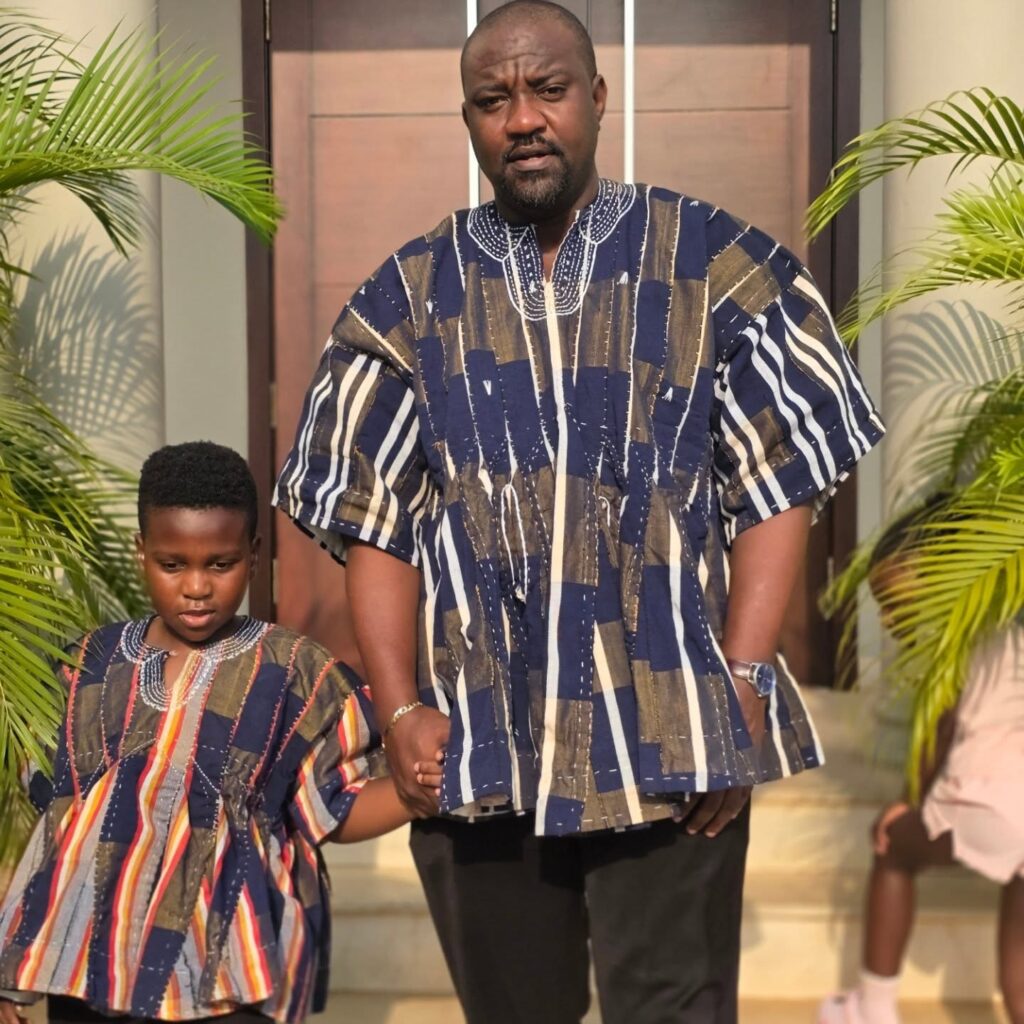



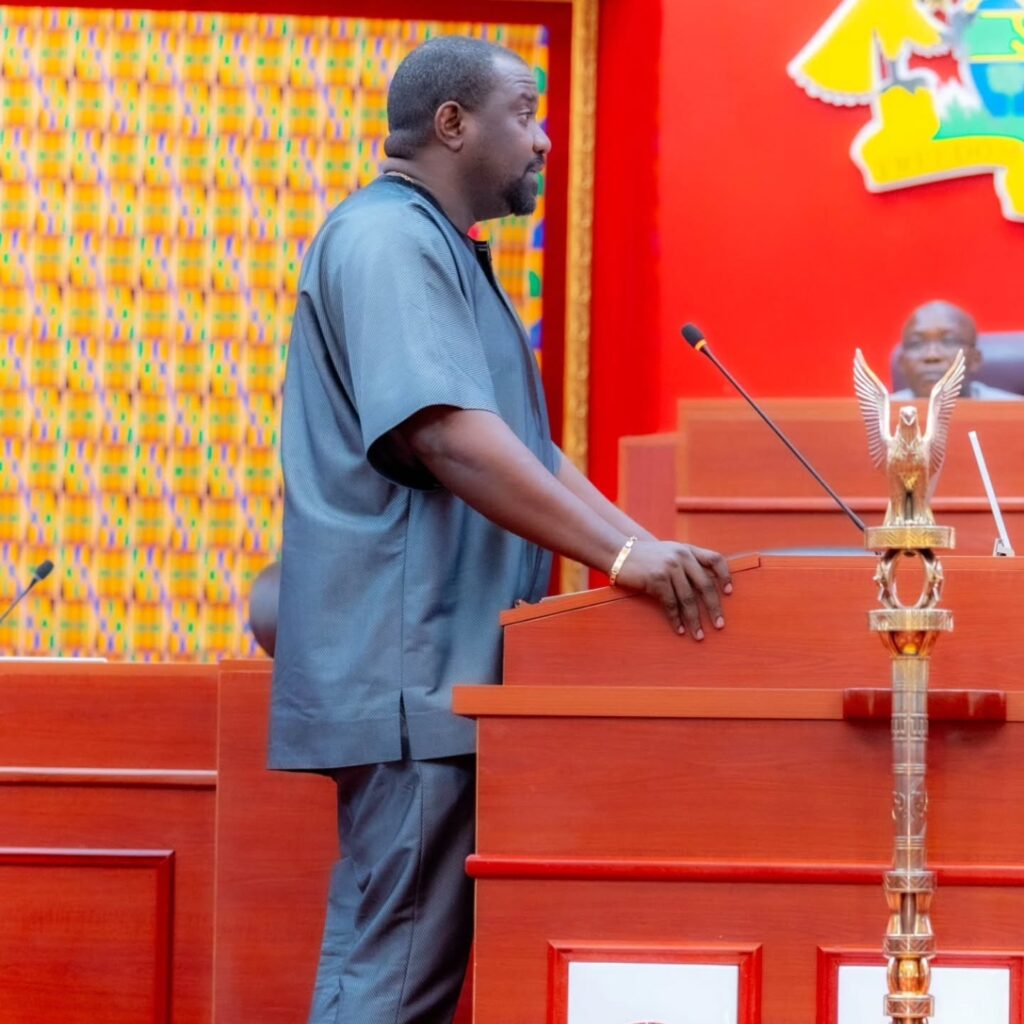



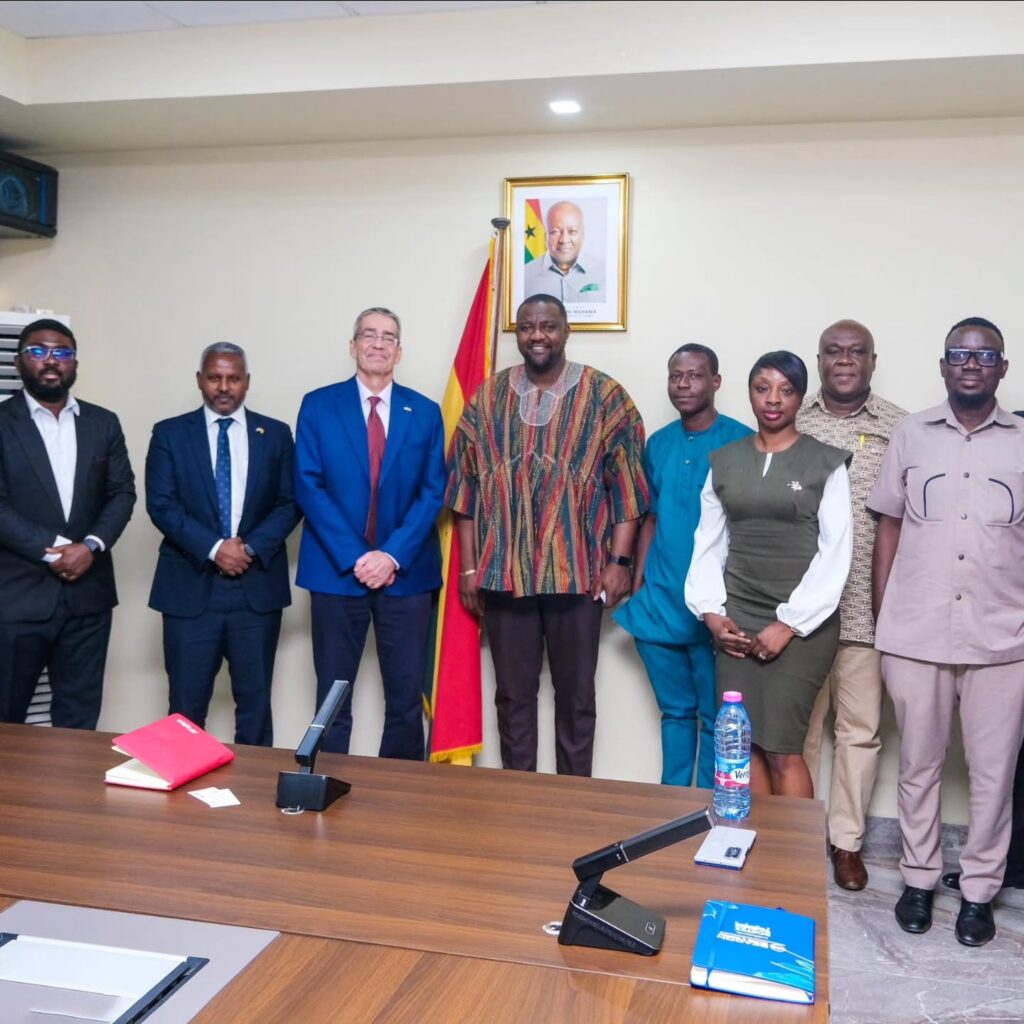






His style reflects his identity and national pride.
For him, fashion is more than just an appearance.
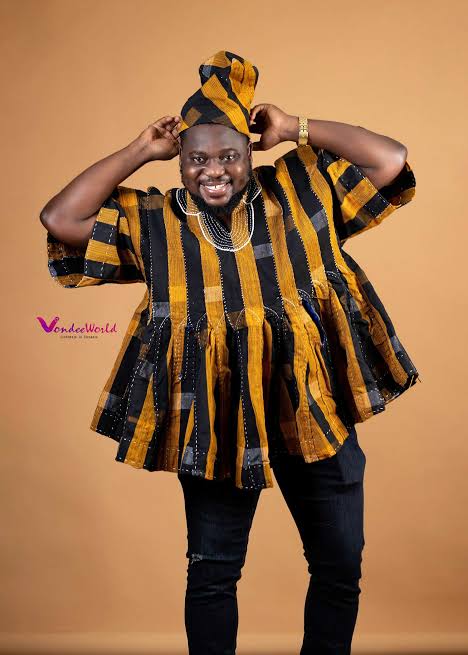
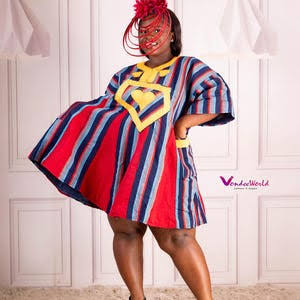
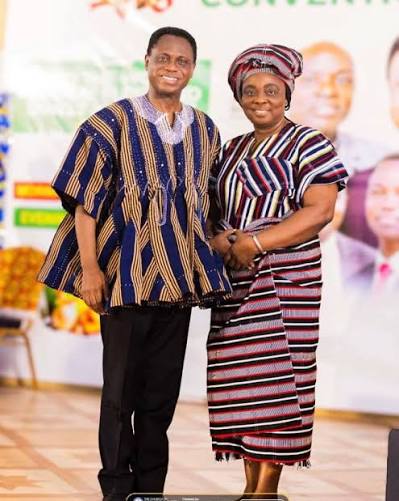
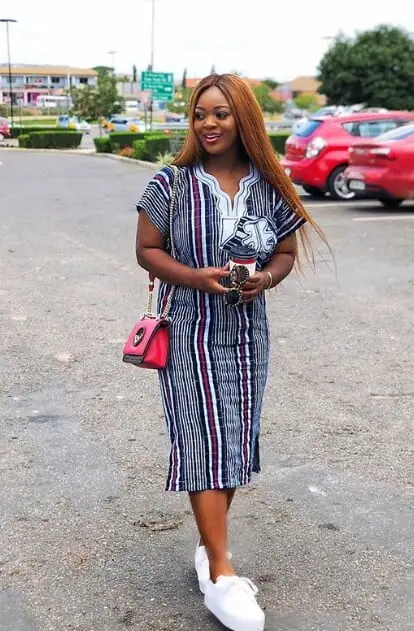
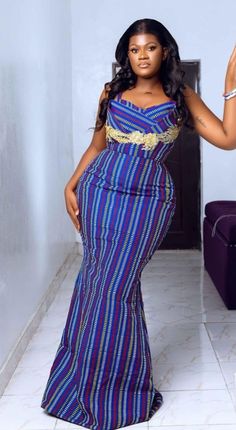
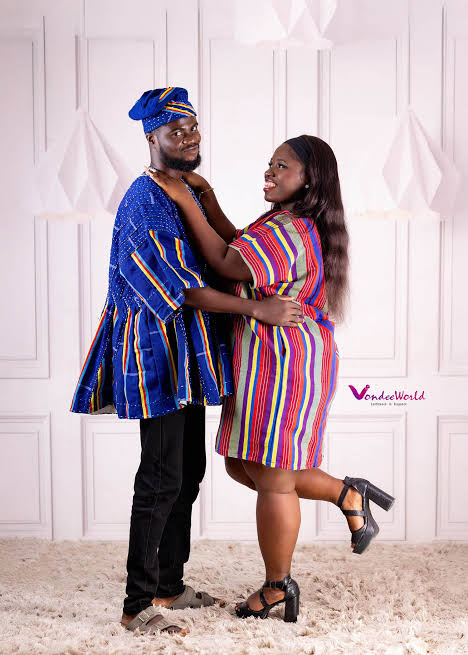
Once worn mainly by chiefs and people of Northern Ghana, Smock, the traditional attire has been redesigned for a new generation.
Today’s smocks come in modern cuts, bold colours, and fine embroidery, making them suitable for weddings, offices, and casual outings.
Designers and weavers are transforming traditional smock with contemporary cuts, vibrant colours to appeal to all ages.
Each piece reflects hours of handwork and generations of skill. The Smock continuous to be a timeless wear for casual and corporate