News
Betrayed by their skin: The sad story of albinos in Ghana


- /home/u249204778/domains/spectator.com.gh/public_html/wp-content/plugins/mvp-social-buttons/mvp-social-buttons.php on line 27
https://spectator.com.gh/wp-content/uploads/2025/05/1001482128-809x600.jpg&description=Betrayed by their skin: The sad story of albinos in Ghana', 'pinterestShare', 'width=750,height=350'); return false;" title="Pin This Post">
- Share
- Tweet /home/u249204778/domains/spectator.com.gh/public_html/wp-content/plugins/mvp-social-buttons/mvp-social-buttons.php on line 72
https://spectator.com.gh/wp-content/uploads/2025/05/1001482128-809x600.jpg&description=Betrayed by their skin: The sad story of albinos in Ghana', 'pinterestShare', 'width=750,height=350'); return false;" title="Pin This Post">
In many Ghanaian communities, persons with albinism often face a multitude of challenges that originate from myths, discrimination, misconceptions, and societal prejudices.
In spite of many efforts and awareness to ensure that individuals with albinism are not discriminated against, albinos in many parts of the country are still confronted with many hurdles that hinder their social integration as well as their access to essential resources.
Albinism is a unique genetic condition characterised by a lack of melanin pigment in the skin, hair, and eyes, which subjects affected persons to heightened vulnerability due to their appearance. 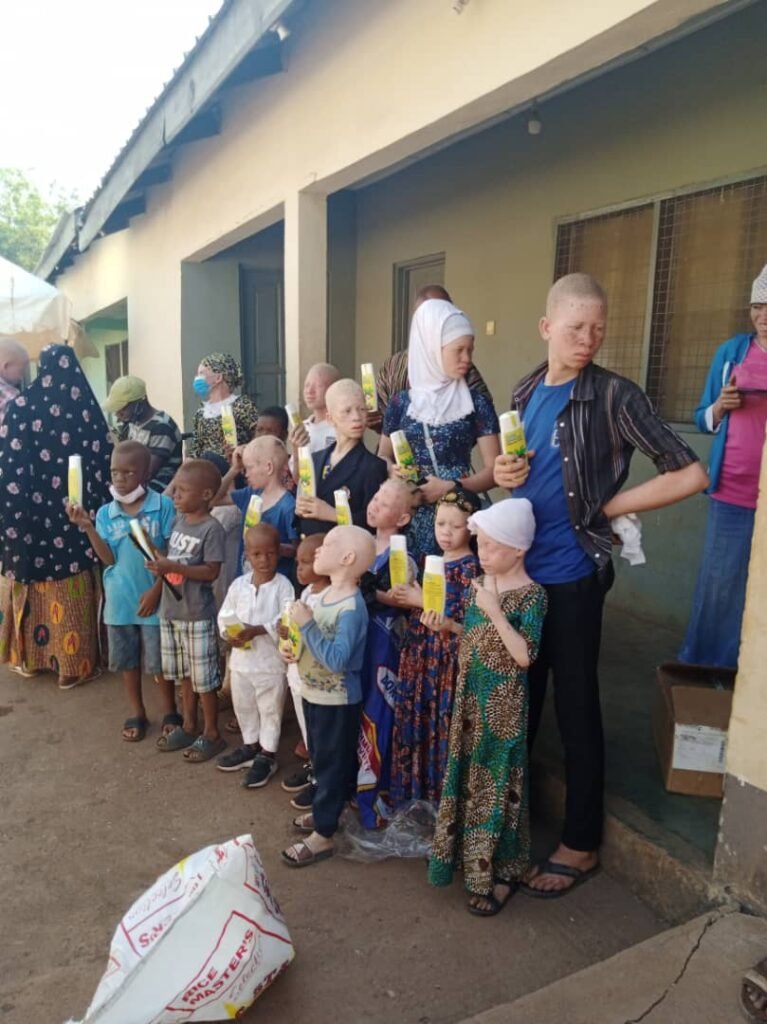
This condition often leads to stigmatisation and marginalisation within many communities, particularly in the rural areas.
Sadly, due to the heightened superstitious beliefs prevalent in many Ghanaian communities, many people tend to associate albinism with unfounded myths and misconceptions, including curses, hence further isolating these individuals.
One of the most pressing challenges faced by albinos in Ghana is their increased risk of getting skin cancer due to the absence of melanin, making sun protection a critical necessity.
However, access to protective measures such as sun creams and protective clothing remains limited, exacerbating their health risks.
Education also becomes a battleground for many persons with albinism in Ghana.
This is because prejudices and social biases often result in their exclusion from educational opportunities, denying them the chance to reach their full potential.
Similarly, bullying and ridicule in schools perpetuate feelings of isolation and low self-esteem among these individuals, impacting their academic progress and mental well-being.
Employment opportunities for Ghanaians with albinism are constrained by biases and misconceptions about their capabilities. This type of discrimination against albinos in workplaces impact their morale negatively, hence limiting their economic empowerment and social inclusion.
It must be mentioned that despite commendable strides made towards advocating for the rights and welfare of people with albinism in Ghana by the government and civil society organisations, including advocacy groups, many albinos in Ghana still live in fear in some communities.
Even though Article 17(2) of the 1992 Constitution states that “a person shall not be discriminated against on grounds of gender, race, colour, ethnic origin, religion, creed or economic status” some albinos have claimed that they had been prevented from either entering or living in some communities in Ghana.
Adam Abdul-Wahab, President of the Ghana Association of Persons with Albinism (GAPA), is one of the albinos who has confirmed this allegation.
GAPA is an advocacy group made up of persons living with albinism.
According to him, he had received complaints from many of his members from different parts of the country on the issue—being denied access to some communities.
He mentioned that some parts of the Brong Ahafo and Eastern Regions.
Additionally, he mentioned Akwamufie in the Eastern region as some of the areas albinos find unsafe to live.
For Abdul-Wahab, albinos are not permitted to live in these mentioned areas, citing an instance in which he, together with some members of their association, after receiving complaints from their members in Akwamufie on the same issue went to follow up on the incident but were also denied entry into the community.
According to him, children born albinos at Akwamufie are banished at birth from the community, explaining that such children are usually considered cursed to the community.
He said such myths and beliefs put the lives of persons with albinism in such communities at constant risk, leaving them in endless fear.
This, Abdul-Wahab said, was due to the lack of understanding as well as deeply rooted superstitions and cultural beliefs surrounding the condition.
Akwamufie incident
The Apenkwahene of the Akwamu Traditional Area in the Asougyaman District, Nana Ansah Brempong V in an interview, debunked the allegations that people with albinism are not permitted to live or enter the communities in the area.
He said the claims by the GAPA that albinos feel unsafe to enter or live in the Akwamufie area cannot be true as many albinos still live safely in the area.
He said Akwamufie is a culturally diverse area that does not discriminate against people based on their skin colour or race, including albinos.
Nana Ansah Brempong V has, therefore, challenged the GAPA to call out the chief who resisted them from entering the traditional area, adding that the Akwamus were loving and law abiding citizens of the country.
Buttressing his point that the Akwamufie is not a death zone for people with albinism, he said, “I had a school mate at Akwamuman Secondary School named Sogli who was an albino. No one discriminated against him.
He even had many school children always coming around him because he had a playful nature.”
Nana Ansah Brempong, however, pledged to investigate the matter, casting doubt over the authenticity of such claims in the Asuogyaman district of the Eastern Region.
The Regent of Ekumfi Bogyano in the Central region as well as the Ebusuapayin of Amoana family in the same community all said the area had no custom that bars people living with albinism to live in the community.
“We have many albinos living in many communities in Ekumfi. It is not their fault to be born albinos so why should we make life uncomfortable for them to live,” Opanyin Kobena Sam, a Unit Committee Member explained.
Cultural misconception
For the President of the Ghana Association of Persons with Albinism, some people still hold on to misconceptions that people with albinism possess some magical or supernatural powers, hence making them (albinos) a target for ritualists.
“In some cultures, people with albinism are believed to possess magical or supernatural powers, which can lead to harmful actions like kidnapping, mutilation, or even murder for the purpose of using their body parts in rituals,” he explained.
This brutal practice, known as “albino hunting,” Abdul-Wahab noted, is driven by a range of factors, including ignorance, myths, and deeply ingrained cultural beliefs.”
He said a study his outfit—GAPA, conducted on albino hunting in 2019 confirmed the incident, pointing out that the incidents normally occur in some communities in Eastern and Bono Regions.
“There are some studies conducted by the GAPA in 2019 which actually ascertained the fact that in some communities in the Eastern Region of Ghana and some communities in the Bono East Region, this practice is going on, where Persons with Albinism are banished from the community,” Abdul-Wahab stated.
Citing an incident, the GAPA President, said there was a time that one of their members was killed at Amanase-Boketey near Suhum in the Eastern Region allegedly for ritual purposes by a pastor, adding that the suspected killer was later arrested and prosecuted after constant perseverance.
He said the association had petitioned the Commission on Human Rights and Administrative Justice (CHRAJ) on this issue after their study confirmed the incident.
He, however, expressed the concern that CHRAJ had been slow on the case, calling them to conduct an independent investigation into the issue.
“It (the report) was submitted in 2019 up to now, 2023, we have not heard anything positive from CHRAJ and the only response they give us when we follow up is that they are working on it. I don’t know how long they will work on it but they admitted that whatever studies we did was true and will soon launch a report to that effect,” Abdul-Wahab bemoaned the delay.
Skin Cancer
He said the association continues to promote the rights of persons with albinism in Ghana by educating the public on the various misconceptions against albinos.
Similarly, he noted, GAPA had been creating awareness about the challenges faced by its members.
He noted that since the formation of the association in 2003, it has registered about 2,741 as members.
Abdul-Wahab, therefore, commended “Engage Now Africa”, an NGO for its continued support towards GAPA and its members.
He said Engage Now Africa supports GAPA members with sun creams to avoid developing black spots each time they get exposed to the sun and also with wide-brimmed hats.
He noted that treatment for skin cancer for people living with albinism was expensive, hence appealing to the government to make provision for sun creams and also add skin cancer treatment for albinos to the National Health Insurance scheme.
Abdul-Wahab similarly appealed to other NGOs and philanthropists to come to the aid of people living with albinism, particularly with sun creams and sun glasses.
Skin care/exclusion
Kwame Andrews Daklo, a social worker who focuses on albino advocacy with Engage Now Africa, expressed the opinion that people in Ghana with albinism have been largely isolated from other members of society, hence making it difficult for them to get access to resource to help them to cope with the sun.
According to him, many people, including the government did not see albinism as a disability, a situation he observed, had contributed to the worsening plights of albinos in the country.
He has, therefore, called on the government to include skin cancer treatment and sun creams to the NHIS package for persons living with albinism.
For her part, Dr Angela Ampofo, a dermatologist at Anton Memorial Hospital pointed out that access to skin products, sun creams and dermatologists remained a big challenge for many albinos in the country.
She said the sun increases the chances of albinos developing skin cancers, admonishing them not to walk under the sun without sun creams or protective clothing.
Way forward
The road to inclusivity and equal opportunities for people with albinism in Ghana remains a work in progress.
A concerted effort from the governmental and non-governmental bodies is therefore needed to break down these barriers as well as to eradicate stigma, and create a more inclusive society where individuals with albinism can thrive without prejudice or discrimination.
The reason is that their potential and contributions to Ghana’s rich societal fabric deserve recognition and support as the nation progresses towards true equality and inclusivity for all its citizens.



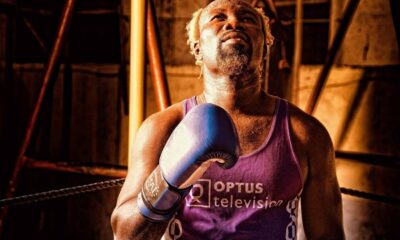



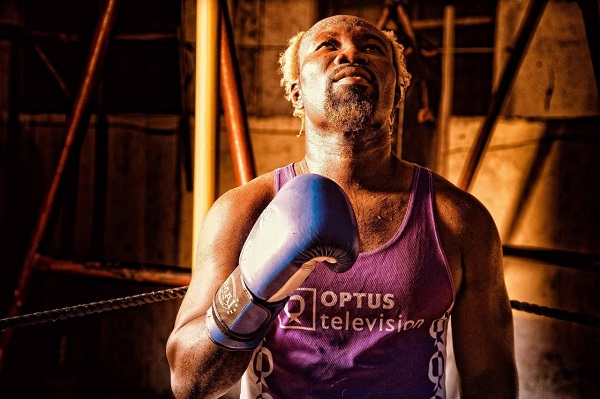
The Accra Regional Police Command has arrested former professional boxer Michael Ayitey Okai, popularly known as “Ayitey Powers,” over an alleged threat of death against the Director-General of the National Sports Authority, Yaw Ampofo.
According to the Police, the 46-year-old former boxer was arrested on Monday, August 24, 2026, in connection with the alleged threat.
The Police said the arrest followed a video circulating on social media in which Ayitey Powers is alleged to have issued the threat against Mr Ampofo.
He is currently in Police custody and is assisting with investigations.
The Accra Regional Police Command said investigations are ongoing to establish the circumstances surrounding the alleged threat and determine the appropriate action to be taken in accordance with the law.
The Command has urged the public to refrain from sharing unverified information about the matter while the investigation continues.
By: Jacob Aggrey
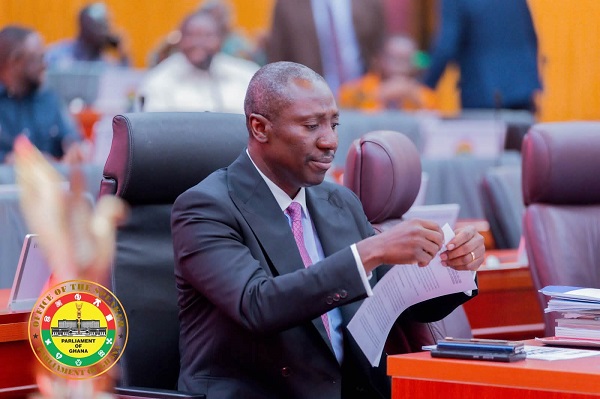
Minority Leader in Parliament Alexander Afenyo Markin has sued the Chief Executive Officer of the Ghana Gold Board (GoldBod), Sammy Gyamfi, and Multimedia Group Limited over alleged defamatory comments made against him on the Newsfile programme.
In a writ filed at the High Court in Accra, Mr Afenyo Markin is seeking GH¢15 million in damages, an apology and retraction of the statements, among other reliefs.
The suit follows comments allegedly made by Mr Gyamfi during the Saturday, August 22, 2026 edition of Newsfile, hosted by Samson Lardy Anyenini.
According to the statement of claim, Mr Gyamfi described Mr Afenyo Markin as an “extortionist” while responding to a question about GoldBod’s reported profits and its position on losses arising from its operations.
The plaintiff claims that Mr Gyamfi repeated the allegation when the host sought clarification on whether he stood by the description.
Mr Afenyo Markin further claims that Mr Gyamfi challenged him to sue him and insisted that the allegation was true.
The plaintiff argues that the statements created the impression that he engages in extortion, uses his political influence to put improper pressure on public institutions and officials, and conducts himself in a manner inconsistent with the standards expected of a lawyer and public office holder.
He denies the allegations and maintains that he is not an extortionist and has never engaged in the conduct alleged by Mr Gyamfi.
The Minority Leader also argues that the comments were made maliciously and were presented as facts without evidence being disclosed.
He claims the statements have damaged his reputation, professional standing and public image, particularly because of his position as a senior political figure and legal practitioner.
The suit also names Multimedia Group Limited as a defendant because, according to the plaintiff, the alleged defamatory comments were broadcast through JoyNews and subsequently circulated on social media platforms, including X, Facebook and YouTube.
Mr Afenyo Markin claims Multimedia failed to stop the comments or deactivate Mr Gyamfi’s microphone after the allegations were made.
He is therefore asking the court to award him general, aggravated and exemplary damages, as well as GH¢15 million in compensation and legal costs.
He is also seeking an order compelling the defendants to issue a full, unconditional and unequivocal retraction and public apology.
The plaintiff wants the apology and retraction to be given similar prominence and reach as the original publication, including through JoyNews and the social media platforms where the comments were disseminated.
He is further seeking a permanent injunction preventing the defendants from repeating the alleged defamatory statements or words with a similar meaning.
The writ requires the defendants to enter an appearance within eight days after being served.
It warns that failure to do so could result in judgment being entered in their absence.
The case was filed by lawyer Paa Kwesi Abaidoo of Dehyena Chambers on behalf of Mr Afenyo Markin.
By: Jacob Aggrey