Profile
Addiction counsellor advises youth… Stay away from alcohol, it can ruin your life

- /home/u249204778/domains/spectator.com.gh/public_html/wp-content/plugins/mvp-social-buttons/mvp-social-buttons.php on line 27
https://spectator.com.gh/wp-content/uploads/2024/09/Don-Richie-looked-older-at-45-years-and-battling-alcoholism-left-than-at-50-and-overcoming-it-800x600.jpg&description=Addiction counsellor advises youth… Stay away from alcohol, it can ruin your life', 'pinterestShare', 'width=750,height=350'); return false;" title="Pin This Post">
- Share
- Tweet /home/u249204778/domains/spectator.com.gh/public_html/wp-content/plugins/mvp-social-buttons/mvp-social-buttons.php on line 72
https://spectator.com.gh/wp-content/uploads/2024/09/Don-Richie-looked-older-at-45-years-and-battling-alcoholism-left-than-at-50-and-overcoming-it-800x600.jpg&description=Addiction counsellor advises youth… Stay away from alcohol, it can ruin your life', 'pinterestShare', 'width=750,height=350'); return false;" title="Pin This Post">
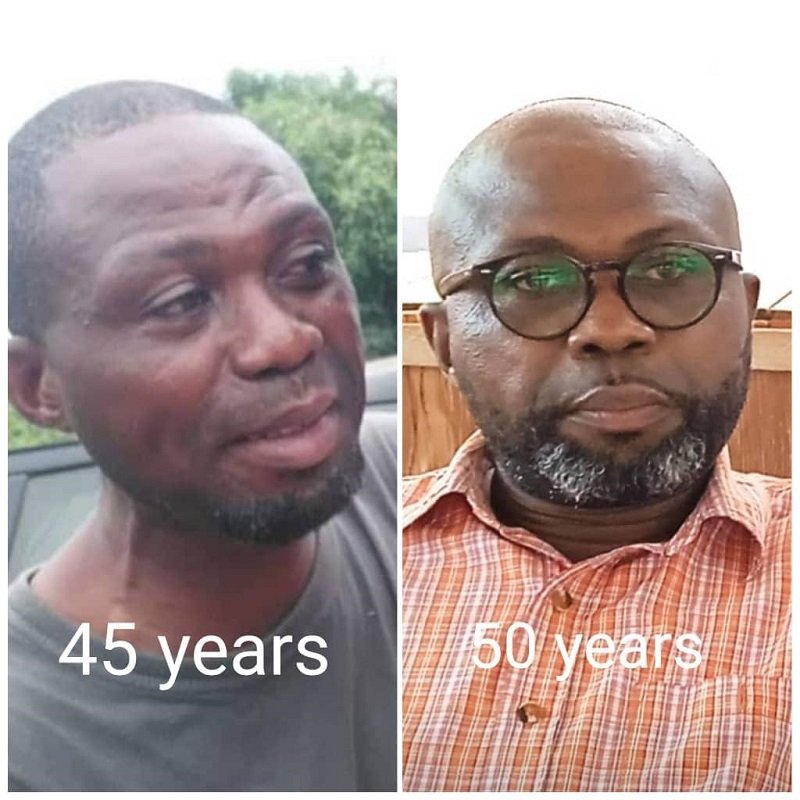
Don Richie looked older at 45 years and battling alcoholism (left) than at 50 and overcoming it
When Richard Nii Adjei Otchwemah decided to celebrate his completion of secondary school with alcoholic drinks, little did he know it was going to be the beginning of a long battle with alcoholism for almost 30 years of his life.
‘The Don’ or ‘Don Richie,’ as he was called, because he was always the boss and leader of most activities among his friends, recalled that after their final exam, he and some of his friends decided to do something adventurous to celebrate completion of that level of education.
“Right at the gate of the school, someone was selling palm wine and so we had a good taste of it,” Mr Otchwemah, who is now an Addiction Counsellor disclosed this in an interview with The Spectator on the sidelines of an occasion to celebrate persons who had recovered from substance abuse at the House of St. Francis Alcohol and Drug Addiction Treatment and Rehabilitation Centre in Ashaiman.
He said while waiting for his results, he was taken out regularly by a friend to have a bottle or two of beer.
“Drinking alcohol was not a habit until after Sixth Form when I was posted to a remote village to do my National Service. It was without electricity and water. The food was also bad so the only thing providing us with joy was hard liquor (akpeteshie), which was providing the ‘appetite’ to enjoy the meal” he narrated.
“But at home, I could eat without the alcohol as appetite because the food was good.”
He said after his graduation from University, he got married and was still drinking, recalling how he took his wife to drink.
That continued after marriage as his crave for alcohol became persistent while his wife became concerned and started expressing her displeasure about it.
Mr Otchwemah stated that in the process, he lost his influence on his family and community which previously considered him as a role model and very responsible person.
As if that was not enough, alcoholism affected him greatly when pursuing a Master’s programme. He struggled to study and procrastinated on things to do.
Consequently, he felt his life was moving backwards and begin to lose his friends, family and even his job because he sometimes missed some days at work due to drinking.
The Addiction Counsellor said he spent almost all his time at drinking bars and preferred to be with like-minded people in order not to be discriminated upon.
In the process, he sometimes found himself on the wrong side of the law due to excessive drinking and also sustained various degrees of injuries from falls or fights caused by his drinking habit.
The turning point for him was when some old friends who had shown him so much love and respect over the years spoke to him passionately about the developments in his life and the need for him to get help.
He noted that there was an earlier attempt by some family members to get him to seek help from a rehabilitation centre but he returned home after a month and started drinking again.
According to him, that attempt did not work because he had gone there out of frustration due to the pressure from his friends and a desire to make them happy.
The 50-year old narrated that the approach by his friends did not sound manipulative and so in August 2019, he decided to seek professional help from the House of St. Francis.
“And to the glory of God, I am back to my old self. The last month of August was exactly five since I tasted alcohol. I communicate well and I am polite with people. I say sorry when I offend them and also communicate well if I have concerns about issues without resorting to alcohol. I have not taken alcohol for five years and the good news is that I am helping others to do same,” he said.
He says it was important for society to treat persons battling addiction of any form with love and respect.
“Such people must be treated with respect. If possible, such people should be referred to persons who they respect and have a lot of regard for, because the process is all about conviction.”
He says after recovery, those who helped them should not use the roles they played as an opportunity to manipulate, blackmail or disrespect them otherwise they might relapse out of frustration.
The Addiction Counsellor appealed to the Ministry for Education and the Ghana Education Service (GES) to vigorously start a campaign to get students in the Junior and Senior High Schools to be educated on the dangers of alcohol.
He noted that the focus had over the years been on drugs and weed to the neglect of alcohol which is also destructive to its users.
For the youth, the best advice he could offer them was to abstain from alcohol because it has the potential to destroy them.
From Dzifa Tetteh Tay, Ashaiman




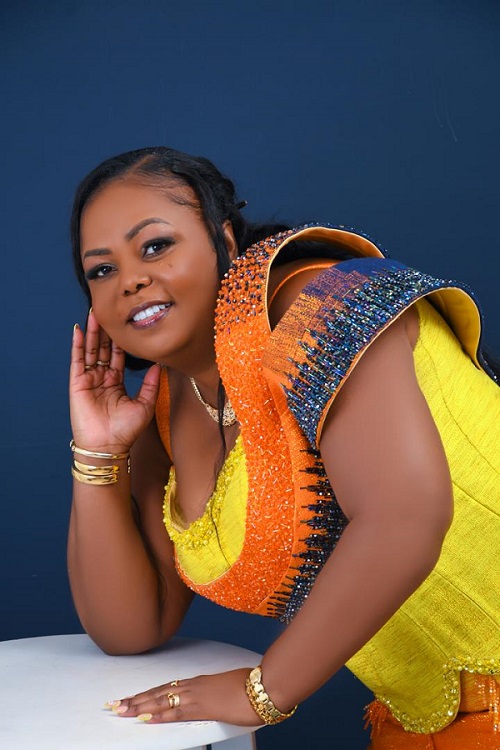
Life does not always hand you a script, but you always control how you write the next chapter.
That is the story of Mrs Elizabeth Sackey, affectionately called Liz Sackey, a woman who refused to be put in a box, trading her secretarial desk for the vibrant worlds of global wine and traditional Kente.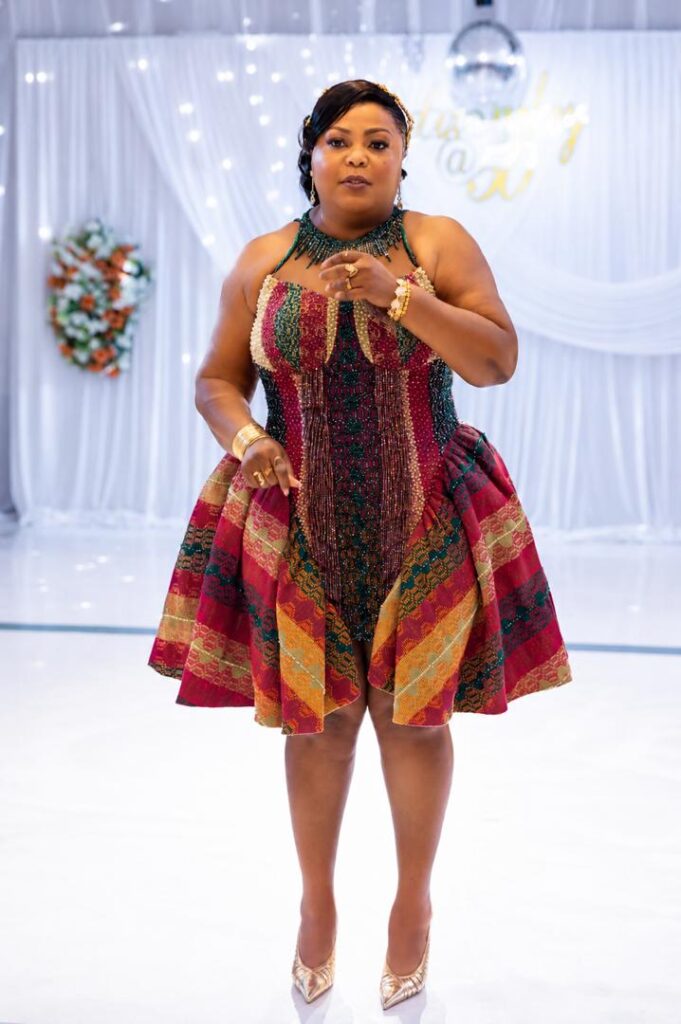
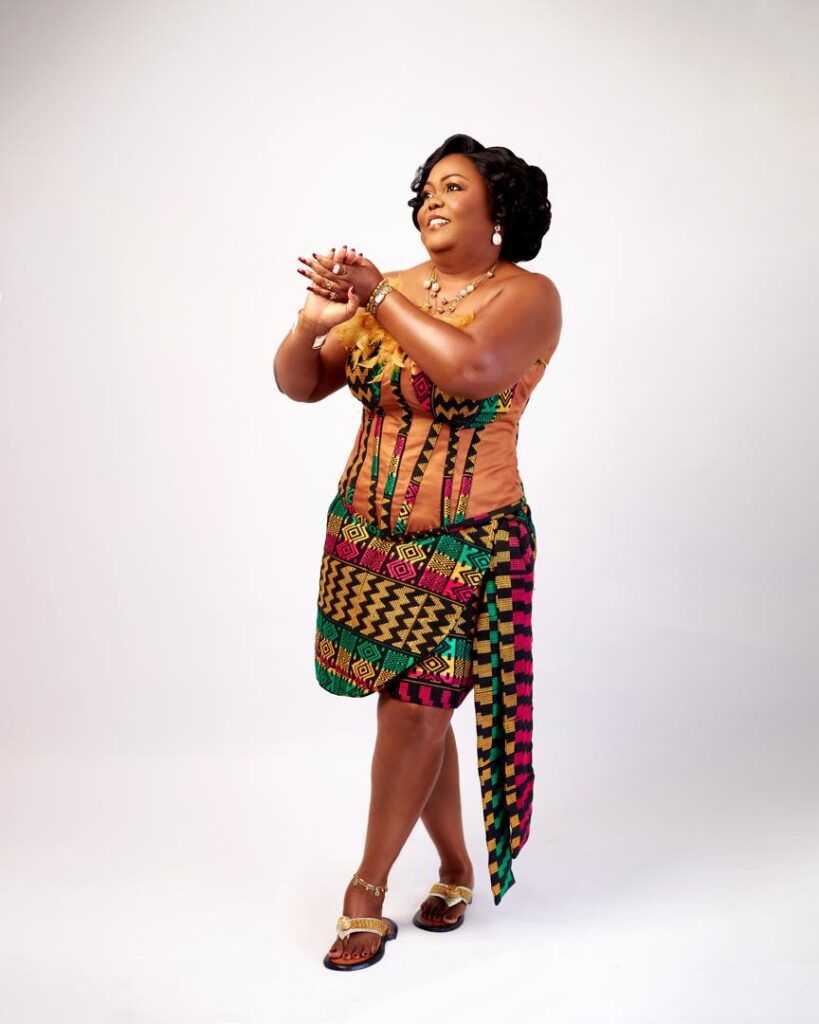
Her journey proves that whenever life pushes you, you can use that momentum to leap into greatness.
Born on Friday, June 11, 1976, in New Achimota, Elizabeth inherited a perfect mix of corporate strategy and perseverance.
Her father, Benjamin Ayivor, was a Marketing Officer for Ghana Airways, while her mother, Janet Ayivor, was an enterprising businesswoman. This combination of global vision and local trade ran deep in her DNA.
Her journey began at Greenhill International School, and later to Mfantsiman Girls Secondary School, Saltpond where she completed her secondary school education.
Soon after, she built her professional foundation at Dard Secretariat School in Accra New Town.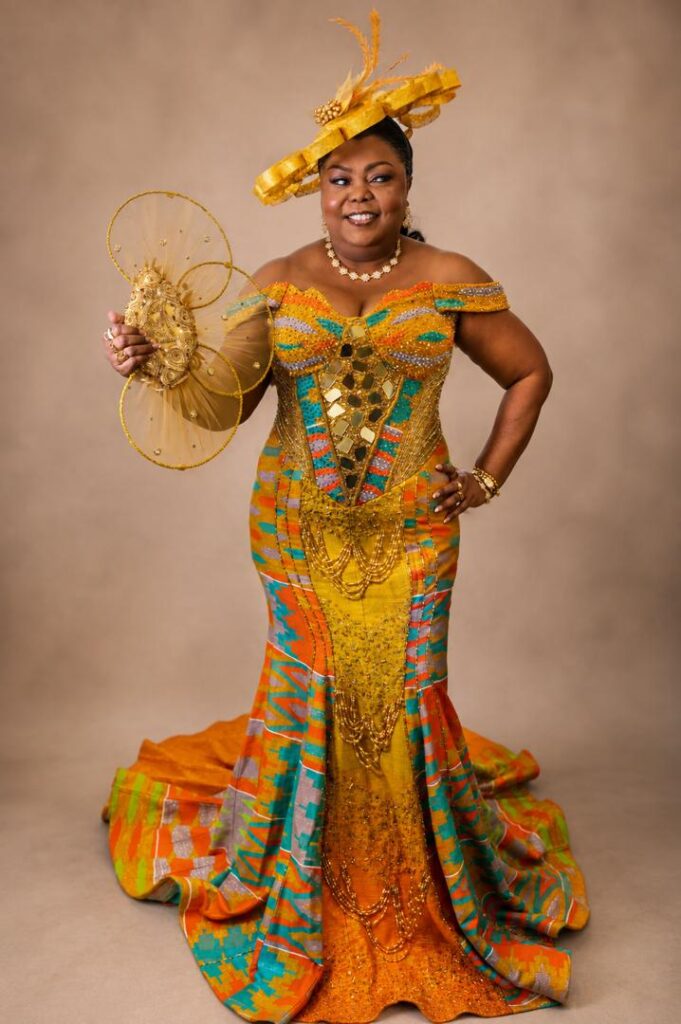
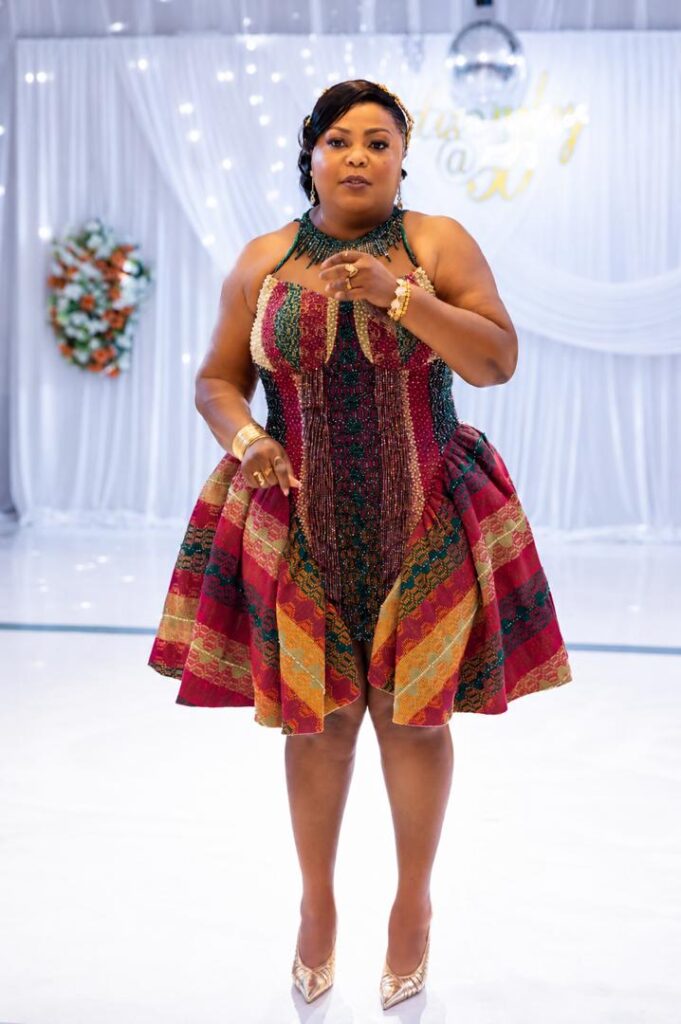
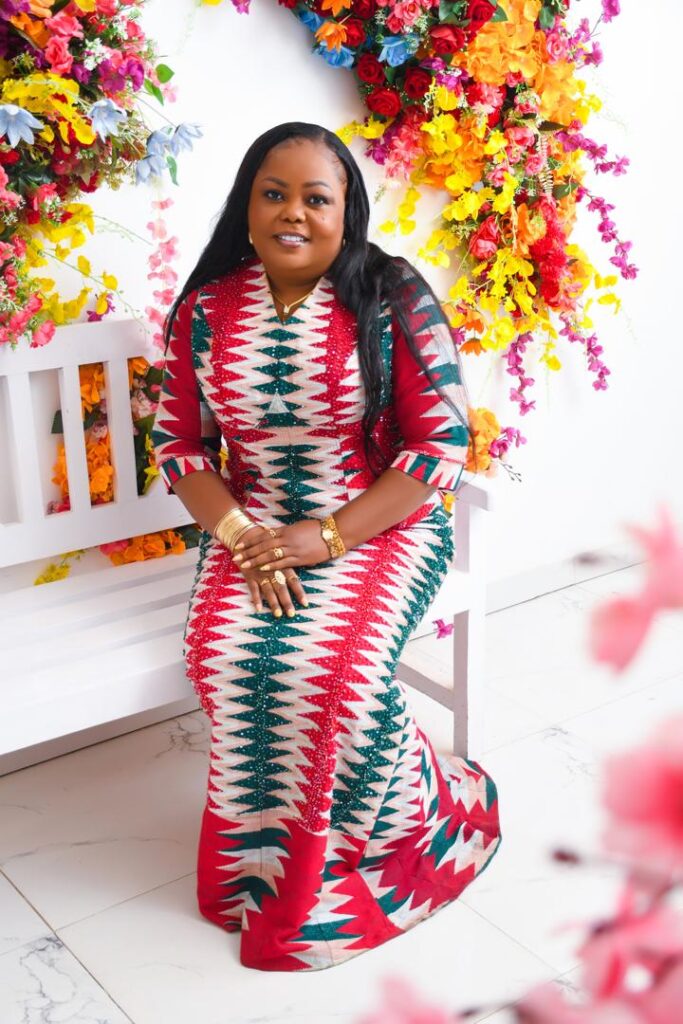
For three years, Elizabeth kept things running smoothly at a fast-paced law firm. Around this time, she also got married to Chief Eng. Daniel Nii Ayi Sackey, Head of Marine Engineering, Ghana Ports and Harbours Authority, with whom she has a daughter.
But Elizabeth wanted more out of life. Balancing a busy life, she went back to school which then pushed her forward into Regent University, graduating with a degree in Banking and Finance in 2009.
After her National Service in the accounts office of the Volta River Authority (VRA), she and her husband took off to travel overseas many times.
Travel changes you, and for Elizabeth, it sparked a business empire. While exploring global cities, she fell in love with how international shops organised their wines by country of origin.
When she one day stepped off the plane back in Ghana, she did not look for another desk job. Instead, she took a leap of faith and launched Wines of the World Enterprise, bringing that experience straight to Accra.

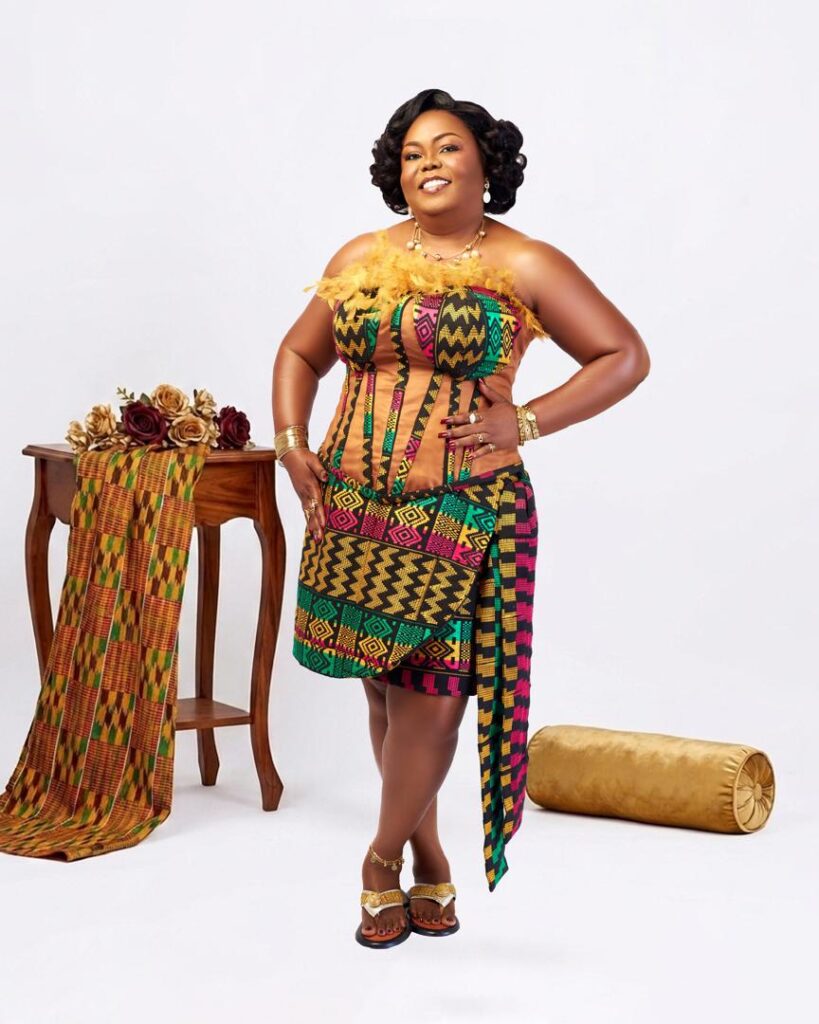
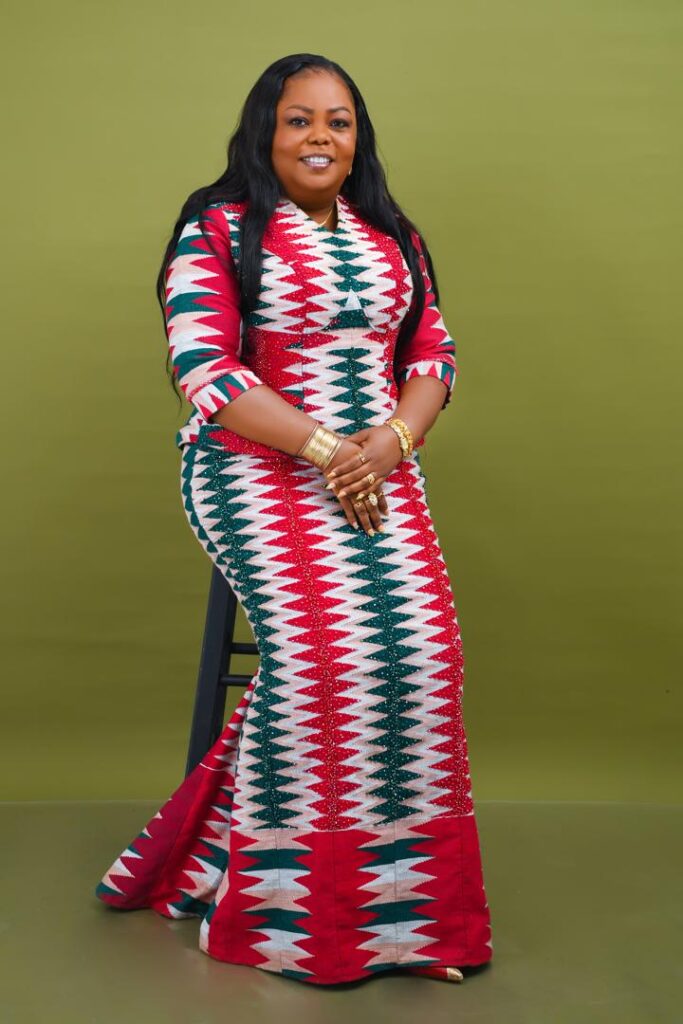
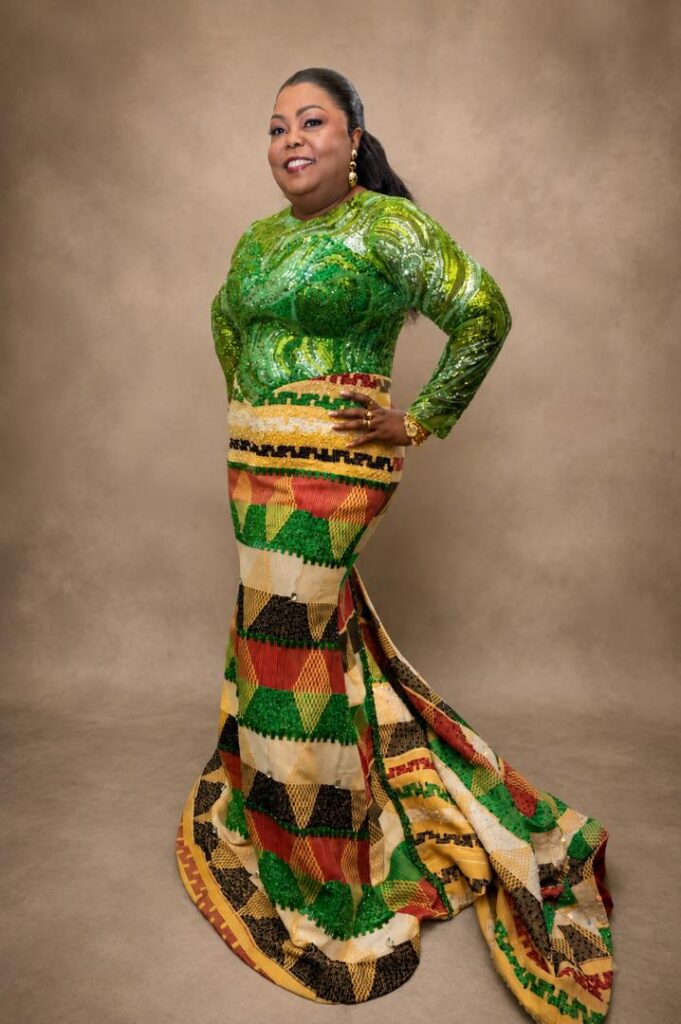
Entrepreneur by day, scholar by night. She balanced the hustle of business with rigorous study at the Ghana Institute of Management and Public Administration (GIMPA) to earn her Master’s in Development Management.
Her passion for heritage later pulled her into Ghana’s rich textile industry, where she successfully broke into the world of premium Kente.
“Thirteen years into my entrepreneurial journey, a simple gift of wine and family-woven Kente sparked a brand-new passion,” she discloses to The Spectator.
What started as casual curiosity grew into a deeply fulfilling venture dedicated to sharing Ghana’s rich cultural heritage with the world.
By sharing iconic, masterfully crafted designs like ‘Ewdenisiedwenisu,’ (a beautiful, and complex mix of many different patterns), Emerepa (a distinct collection of traditional structures), and the regal Obaama cloth, she is driving Ghana’s cultural tourism straight into the global spotlight.
After transforming that single baby gift into a thriving venture, she has taken Ghana’s rich heritage far beyond to local borders.
“I help people globally to choose the perfect colours for their most sacred occasions, using tradition to boost our national tourism. So far, so good,” she declares with pride.”
By introducing the vibrant art of Kente to international audiences, especially those who had admired the fabric from afar but had never actually worn it, she is proving that culture is Ghana’s greatest global asset.
Mrs Elizabeth Sackey firmly believes that if the nation heavily champions the Kente industry, it will skyrocket Ghana’s cultural tourism to incredible new heights.
“The future of Kente is bright and wide,” she states with absolute conviction. International travellers are no longer just admiring the fabric; they want to wrap themselves in it.
“Pairing an intricately designed Kente with a bold, plain Kente is the ultimate secret,” she reveals with a smile.
For her, styling clients is not just part of the job, it is a natural gift. The moment a client mentions their colour, her creative instincts take over. She freely guides people to their perfect match, ensuring that every vibrant shade shines beautifully for their special occasion without overwhelming the eye.
“Choosing the Kente is one thing, but finding the right person to sew it is an entirely different battle,” she points out.
For her, ensuring a flawless final look means going the extra mile. She frequently steps in to consult directly with fashion designers, dictating the exact style and required yard to protect the fabric’s integrity. It is a meticulous, hands-on approach born out of necessity.
Despite the immense fulfillment of her textile venture, her journey has been paved with steep hurdles to surmount.
“When the rains fall, the looms slow down and that is just the beginning of the battle,” she reveals.
She says the rainy season brings severe production delays, making bulk orders of complex designs a test of patience. Worse than the weather, however, is the threat of cultural theft. Shoddy imitators and opportunistic businessmen are stealing sacred Kente patterns like ‘Meba wo abrokyire’ (My child lives abroad) and printing them cheaply onto ordinary cloth.
Fiercely protective of Ghana’s heritage, she is calling on the government to step in, secure the borders, and legally halt the mass piracy of Ghana’s intellectual property.
Liz Sackey is a proud member of the International Central Gospel Church (ICGC). She enjoys unwinding in the kitchen, cooking to the rhythm of her favourite music.
Turning 50 has only amplified her mission to inspire the next generation, sending a powerful wake-up call to the youth to stop being idle.
“The future is bright so grab the massive opportunities waiting for you and boldly venture into new fields,” she advises.
By Georgina Quaittoo
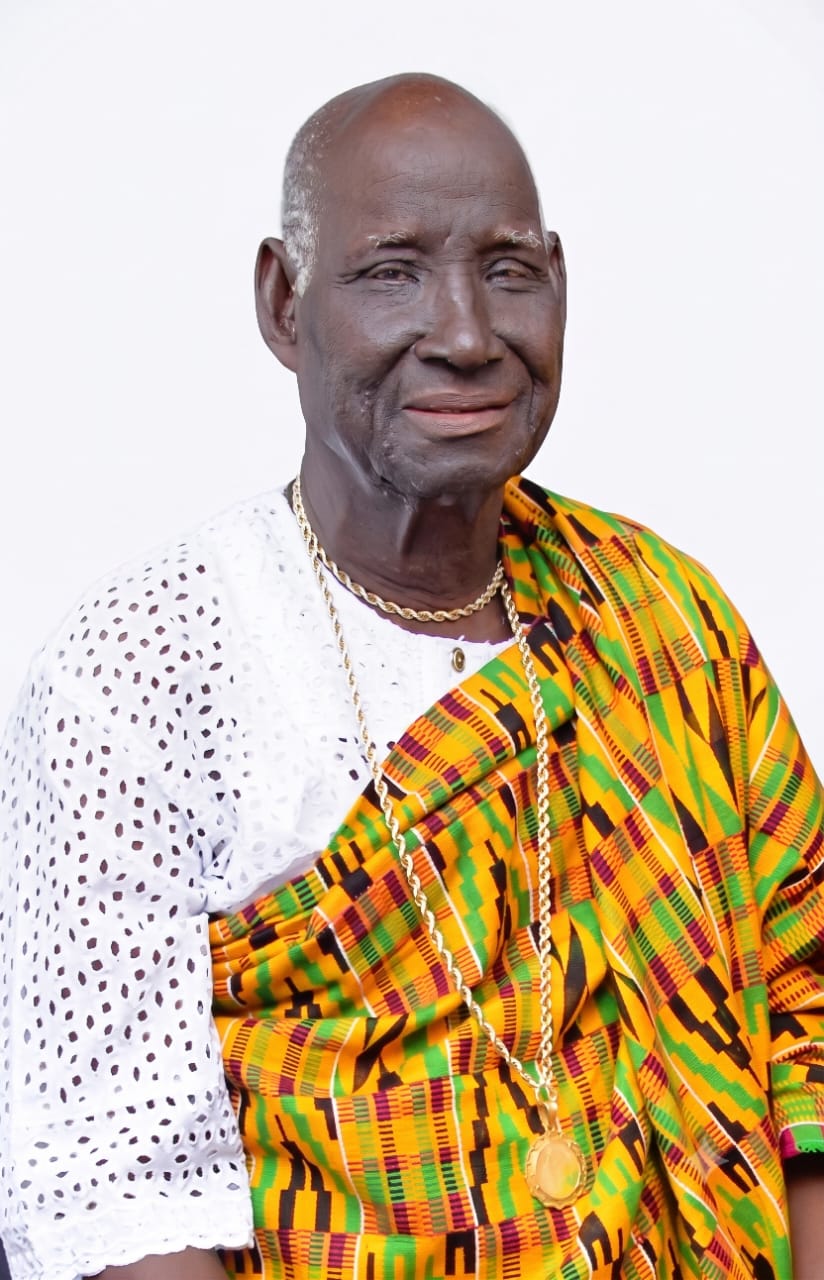
At 100, Charles Baako Moses is more than a centenarian. He is a living witness to a century of Ghana’s history and a man whose life has been defined by faith, leadership, enterprise and service.
As he celebrates this extraordinary milestone, the General Overseer of The Holy Church of God looks back on a remarkable journey that has touched generations and contributed to the growth of an enduring religious institution.
His story is one of longevity, but more importantly, it is a story of impact.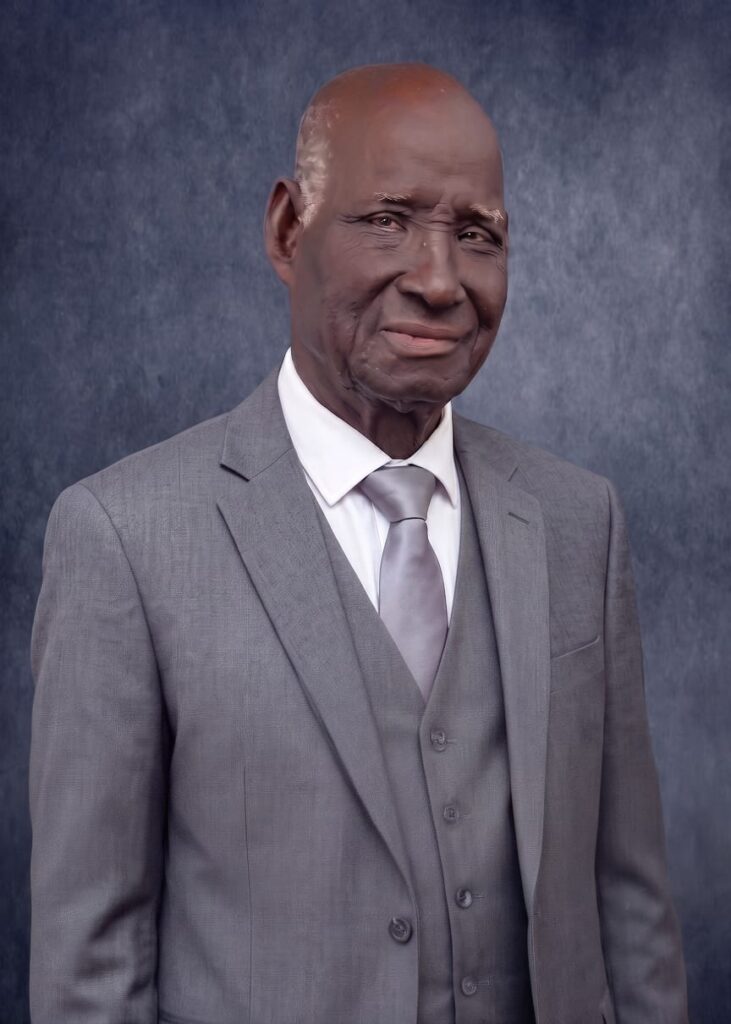
Born in 1926 at Saltpond, Mr Moses was the son of Ghana’s first African Director of Prisons. At the age of seven, his grandmother took him to Accra, where he spent part of his childhood and played football at Mabona in James Town.
His life has also been intertwined with some of the defining moments in Ghana’s history. In 1939, as a young boy, he experienced the earthquake that shook parts of the country. Years later, on March 6, 1957, he was among schoolchildren who marched at the Old Parliament House to mark Ghana’s independence.
One of the defining chapters of Mr Moses’ life is his role in establishing The Holy Church of God at Parakuo Estates, Dome.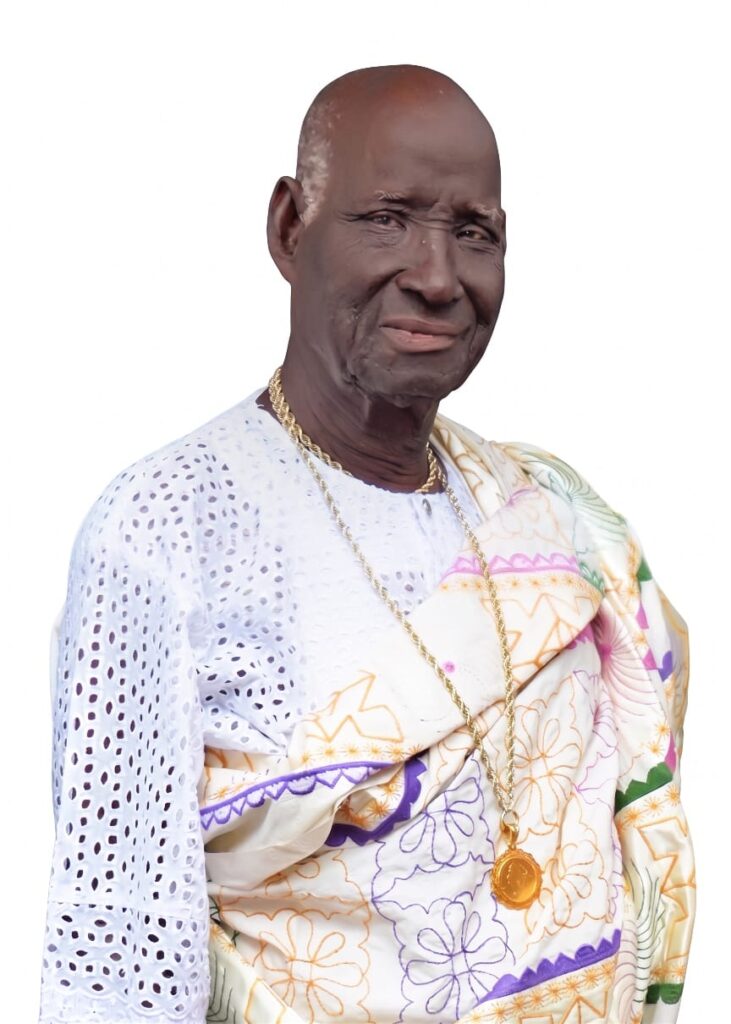
Together with his father, he helped build the fellowship from its formative years into an institution that would stand the test of time.
The fellowship attracted a number of prominent personalities in Ghana’s political history, including Ako-Adjei, Gbedemah, Dr Kwame Nkrumah and Victor Owusu.
Their association with the fellowship reflected the important role religious institutions played in Ghanaian society, particularly during the country’s formative years.
The Holy Church of God celebrated its 70th anniversary last year, marking seven decades of worship, service and community life.
For Mr Moses, the longevity of the church represents more than an institutional achievement. It is the fulfilment of a vision nurtured through years of commitment, sacrifice and perseverance.
Long before becoming General Overseer, Mr Moses was already combining faith, education and enterprise. He founded evening classes and taught, while also preaching from village to village with a lamp and a bell at nine o’clock every night.
He also helped establish a Baptist church and ventured into agriculture, planting cocoa, plantain and coconut. His entrepreneurial spirit later saw him build a juice business using oranges from his own farm.
As General Overseer, Mr Moses has provided steady leadership to the church, guiding both its spiritual and administrative affairs.
His leadership has been shaped by experience, discipline and a strong sense of responsibility. Over the years, he has nurtured generations of church members and leaders, helping to preserve the institution’s values while guiding it through changing times.
His wisdom and humility have earned him respect, while his perseverance has enabled him to remain committed to the institution he helped build.
Mr Moses’ contribution extends beyond religious leadership. He has also distinguished himself through entrepreneurial activities in transport, agribusiness and manufacturing.
His involvement in these sectors demonstrates his appreciation of enterprise and the importance of creating opportunities through productive economic activity.
His entrepreneurial vision has added another dimension to a life already marked by spiritual and institutional leadership.
Mr Moses has devoted his lifetime to faith, family and community service and development. He is also regarded as a mentor and role model to many, as well as a life coach, researcher, philanthropist and humanitarian.
Through his philanthropic activities, many people have experienced what his profile describes as new life, salvation and hope.
He is a family man and a father of seven children, adding family to the institutions and communities that have benefited from his lifetime of leadership and service.
Mr Moses’ contribution to leadership and institutional development has also received academic recognition.
He holds an Honorary Master of Business Administration (MBA) from Cambridge International College (CIC), an honour recognising his contributions to leadership and institutional development.
Turning 100 is a rare achievement, but Mr Moses’ centenary carries added historical significance because his life has unfolded alongside major chapters in Ghana’s development.
He has witnessed the country move from colonial rule to independence and through decades of political, social, economic and technological transformation.
His association with personalities such as Dr Kwame Nkrumah, Ako-Adjei, Gbedemah and Victor Owusu places aspects of his personal journey within Ghana’s broader national history.
His life therefore offers younger generations an opportunity to appreciate how much society has changed and to learn from the values that enabled his generation to build institutions under very different circumstances.
Over the years, he has provided spiritual and administrative leadership to generations of believers, pursued business interests across several sectors and remained committed to family and community.
His centenary is not only a personal celebration but also a celebration of an institution and generations of people whose lives have been influenced by his example.
For the younger generation, Mr Moses’ centenary also comes with a message shaped by a lifetime of experience.
He advises the youth to listen to their parents, noting that their guidance comes from experience, love and a desire to see them succeed. He urges young people to remain disciplined, work hard, value education and surround themselves with positive influences.
“The choices you make today will shape the future you enjoy tomorrow,” he counsels.
Charles Baako Moses enters his second century with a legacy firmly established.
His centenary is also marked by another honour, as he is set to receive an Honorary Doctor of Humane Letters (Honoris Causa) and have his name included in the institution’s Hall of Fame, further recognising a lifetime of faith, leadership and service.
By Spectator Reporter