Profile
Dzifa Abla Gomashie, first female MP for Ketu South Constituency


- /home/u249204778/domains/spectator.com.gh/public_html/wp-content/plugins/mvp-social-buttons/mvp-social-buttons.php on line 27
https://spectator.com.gh/wp-content/uploads/2024/08/DZIFA-ABLA-GOMASHIE.docx-720x600.jpg&description=Dzifa Abla Gomashie, first female MP for Ketu South Constituency', 'pinterestShare', 'width=750,height=350'); return false;" title="Pin This Post">
- Share
- Tweet /home/u249204778/domains/spectator.com.gh/public_html/wp-content/plugins/mvp-social-buttons/mvp-social-buttons.php on line 72
https://spectator.com.gh/wp-content/uploads/2024/08/DZIFA-ABLA-GOMASHIE.docx-720x600.jpg&description=Dzifa Abla Gomashie, first female MP for Ketu South Constituency', 'pinterestShare', 'width=750,height=350'); return false;" title="Pin This Post">
Hon Dzifa Abla Gomashie, firstfemale Member of Parliament
for Ketu South Constituency
Hon. Dzifa Abla Gomashie is the Member of Parliament for the Ketu South constituency on the ticket of the National Democratic Congress. She is also a queen mother in the Aflao traditional area in the Volta Region with the name ‘Mama Dramado’ meaning, “Take care of me, Mama.”
She appears to be living up to the title of her royal name with success. She was the deputy minister of tourism in the era of the NDC from 2013 to 2017.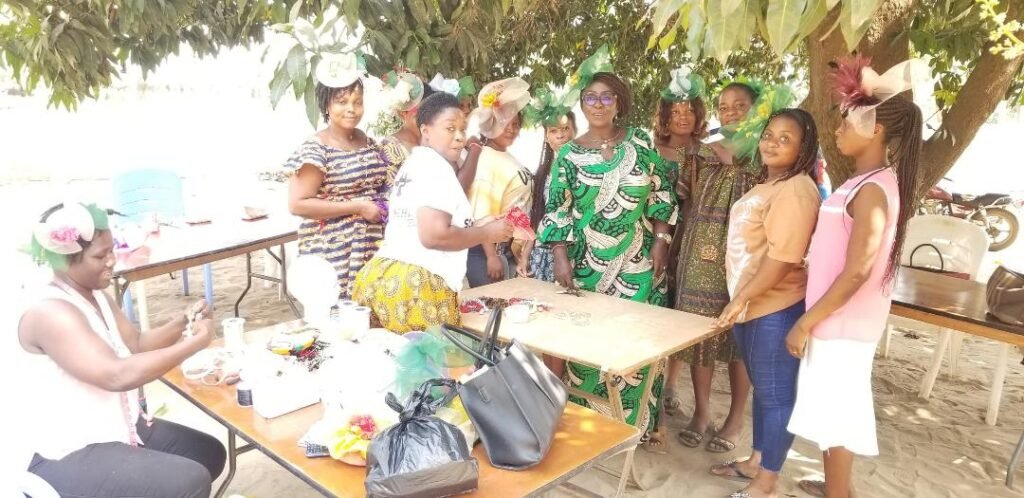
Hon. Dzifa Abla Gomashie, who ran and won on the NDC ticket to represent the Ketu South seat in the 2020 elections, is the first female Member of Parliament for Ketu South.
After winning the NDC parliamentary primaries last year, she is currently running for parliament for the same seat. Her victory margin was substantial, with 1,545 votes, compared to the 913 and 26 votes received by the other candidates, Fogah Nukunu and Jimm Morti, respectively.
Through her non-governmental organisation, Values for Life, she has been serving her people for years, helping women, children, and the youth in a variety of ways and teaching them social and entrepreneurial skills that they would not have learned in a traditional classroom.
She proclaimed openly, “I’ve been blessed with the love, respect and support I have from my constituents,” in an interview with The Spectator.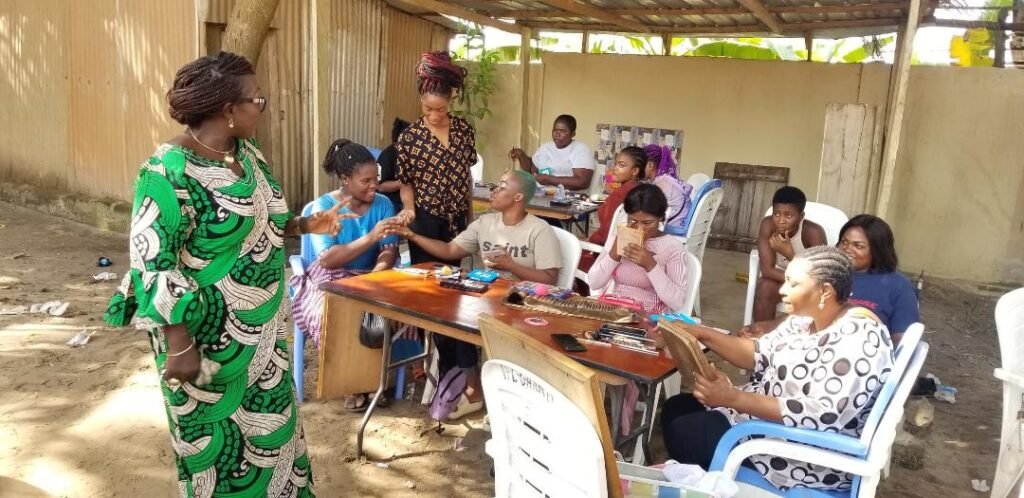
ACHIEVEMENTS
Speaking about her work as the MP for Ketu South, she mentioned that in the area of health, in 2020, 2021, and 2022, she sponsored free eye testing and screenings, performed free surgeries, and gave medication and prescription glasses to Aflao, Adina, Wudoaba, and Ativuta.
“I also constructed a clinic with a maternity ward at Anoenu in Aflao and helped the Ketu South Municipal Hospital expand its paediatric emergency unit,” she added.
Once more, she provided 46 students with GH¢1,000 each to help with their tuition fees throughout the 2020–2021 academic year.
In addition, she refurbished the Ansahrul Islamic Basic School, built and equipped an I.C.T. lab for the Skills Development Project, and provided 99 students with GH¢500 each in order to help with their school costs for the 2022–2023 academic year.
She did not only provide GH¢3,000 to assist the construction of a mechanised borehole for some Senior High Schools, but she also extended pipe-borne water from the Ketu South Municipal Assembly to the Ketu South Education Directorate.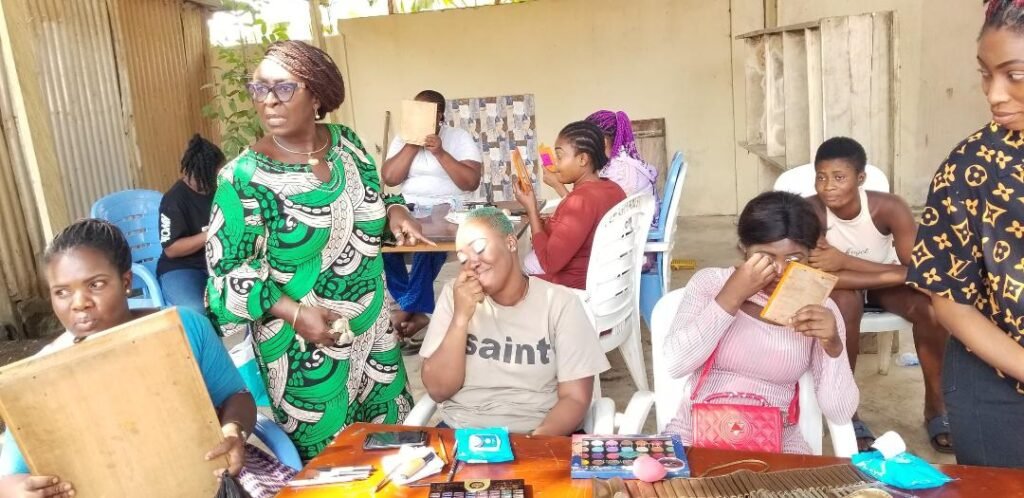
Regarding youth and sports, she gave GH¢1,500 to the Regional Football Association to help with the purchase of trophies.
Moreover, she first gave GH¢2,000 to the Municipality’s 37th National Farmers Day celebration at Lotakor. She then provided laterite and 20 loads of sand to support the GH¢13,000 rehabilitation of Awakorme Road.
The Ketu South MP has also made a significant appearance in the area of supporting people with disabilities. She gave GH¢3,000 to help fund the visually impaired children’s transition from Chicago-Denu’s Special School for the Blind to Mafi-Adidome’s Avekpedome Unit School for the Blind.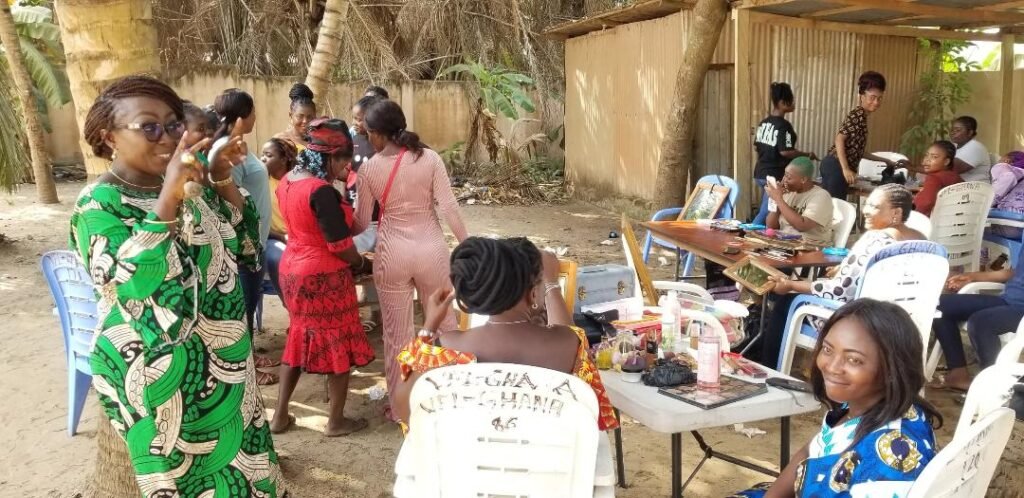
Additionally, she donated GH¢2,000 to purchase detergent and other educational items to aid in the Special Children unit of the Municipal Education Directorate’s teaching and learning initiatives.
Furthermore, she gave 10 sets of jerseys to the teams competing in the Sepenukorpe beach football tournament (Awakorme FC, Viepe FC, Abeliakorpe FC, Atorkukorpe FC, and Sepenukorpe FC). In matters of faith and customs, Hon. Dzifa Abla Gomashie backed churches, other places of worship, and customary lands within the constituency.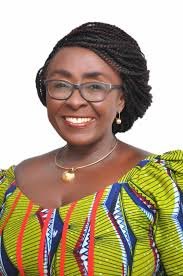
for Ketu South Constituency
Her commitment for helping the underprivileged led her to institute skills development and business programmes that give instruction in 10 different modules, including sewing, hairdressing, ICT, shoemaking, plumbing, and soapmaking.
For social intervention, the MP of Ketu Spouth gave 200 pieces of street lights to the Ketu South Municipal Assembly, organised Christmas and New Year parties for children from tidal wave communities like Adina, Salakope, Agavedzi, and Blekusu, and donated relief items to victims of tidal waves in Amutinu, Salakope and Adina, with bags, food items, and bags of cement, among other things.
She also donated a variety of goods to the Providence Orphanage Home in Aflao-Semanukorpe among others!
Despite her experience as an actor, producer, and screenwriter, she shared a few reasons for choosing to run for MP, saying, “I think I have full endorsement from my delegates and people so I can run an election.”
In order to realise her goal of raising her constituents’ level of life, she asks her supporters to assist her in electing the NDC to power.
She expressed the hope that the legally mandated institutions will meet the standards necessary for free, fair, and transparent elections. When asked what she would think if her wishes were not fulfilled, she answered right away, “We will win convincingly through fair means.”
EDUCATION
Hon. Dzifa Gomashie graduated with a Bachelor of Fine Arts from the University of Ghana’s School of Performing Arts in 2003, and she went on to get a Master of Philosophy from the Institute of African Studies, University of Ghana, from 2005 to 2008. She had previously studied Theatre Arts from 1994 to 1998 at the same university’s School of Performing Arts, where she received a Diploma in the field.
After completing her Ordinary Level in General Arts at St. Louis Secondary School in Kumasi in 1985, she went to Snapps College Ghana from 1992 to 1994. She obtained a Certificate of Education in General Arts at the Advanced Level there.
Hon. Dzifa Abla Gomashie is a widow with children. She feels that in order to sustain herself, her family, and others, she must work hard and do quality work since hard effort pays off.
Apart from her rigorous work schedule, she has always had a passion for dance since she ‘popped out of her mother’s womb.’
Although she claims that her electorate is quite large, she received 84,000 votes from voters when she ran for office the first time.
Regarding the question of whether the Affirmative Action Bill’s passage into law will give women hope, she responded that it is not a solution to every issue that affects women.
“We need to step up advocacy because it’s a never-ending cycle,” she continued.
By Georgina Quaittoo

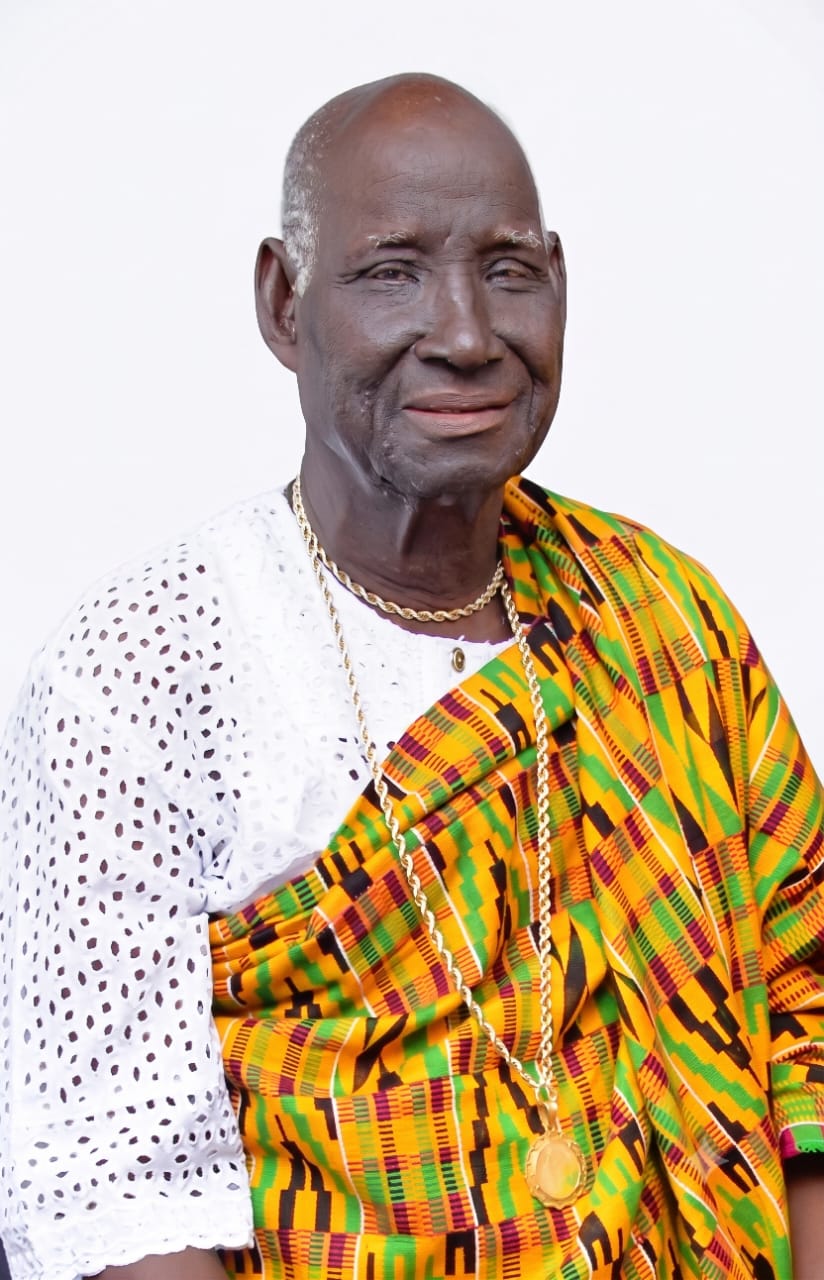
At 100, Charles Baako Moses is more than a centenarian. He is a living witness to a century of Ghana’s history and a man whose life has been defined by faith, leadership, enterprise and service.
As he celebrates this extraordinary milestone, the General Overseer of The Holy Church of God looks back on a remarkable journey that has touched generations and contributed to the growth of an enduring religious institution.
His story is one of longevity, but more importantly, it is a story of impact.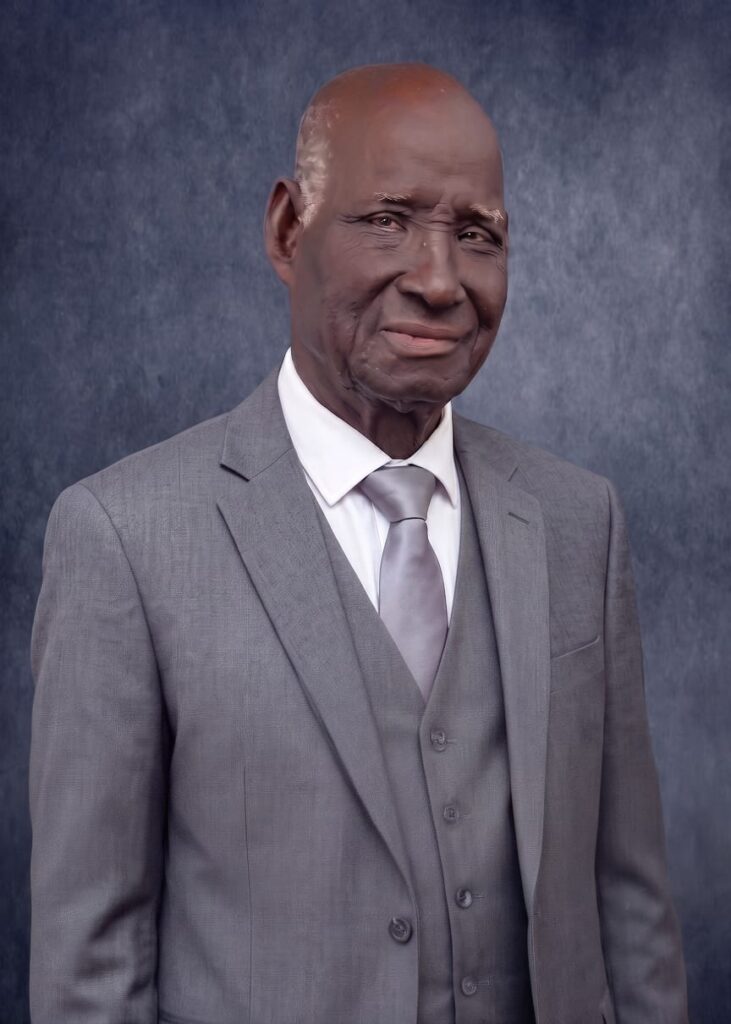
Born in 1926 at Saltpond, Mr Moses was the son of Ghana’s first African Director of Prisons. At the age of seven, his grandmother took him to Accra, where he spent part of his childhood and played football at Mabona in James Town.
His life has also been intertwined with some of the defining moments in Ghana’s history. In 1939, as a young boy, he experienced the earthquake that shook parts of the country. Years later, on March 6, 1957, he was among schoolchildren who marched at the Old Parliament House to mark Ghana’s independence.
One of the defining chapters of Mr Moses’ life is his role in establishing The Holy Church of God at Parakuo Estates, Dome.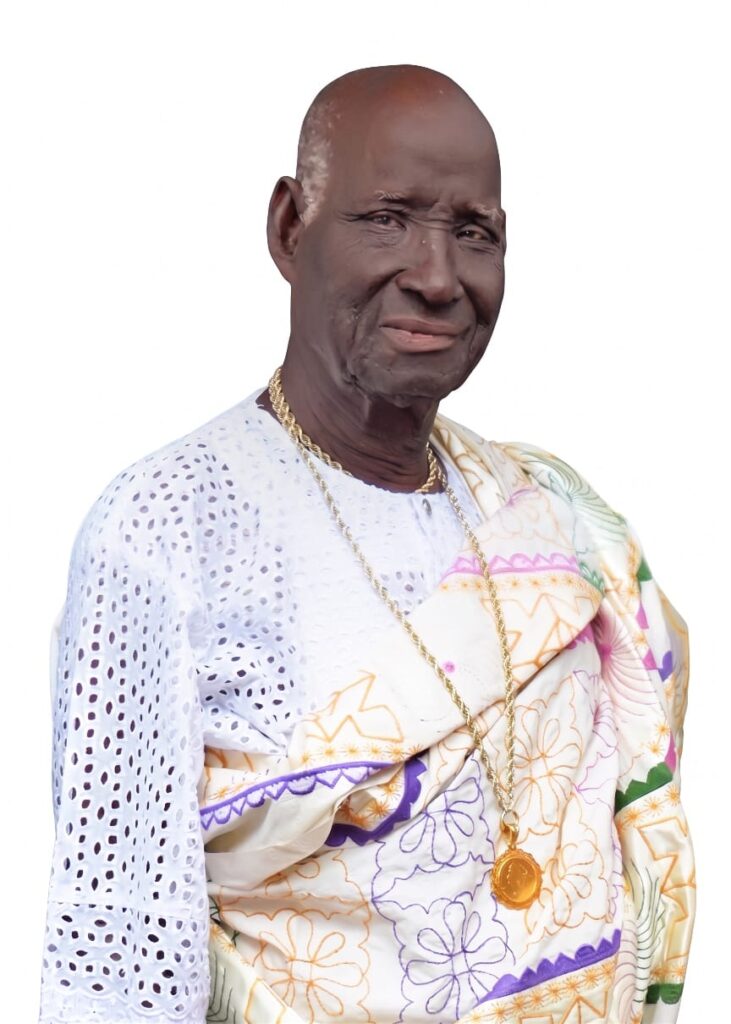
Together with his father, he helped build the fellowship from its formative years into an institution that would stand the test of time.
The fellowship attracted a number of prominent personalities in Ghana’s political history, including Ako-Adjei, Gbedemah, Dr Kwame Nkrumah and Victor Owusu.
Their association with the fellowship reflected the important role religious institutions played in Ghanaian society, particularly during the country’s formative years.
The Holy Church of God celebrated its 70th anniversary last year, marking seven decades of worship, service and community life.
For Mr Moses, the longevity of the church represents more than an institutional achievement. It is the fulfilment of a vision nurtured through years of commitment, sacrifice and perseverance.
Long before becoming General Overseer, Mr Moses was already combining faith, education and enterprise. He founded evening classes and taught, while also preaching from village to village with a lamp and a bell at nine o’clock every night.
He also helped establish a Baptist church and ventured into agriculture, planting cocoa, plantain and coconut. His entrepreneurial spirit later saw him build a juice business using oranges from his own farm.
As General Overseer, Mr Moses has provided steady leadership to the church, guiding both its spiritual and administrative affairs.
His leadership has been shaped by experience, discipline and a strong sense of responsibility. Over the years, he has nurtured generations of church members and leaders, helping to preserve the institution’s values while guiding it through changing times.
His wisdom and humility have earned him respect, while his perseverance has enabled him to remain committed to the institution he helped build.
Mr Moses’ contribution extends beyond religious leadership. He has also distinguished himself through entrepreneurial activities in transport, agribusiness and manufacturing.
His involvement in these sectors demonstrates his appreciation of enterprise and the importance of creating opportunities through productive economic activity.
His entrepreneurial vision has added another dimension to a life already marked by spiritual and institutional leadership.
Mr Moses has devoted his lifetime to faith, family and community service and development. He is also regarded as a mentor and role model to many, as well as a life coach, researcher, philanthropist and humanitarian.
Through his philanthropic activities, many people have experienced what his profile describes as new life, salvation and hope.
He is a family man and a father of seven children, adding family to the institutions and communities that have benefited from his lifetime of leadership and service.
Mr Moses’ contribution to leadership and institutional development has also received academic recognition.
He holds an Honorary Master of Business Administration (MBA) from Cambridge International College (CIC), an honour recognising his contributions to leadership and institutional development.
Turning 100 is a rare achievement, but Mr Moses’ centenary carries added historical significance because his life has unfolded alongside major chapters in Ghana’s development.
He has witnessed the country move from colonial rule to independence and through decades of political, social, economic and technological transformation.
His association with personalities such as Dr Kwame Nkrumah, Ako-Adjei, Gbedemah and Victor Owusu places aspects of his personal journey within Ghana’s broader national history.
His life therefore offers younger generations an opportunity to appreciate how much society has changed and to learn from the values that enabled his generation to build institutions under very different circumstances.
Over the years, he has provided spiritual and administrative leadership to generations of believers, pursued business interests across several sectors and remained committed to family and community.
His centenary is not only a personal celebration but also a celebration of an institution and generations of people whose lives have been influenced by his example.
For the younger generation, Mr Moses’ centenary also comes with a message shaped by a lifetime of experience.
He advises the youth to listen to their parents, noting that their guidance comes from experience, love and a desire to see them succeed. He urges young people to remain disciplined, work hard, value education and surround themselves with positive influences.
“The choices you make today will shape the future you enjoy tomorrow,” he counsels.
Charles Baako Moses enters his second century with a legacy firmly established.
His centenary is also marked by another honour, as he is set to receive an Honorary Doctor of Humane Letters (Honoris Causa) and have his name included in the institution’s Hall of Fame, further recognising a lifetime of faith, leadership and service.
By Spectator Reporter
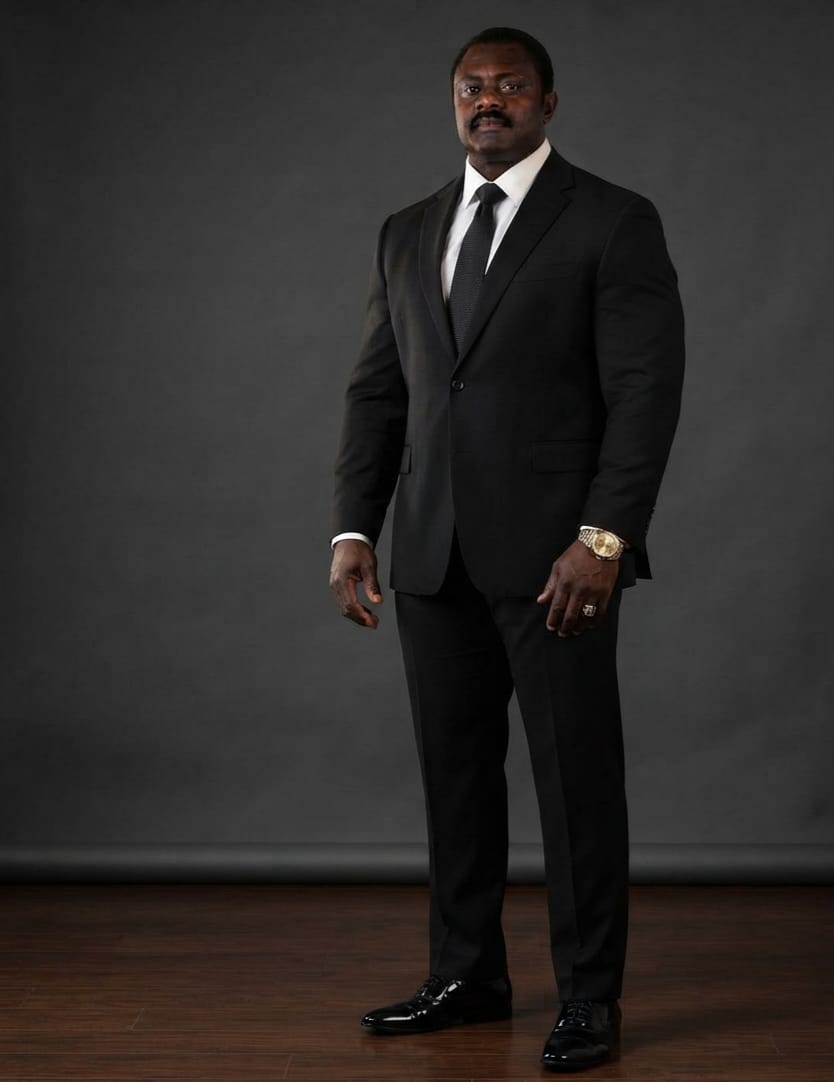
Thousands of tiny glass seed beads, carefully stitched by hand onto an old, weathered jute sack, tells a story that goes beyond art. They speak of patience, resilience and a belief that beauty can emerge from the most unexpected places.
It is a philosophy that has guided Robert Ekow Grimmond-Thompson throughout his life.
For more than three decades, Grimmond-Thompson has refused to be confined to a single profession. A software engineer, systems architect, eco artist and independent researcher, he has built a career that brings together technology, creativity and the study of human movement.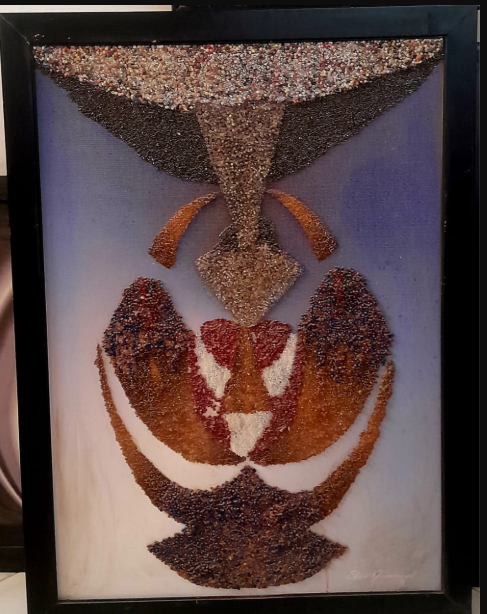
His journey is driven by curiosity, determination and an unwavering desire to understand how different fields can work together to improve lives.
His love for solving problems began in the world of computers. As a software engineer and systems architect, he developed a deep appreciation for structure, precision and logical thinking.
But the more he worked with technology, the more he became convinced that the same principles used to understand computer systems could also be applied to understanding people.
That belief led him on a lifelong journey of research into the relationship between movement, posture and emotions.
Through years of independent study and practice, he developed proprietary frameworks that he describes as Emotional Surgery and Neurokinetic Aesthetic Surgery.
According to Grimmond-Thompson, these approaches are designed to help people better understand the connection between their physical posture, emotional wellbeing and overall balance.
His work also explores ideas such as Optic Nerve Ignition, reflecting his interest in how the body’s sensory systems may influence movement and emotional wellbeing.
His decades of research are brought together in his book, Reclamation of Sovereignty. More than a collection of theories, the book reflects his belief that people should never allow difficult experiences to define them.
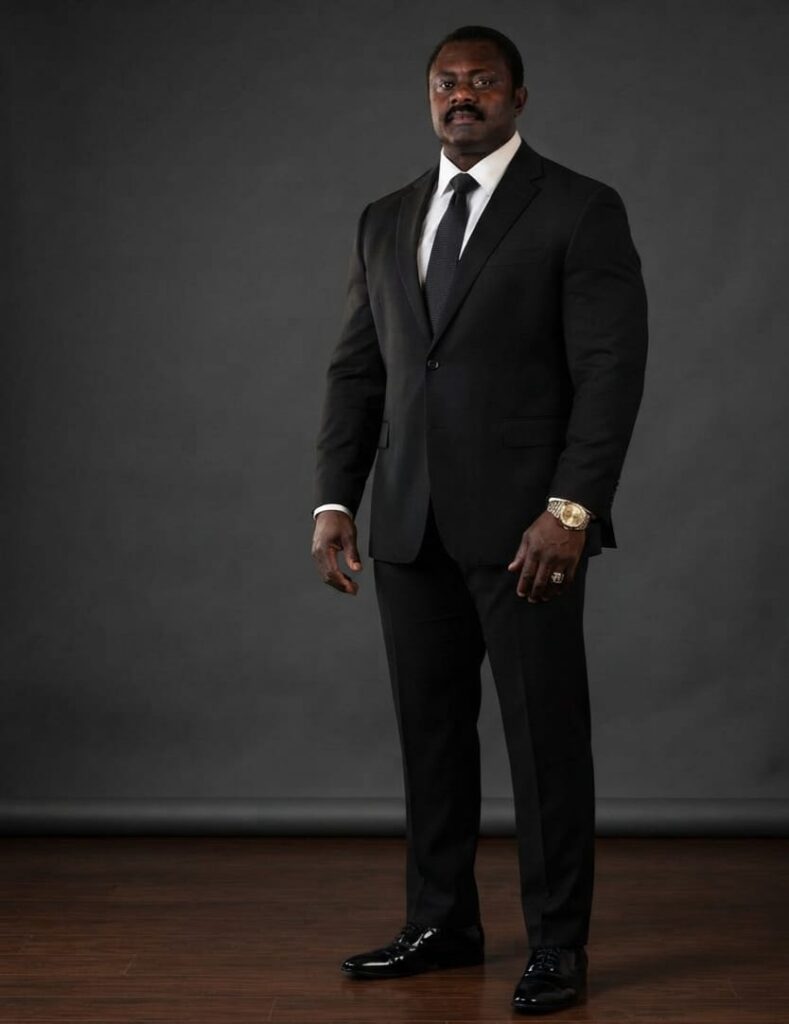
Instead, he encourages readers to see challenges as opportunities for growth, healing and personal transformation.
Away from technology, Grimmond-Thompson has found another way to express his ideas through art. As an eco-artist, he is passionate about sustainability and believes that beauty can be created from materials that many people would simply discard.
One of his most remarkable creations is Sovereign Reclamation, a monumental textile artwork made from old, weathered jute sacks decorated with thousands of tiny glass seed beads.
The painstaking work took years to complete and demanded extraordinary patience, creativity and attention to detail.
For Grimmond-Thompson, the old jute sacks represent the struggles, disappointments and scars that everyone carries through life.
The colourful beads, carefully sewn onto the fabric, symbolise hope, resilience and new beginnings. Through his art, he reminds people that their past should never be something to hide. Instead, it can become the foundation for strength, growth and a brighter future.
His philosophy extends beyond art. He believes the spaces where people live and work influence the way they think, feel and perform.
He encourages the use of colour, thoughtful design and beautiful surroundings to create environments that promote peace, creativity and emotional wellbeing.
In today’s fast-paced world, Grimmond-Thompson also believes in the importance of slowing down. Through what he calls the “Aesthetic Rest Hour,” he encourages people to take time away from the pressures of everyday life to reflect, recharge and reconnect with themselves.
In his view, moments of stillness are just as important as moments of hard work.
Another principle he lives by is self-respect. His preference for smart tailoring, good posture and a professional appearance goes beyond fashion. To him, it reflects discipline, confidence and personal dignity.
He believes the way people carry themselves often reflects how they value themselves.
Despite his many professional accomplishments, Grimmond-Thompson remains a lifelong learner with interests beyond his work.
He enjoys playing chess, a game that challenges his mind and sharpens his strategic thinking.
He also enjoys car racing during his leisure time, appreciating the focus, precision and excitement that come with the sport. These hobbies reflect the balance he maintains between careful thinking and adventure.
BY ESINAM JEMIMA KUATSINU