News
Aggrieved farmers cry to govt to stop illegal encroachment on farms


- /home/u249204778/domains/spectator.com.gh/public_html/wp-content/plugins/mvp-social-buttons/mvp-social-buttons.php on line 27
https://spectator.com.gh/wp-content/uploads/2020/06/IMG-20200608-WA0002.jpg&description=Aggrieved farmers cry to govt to stop illegal encroachment on farms', 'pinterestShare', 'width=750,height=350'); return false;" title="Pin This Post">
- Share
- Tweet /home/u249204778/domains/spectator.com.gh/public_html/wp-content/plugins/mvp-social-buttons/mvp-social-buttons.php on line 72
https://spectator.com.gh/wp-content/uploads/2020/06/IMG-20200608-WA0002.jpg&description=Aggrieved farmers cry to govt to stop illegal encroachment on farms', 'pinterestShare', 'width=750,height=350'); return false;" title="Pin This Post">
Aggrieved farmers at Saamang in the Fanteakwa South District in the Eastern Region have appealed to the Ministry of Lands and Natural Resources to prevail on BSD Mines to stop their illegal activities or they would be forced to take necessary action that may not be in the interest of the company.
According to the farmers, BSD Mines, a subsidiary of Kibi Gold Fields Ghana Limited, which mines for gold at Saamang in the Fanteakwa South District, has taken its concession beyond borders by encroaching on farmlands cultivated by individuals in the area without their consent.
Pouring out their grievances to The Spectator, one of the aggrieved farmers, Mr Eric Nkum Antwi, owner of Ever Care Venture said the company had destroyed large acres of cocoa, plantain, oil palm, cassava, cocoyam and yam farms among others which were their only source of livelihood.
According to Mr Nkum Antwi, his 1.5 acres of cocoa and plantain farms which employed two permanent and seven casual workers, had been destroyed by BSD Mines, who also dug dams on the farm without any form of negotiation between him and the company.
“My 1.5 acres of cocoa and plantain farms that could fetch me a substantial amount of money to feed my family and also pay my workers had been destroyed by this company without approaching me for any form of either compensation or negotiation.
“No one from the company had come to negotiate any terms with me and to my surprise my workers went to the farm to discover that more mining wells had been dug on my farm and my cocoa and plantain trees in which I had invested monies have been destroyed,” he fumed.
Mr Antwi also revealed that the illegal mining activities of Kibi Gold Fields Ltd had contaminated the town’s only source of drinking water, but the company compensated each household with only two bags of sachet water daily, which was woefully inadequate for the survival of the residents.
Another farmer, Opanin Kofi Sam, also confirmed that his 17.5 acre farm located at Anomaase made up of cocoa, plantain, cassava, palm trees, cocoyam, yam, and vegetables have all been destroyed by the company to extract gold.
He said a Koforidua High Court on May 6, 2020 granted a request made by Kibi Gold Fields Limited who had pleaded for out-of-court settlement, after he had filed a complaint at the law court.
“We met to negotiate on the matter and they asked me to send a proposal to them which I did as requested. They acknowledged receipt and promised to come back but I have since not heard anything from them till now,” he said.
The farmers also expressed disappointment in the traditional authorities for watching on for the company to be engaging in such illegal activities that have the potential of endangering their families into abject poverty.
When contacted on telephone, the Community Relations Officer of the company, Mr Eric Opoku Fordjour conceded that, their activities had affected some farmers around the concession site.
Meanwhile, he explained that it was not deliberate as speculated by the farmers, adding that, in the case of Mr Eric Antwi Nkum, a portion of his farm was affected when they were clearing a road to the site.
“With Opanin Kofi Sam, we agreed on an amount to compensate him, however, on the day we were to give the money to him, he asked us to go and grant bail for his nephew who had been jailed 18 years for engaging in illegal mining before he would accept the money,” he said.
He has assured that they would contact the aggrieved farmers and settle the matter amicably.
The aggrieved farmers have, however, complained that they had not received any compensation from BSD Mines.
From David Kodjo, Koforidua



The Accra Regional Police Command has arrested former professional boxer Michael Ayitey Okai, popularly known as “Ayitey Powers,” over an alleged threat of death against the Director-General of the National Sports Authority, Yaw Ampofo.
According to the Police, the 46-year-old former boxer was arrested on Monday, August 24, 2026, in connection with the alleged threat.
The Police said the arrest followed a video circulating on social media in which Ayitey Powers is alleged to have issued the threat against Mr Ampofo.
He is currently in Police custody and is assisting with investigations.
The Accra Regional Police Command said investigations are ongoing to establish the circumstances surrounding the alleged threat and determine the appropriate action to be taken in accordance with the law.
The Command has urged the public to refrain from sharing unverified information about the matter while the investigation continues.
By: Jacob Aggrey
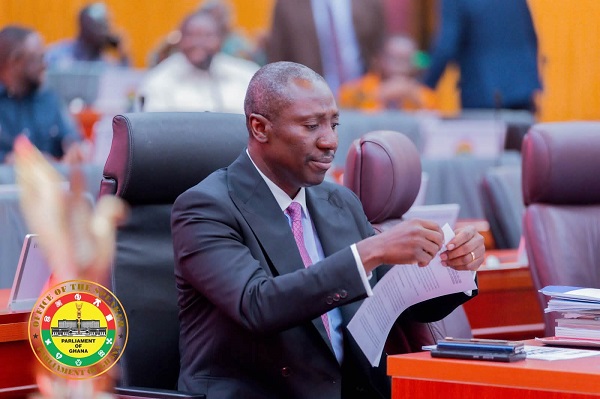
Minority Leader in Parliament Alexander Afenyo Markin has sued the Chief Executive Officer of the Ghana Gold Board (GoldBod), Sammy Gyamfi, and Multimedia Group Limited over alleged defamatory comments made against him on the Newsfile programme.
In a writ filed at the High Court in Accra, Mr Afenyo Markin is seeking GH¢15 million in damages, an apology and retraction of the statements, among other reliefs.
The suit follows comments allegedly made by Mr Gyamfi during the Saturday, August 22, 2026 edition of Newsfile, hosted by Samson Lardy Anyenini.
According to the statement of claim, Mr Gyamfi described Mr Afenyo Markin as an “extortionist” while responding to a question about GoldBod’s reported profits and its position on losses arising from its operations.
The plaintiff claims that Mr Gyamfi repeated the allegation when the host sought clarification on whether he stood by the description.
Mr Afenyo Markin further claims that Mr Gyamfi challenged him to sue him and insisted that the allegation was true.
The plaintiff argues that the statements created the impression that he engages in extortion, uses his political influence to put improper pressure on public institutions and officials, and conducts himself in a manner inconsistent with the standards expected of a lawyer and public office holder.
He denies the allegations and maintains that he is not an extortionist and has never engaged in the conduct alleged by Mr Gyamfi.
The Minority Leader also argues that the comments were made maliciously and were presented as facts without evidence being disclosed.
He claims the statements have damaged his reputation, professional standing and public image, particularly because of his position as a senior political figure and legal practitioner.
The suit also names Multimedia Group Limited as a defendant because, according to the plaintiff, the alleged defamatory comments were broadcast through JoyNews and subsequently circulated on social media platforms, including X, Facebook and YouTube.
Mr Afenyo Markin claims Multimedia failed to stop the comments or deactivate Mr Gyamfi’s microphone after the allegations were made.
He is therefore asking the court to award him general, aggravated and exemplary damages, as well as GH¢15 million in compensation and legal costs.
He is also seeking an order compelling the defendants to issue a full, unconditional and unequivocal retraction and public apology.
The plaintiff wants the apology and retraction to be given similar prominence and reach as the original publication, including through JoyNews and the social media platforms where the comments were disseminated.
He is further seeking a permanent injunction preventing the defendants from repeating the alleged defamatory statements or words with a similar meaning.
The writ requires the defendants to enter an appearance within eight days after being served.
It warns that failure to do so could result in judgment being entered in their absence.
The case was filed by lawyer Paa Kwesi Abaidoo of Dehyena Chambers on behalf of Mr Afenyo Markin.
By: Jacob Aggrey