Sports
Why local footballers struggle to break into Black Stars


DESPITE producing some of the most talented footballers on the continent, Ghana’s senior national team, the Black Stars, has long been criticised for overlooking local talent.
While players plying their trade in top European leagues regularly feature in the team, those cutting their teeth in the Ghana Premier League (GPL) and other domestic competitions often find themselves left out in the cold.
This trend raises important questions about the selection process, talent identification, and the role of local football in nurturing the next generation of Black Stars.
This article seeks to explore the reasons behind this phenomenon and examine the implications for Ghanaian football as a whole.
Reasons
Lack of exposure: Local footballers may not get the same level of exposure as their European-based counterparts, making it harder for national team coaches to notice them.
Preference for European-based players: Coaches may prefer players with experience in top European leagues, perceiving them as more skilled and battle-hardened.
Limited scouting: Insufficient scouting efforts in local leagues might lead to talented players being overlooked.
Competition: The level of competition in local leagues might be perceived as lower compared to European leagues.
Player migration: Many talented Ghanaian players migrate to foreign clubs at a young age, making them more visible to national team selectors.
Selection bias: Coaches might have preconceived notions or biases towards certain players or leagues.
Infrastructure and resources: Local clubs might lack the infrastructure and resources to develop players to their full potential.
Media: Media and public expectations might influence selection decisions, favouring more high-profile players.
Implications for local players
Demotivation: Constantly being overlooked can demotivate local players, affecting their performance and enthusiasm.
Limited opportunities: Lack of representation in the national team limits opportunities for local players to gain international exposure and experience.
Exodus: Frustrated local players might seek opportunities abroad, potentially weakening the local league.
Stunted development: Without national team experience, local players might miss out on high-level coaching, training, and competition.
Loss of confidence: Repeatedly being passed over can erode a players’ confidence in their abilities.
Career impact: Not making it to the national team can impact a players’ career prospects and earning potential.
Perception of inadequacy: Local players might feel their talent and hard work aren’t recognised or valued.
Brain drain: Top local talents might be lured away by foreign clubs, depleting the local league’s quality.
Implications for local clubs
Financial impact: Local clubs might lose revenue from transfer fees and sponsorships if their top players are consistently overlooked by the national team.
Decreased visibility: Lack of national team representation can reduce local clubs’ visibility and exposure, making it harder to attract fans, sponsors, and top talent.
Demotivation of players, coaches: If local clubs’ players are consistently overlooked, it can demotivate coaches and players, affecting team performance and morale.
Talent drain: Local clubs might struggle to retain top players who seek opportunities abroad, weakening the league’s overall quality.
Loss of pride, prestige: Not producing national team players can diminish local clubs’ pride and prestige, impacting their reputation and fan support.
Reduced investment: Investors and sponsors might be deterred from supporting local clubs if they don’t see a clear pathway to national team representation.
Stunted League development: The local league’s growth and competitiveness might suffer if top players aren’t given opportunities to develop and showcase their skills at the national level.
Impact on fan engagement: Fans might lose interest in local clubs if they don’t see their favourite players represented in the national team.
Implications on GPL
Decreased competitiveness: Lack of national team representation for local players might lead to decreased competitiveness and quality in the league.
Loss of top talent: The league might struggle to retain top players who seek opportunities abroad, weakening its overall strength.
Reduced fan interest: Fans might lose interest in the league if they don’t see their favourite players represented in the national team.
Financial impact: Reduced interest and visibility could lead to decreased revenue from sponsorships, broadcasting rights, and ticket sales.
Stunted growth: The league’s growth and development might be hindered if local players aren’t given opportunities to showcase their skills at the national level.
Perception of inferiority: The league might be perceived as inferior, deterring top players, coaches, and investors from participating.
Impact on sponsorship: Sponsors might be hesitant to invest in the league or local clubs if they don’t see a clear return on investment.
Talent development: The league’s ability to develop and nurture young talent might be compromised if players aren’t exposed to high-level competition.
Solutions
Increased scouting: National team coaches and scouts should regularly attend local league matches to identify and talent-spot.
Local League development: Invest in improving local league infrastructure, coaching, and resources to enhance player development.
Exposure opportunities: Create more opportunities for local players to gain international exposure through friendlies, tournaments, or training camps.
Merit-based selection: Ensure national team selection is based on merit, talent, and form, rather than bias or reputation.
Local talent identification programmes: Establish programmes to identify and nurture young talent in local clubs and Leagues.
Collaboration between local clubs and national team: Foster closer relationships between local clubs and the national team to facilitate player development and selection.
Coaching and training: Provide local players with access to high-quality coaching, training, and resources to enhance their skills.
Media and public awareness: Raise awareness about the importance of local talent development and the potential of Ghanaian players.
Player development pathways: Establish clear pathways for local players to progress to the national team, including youth development programmes.
Review selection process: Regularly review and refine the national team selection process to ensure fairness, transparency, and merit-based selection.
Conclusion
In conclusion, the struggles of Ghanaian local footballers to break into the Black Stars are a complex issue rooted in various factors.
However, by acknowledging these challenges and implementing solutions that promote local talent development, increase exposure opportunities, and ensure merit-based selection, Ghanaian football can unlock the potential of its local players.
It’s time to give local talent a chance to shine on the biggest stage.
By doing so, we can strengthen the Black Stars, revitalise the local league, and inspire a new generation of Ghanaian footballers. The future of Ghanaian football depends on it.
By Seth Armah Casillas
Join our WhatsApp Channel now!
https://whatsapp.com/channel/0029VbBElzjInlqHhl1aTU27

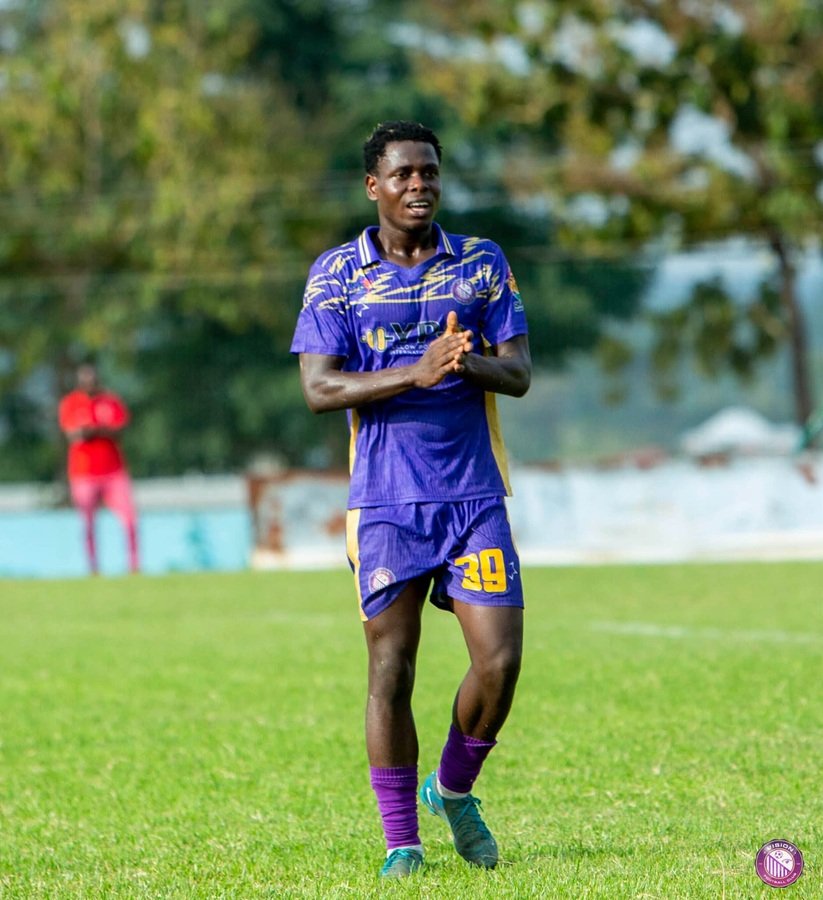
Accra Hearts of Oak will aim to assume the top spot of the Ghana Premier League (GPL) when they travel to Tema to face Vision FC at the Nii Adjei Kraku Sports Complex today.
Perched at the second spot and trailing leaders Medeama with three points, the Phobians would need to snatch the maximum points and a superior goal aggregate to have a taste of the top spot, at least for a day.
It will be a game full of fireworks considering Hearts’ impressive performance on the road against Vision’s strength at home.
The Matchday 6 games would also witness a Saturday clash between Heart of Lions and Berekum Chelsea FC at the Kpando Stadium.
Asante Kotoko’s home clash against Young Apostles will headline tomorrow’s games as they aim to bounce back after the previous week’s defeat in Swedru.
At the Nsenkyire Sports Arena, FC Samartex will test Medeama SC’s character when they clash in what could affect their respective positions on the table after the round seven matches.
After the giant-killing feat over Asante Kotoko, Swedru All Blacks will lock horns with Karela United at the Swedru Stadium just as Basake Holy Stars engage Bechem United at the AAK II Sports Arena,
Fireworks is anticipated at the Debibi Presby Park in the Bono region where Debibi United FC look poised to face Gold Stars.
At the Nana Agyemang Badu I Park, Aduana FC will welcome FC Ashantigold in a clash that will see fans applaud afternoon.
By Andrew Nortey
SKIP THE QUEUE, TAP THE NEWS
You can now read the Ghanaian Times and The Spectator newspapers from the comfort of your device via TimesNewsPlus.
Join our WhatsApp Channel: https://whatsapp.com/channel/0029VbBElzjInlqHhl1aTU27

Over two decades ago, I made a statement that if I was given the sole responsibility to come out with the league fixtures for the season, I could give some advantage to some clubs and make winning the league difficult for other clubs. People laughed it off.
To them, it didn’t make sense because in a league in which all clubs play each other twice, things will ‘balance out,’ and the best club will win. I disagree, and I will explain.
In recent times, it seems Kumasi Asante Kotoko has more difficult first five games in the league than arch rivals Accra Hearts of Oak. Debatable?
This is exactly one of the ways to make it difficult for a club to win the league (if a club is marginally better than the others). How can making the first matches in the league difficult for a club lead to a disadvantage for the club?
A. The club starts on a poor note and may struggle to catch up
Imagine a club playing its first five matches against its most difficult opponents. If the club draws all five matches, it will end up with five points. A rival club that plays its easiest matches in the first five games could end up with 15 points.
It will not be easy for the club with five points to catch up with the club with 15 points because other factors will come in.
B. Psychological ‘boost’ for the winning club and possible stress/’depression’ for the seemingly struggling club
The team that is winning gets a boost. They appear to be better. Their players get confident. Their strikers may be leading on the Goal King chart. Their goalkeeper(s) will be having more clean sheets – finishing matches without conceding goals.
This will be opposite for the team that played more difficult matches. The supporters may be demanding more from the players, putting them under more pressure.
Some of the players may ‘crack’ under the pressure. New players are especially more difficult to settle down. They may end up on the bench for subsequent matches and may struggle to recover and come back into the first team.
C. The coach may be sacked or may resign/leave under pressure
The coach of the club that plays more difficult matches will come under pressure. The coach is likely going to be judged by the points accrued and the position of the club on the league table, not by the quality of opposition faced.
The pressure will come from the bosses and the supporters. The coach may end up being sacked or resigning/leaving under pressure.
D. Players more likely to get injured in tough matches
The club that plays more difficult matches is likely to record more injuries of its players early in the season. Some players may miss the whole season through injuries.
On the other hand, the club that plays easier matches earlier in the season will have the luxury to substitute and rest players when they are comfortably leading in matches.
Players may not have to exert themselves so much, reducing the risk of injuries.
E. Supporters abandon the team that is not winning and may not go to the stadium to give home support
If a club is not winning, its supporters may not pay money to go to the stadium to watch matches. In fact, they may not even go to the stadium if they are asked to go and watch matches for free.
This will not only have financial consequences for the club, an almost empty stadium takes away the home advantage from the ‘intimidation’ of supporters.
The above are all reasons why the first games in the league can give an advantage or a disadvantage to clubs.
Once this it accepted, it means there must be fairness in coming up with the league fixtures if we want the best club(s) to emerge as winners who can represent the country and not disgrace the country internationally.
A transparent way of coming up with the league fixtures is needed (like how balloting is done for knockout competitions).
This way, clubs and individuals cannot complain that someone or some people decided to favour some clubs through the league fixtures.
By Dr. (Med) Kofi Effah
SKIP THE QUEUE, TAP THE NEWS
You can now read the Ghanaian Times and The Spectator newspapers from the comfort of your device via TimesNewsPlus.
Join our WhatsApp Channel: https://whatsapp.com/channel/0029VbBElzjInlqHhl1aTU27