Hot!
We’re all at risk: Diabetes not ‘rich man’s disease’ – Cardiologist

- /home/u249204778/domains/spectator.com.gh/public_html/wp-content/plugins/mvp-social-buttons/mvp-social-buttons.php on line 27
https://spectator.com.gh/wp-content/uploads/2023/03/Dr.-Francis-Agyekum-Consultant-Cardiologist.jpg&description=We’re all at risk: Diabetes not ‘rich man’s disease’ – Cardiologist', 'pinterestShare', 'width=750,height=350'); return false;" title="Pin This Post">
- Share
- Tweet /home/u249204778/domains/spectator.com.gh/public_html/wp-content/plugins/mvp-social-buttons/mvp-social-buttons.php on line 72
https://spectator.com.gh/wp-content/uploads/2023/03/Dr.-Francis-Agyekum-Consultant-Cardiologist.jpg&description=We’re all at risk: Diabetes not ‘rich man’s disease’ – Cardiologist', 'pinterestShare', 'width=750,height=350'); return false;" title="Pin This Post">
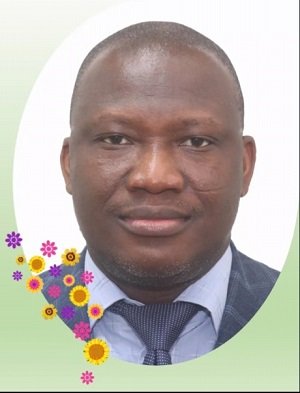
● Dr. Francis Agyekum, Consultant Cardiologist
In the past, anytime the discussion or education about diabetes came up, many people in the low and middle income categories treated it with contempt because it was believed to be a “rich man’s disease.”
Why would anyone want to pay attention to a subject that, in their opinion, does not concern them? They would rather ignore it.
However, a Consultant Cardiologist at the Korle-Bu Teaching Hospital in the Greater Accra Region, Dr. Francis Agyekum, has said that the days when diabetes was described as a “rich man’s disease” are a thing of the past because everyone can be affected.
He, therefore, advised that people attach seriousness to the subject, as ignorance could make one engage in activities that could lead to getting the disease.
Dr. Agyekum, who is also a Senior Lecturer at the College of Health Sciences, University of Ghana Medical School, advised the public that anything a person consumed could affect the individual negatively or positively.
He said it was better to be well-informed so that one could consciously be involved in lifestyles and eating habits that would help them prevent the disease.
He explained that diabetes was a chronic disease which involved spending money on accessing healthcare and care in various forms that could be a long-term.
Diabetes is a chronic metabolic disease characterised by elevated levels of glucose, which leads over time to serious damage to the heart, blood vessels, eyes, kidneys, and nerves.
Dr. Agyekum made the remarks at the Merck Foundation Health Media Training in partnership with the First Lady of Ghana, Mrs. Rebecca Akufo-Addo, Senator Dr. Rasha Kelej, CEO of the Merck Foundation and President of the Merck Foundation’s ‘More Than a Mother’ campaign, and the Ghana Journalists Association (GJA).
The programme was, among other things, aimed at promoting a healthy lifestyle and raising awareness about prevention and early detection of diabetes, and hypertension.
“Symptoms include excessive thirst (polydipsia), excessive appetite (polyphagia), excessive urination (polyuria), weight loss, vision changes, tingling feet and hands, and fatigue,” he said.
Dr. Agyekum, who is also the Vice President of the Ghana Society of Cardiology, said diabetes, a noncommunicable disease, occured from a combination of genetic, physiological, environmental, and behavioural factors, is a leading cause of death worldwide and an emerging global health threat.
While educating the media on Type 2 diabetes, he said it came with risk factors such as a family history of the disease, being 45 years of age or older, being overweight or obese, having high blood pressure, having high cholesterol, smoking, and being physically inactive.
He said to prevent it, there was a need to have a healthy body weight, and for the sake of accuracy and also to be assured of doing the right thing, the public should contact a health facility for the necessary assistance.
The Consultant Cardiologist highlighted the need for persons to be physically active, avoid tobacco use, and have a healthy diet, which ideally should be recommended by a dietician so as not to compromise one’s health.
By Dzifa Tetteh Tay


Senior Lecturer at the University of Ghana’s Department of Political Science, Dr. Joshua Jebuntie Zaato says the imprisonment of the Ashanti Regional Chairman of the New Patriotic Party (NPP), Bernard Antwi Boasiako, popularly known as Chairman Wontumi, will have little meaning unless it leads to a broader crackdown on illegal mining.
In a post on his Facebook page on the July 21, 2026, Dr. Zaato said the judgment should mark the beginning of efforts to completely eradicate galamsey and hold all those involved accountable, regardless of their political affiliation.
He said the country must work towards restoring polluted rivers, protecting forests and ensuring that people implicated in illegal mining activities are prosecuted.
According to him, those the President has publicly acknowledged to be involved in galamsey should face prosecution.
He called for the prosecution of district chief executives (DCEs), members of Parliament (MPs) and senior political party officials who have been accused of engaging in or supporting illegal mining.
Dr. Zaato further urged the government to take decisive action to end the destruction of the country’s forests caused by galamsey.
He maintained that the imprisonment of Chairman Wontumi would only have a lasting impact if it results in a comprehensive and impartial fight against illegal mining across the country.
By: Jacob Aggrey
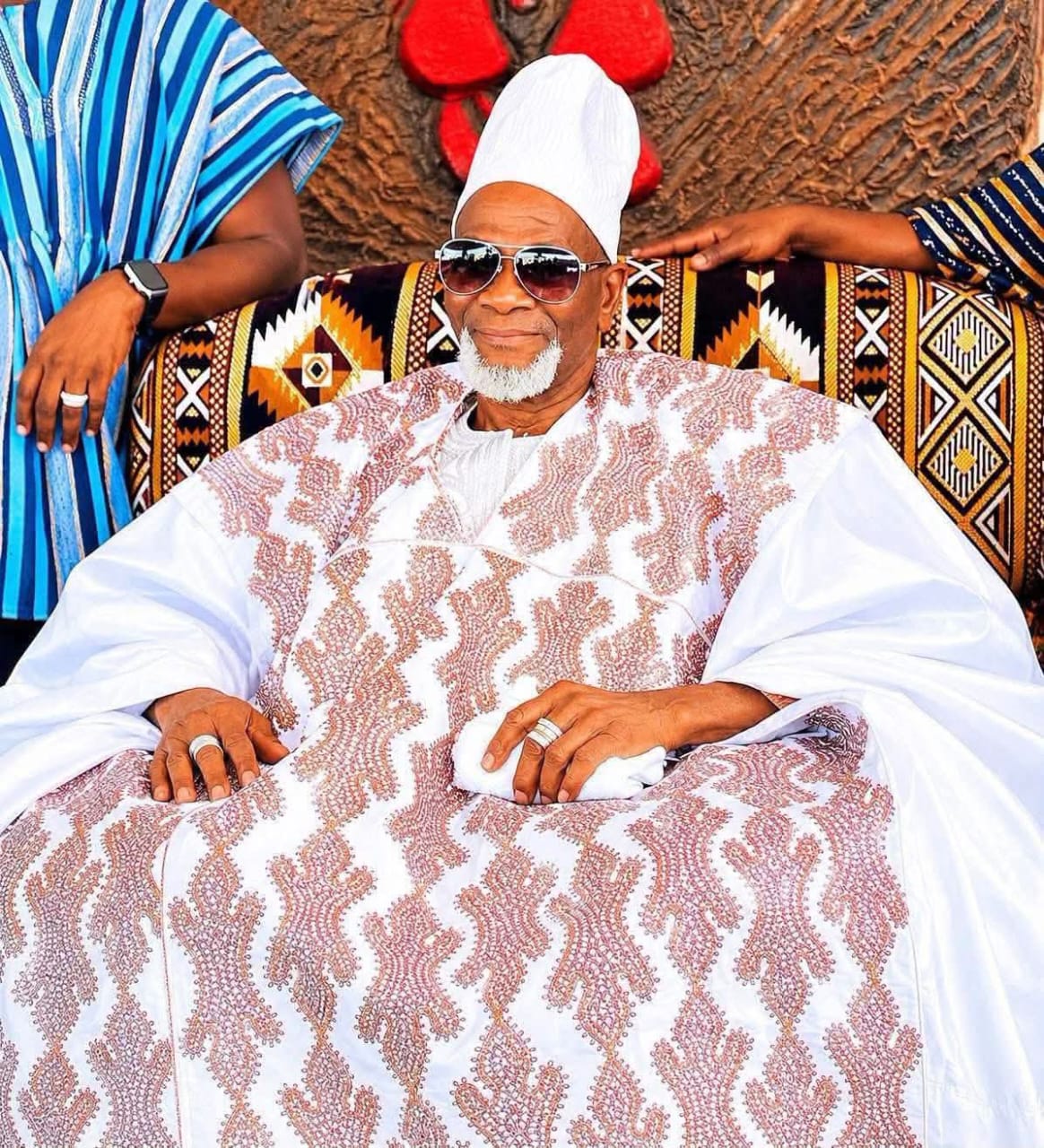
The Government of Ghana has expressed profound sadness over the passing of His Majesty Yaa Naa Abukari Mahama II, King of Dagbon.
In a statement issued on Monday, President John Dramani Mahama, on behalf of the Government, extended his deepest condolences to the Royal Family, the people of Dagbon, and the entire nation.
“The Government of Ghana has received with profound sadness the news of the passing of His Majesty Yaa Naa Abukari Mahama II,” the statement said.
President Mahama described the late King as a distinguished traditional ruler whose reign was defined by healing, reconciliation, and lasting peace in Dagbon following years of conflict.
The statement noted that His Majesty’s “unwavering commitment to unity, stability, and the welfare of his people created an enabling environment for development”and strengthened the partnership between traditional authorities and Government in advancing progress across Dagbon and Ghana.
The Government paid tribute to the life and legacy of Yaa Naa Abukari Mahama II, and honoured his invaluable service to the nation.
“May his wisdom, leadership, and dedication to peace continue to inspire future generations. May his soul rest in perfect peace,” the statement concluded.
The passing of Yaa Naa Abukari Mahama II marks the end of an era for Dagbon, which saw significant strides in unity and development under his leadership.
By Edem Mensah-Tsotorme