
News
Use of rubber and cement as food preservatives unsafe — CSIR-CRI, FDA warn

- /home/u249204778/domains/spectator.com.gh/public_html/wp-content/plugins/mvp-social-buttons/mvp-social-buttons.php on line 27
https://spectator.com.gh/wp-content/uploads/2026/03/Cement.jpg&description=Use of rubber and cement as food preservatives unsafe — CSIR-CRI, FDA warn', 'pinterestShare', 'width=750,height=350'); return false;" title="Pin This Post">
- Share
- Tweet /home/u249204778/domains/spectator.com.gh/public_html/wp-content/plugins/mvp-social-buttons/mvp-social-buttons.php on line 72
https://spectator.com.gh/wp-content/uploads/2026/03/Cement.jpg&description=Use of rubber and cement as food preservatives unsafe — CSIR-CRI, FDA warn', 'pinterestShare', 'width=750,height=350'); return false;" title="Pin This Post">
Two major agencies in the line of food safety and regulations, the Crops Research Institute of the Council for Scientific and Industrial Research (CSIR-CRI) and the Food and Drug Authority (FDA), have sounded the alarm bells, announcing intentions to crack the whip on individuals whose activities endanger the lives of local food consumers.
The CSIR-CRI and FDA have been forced to issue separate statements to caution Ghanaians to be careful with what they consume on the market.
This follows reports and videos circulating on social media about quack process being used by farmers and food vendors to make their products attractive to customers but with the potential to pose health problems.
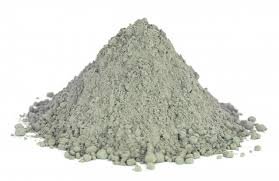
This is directly in line with a disturbing video circulating on social media showing people using cement powder as a preservative for cowpea as well as the deliberate melting of plastic in frying oil to fry plantain chips to make it crispy.
This practice, according to the two agencies constitutes direct chemical contamination of food and renders it unsafe for human consumption.
According to the CSIR-CRI statement, the practice of using cement powder as a preservative was ‘highly unsafe and unscientific,’ and outrightly condemned the practice, warning that it poses serious health risks to consumers and undermines Ghana’s food safety efforts.
The viral clip, which has unsettled farmers and traders across the Ashanti region and beyond, shows beans being mixed with cement powder in what is claimed to be a preservation method against storage pests.
But, CSIR-CRI insists the practice was dangerous.
“Cement is not a food substance and is not approved for use in food or grain preservation under any circumstance,” said Prof. Maxwell D. Asante, Director of CSIR-CRI, in a strongly worded statement.
Food safety experts fear that desperate farmers, misled by the video, could adopt the method and inadvertently poison households.
“This is not just a matter of poor practice—it is a matter of public health… We cannot allow misinformation to compromise the integrity of our food systems”, the statement indicated.
The statement urged farmers to rely on scientifically validated storage methods, including hermetic bags, approved fumigants, and traditional protectants such as neem seed powder and wood ash.
It emphasised that safe drying, clean storage facilities, and integrated pest management remain the cornerstones of cowpea preservation. “We are committed to promoting evidence-based, internationally accepted post-harvest handling practices,” it stated.
The warning comes at a time when cowpea, a staple protein source for millions of Ghanaians, faces persistent threats from bruchid beetles and other storage pests.
Farmers often struggle to balance affordability with safety in storage techniques, making them vulnerable to adopting shortcuts promoted on social media.
The statement also carried a broader message: not all information shared online is authentic, calling on the public to verify agricultural practices with extension officers or credible research institutions before adoption.
“We must protect both our efforts to improve food security, the Institute’s stance underscores the need for vigilance against unsafe practices. For now, the message is clear: cement belongs to construction sites, not in food stores.
Furthermore, the FDA’s statement specifically addressed recent allegation of using ‘rubber’ in the preparation of plantain chips, an action that poses serious health risks to consumers and violates established food safety regulations.
The authority said it had taken note of reports suggesting that some vendors were melting polyethylene, a type of plastic material, in hot oil while frying plantain chips to enhance crispiness and extend the shelf life of the snack.
It explained that plastics such as polyethylene were not food-grade substances and may release harmful chemicals when exposed to high temperatures.
It explained that heating plastic materials could lead to the release of chemical compounds including plasticisers and other additives, which may contaminate the oil and eventually the food being prepared.
The FDA cautioned that prolonged consumption of foods contaminated with such chemicals could lead to adverse health effects, including hormonal disruption and other long-term health complications.
As a result, the authority highlighted that it had begun investigations and intensified market surveillance to ascertain the authenticity of the claims.
Samples of plantain chips from various parts of the country, the FDA noted, would be subjected to laboratory analysis to determine whether plastic materials had been used during their preparation.
According to the two agencies, the use of non-food-grade substances in food preparation or preservation was an offence under the Public Health Act, 2012 (Act 851), warning that any individual or food vendor found culpable would face sanctions including prosecution.
They urged food vendors and processors to adhere strictly to approved food preparation standards and avoid practices that could endanger public health.
Consumers were also encouraged to remain vigilant and report any suspicious food handling practices to the authority, reiterating their commitment to safeguarding public health and ensuring that all food products or farm produce on the market were safe for consumption by all.
If you want, I can format it into a clean newspaper-style layout with headings and paragraph
By Kingsley E. Hope & Esinam Jemima Kuatsinu
Join our WhatsApp Channel now!
https://whatsapp.com/channel/0029VbBElzjInlqHhl1aTU27




Minister for Education Haruna Iddrisu has questioned why Ghana continues to import toothpicks despite having the resources to produce them locally.
Speaking in Parliament, Mr. Iddrisu, who previously served as Minister for Trade and Industry, said he feels ashamed that the country still depends on imports for such a basic product.
“I have been Minister for Trade and Industry before and I carry the shame. How come that in Ghana we cannot produce toothpicks and we have to import them?” he asked.
According to him, Ghana has enough resources to support local businesses to manufacture products such as toothpicks instead of relying on imports. He said the country should encourage private sector investment in manufacturing to create jobs and reduce dependence on foreign goods.
Mr. Iddrisu alleged that some people who received government support under private sector initiatives failed to use the funds for their intended purpose.
“If you want, Honorable Kojo, because you… I can’t go there. There are people who took money in the name of the private sector and said they were going to farm. That money never went to their farms. You know that,” he told Parliament.
On job creation, the Education Minister said he agreed with the views expressed by a colleague on the need to create more employment opportunities. However, he argued that the One District, One Factory (1D1F) programme did not provide the solution to Ghana’s employment challenges.
Mr. Iddrisu made the remarks during parliamentary proceedings while contributing to discussions on job creation and the country’s industrial development.
By: Jacob Aggrey

New Patriotic Party (NPP) communications officer, Dennis Miracles Aboagye, has dismissed reports linking him to an alleged GH¢55 million case, insisting that no such issue was raised during his detention by the Economic and Organised Crime Office (EOCO).
In a Facebook post after his release from EOCO custody, Mr Aboagye stated that at no point during his detention was he questioned about any GH¢55 million.
“For the records: There was no discussion of any GH¢55 million with me by EOCO. None,” he wrote.
According to him, he was detained for four days, a day after announcing his intention to contest for the position of National Communications Director of the New Patriotic Party.
Mr Aboagye alleged that false narratives were circulated about his arrest but expressed confidence that the truth would eventually prevail.
He thanked NPP supporters who demonstrated and called for his release, saying news of the protests reached him while he was in detention and encouraged him.
Mr Aboagye indicated that the support shown by party faithful strengthened his resolve and reaffirmed his commitment to serve the NPP.
He maintained that his detention had not discouraged him from pursuing his political ambition.
“If the intention was to break me, it has failed. If the intention was to scare me, it has failed spectacularly,” he stated.
Mr Aboagye expressed appreciation to his legal team, the leadership of the NPP and all supporters who stood by him throughout his detention.
He reiterated his determination to lead the party’s Communications Directorate, declaring that he remained “ready to win” and committed to what he described as the party’s mission to “command the narrative.”
By: Jacob Aggrey


