News
UPSA hosts International Women’s Day Convention

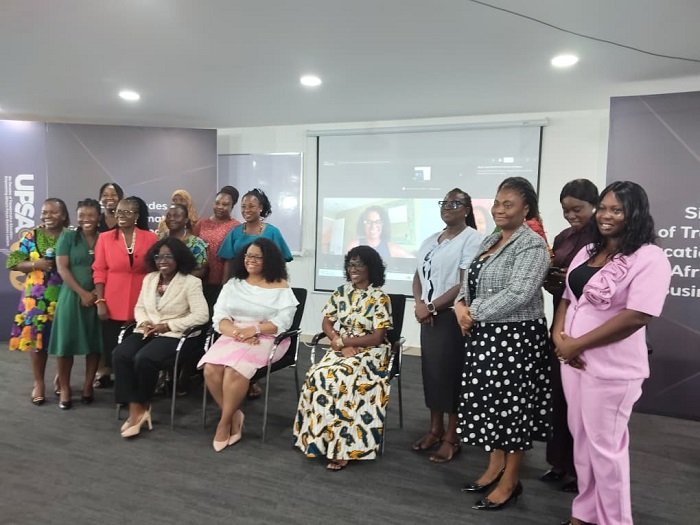
Black women in academia continue to navigate a complex landscape marked by invisible rules, shifting expectations and systemic inequities, speakers at the International Women’s Day Convention hosted by the University of Professional Studies Accra (UPSA), have said.
The event organised in collaboration with the University Teachers Association of Ghana (UTAG) and the Department of Business Administration and the Women’s Executive Office of UTAG, brought together professors and scholars from various institutions who highlighted the experiences of black female academics.
They shed light on both the challenges they face and the strategies they employ to thrive.
Speakers at the day’s event which was organised under the theme: ‘navigating the academic academy as black woman,’ were Prof. Krish Marsh, Professor of Sociology, University of Maryland, USA; Dr Natalie Williams, Associate Professor of Speech Communication; Prof. Cadace Moore, Professor of Clinical Psychology; and Prof. Helen Arkorful, Former Dean of Evening School, UPSA.
One of the key issues raised was the existence of ‘unwritten rules’ within academic institutions.
According to Prof. Marsh, these informal expectations often differ from person to person and are rarely communicated clearly, leaving Black women at a disadvantage.
“There is no clear guideline, the expectations keep shifting it’s a moving target. What is acceptable today may not be acceptable tomorrow, and that uncertainty can be exhausting,” she explained.
At the event, Professor Marsh also highlighted how performance expectations are interpreted differently depending on race and gender.
She recounted being labelled ‘arrogant’ and ‘unapproachable’ for meeting publication targets, standards that were typically praised when achieved by their white male counterparts.
Prof. Moore noted that academia, historically structured without women and particularly Black women in mind, often imposes disproportionate scrutiny on their work and behaviour.
She said while women were frequently called upon to represent diversity and excellence, they are simultaneously overlooked for opportunities such as promotions, grants and recognition.
“You are asked to show up and showcase your achievements so the institution can celebrate diversity,” another participant said. “But when it comes to decision-making, funding or advancement, you are often overlooked.”
Prof. Moore underscored the importance of self-care and maintaining a sense of identity beyond academia.
“There is no award for being the most burnt-out woman; you have to protect your peace,” she added.
Prof. Akorful stressed the need to intentionally support and uplift other Black women, particularly students, by sharing knowledge and experiences.
“I make it a point to pass on everything I’ve learned; if I can prepare the next Black woman so she doesn’t have to struggle the way I did, then that’s part of my responsibility,” Prof. Arkorful said.
Prof. William stated that networking beyond one’s department was also critical, adding that building relationships across institutions and disciplines can open doors to opportunities and provide support systems when challenges arise.
She called a clear understanding of institutional policies, warning that informal practices are often misrepresented as official rules.
“Prof. Williams said it was important to know the written policies, stating that sometimes what people call ‘policy’ is simply tradition.
“When you understand the actual rules, you can challenge unfair practices.” she said.
By Esinam Jemima Kuatsinu





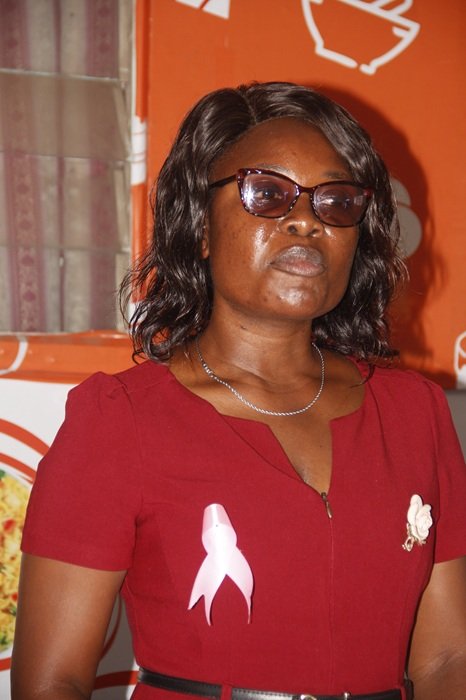
Medical Doctor and dietician, Dr Bernice Korkor Asare, has urged women to take greater responsibility for their lifestyle choices, particularly their eating habits and levels of physical activity, to help reduce their risk of developing breast cancer.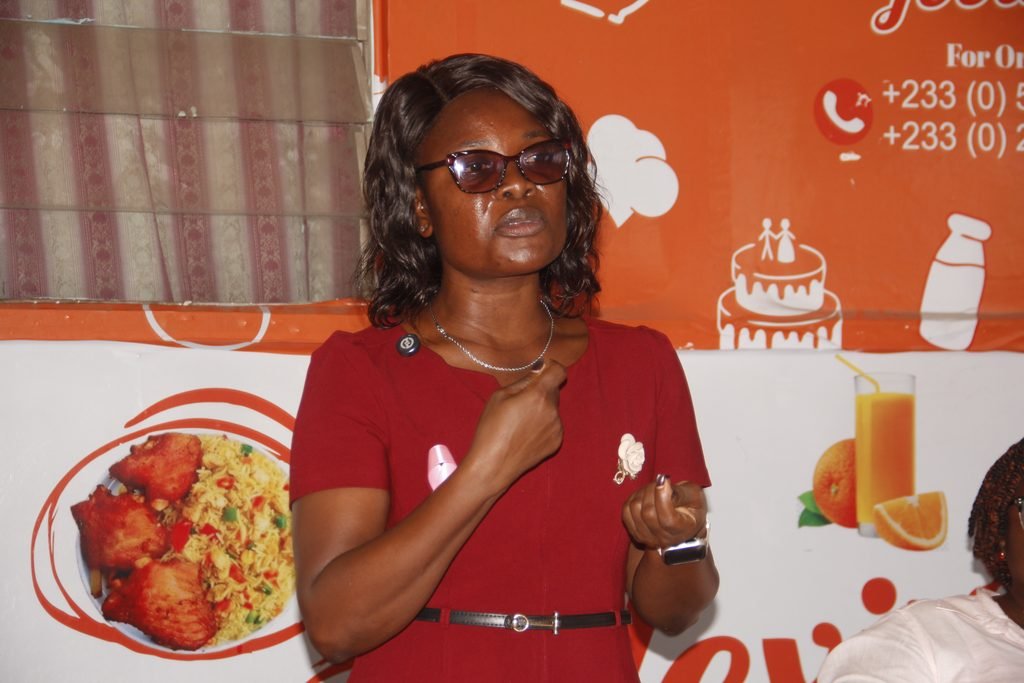

According to her, although, some breast cancer risk factors, such as family history and certain reproductive factors, may not be within an individual’s control, lifestyle choices offer an opportunity for people to take preventive action.
She made this known during a talk on the topic: “Role of diet in breast cancer prevention” organised by Times Ladies Association of the New Times Corporation, publishers of The Ghanaian Times and The Spectator, in Accra on Thursday.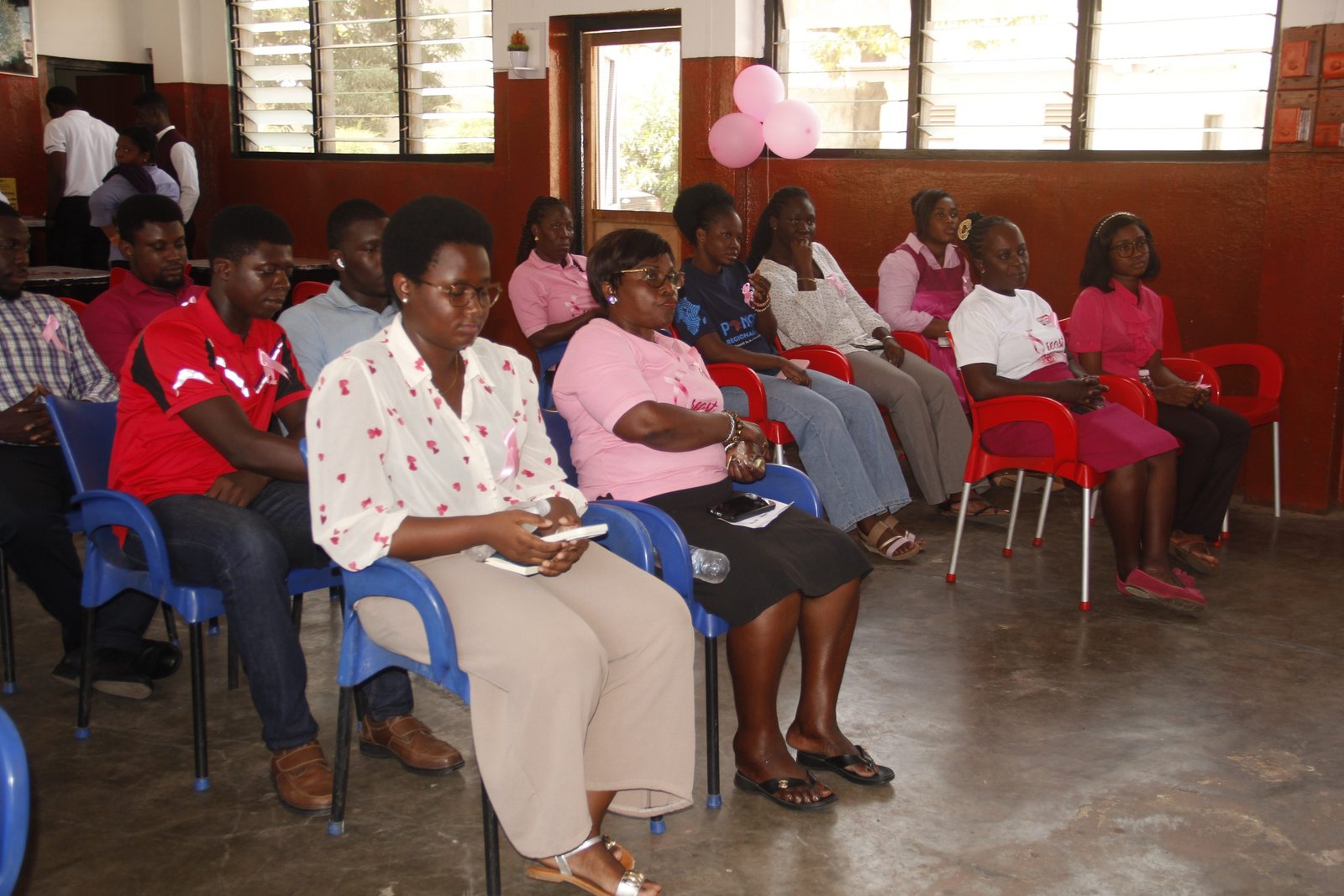
The event themed “Breast Cancer Awareness- Promoting Early Detection, Healthy Eating and Prevention.” 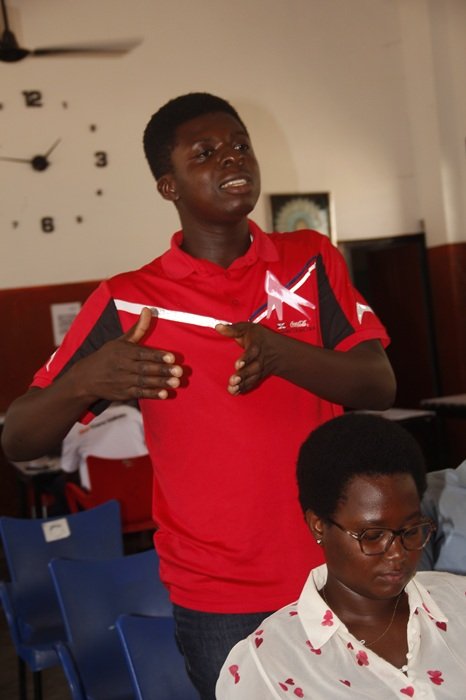
She noted that having a risk factor did not automatically mean a person would develop breast cancer, but could increase the likelihood of developing the disease compared with someone without that particular risk factor.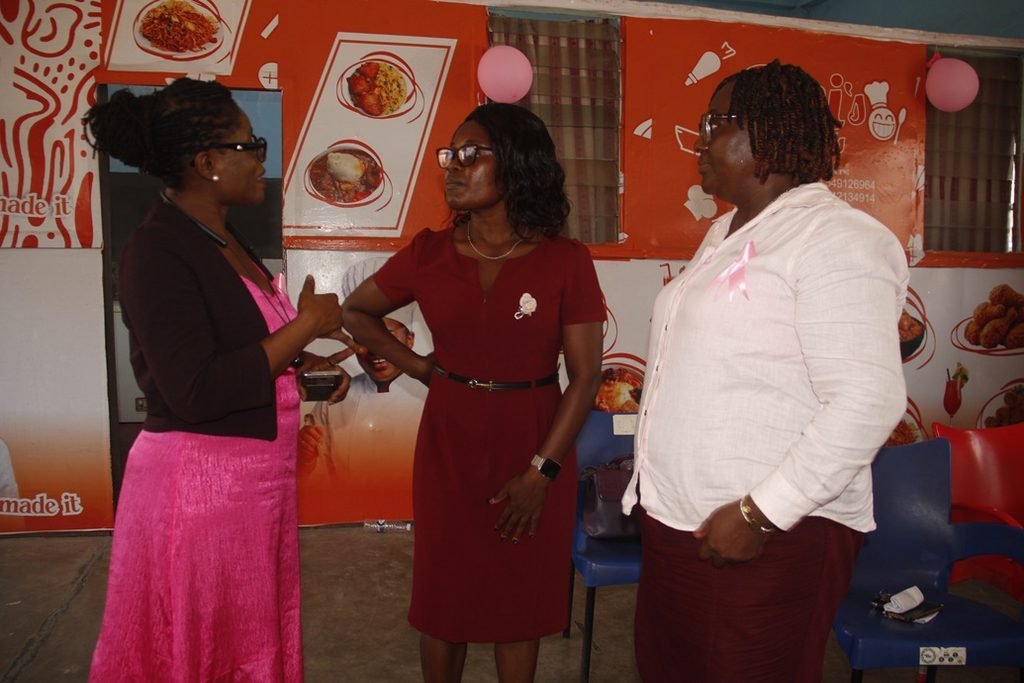
“Having close relatives who have had breast cancer, particularly a mother, sister or daughter, may increase the risk, although not everyone with a family history will develop the disease,” Dr Asare opined. Read More.
By Adizatu K. Munkaila
SKIP THE QUEUE, TAP THE NEWS
Read Daily News
You can now read the Ghanaian Times and The Spectator newspapers from the comfort of your device via TimesNewsPlus.
Buy Maps
Join our WhatsApp Channel: https://whatsapp.com/channel/0029VbBElzjInlqHhl1aTU27
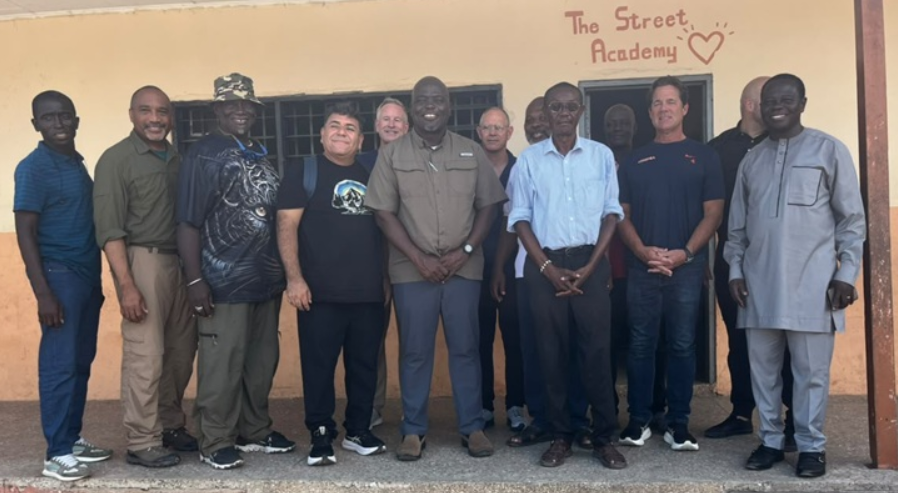
A group of compassionate friends from Innovation Gospel Impact last Friday visited the management, teachers and learners of the Street Academy in Accra.
The visit was to interact to get a deeper insight into the operations of the Academy that houses hundreds of street and underprivileged children and find ways to support them.
The team was led by Rev. Dr Isaac Apenteng Yeboah, a former Director for West African Mailbox Club and Director for Prisons Support Foundation, and Rev. Dale Sutherland from Washington DC.
The call, according to the visitors was occasioned by reports about the struggles of the Academy despite the occasional support it enjoys from individuals and some corporate entities.
Briefing them, the Founder and Executive Director of the Academy, Dr Ataa Lartey, thanked them for the concern showed, indicating that “this is a major boost for both teachers and learners; knowing that their plight is known by people outside their premises.”
According Dr Lartey, the Academy had planned to undertake a number of project to enhance teaching and learning and also procure facilities for the children with keen interest in sports but had to shelve those plans for lack of finance.
He told the team that their biggest concerns were the monthly utility bills that takes a toll on their finances.
“We have a piece of land we planned to turn into an astro turf pitch to train the younger ones whose interests lies in making a career out of football, however, we have been unable to commence because there is no money now,” he said.
Dr Lartey expressed gratitude to the teachers who have dedicated their lives to training these children, rather than going for well-paying jobs and hoped that with time, their conditions of engagement would improve.
Moved by the plight of the Academy, the group donated a cash amount of Gh₵3,000 to settle its water bills.
They described as unfortunate the conditions of learners and teachers of the Academy and pledged to continuously support their operations to realize the dream to build a better future for the unfortunate children.
The group offered to support the school with its monthly utility bills, feeding and staff allowance and urged the Academy staff to remain in constant touch with them.
The Street Academy is located at the Accra Art Center and offers brilliant but needy the chance to pursue their educational dreams by enrolling them in public schools with others offered training in sports and cultural activities.
By Spectator Reporter
SKIP THE QUEUE, TAP THE NEWS
You can now read the Ghanaian Times and The Spectator newspapers from the comfort of your device via TimesNewsPlus.
Join our WhatsApp Channel: https://whatsapp.com/channel/0029VbBElzjInlqHhl1aTU27