Hot!
The Bawumia Doctrine


- /home/u249204778/domains/spectator.com.gh/public_html/wp-content/plugins/mvp-social-buttons/mvp-social-buttons.php on line 27
https://spectator.com.gh/wp-content/uploads/2023/10/Bawum.webp&description=The Bawumia Doctrine', 'pinterestShare', 'width=750,height=350'); return false;" title="Pin This Post">
- Share
- Tweet /home/u249204778/domains/spectator.com.gh/public_html/wp-content/plugins/mvp-social-buttons/mvp-social-buttons.php on line 72
https://spectator.com.gh/wp-content/uploads/2023/10/Bawum.webp&description=The Bawumia Doctrine', 'pinterestShare', 'width=750,height=350'); return false;" title="Pin This Post">
Doctrines are seen as a set of principles that guide an administration. While the idea of doctrines has been applied in different parts of the world, applications of the concept to the Ghanaian context are lacking. As Ghana once again engages in a leadership contest, this piece seeks to assess Dr Bawumia and the doctrines that guide his worldview.
One of the major doctrines that characterizes Dr Bawumia’s leadership is Excellence. Excellence has always been the hallmark of the Bawumia proposition. Ingrained in his very nature, it has always been a governing principle in his personal, professional, and public life. Throughout his life, the Vice president has been governed by the creed that if you worked hard and did your utmost best with dedication and effort, you will rise to the top. It is the underlying belief that we can all rise to prosperity through hard work and determination. In Bawumia, meritocracy will be a major value of our national endeavour.
Ghana will have a leader who believes in the pursuit of excellence and not mediocrity. We will be a nation of merit, hard work and reward. Mediocrity will be on the back burner with the pursuit of excellence brought to the frontline of national politics and national life.
Dr Bawumia’s leadership framework is also based on innovation. He is a thinker willing to embrace the future and new ways of doing things. His governance philosophy is anchored on the belief in innovation and creativity to propel the economy and other facets of governance and society to give Ghanaians a better economy, better life and better society. If Ghana and the African continent is to achieve real transformation in the socio-economic fortunes of their people, innovation will be key. Innovation –
with digitization as the anchor—will accelerate our march towards sustainable development, unlock the potential of all and sundry, empower the youth, transform every single sector in the country and usher Ghana into an era of reform and optimization of human and natural resources.
The idea of digitization is predicated on the belief that it can lead to efficient social services, better quality of life, curb corruption, help generate a better economy and the creation of a more inclusive society. Beyond the hardware structure of digitization, his unyielding focus in this area demonstrates something deeper: the belief in not subscribing to tradition or convention; the desire to banish an impossibility mindset from Ghanaian society; the audacity to dream; the belief in ideas not insults; the goal of producing efficiency; and the overall transformation of society.
The next doctrine is one predicated on empathetic leadership. All over the world, there is an empathy deficit. Dr. Bawumia’s work on social interventions, vulnerable and downtrodden in society such as the lepers, demonstrates a leader with enormous amounts of compassion and empathy. He has sometimes partnered with the well-known Rev. Fr. Andrew Campbell to bring joy and relief to some of the most neglected in our society. Dr Bawumia with Fr Campbell share a common value of love, empathy, and concern for humanity, especially the less privileged in society. This Vice President brings to leadership not just intellectual but empathetic capital. This is important because in the high-octane, fast-driven, complicated, and sometimes combustive world of politics, it is easy to be removed from the rest of society or lose one’s sense of empathy. A leader with such a natural predisposition is less likely to easily forget about the sufferings, needs and everyday reality of his people and thus remain grounded with people-centred policies.
Decency and civility also characterize the political ideology and style of the Vice President. This constitutes the last component of the present doctrinaire analysis. His speech, language and communicative style is predicated on data and not given to the insults and intemperate language that has often undermined the quality of public discourse and sometimes fanned the flames of tension and conflict. Within this doctrine are several components such as humility and respect for all. In other words, a humble leader is likely to listen to his people and take advice as well as suggestions. This is noteworthy. It indicates that he has the right temperament and judgement to become leader of the nation. This doctrine and belief in civility, civil discourse and civic culture will ensure that Ghana’s politics is elevated giving room for intelligent and intelligible discourse that shall move this country forward.
By Dr Etse Sikanku


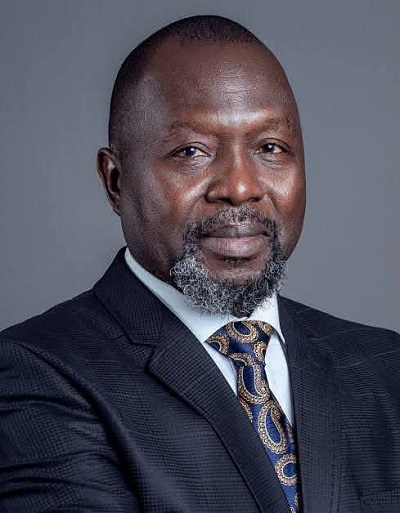
Attorney General and Minister for Justice, Dr. Dominic Ayine, has announced that the government has accepted the recommendation to abolish the death penalty and replace it with life imprisonment as part of the constitutional review process.
He said the proposed amendment would affect Articles 3, 13, 19 and 72 of the 1992 Constitution, with offences that previously attracted the death penalty instead carrying life imprisonment.
Dr. Ayine made the announcement on July 30, 2026, at the Jubilee House in Accra during the Government Accountability Series while outlining the government’s position on the final recommendations of the Constitution Review Committee.
According to him, the government believes the death penalty is inconsistent with the constitutional right to life and Ghana’s international human rights obligations.
He explained that the recommendation forms part of broader proposals aimed at strengthening the protection of fundamental human rights under the Constitution.
Dr. Ayine said the government had also accepted the spirit of several recommendations to expand rights relating to women, children, persons with disabilities, older persons and the youth.
He added that a comprehensive Human Rights Act would be introduced to protect these rights and provide detailed enforcement mechanisms instead of amending the entrenched provisions of the Constitution through a national referendum.
By: Jacob Aggrey
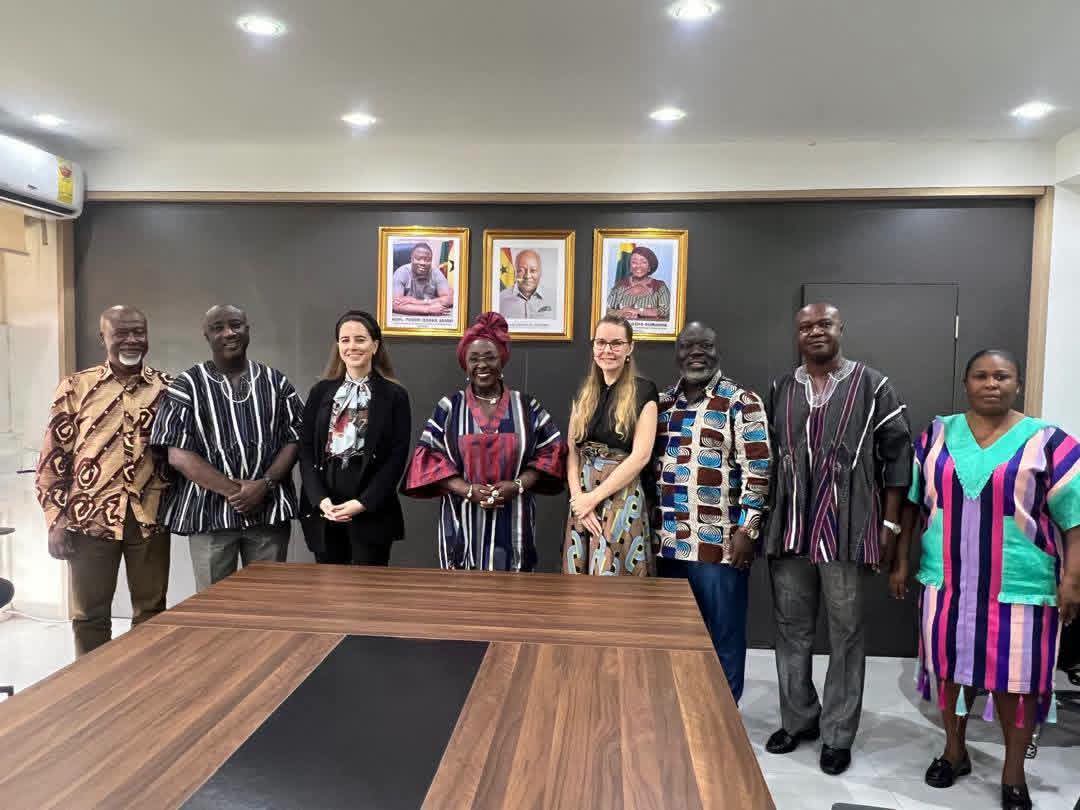
Minister for Tourism, Culture and Creative Arts, Abla Dzifa Gomashie, has called on both local and international investors to tap into opportunities in Ghana’s tourism, hospitality and creative industries.
Speaking in an interview yesterday with World Media USA Today, the Minister said government is committed to creating a conducive investment environment to support growth in the sector.
She highlighted key investment areas including hotels, fashion, music, film production, and tourism infrastructure.
Dzifa Gomashie also encouraged Ghanaians to invest in domestic tourism to help boost the local economy.
According to her, strategic investment in tourism and the creative economy will drive economic transformation, create jobs, and position Ghana as Africa’s gateway for heritage, culture, business and investment.
“Ghana has vast opportunities across tourism, hospitality and the creative industries. We are ready and open for business,” she stated.
The Minister’s remarks come as government intensifies efforts to leverage culture and tourism as drivers of economic growth and job creation.
By Edem Mensah-Tsotorme