News
Technology kicking us out of business …Lotto operators cry

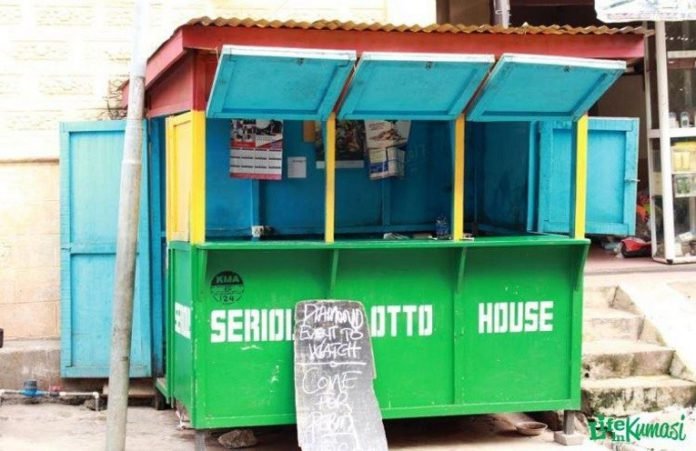
THE growing popularity of digital and online lottery platforms is steadily undermining the livelihoods of traditional lottery vendors in Accra, many of whom say the change has not only reduced their income but also affected their family lives.
Several vendors, commonly known as ‘lotto writers,’ say the shift to mobile and online lottery systems has significantly reduced the number of customers who visit their kiosks to stake games.

Some say the financial strain has become so severe that it has created tension in their homes, with a few even losing their marriages because they can no longer provide for their families as they once did.
Others indicated that they were now searching for additional jobs to supplement their lottery business to meet their household responsibilities.
The vendors, operating in areas such as Shukura, Tema Station, Laterbiokorshie, Mamprobi and the Kwame Nkrumah Interchange area, shared their experiences in separate interviews with The Spectator.
Mr Michael Addy, a lotto writer for 15 years and father of four, said business had declined sharply in recent years.
According to him, he previously earned about GH¢3,000 from ticket sales and commissions after paying winning customers, but his earnings have now dropped to less than GH¢1,000.
“Although I have been able to see my children through the basic level, Senior High School and the university, there is a lot of responsibility on me as my wife left me because I am unable to earn enough to take care of the family. I wish I could find another job in addition to this lotto business but I no longer have the strength to do any hard work,” he lamented.
Another vendor, Mr Thomas Nimo, who has spent more than 20 years in the trade, recalled when customers used to gather around his kiosk early in the day, waiting for him to open so they could stake their numbers.
Today, however, he says the ‘crowd’ has disappeared.
“Only a few people who are not technological inclined come to buy tickets because they cannot play the lottery game on their phones,” he explained.
Mr Nimo added that some winners occasionally show appreciation by giving vendors a token of their winnings.
“At times some of the customers who we pay for winning the lottery game sometimes gives us a small amount as a sign of appreciation for being truthful to them,” he noted.
For Mr Alfred Nii Lartey, who has operated in Laterbiokorshie for 10 years, the business has simply become a means of survival while he searches for a better opportunity.
He also raised concerns about unlicensed private lottery operators whom some vendors unknowingly work for. When such operators are pursued by the National Lottery Authority (NLA) for breaches such as failure to pay Value Added Tax (VAT), vendors working under them often suffer the consequences.
Mr James Ankamah, a vendor at Tema Station, admitted that the decline in customers sometimes puts pressure on operators.
“Sometimes I am tempted to sell tickets to students because people don’t come to us to buy tickets and play the game,” he said.
Despite the challenges, some vendors believe their services still have a place. Mr Frank Baafi explained that unstable internet connections occasionally force players to return to the kiosks.
He added that trust also keeps some loyal customers coming back, confident that their winnings will be paid promptly.
By Benjamin Arcton –Tettey
Join our WhatsApp Channel now!
https://whatsapp.com/channel/0029VbBElzjInlqHhl1aTU27






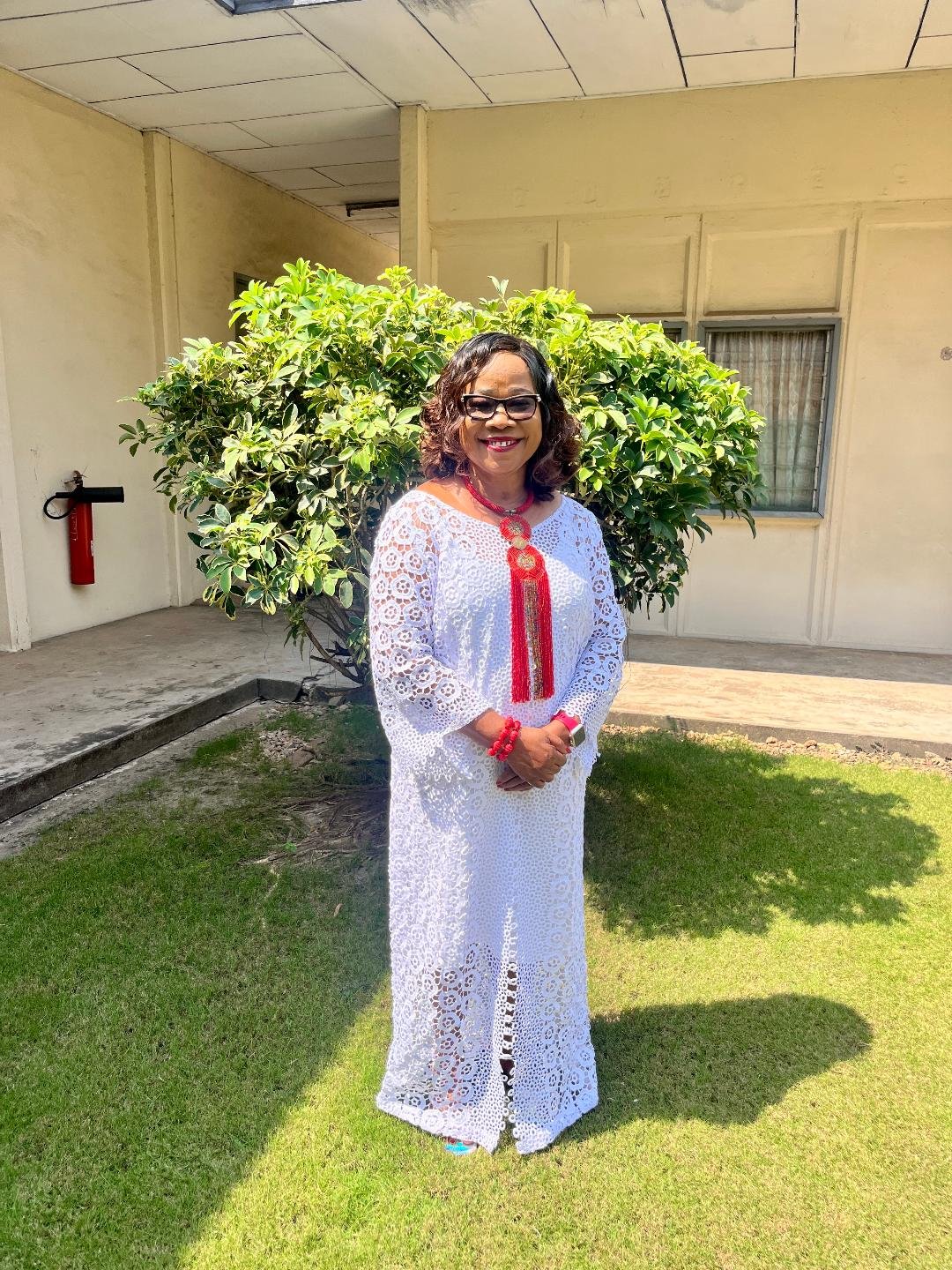
The African Women Leaders Network (AWLN) Ghana Chapter has called for stronger action to protect the rights of women and girls and promote gender equality in the country.
The call was made in a statement issued in Accra to mark International Women’s Day 2026, celebrated globally under the theme “Rights. Justice. Action. For ALL Women and Girls.”
Signed by its Chairperson, Dr Charity Binka, the statement said although progress had been made in advancing gender equality, many women and girls still faced barriers that limited their full participation in society.
It said the theme for this year’s celebration served as both a moment of reflection and a call to action for stakeholders to intensify efforts to protect the rights of women and girls.
The Network noted that Ghana had taken important steps toward gender equality, including the passage of the Affirmative Action (Gender Equity) Act aimed at increasing women’s representation and participation in decision-making.
However, the network stressed that legislation alone was not enough and called for effective implementation, public awareness and institutional accountability to ensure the law translated into real opportunities for women and girls.
It, therefore urged the full implementation of the Affirmative Action Act to increase women’s representation in governance, leadership and public life.
It called for stronger access to justice for women and girls, including protection against gender-based violence and discrimination.
The network further advocated greater investment in girls’ education, digital inclusion and economic empowerment programmes for women, particularly through support for women entrepreneurs and improved access to finance.
Meanwhile, the President of the Ghana Journalists Association (GJA), Albert Dwumfour, has paid tribute to women in the media for their dedication and professionalism.
In a message to commemorate the International Women’s Day, he commended women journalists and communication professionals for their courage in amplifying voices, telling important stories and shaping public discourse.
“To every women in journalism and the communication profession, thank you for the courage, professionalism and dedication you bring to informing our society,” he said.
Mr Dwumfour added that the contributions of women journalists continued to inspire the next generation and strengthen the media for women and girls in society, calling for sustained efforts to promote equality, respect and opportunities for women and girls in society.
By Esinam Jemima Kuatsinu
Join our WhatsApp Channel now!
https://whatsapp.com/channel/0029VbBElzjInlqHhl1aTU27
INCREASING spate of road accidents, high rate of teenage pregnancies are worrying health issues confronting health workers in the Amansie South district of the Ashanti region. Road accident cases accounted for about 80 per cent of emergency cases in 2025, while a total of 728 teenage pregnancies were recorded in the district during the same period.
Mr Ofosu Kwabi Nasas, the District Director of Health Services, who announced these worrying trends in the district, said five deaths were recorded in these road accidents.
• Bishop Owusu Akyeaw
He was speaking at the 2025 annual performance review meeting of the health directorate at Manso-Adubia.
Mr Nasas expressed concern over the high rate of motor accidents in the district, attributing part of the problem to the poor state of road networks.
He said the dilapidated roads did not only contribute to accidents but also delayed timely access to healthcare services.
He therefore, appealed to the government to prioritise road rehabilitation within the district to help reduce accidents and improve emergency response.
Mr Nasas said the district recorded 728 cases of teenage pregnancies in 2025, describing the situation as alarming and a significant public health concern.
He urged parents and guardians to intensify supervision and guidance of their children to help curb the growing trend.
He emphasised that, stronger parental involvement, community education, and collaboration among stakeholders would be essential in addressing the issue and safeguarding the future of young girls in the district.
The Health Director further lamented the challenges facing healthcare workers in the district, particularly the high cost of accommodation because of the area’s active mining activities.
He explained that, high rent had made it difficult for many health professionals to secure affordable housing, forcing some to request for transfers to other districts.
He appealed to the government and relevant authorities to consider providing housing support for health workers to retain skilled personnel and ensure effective healthcare delivery.
In addition to housing challenges, Mr Nasas noted that, the district was currently facing a shortage of healthcare personnel.
Join our WhatsApp Channel now!
https://whatsapp.com/channel/0029VbBElzjInlqHhl1aTU27