News
Use of rubber and cement as food preservatives unsafe — CSIR-CRI, FDA warn

- /home/u249204778/domains/spectator.com.gh/public_html/wp-content/plugins/mvp-social-buttons/mvp-social-buttons.php on line 27
https://spectator.com.gh/wp-content/uploads/2026/03/Cement.jpg&description=Use of rubber and cement as food preservatives unsafe — CSIR-CRI, FDA warn', 'pinterestShare', 'width=750,height=350'); return false;" title="Pin This Post">
- Share
- Tweet /home/u249204778/domains/spectator.com.gh/public_html/wp-content/plugins/mvp-social-buttons/mvp-social-buttons.php on line 72
https://spectator.com.gh/wp-content/uploads/2026/03/Cement.jpg&description=Use of rubber and cement as food preservatives unsafe — CSIR-CRI, FDA warn', 'pinterestShare', 'width=750,height=350'); return false;" title="Pin This Post">
Two major agencies in the line of food safety and regulations, the Crops Research Institute of the Council for Scientific and Industrial Research (CSIR-CRI) and the Food and Drug Authority (FDA), have sounded the alarm bells, announcing intentions to crack the whip on individuals whose activities endanger the lives of local food consumers.
The CSIR-CRI and FDA have been forced to issue separate statements to caution Ghanaians to be careful with what they consume on the market.
This follows reports and videos circulating on social media about quack process being used by farmers and food vendors to make their products attractive to customers but with the potential to pose health problems.
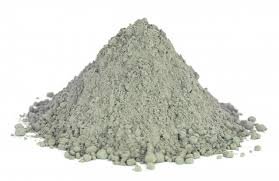
This is directly in line with a disturbing video circulating on social media showing people using cement powder as a preservative for cowpea as well as the deliberate melting of plastic in frying oil to fry plantain chips to make it crispy.
This practice, according to the two agencies constitutes direct chemical contamination of food and renders it unsafe for human consumption.
According to the CSIR-CRI statement, the practice of using cement powder as a preservative was ‘highly unsafe and unscientific,’ and outrightly condemned the practice, warning that it poses serious health risks to consumers and undermines Ghana’s food safety efforts.
The viral clip, which has unsettled farmers and traders across the Ashanti region and beyond, shows beans being mixed with cement powder in what is claimed to be a preservation method against storage pests.
But, CSIR-CRI insists the practice was dangerous.
“Cement is not a food substance and is not approved for use in food or grain preservation under any circumstance,” said Prof. Maxwell D. Asante, Director of CSIR-CRI, in a strongly worded statement.
Food safety experts fear that desperate farmers, misled by the video, could adopt the method and inadvertently poison households.
“This is not just a matter of poor practice—it is a matter of public health… We cannot allow misinformation to compromise the integrity of our food systems”, the statement indicated.
The statement urged farmers to rely on scientifically validated storage methods, including hermetic bags, approved fumigants, and traditional protectants such as neem seed powder and wood ash.
It emphasised that safe drying, clean storage facilities, and integrated pest management remain the cornerstones of cowpea preservation. “We are committed to promoting evidence-based, internationally accepted post-harvest handling practices,” it stated.
The warning comes at a time when cowpea, a staple protein source for millions of Ghanaians, faces persistent threats from bruchid beetles and other storage pests.
Farmers often struggle to balance affordability with safety in storage techniques, making them vulnerable to adopting shortcuts promoted on social media.
The statement also carried a broader message: not all information shared online is authentic, calling on the public to verify agricultural practices with extension officers or credible research institutions before adoption.
“We must protect both our efforts to improve food security, the Institute’s stance underscores the need for vigilance against unsafe practices. For now, the message is clear: cement belongs to construction sites, not in food stores.
Furthermore, the FDA’s statement specifically addressed recent allegation of using ‘rubber’ in the preparation of plantain chips, an action that poses serious health risks to consumers and violates established food safety regulations.
The authority said it had taken note of reports suggesting that some vendors were melting polyethylene, a type of plastic material, in hot oil while frying plantain chips to enhance crispiness and extend the shelf life of the snack.
It explained that plastics such as polyethylene were not food-grade substances and may release harmful chemicals when exposed to high temperatures.
It explained that heating plastic materials could lead to the release of chemical compounds including plasticisers and other additives, which may contaminate the oil and eventually the food being prepared.
The FDA cautioned that prolonged consumption of foods contaminated with such chemicals could lead to adverse health effects, including hormonal disruption and other long-term health complications.
As a result, the authority highlighted that it had begun investigations and intensified market surveillance to ascertain the authenticity of the claims.
Samples of plantain chips from various parts of the country, the FDA noted, would be subjected to laboratory analysis to determine whether plastic materials had been used during their preparation.
According to the two agencies, the use of non-food-grade substances in food preparation or preservation was an offence under the Public Health Act, 2012 (Act 851), warning that any individual or food vendor found culpable would face sanctions including prosecution.
They urged food vendors and processors to adhere strictly to approved food preparation standards and avoid practices that could endanger public health.
Consumers were also encouraged to remain vigilant and report any suspicious food handling practices to the authority, reiterating their commitment to safeguarding public health and ensuring that all food products or farm produce on the market were safe for consumption by all.
If you want, I can format it into a clean newspaper-style layout with headings and paragraph
By Kingsley E. Hope & Esinam Jemima Kuatsinu
Join our WhatsApp Channel now!
https://whatsapp.com/channel/0029VbBElzjInlqHhl1aTU27



The 29th Annual Dagaaba-Frafra Friendly Games have once again demonstrated that sports can be a powerful vehicle for cultural preservation, business networking, friendship and peaceful coexistence.



Held at the El-Wak Sports Stadium in Accra last Saturday, the games brought together members of the two ethnic groups from across Ghana and abroad for a colourful celebration under the theme, “Unity in Diversity: The Dagaaba-Frafra Model for Peaceful Co-existence.”


The event, which has evolved from a friendly football match into a major annual gathering, featured football, volleyball, sack races, lime and spoon, tug-of-peace and a penalty shootout for senior citizens.
At the end of the competitions, the Frafra won four events, while the Dagaaba secured victories in five, with the men’s soccer match ending in a draw.
The Frafra triumphed in the men’s lime and spoon, men’s sack race, women’s sack race and women’s soccer, while the Dagaaba won the women’s lime and spoon, men’s volleyball, women’s volleyball, women’s tug-of-peace and the senior citizens’ penalty shootout.





However, the games extended far beyond the sporting arena. The stadium grounds and surrounding spaces became a vibrant marketplace, with patrons enjoying and purchasing a variety of traditional foods, drinks and cultural products.
Local delicacies, including TZ, tubaani, bambara beans, pork, guinea fowl, local fowls, dog meat and kosie, were sold alongside traditional alcoholic beverages. Traditional dresses and other culturally inspired items also attracted buyers, turning the gathering into an important platform for small businesses and vendors to make sales while promoting northern Ghanaian culture.
The cultural exchange continued long after the final sporting contests, as patrons remained at the venue to eat, drink, socialise, dance and party well into the night.
In her remarks, the Guest of Honour, Dr Matilda Aberese-Ako, said the gathering represented much more than competition, describing the Dagaaba-Frafra relationship as a historic bond that had evolved into a modern sporting tradition and an instrument for peace.
MTN Ghana has been the headline sponsor for the games for the past 10 years.
By Gordon Wellu
By Gordon Wellu
SKIP THE QUEUE, TAP THE NEWS
You can now read the Ghanaian Times and The Spectator newspapers from the comfort of your device via TimesNewsPlus.
Join our WhatsApp Channel: https://whatsapp.com/channel/0029VbBElzjInlqHhl1aTU27

MTN Ghana has undertaken a tree-planting exercise at the Chipa Forest Reserve as part of its commitment to protecting the planet and support the restoration of degraded sections of the forest.
The activity forms part of the company’s 2026 Sustainability Month celebration held under the theme “Small Actions: Big Impact,” and its 30th anniversary celebration.


It was held in partnership with the Forestry Commission (FC) and the Rainforest Alliance with MTN Ghana supporting the restoration of approximately two hectares of degraded forest through the planting of 1,666 trees.
Due to the current dry weather conditions, 833 trees were planted during the exercise, with the remaining 833 to be planted when the rain commences.
The exercise brought together MTN employee volunteers, officials from the Forestry Commission and representatives of the Rainforest Alliance, demonstrating the importance of collaboration in driving environmental sustainability.
Speaking at the event, the Acting General Manager for Sustainability and Shared Value at MTN Ghana, Georgina Asare Fiagbenu, emphasized the critical role trees play in sustaining life and protecting the environment.
“Trees are essential to human survival and healthy ecosystems. They absorb carbon dioxide, release oxygen, regulate temperatures, protect soil, support biodiversity and provide habitats for many species. They also conserve water, reduce erosion and help communities adapt to the effects of climate change,” she said.
The District Manager of the Tema-Ada Forest Services Division of the Forestry Commission, Linda Ansah, welcomed MTN Ghana’s support, describing it as a valuable contribution to efforts aimed at restoring degraded sections of the reserve.
The Country Director of the Rainforest Alliance, Nicholas Jengri, also welcomed the partnership and emphasised the importance of collective action in addressing environmental challenges.
SKIP THE QUEUE, TAP THE NEWS
You can now read the Ghanaian Times and The Spectator newspapers from the comfort of your device via TimesNewsPlus.
Join our WhatsApp Channel: https://whatsapp.com/channel/0029VbBElzjInlqHhl1aTU27