News
Streets of Accra: Home for the Homeless

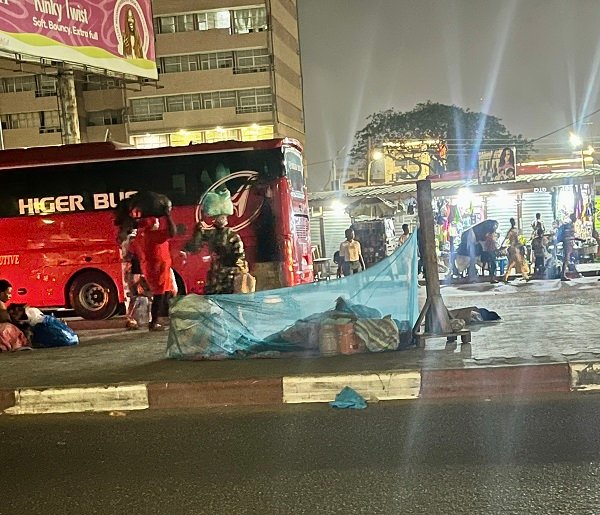
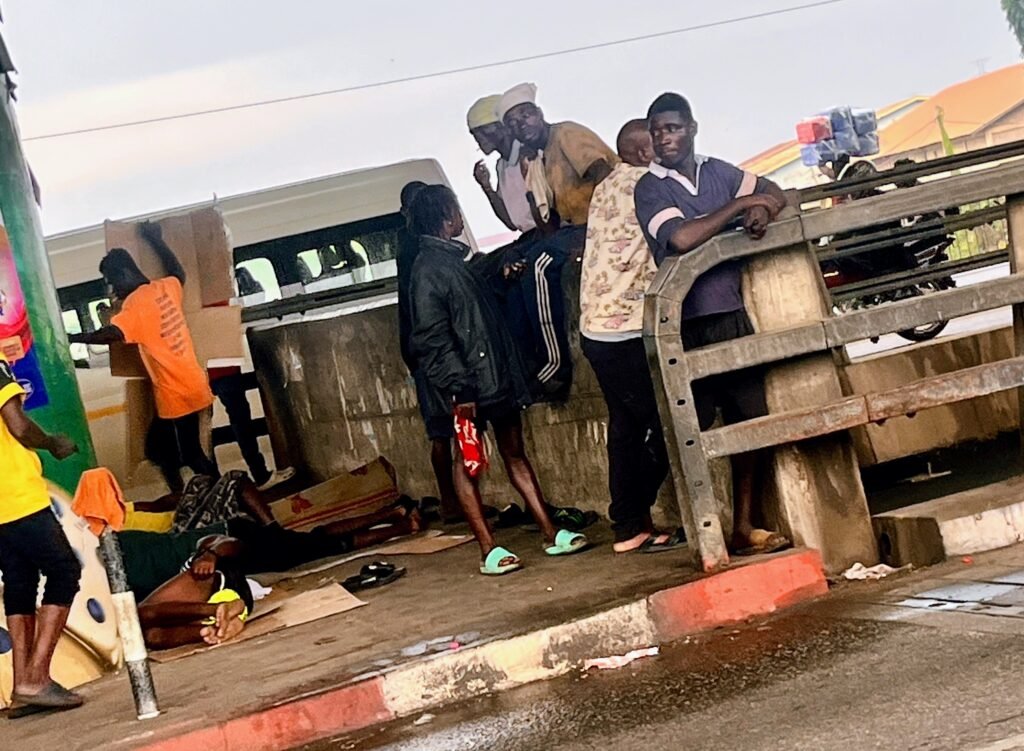
Every morning in Accra, particularly around Kwame Nkrumah Circle, a troubling scene repeats itself. Children who should be preparing for school instead weave through traffic, knocking on car windows, and begging for coins.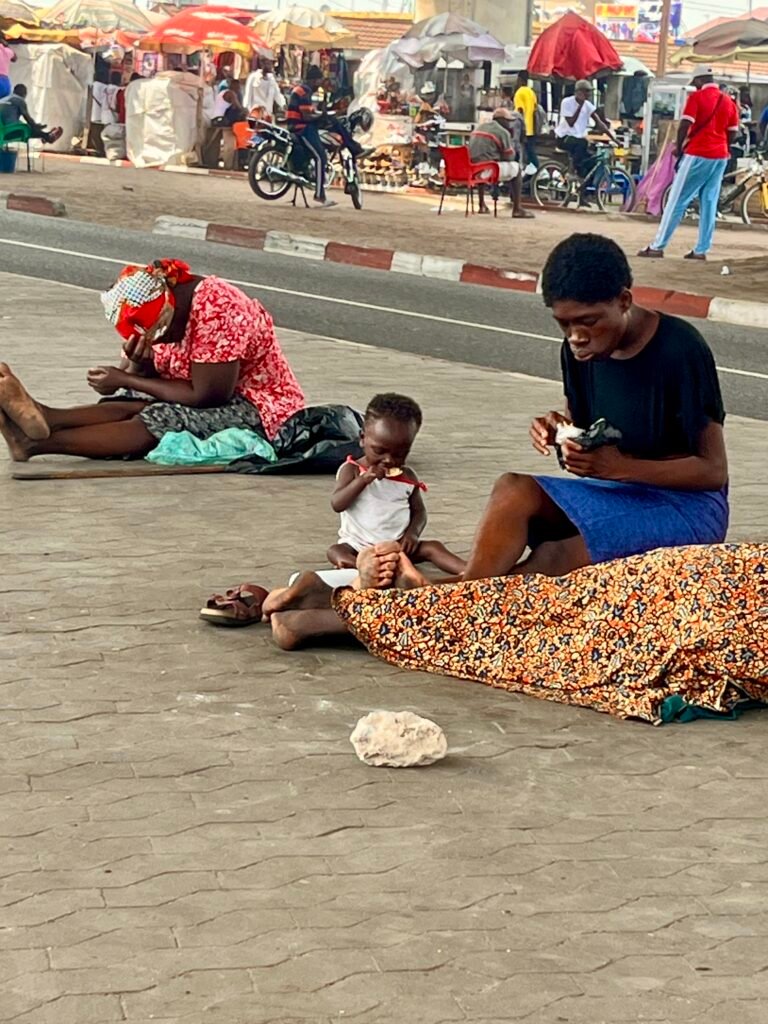
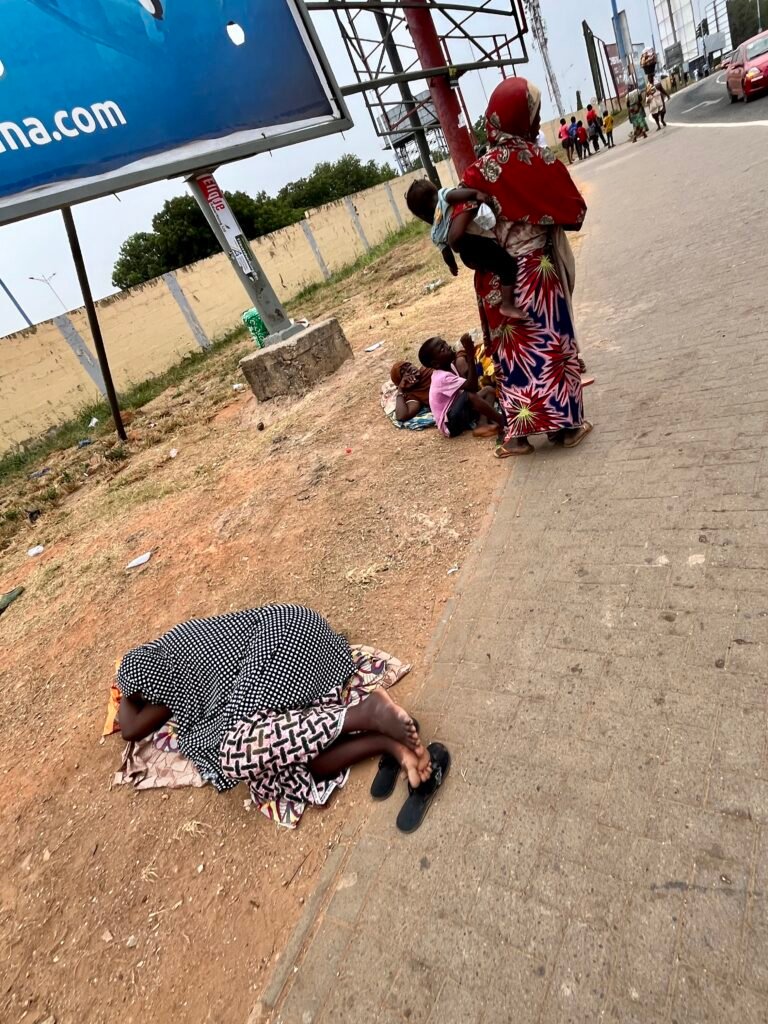

From Circle to Kaneshie, Tema Station, the Central Business District, and the 37 Military Hospital area, these young faces reflect a growing social crisis that Ghana can no longer pretend is solved.
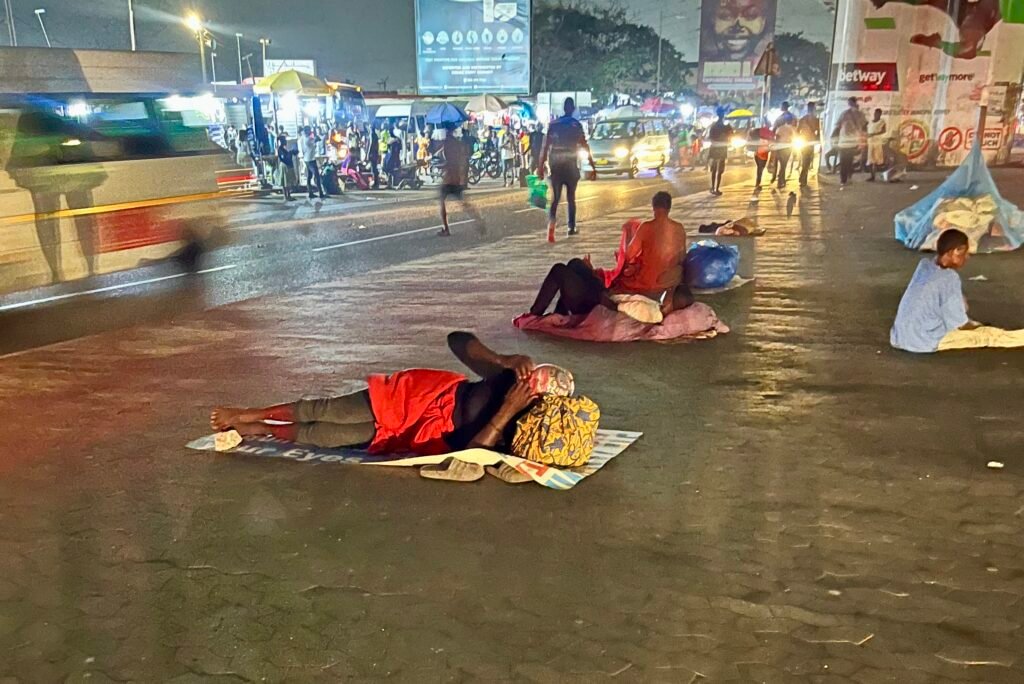
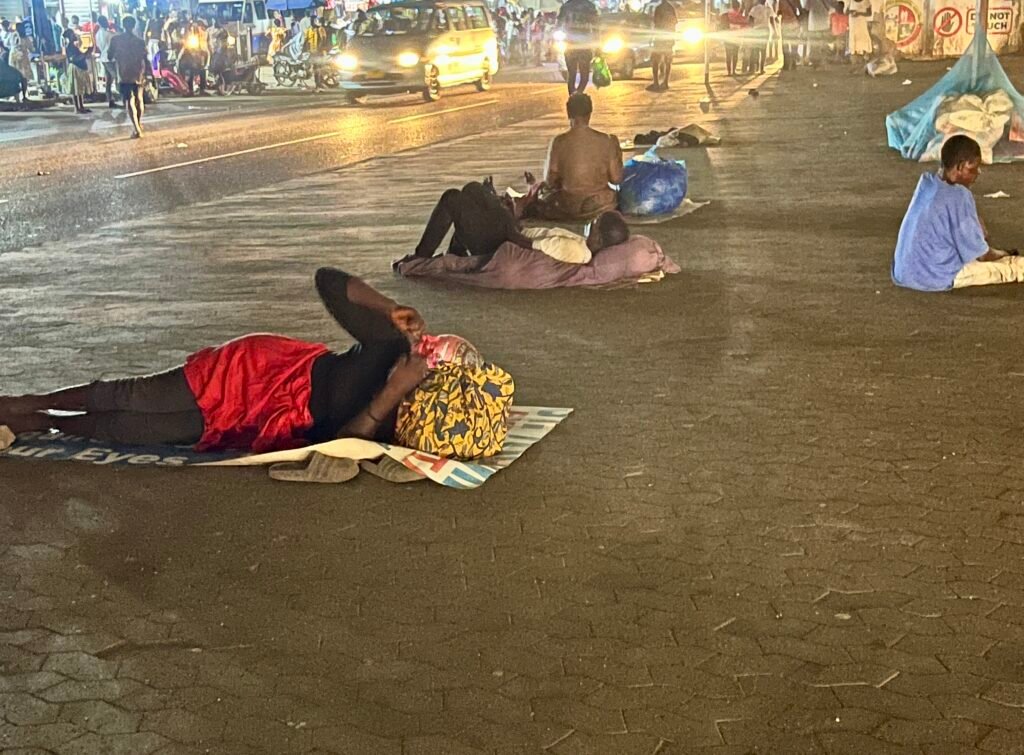
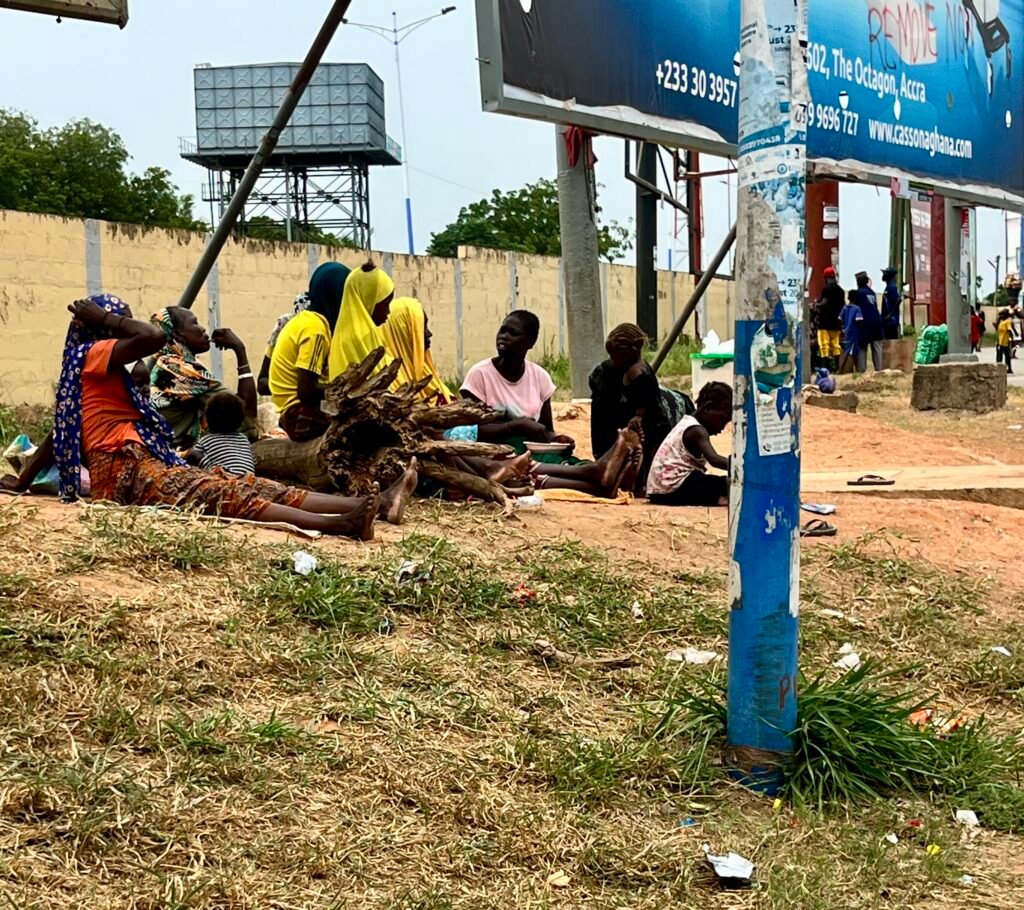
Many of these children—and some mothers—sleep in front of shops, on pavements, or under footbridges. When night falls, cardboard replaces mattresses, and hunger replaces comfort. Some cook whatever they can find—discarded food, roadside leftovers, or partially spoiled items from refuse dumps. This exposes them to diseases, abuse, drug use, and human trafficking, turning survival into a daily danger.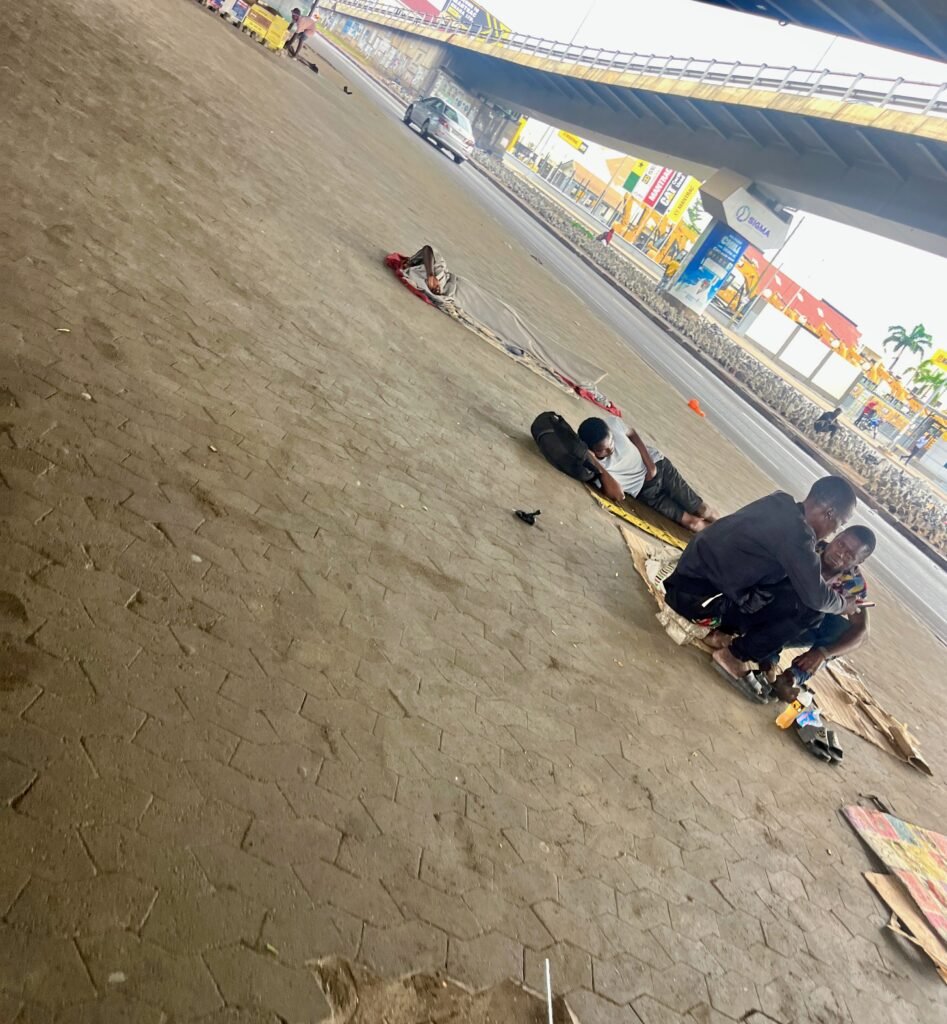

Street life is stealing their future. While other children carry school bags, these ones carry fear and hardship. Without education, counselling, and care, they are pushed into labour, crime, and long-term poverty. The street becomes their classroom, but it teaches only struggle, not opportunity.
This is a matter for the government, Accra Metropolitan Assembly (AMA), and other municipalities across the country. The menace persists in various regions and must be treated as an emergency.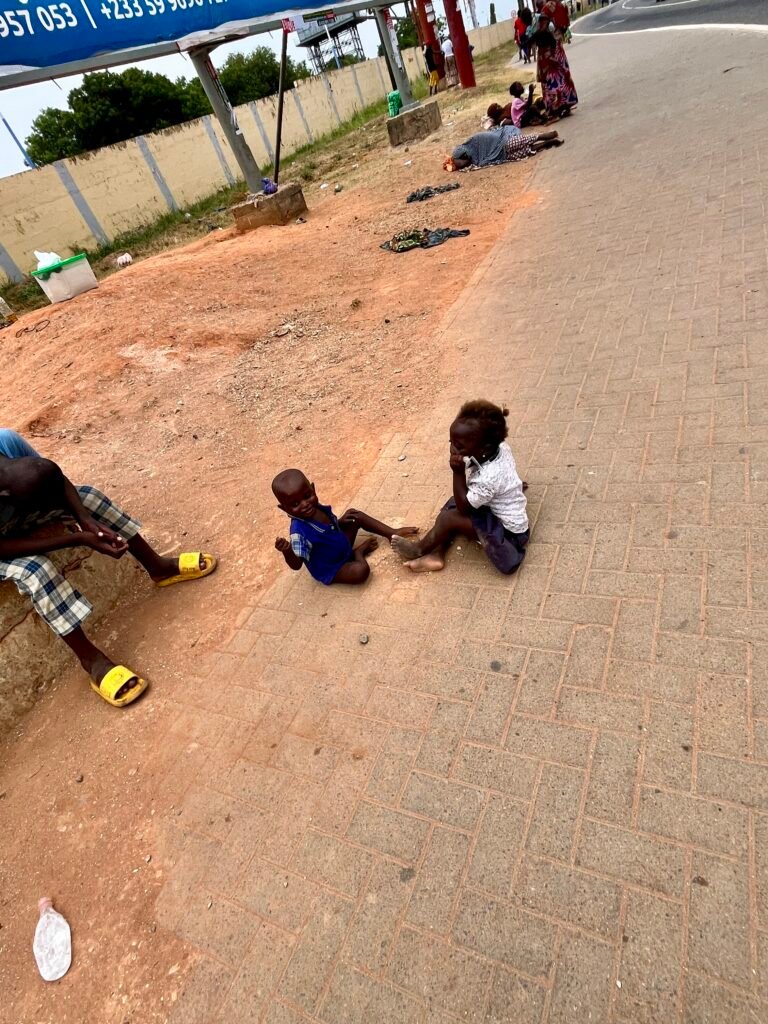
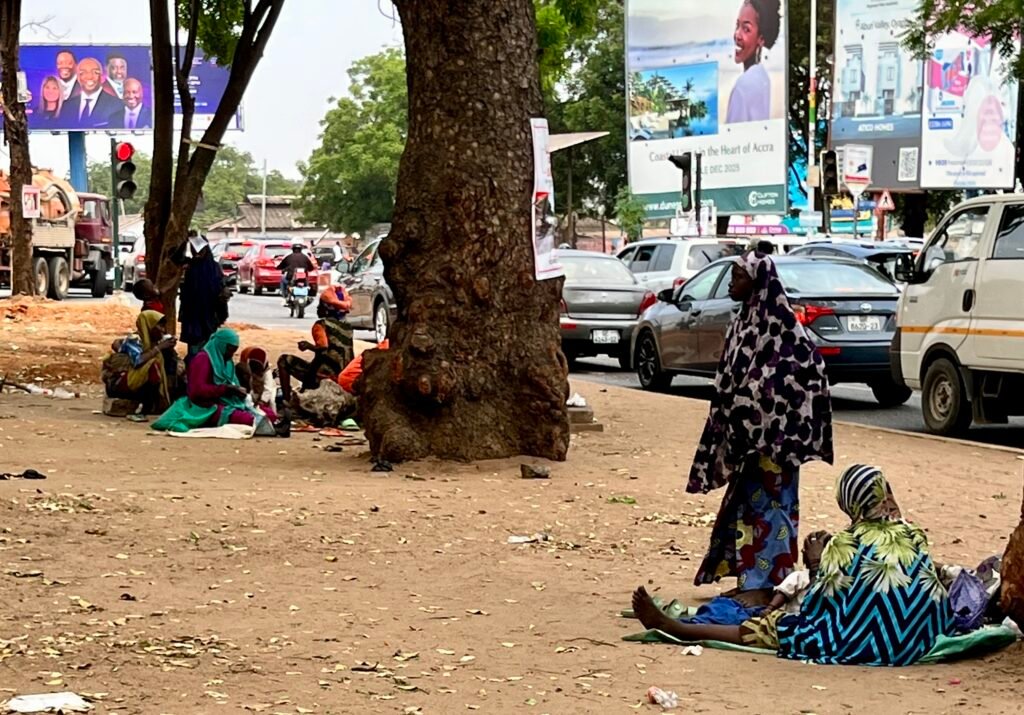
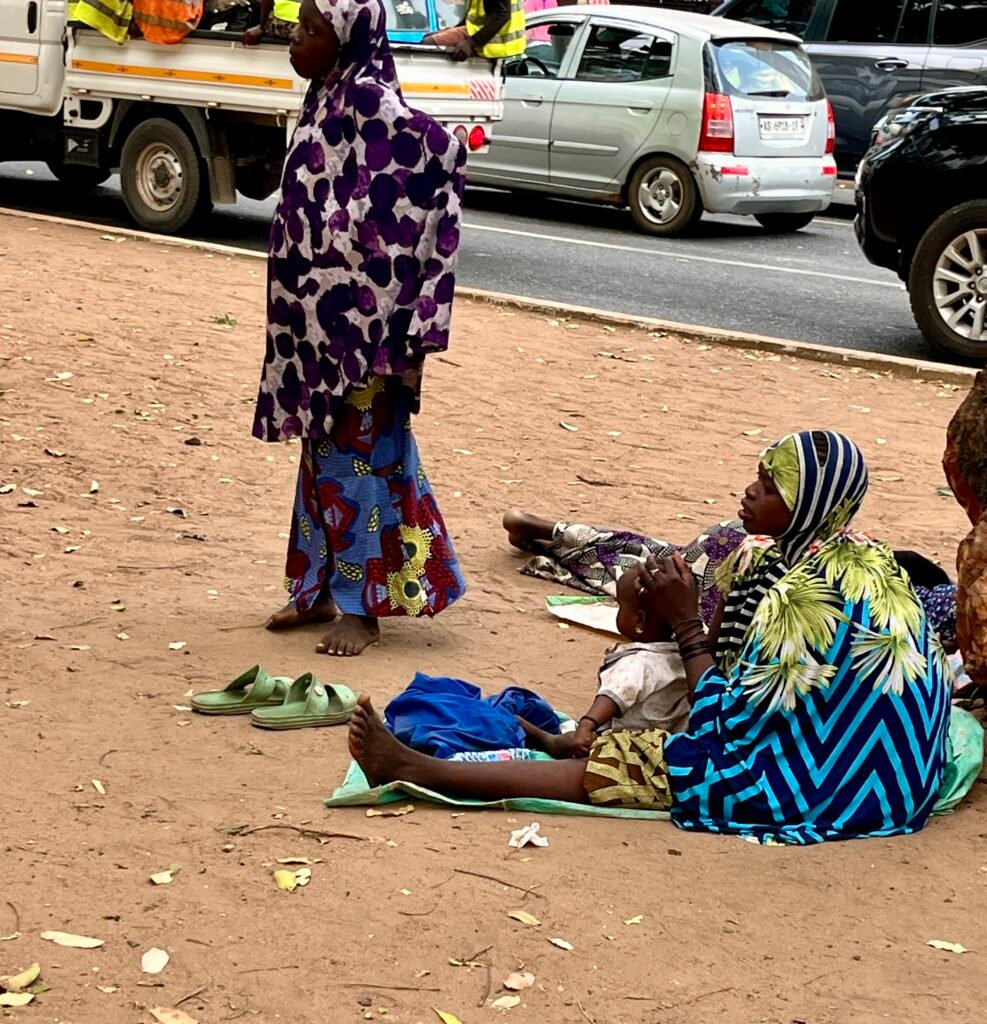
There is an urgent need for more shelters, feeding programmes, rehabilitation centres, and compulsory reintegration into school. Social welfare officers must patrol hotspots like Circle regularly—not only during special exercises.
Communities, parents, NGOs, and traditional leaders also have a role to play. Poverty, migration, and family breakdown drive children onto Accra’s streets, but cooperation can pull them back.
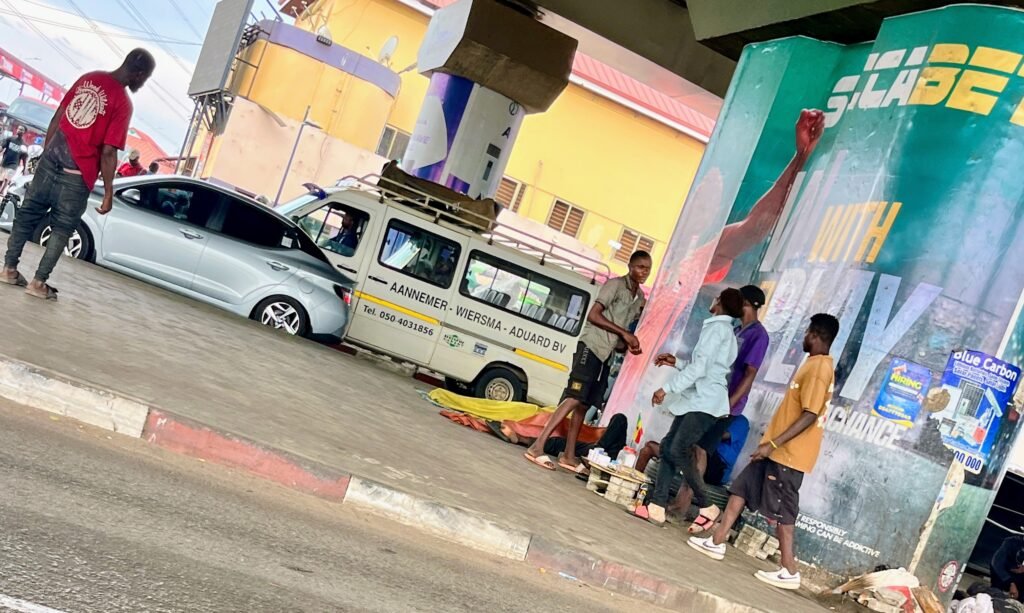
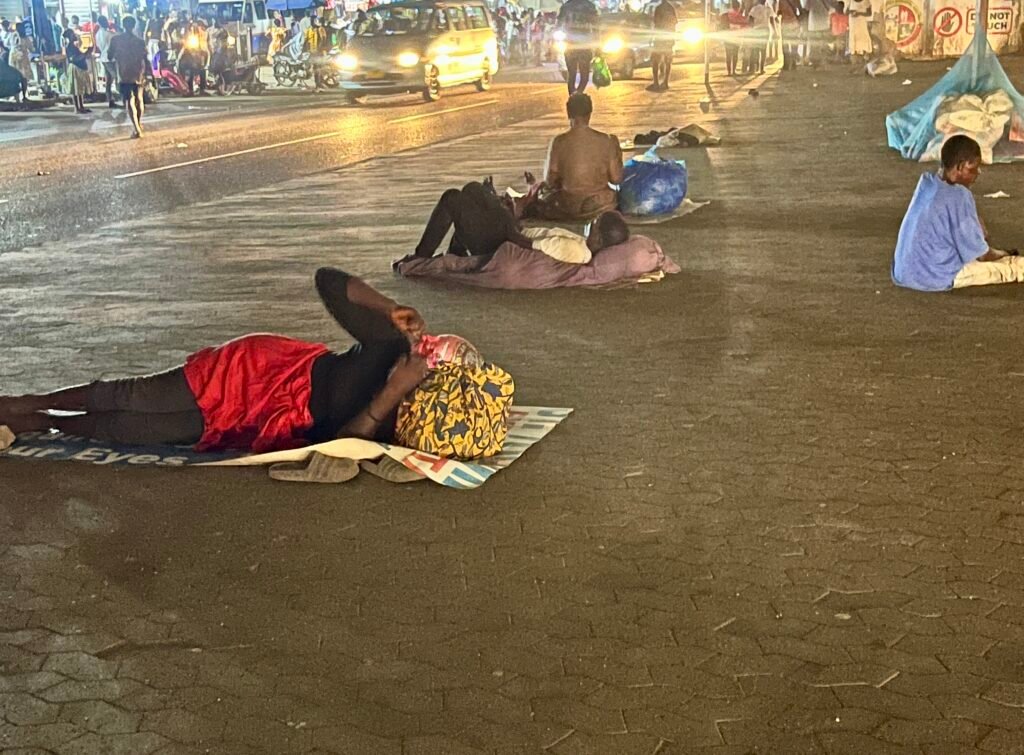
These children are still at Circle and the other areas mentioned, still begging, and still sleeping on concrete instead of beds. Their presence is a loud reminder of unfinished work. Ghana’s progress will mean little if its capital continues to abandon its youngest citizens.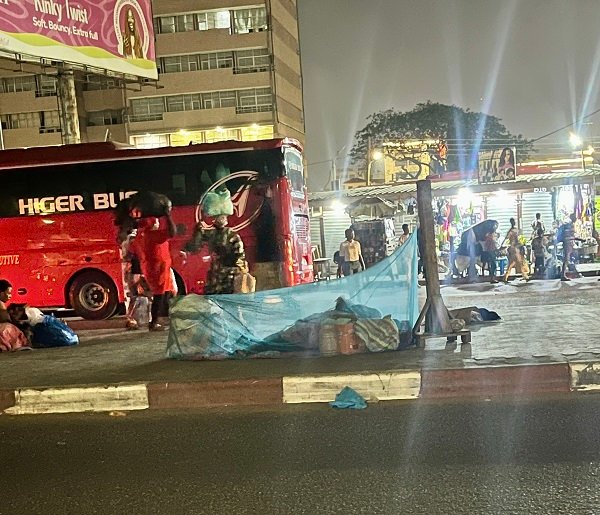
If you like, I can also create a shorter, punchy version suitable for newspapers or online platforms that grabs attention quickly while keeping the urgency of the issue.
By Eric Gyimah
By Jemima Esinam Kuatsinu
Join our WhatsApp Channel now!
https://whatsapp.com/channel/0029VbBElzjInlqHhl1aTU27







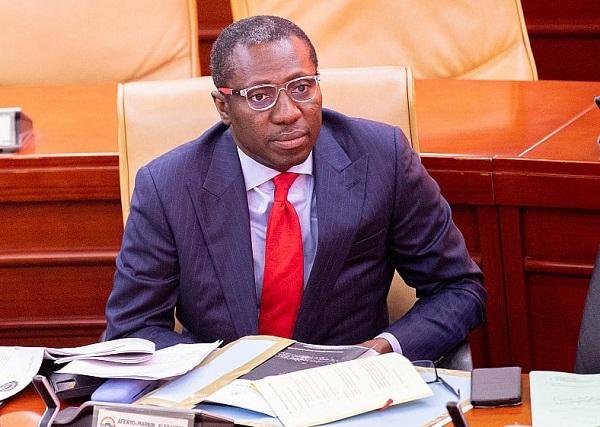
Minority Leader in Parliament, Alexander Afenyo Markin, has appealed to members of the Majority caucus to stop displaying placards bearing the name and image of former Finance Minister Ken Ofori-Atta on the floor of Parliament and describing him as corrupt.
His appeal followed concerns raised by the Council of Elders of the New Patriotic Party and members of Mr Ofori Atta’s family over how his image was used on placards during the recent State of the Nation Address in Ghana.
Addressing the House, Mr Afenyo Markin explained that no court has found the former finance minister guilty of corruption and therefore cautioned against actions that could damage his reputation.
He indicated that although political disagreements are normal in Parliament, deliberately printing and displaying Mr Ofori Atta’s pictures in a negative manner, especially when the attention of the world was on the chamber during the address, was inappropriate.
Mr Afenyo Markin therefore appealed to the Majority leadership, particularly the Chief Whip, to ensure that such actions are controlled or stopped in the future to maintain peace in the House.
He revealed that the Council of Elders of his party had summoned him to ask what steps the caucus was taking in response to the incident.
The Minority Leader also acknowledged concerns raised by a member of Parliament who is a relative of the former finance minister and had persistently drawn attention to the issue in the chamber.
He stressed that Mr Ofori Atta remains a human being with a family and reputation that should not be unfairly attacked.
Mr Afenyo Markin added that he did not intend to litigate the matter but was making a respectful plea to the Majority leadership to end what he described as the continued persecution and attacks on the former finance minister’s name in the chamber.
By: Jacob Aggrey
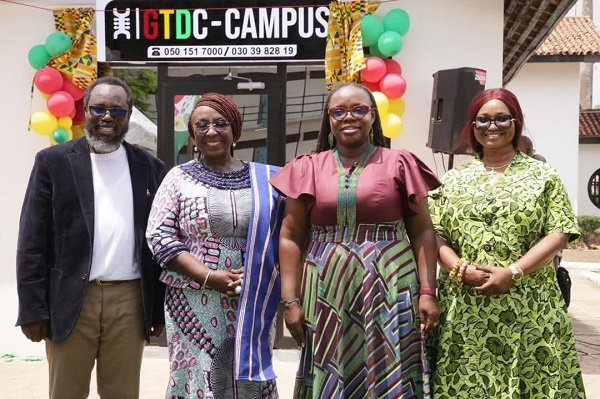
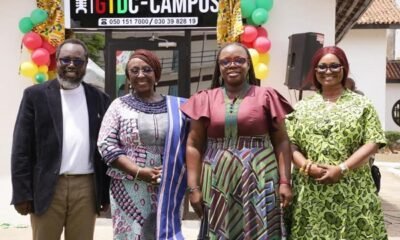
The Ghana Tourism Development Company, GTDC, under the leadership of Prof.Kobby Mensah has launched GTDC Campus Tourism Office at the University of Ghana.
The initiative aims to promote educational and domestic tourism by providing structured campus tour experiences showcasing key heritage sites, including the Archaeology Museum and the School of Performing Arts.
It will also offer students their first travel experience across the continent and inculcate in them love to visit Ghana’s heritage sites.
Addressing the gathering at the launch yesterday, the Minister of Tourism, Culture and Creative Arts, Abla Dzifa Gomashie, described tourism as a vehicle for education and heritage preservation, stressing that the sector must inspire citizens to value and protect national culture for future generations.
The minister highlighted tourism’s connection to disciplines such as history, the arts, economics and environmental science.
The minister further noted that the private sector is the engine of tourism economy, adding that the engines require fuel, which is talents.” by investing in these young people today, you are securing the quality, the innovation and competitiveness of our own industry for tomorrow.
She added that the establishment of the office represents a deliberate investment in the intellectual capital of the country.
The GTDC boss, Prof.Kobby Mensah, said,”at GTDC, we believe that if our tourism has to be sustainable, we have to promote domestic tourism and a very big part of it is getting students to appreciate tourism and helping them to organise tours.”
He added that the University of Ghana itself is a huge heritage site which must be explored.
Prof.Kobby Mensah noted that the initiative, which is one of many to be established across the country, is a joint partnership between GTDC and University of Ghana.
The Vice Chancellor of the University, Prof.Nana Aba Appiah Amfo, said the University is a custodian of heritage which goes beyond the structures and welcomed the establishment of the first Campus Tourism Office.
She was optimistic that the office would be put to good use to achieve the intended purpose.
The launch brought together Stakeholders reaffirming their commitment to nurturing future tourism and hospitality professionals.
By Edem Mensah-Tsotorme