Hot!
Sri Lanka tense after protesters torch leaders’ homes in night of unrest


- /home/u249204778/domains/spectator.com.gh/public_html/wp-content/plugins/mvp-social-buttons/mvp-social-buttons.php on line 27
https://spectator.com.gh/wp-content/uploads/2022/05/124658098_mediaitem124658097.jpg&description=Sri Lanka tense after protesters torch leaders’ homes in night of unrest', 'pinterestShare', 'width=750,height=350'); return false;" title="Pin This Post">
- Share
- Tweet /home/u249204778/domains/spectator.com.gh/public_html/wp-content/plugins/mvp-social-buttons/mvp-social-buttons.php on line 72
https://spectator.com.gh/wp-content/uploads/2022/05/124658098_mediaitem124658097.jpg&description=Sri Lanka tense after protesters torch leaders’ homes in night of unrest', 'pinterestShare', 'width=750,height=350'); return false;" title="Pin This Post">
A curfew is in force across Sri Lanka after mobs burned down homes belonging to the ruling Rajapaksa family amid mounting anger at the economic crisis.
The overnight violence capped a day of unrest that saw PM Mahinda Rajapaksa quit, but this failed to bring calm.
Crowds besieged his residence and tried to storm it – he was evacuated to safety in a pre-dawn operation amid tear gas and warning shots.
Seven people have died and more than 190 have been injured since Monday.
The island-wide curfew has been extended to Wednesday morning as authorities seek to quell the violence. Many protesters are still calling for President Gotabaya Rajapaksa, brother of Mahinda, to leave office.https://emp.bbc.com/emp/SMPj/2.44.15/iframe.htmlMedia caption, Watch: Tear gas and physical force disperse pro and anti-government protesters
Reports say more than 50 houses of politicians were burned overnight. Violence abated as day broke, although protests continued despite the curfew.
In the east, protesters gathered in front of Trincomalee Naval Base after unconfirmed reports that Mahinda Rajapaksa had gone there with family members after escaping from his Colombo residence.
Since last month Sri Lanka has been gripped by escalating demonstrations over soaring prices and power cuts.
- Why Sri Lankans want their rulers thrown out
- The divisions behind Sri Lanka’s united protests
- Sri Lankans left desperate over medicine hikes
On Monday, government supporters clashed violently with protesters in the capital Colombo outside Mahinda Rajapaksa’s Temple Trees residence, and then at the main protest site at Galle Face Green.
Police and riot squads were deployed, and tear gas and water cannon were fired at government supporters after they breached police lines and attacked protesters using sticks and poles.
Angry demonstrators retaliated, attacking government supporters and targeting ruling party MPs, including one who shot two people after a mob swarmed his car and then killed himself, according to Sri Lankan police.
As the night went on, mobs of protesters across the country torched houses belonging to the Rajapaksas, various ministers and MPs. This included a house turned into a controversial museum by the Rajapaksas in the family’s ancestral village in Hambantota in southern Sri Lanka.
Footage posted on social media showed homes enveloped in flames as people cheered.
The BBC is not responsible for the content of external sites.View original tweet on Twitter
Areas near the president’s official residence were also set ablaze, according to reports. A municipal lawmaker died in hospital after an attack on his house.
Following Mahinda Rajapaksa’s resignation, protesters attempted to breach the inner compound of Temple Trees where he was staying along with several loyalists, and set fire to a bus outside the home. Police fired shots in the air and tear gas in an attempt to disperse them.
Mr Rajapaksa was flown out of Colombo to an undisclosed location on Tuesday morning.
Elsewhere in Colombo, tensions remained high. Men armed with sticks and rods had established road blocks on the routes leading to and from the airport, and police and security forces – usually a common sight in the area – were nowhere to be seen, reports the BBC’s Anbarasan Ethirajan.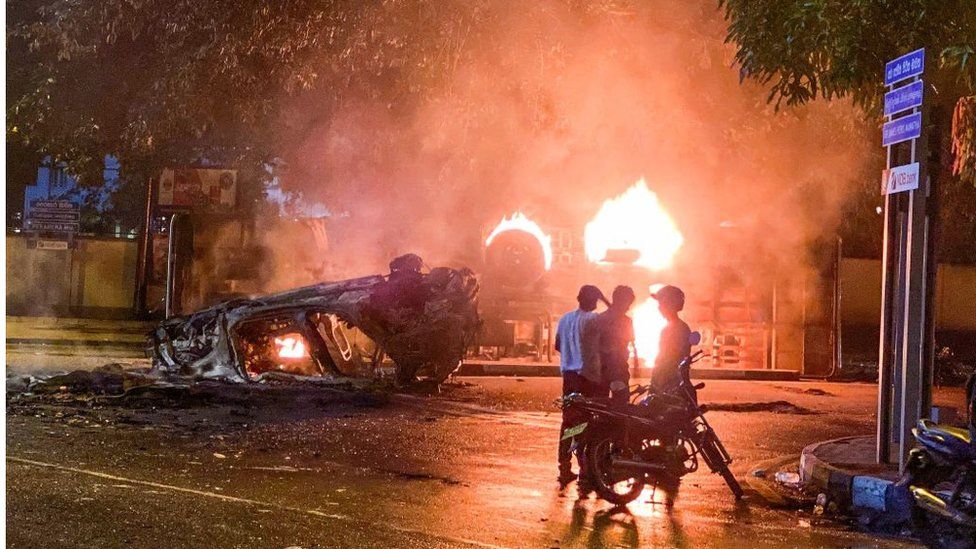
Sri Lanka is facing its worst economic crisis since gaining independence from Britain in 1948, and people are furious because the cost of living has become unaffordable.
The country’s foreign currency reserves have virtually run dry, and people can no longer afford essential items including food, medicines and fuel.
The government has requested emergency financial help. It blames the Covid pandemic, which all but killed off Sri Lanka’s tourist trade – one of its biggest foreign currency earners.
But many experts say economic mismanagement is also to blame.
Source:BBC News

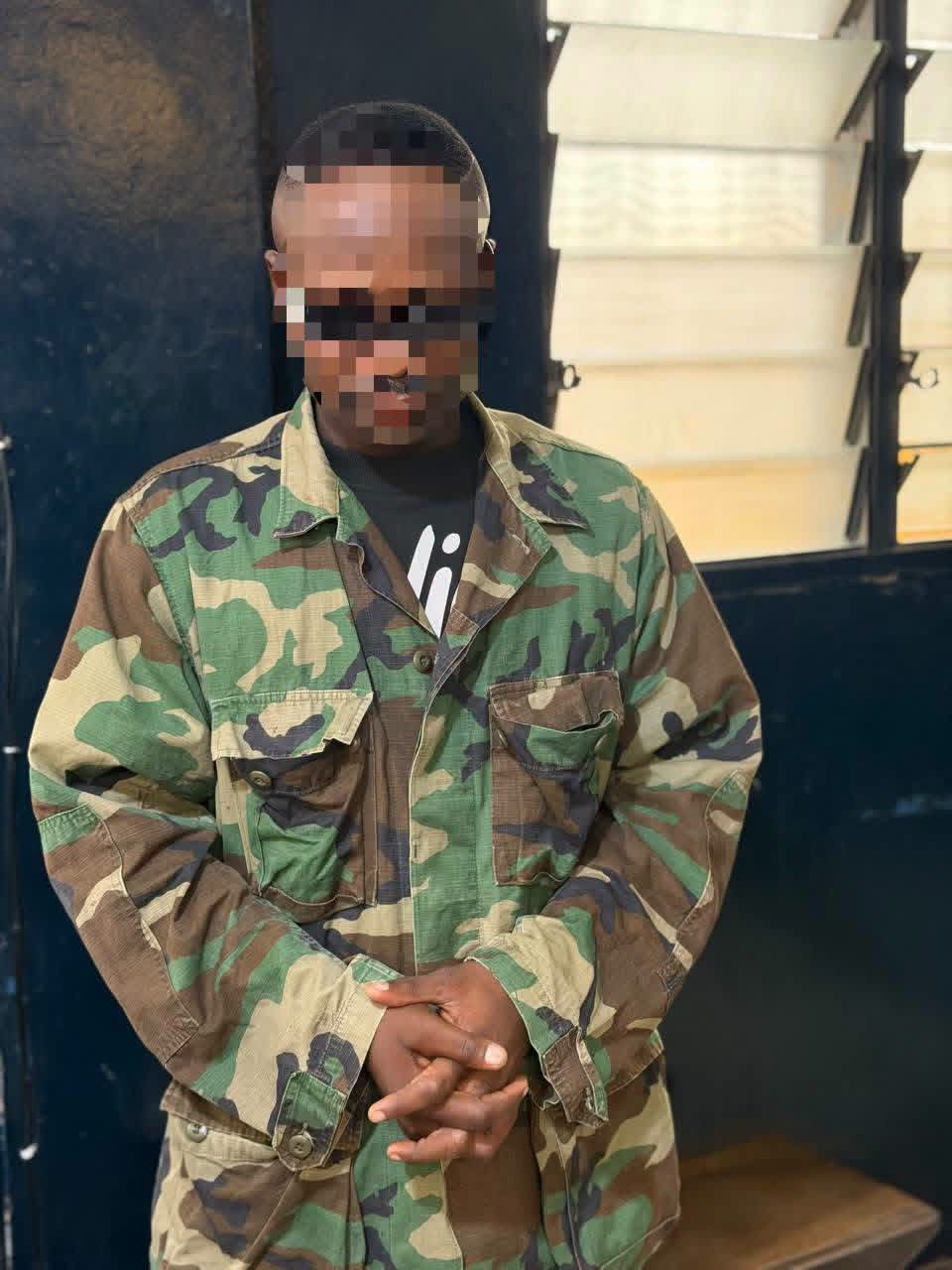
The Tema Regional Police Command has arrested a 32-year-old man for allegedly posing as a soldier and extorting money from unsuspecting members of the public at Ashaiman.
The suspect, identified as Bright Atsu Kudiabor, was arrested by the Ashaiman Police on Wednesday, September 16, 2026, at about 7:00 a.m.
According to the Police, he was arrested at an area known as “I Shall Return”, where he was allegedly parading himself as a soldier and demanding money from people.
The Police said Kudiabor, who is an ex-convict, was initially arrested by personnel of the Ghana National Fire Service in Ashaiman with assistance from other members of the public.
A search conducted on him after he was handed over to the Police reportedly led to the recovery of a set of military camouflage uniform.
The suspect is currently in Police custody and assisting with investigations.
The Tema Regional Police Command said he would be processed for court after investigations are completed.
The Police urged the public to remain vigilant and report anyone who falsely presents themselves as a soldier or a member of another security agency to deceive or extort money from the public.
By: Jacob Aggrey
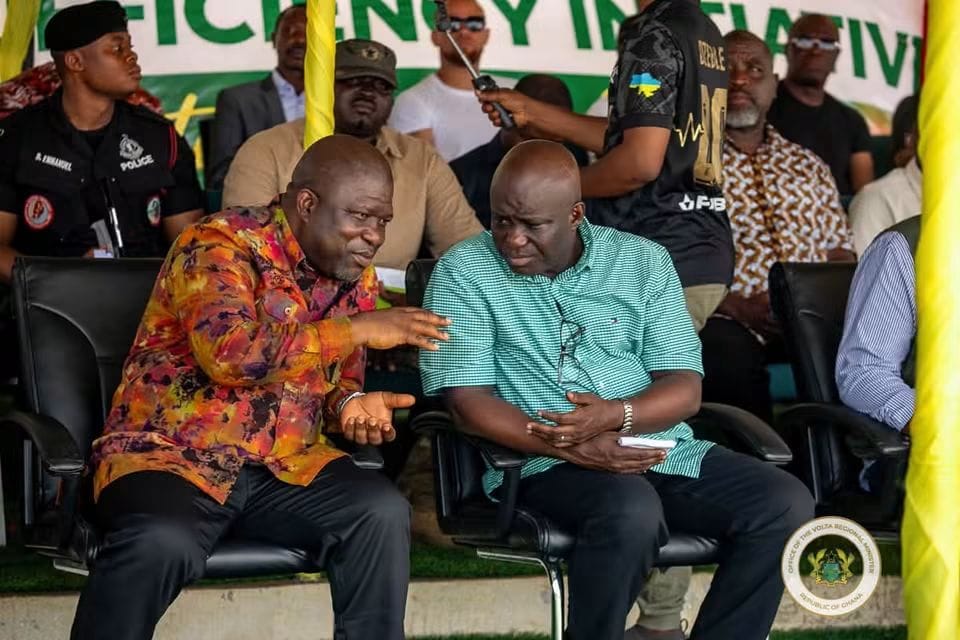
Volta Regional Minister, James Gunu, says the Volta Region holds enormous agricultural potential and efforts must be geared towards connecting farmers to the needed resources to unlock that potential.
He said focus must be on linking farmers to resources, technology, financing and markets to increase production, create jobs and build sustainable livelihoods.
Hon. Gunu made the remarks at the national launch of the Ghana Tomato Self-Sufficiency Initiative (GHATSI) held at Anloga in the Volta Region on Tuesday, September 15.
The initiative, under the theme “Produce at Home. Feed the Nation. Export the Surplus,” seeks to boost local tomato production, processing and marketing while reducing Ghana’s heavy reliance on imported tomatoes.
The launch was attended by the Minister for Food and Agriculture, Eric Opoku, his Deputy, John Setor Dumelo, Feed Ghana Coordinator, Bright Demordzi, Members of Parliament, traditional leaders, MMDCEs, farmers and other stakeholders.
Mr.Gunu expressed appreciation to the Minister for Food and Agriculture for the support announced for the region, including two excavators, 200 cartons of organic fertiliser, and GH¢200,000 for Ms. Kuatudzo Esther Dela, a tomato farmer and processor from Ziope.
He described the initiative as an important step towards making agriculture a stronger driver of food security, job creation and economic growth in the Volta Region.
By Edem Mensah-Tsotorme