News
Smoke from wood fuel harmful to pregnant women

- /home/u249204778/domains/spectator.com.gh/public_html/wp-content/plugins/mvp-social-buttons/mvp-social-buttons.php on line 27
https://spectator.com.gh/wp-content/uploads/2024/09/A-woman-smoking-fish-the-traditional-way.jpg&description=Smoke from wood fuel harmful to pregnant women', 'pinterestShare', 'width=750,height=350'); return false;" title="Pin This Post">
- Share
- Tweet /home/u249204778/domains/spectator.com.gh/public_html/wp-content/plugins/mvp-social-buttons/mvp-social-buttons.php on line 72
https://spectator.com.gh/wp-content/uploads/2024/09/A-woman-smoking-fish-the-traditional-way.jpg&description=Smoke from wood fuel harmful to pregnant women', 'pinterestShare', 'width=750,height=350'); return false;" title="Pin This Post">
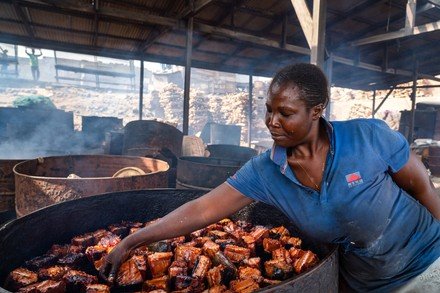
A woman smoking fish the traditional way
The Sekyere South District Health Promotion Officer, Ashanti Region, Mr Joseph Asore, has warned that wood fuel smoke poses significant health risks, particularly for vulnerable groups like pregnant women.
He said prolonged exposure to smoke from charcoal and firewood could increase the risk of low birth weight and infant mortality.
It could also exacerbate underlying health conditions such as asthma and lead to respiratory tract infections, reduced lung function and even heart failure.
Speaking at the National Liquefied Petroleum Gas (LPG) awareness and sensitisation campaign in Jamasi, Mr Asore said,” pregnant women are particularly at high risk, putting their lives and their unborn children at risk.”
”In most cases, it affects babies to the extent that it becomes visible in their weight. The normal weight of a newborn starts from 2.5kg, but due to these risks, some children are born weighing less, which has lasting implications for them from an early stage,“ he explained.
The national campaign, being executed in collaboration with the Oil Sustainability Programme (OSP), an initiative of the Kingdom of Saudi Arabia, the Ministry of Energy, the National Petroleum Authority (NPA), and Digicraft Advertising/Brand Management, includes market sensitisation, community durbar and town-hall meetings.
A community durbar was held at the Jamasi Community Centre, where participants were urged to support the initiative.
Speaking at the event, the Assistant Headmaster of Administration at Adu Gyamfi Senior High School and Chairman of the occasion, Mr Emmanuel Eshun, praised the NPA’s CRM, calling it a valuable opportunity.
“This initiative allows you to easily exchange your old cylinder for a new filled cylinder at an exchange point, making it a hassle-free process that benefits everyone.”
He said smoke from wood fuel was harmful to pregnant women, calling on all to use LPG.
The Twafohene of Jamasi, Nana Kofi, expressed his appreciation to the NPA and partners for bringing the awareness to Jamasi and its environs.
“We thank all of you for bringing this durbar to Jamasi. Our forests have been severely damaged by fires, and we welcome the introduction of gas as a safer alternative for cooking, which I believe will help protect our forests and environment,” he added.
In a presentation on CRM, a Supervisor from the Gas Directorate of the NPA, Johnson Gbagbo Jnr, gave comprehensive insights into CRM and shed more light on the policy.
Addressing the challenge of accessing gas refilling stations in Jamasi and why CRM was necessary, he said “since there’s no gas refilling station in Jamasi, people travel to Agona to refill their cylinders and incur transportation cost.
The NPA and, by extension, the government has introduced this scheme to bring gas closer to you all. Under this scheme, the exchange points will be at various strategic centres for you to have easy access to gas without spending much or no money at all on transport.”
A short drama was performed to highlight the health risks associated with continuous inhalation of smoke and the need for residents to take immediate action in embracing the CRM and adopting the safe use of LPG.
The Ghana National Fire Service conducted a demonstration on the appropriate actions to take in the event of an LPG-related incident.
The team concluded the regional campaign with a town-hall meeting in Bekwai and interacted with vendors, drivers, and residents in the Kumasi Metropolis, emphasising the importance of safe LPG use and the essence of the CRM.
Addressing consumers at a town-hall meeting in Bekwai, Head of Consumer Services at the NPA, Mrs Eunice Budu Nyarko, urged the public to regularly check the cylinder rubber seals (washers) around the valves and the connecting hoses to see if they were worn out or damaged.
The hoses serve as the gas distribution line between the cylinder and the cooker.
She encouraged consumers not to repair damaged hoses and rubber seals (washers) by themselves but rather take the cylinders to nearest LPG dealers for a safety check and replacement.
Additionally, hoses should be secured with proper hose clips.
Mrs Nyarko urged the public to keep liquefied Petroleum Gas (LPG) cylinders outside the kitchen to prevent explosion and resultant injury, death and property damage.
She said the cylinders should be placed on wooden platforms with roofs to prevent foot ring rusting or damaged from direct sunlight, rain and tampering. –GNA







The 29th Annual Dagaaba-Frafra Friendly Games have once again demonstrated that sports can be a powerful vehicle for cultural preservation, business networking, friendship and peaceful coexistence.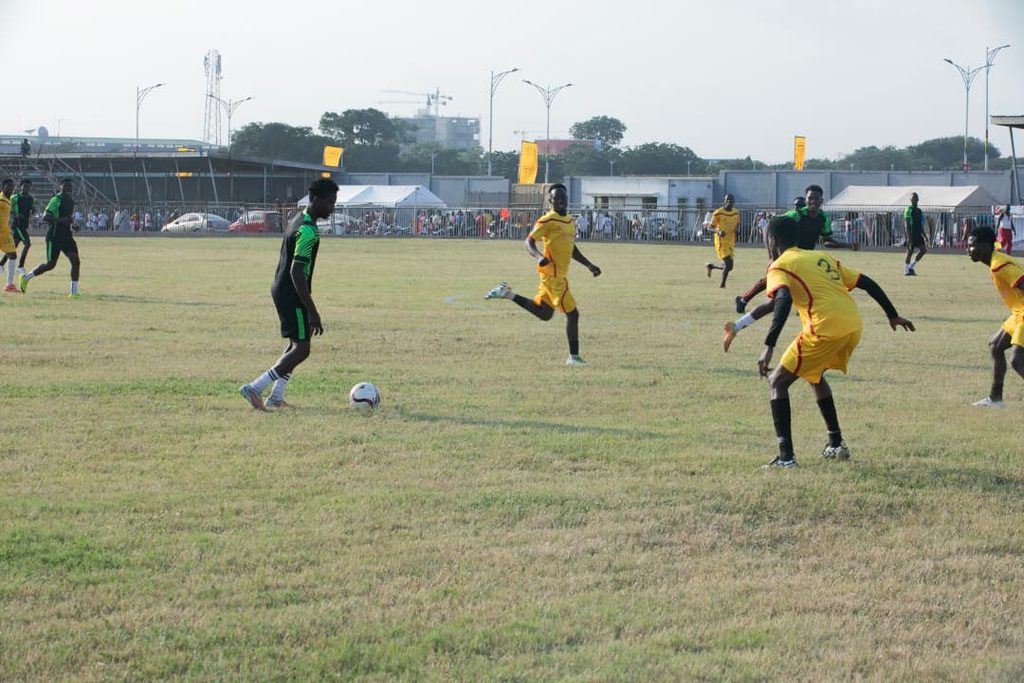
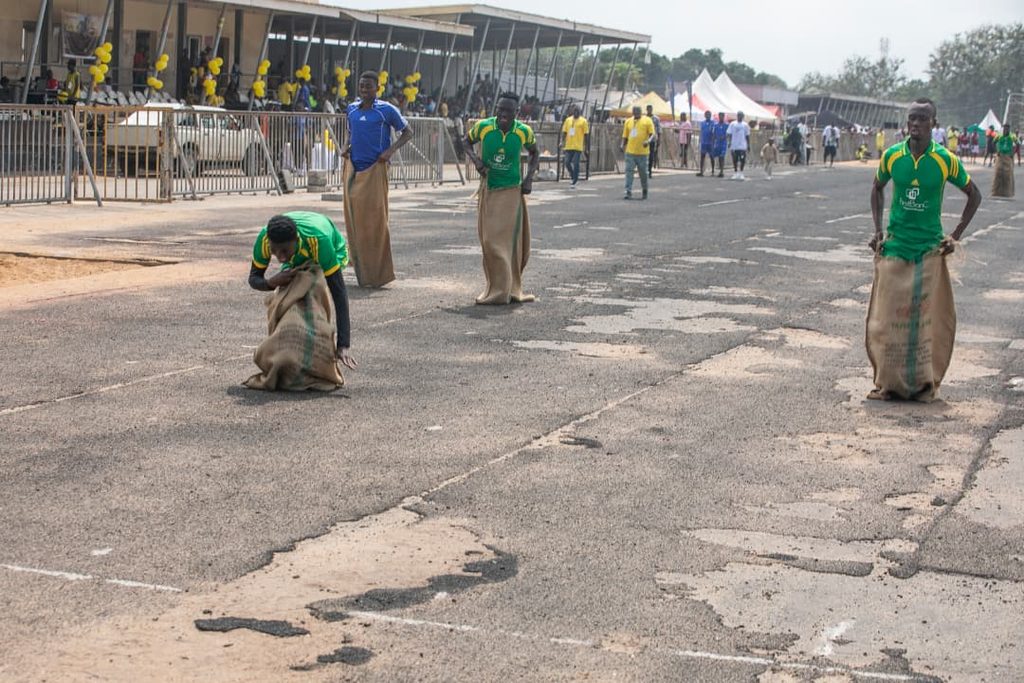
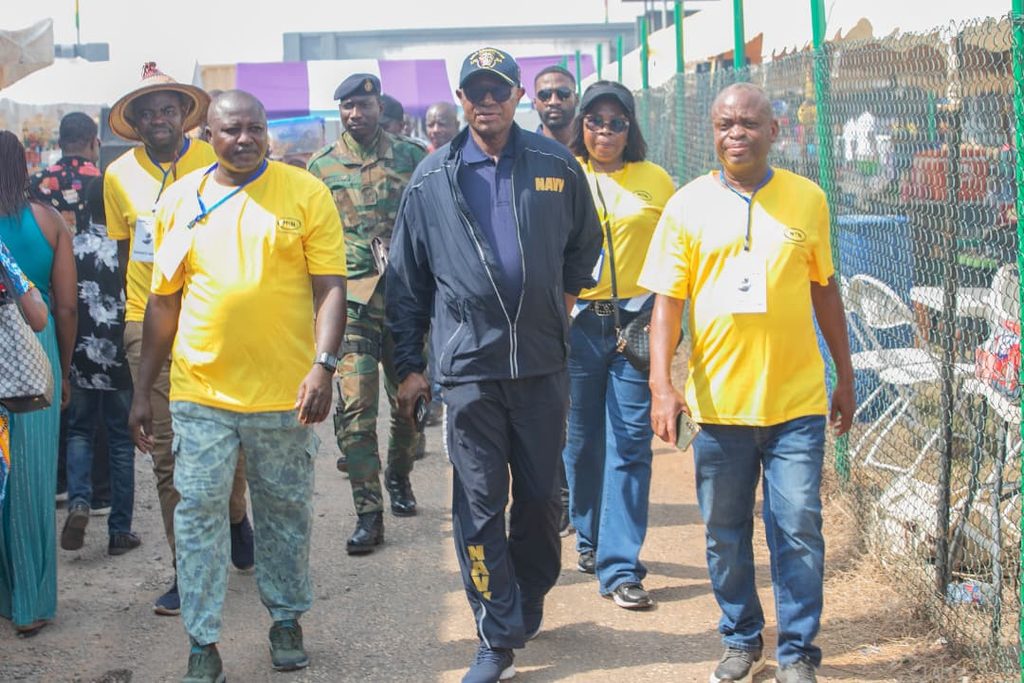
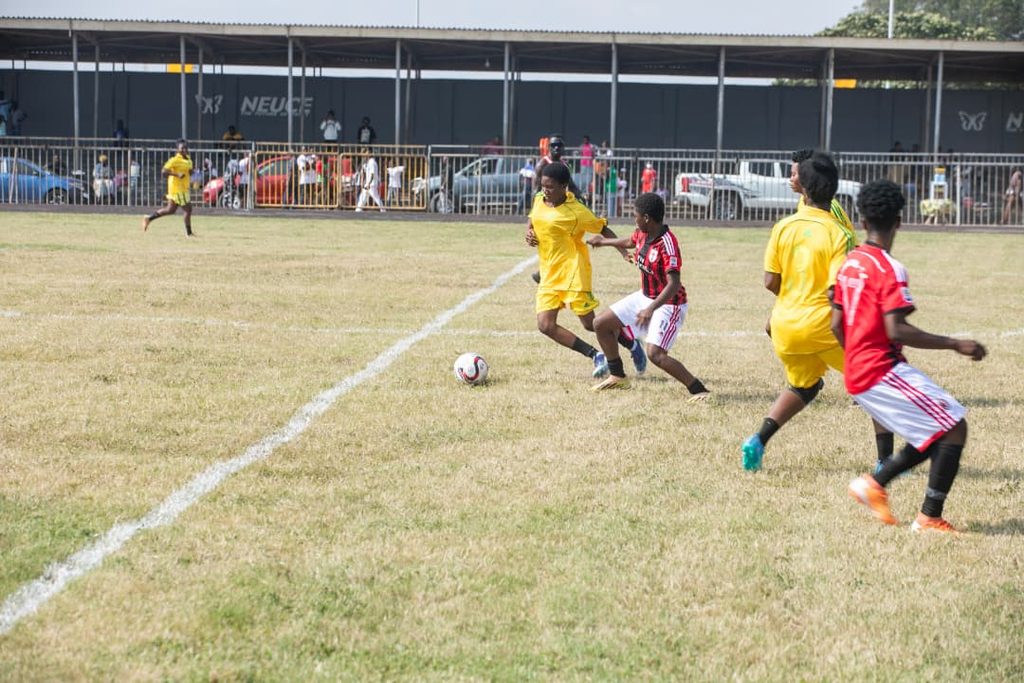
Held at the El-Wak Sports Stadium in Accra last Saturday, the games brought together members of the two ethnic groups from across Ghana and abroad for a colourful celebration under the theme, “Unity in Diversity: The Dagaaba-Frafra Model for Peaceful Co-existence.”

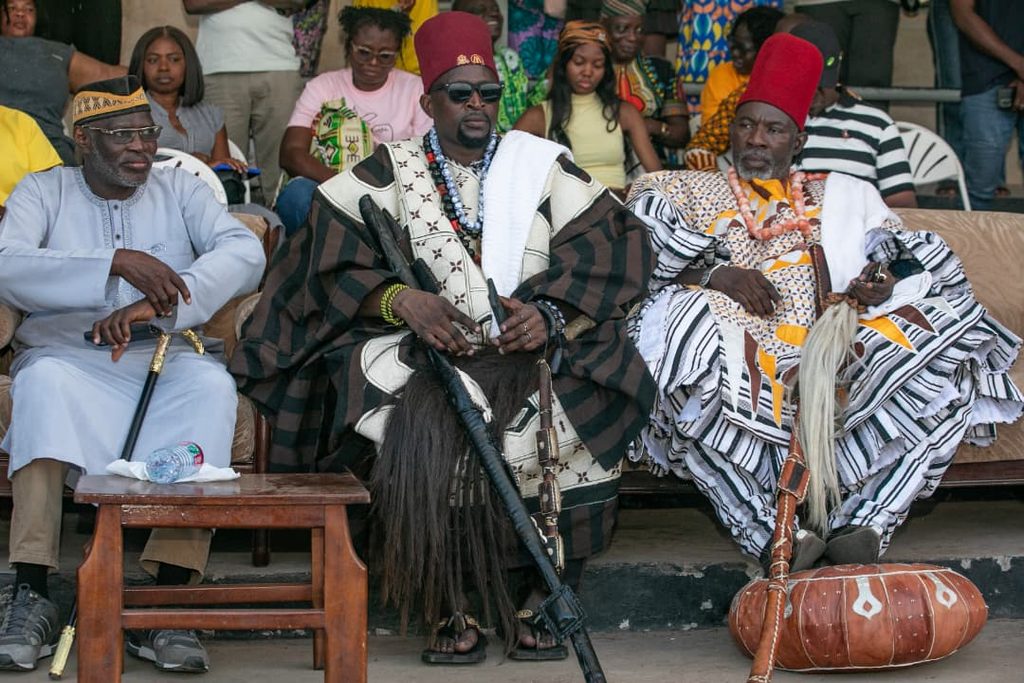
The event, which has evolved from a friendly football match into a major annual gathering, featured football, volleyball, sack races, lime and spoon, tug-of-peace and a penalty shootout for senior citizens.
At the end of the competitions, the Frafra won four events, while the Dagaaba secured victories in five, with the men’s soccer match ending in a draw.
The Frafra triumphed in the men’s lime and spoon, men’s sack race, women’s sack race and women’s soccer, while the Dagaaba won the women’s lime and spoon, men’s volleyball, women’s volleyball, women’s tug-of-peace and the senior citizens’ penalty shootout.

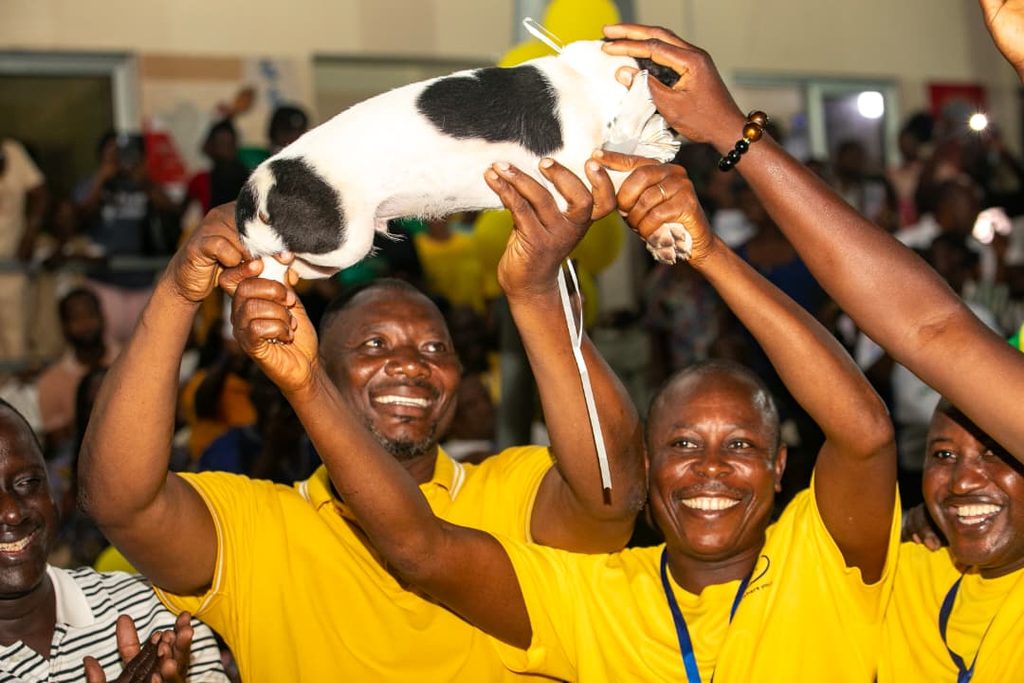
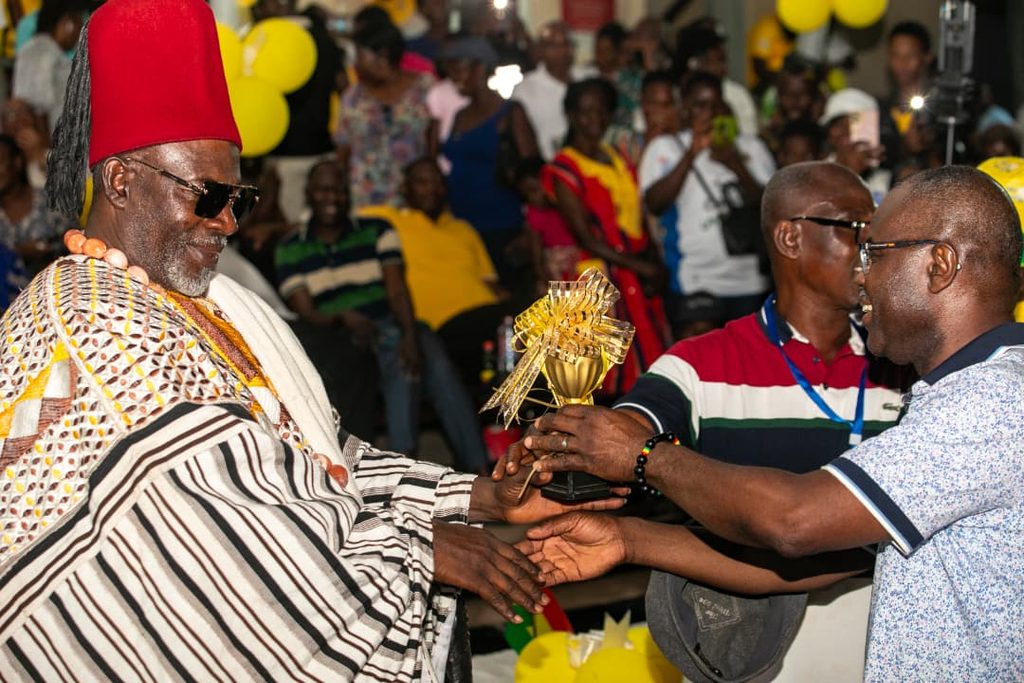
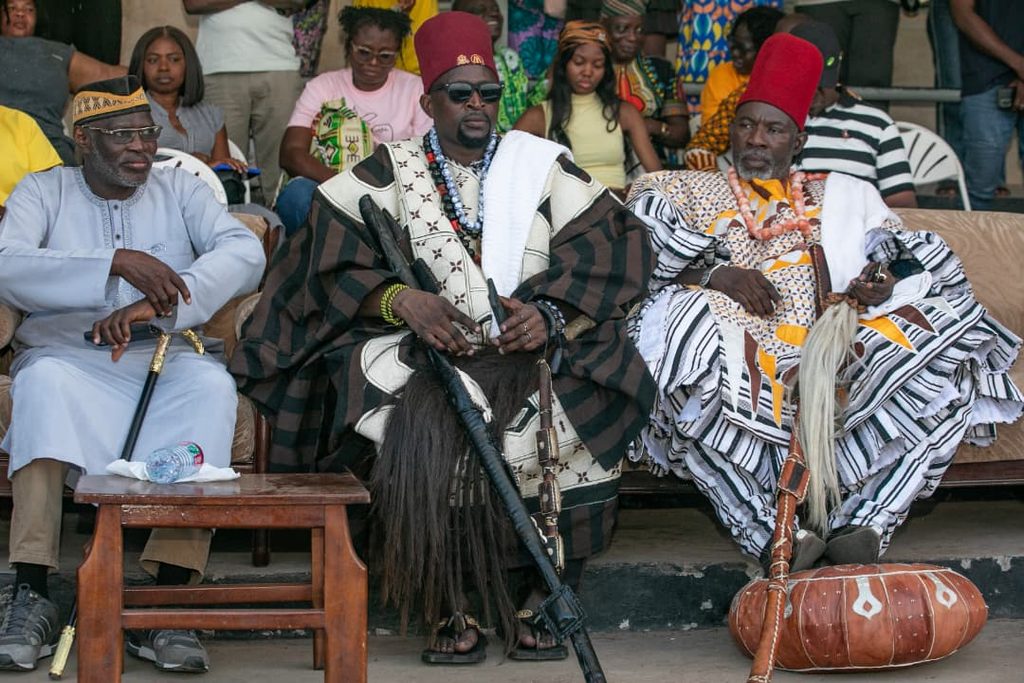
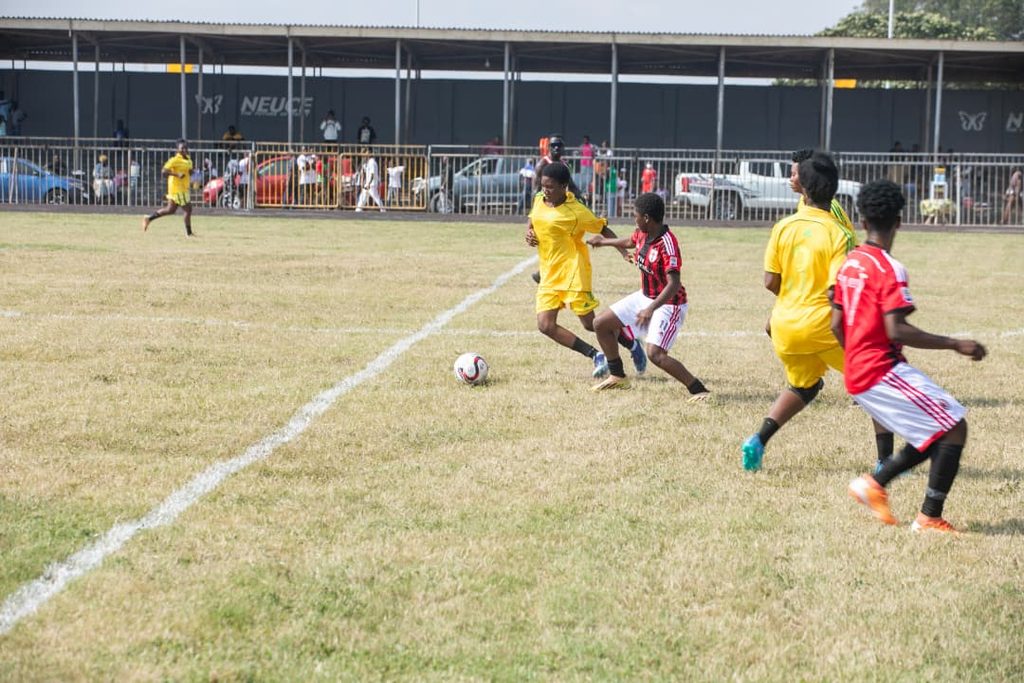
However, the games extended far beyond the sporting arena. The stadium grounds and surrounding spaces became a vibrant marketplace, with patrons enjoying and purchasing a variety of traditional foods, drinks and cultural products.
Local delicacies, including TZ, tubaani, bambara beans, pork, guinea fowl, local fowls, dog meat and kosie, were sold alongside traditional alcoholic beverages. Traditional dresses and other culturally inspired items also attracted buyers, turning the gathering into an important platform for small businesses and vendors to make sales while promoting northern Ghanaian culture.
The cultural exchange continued long after the final sporting contests, as patrons remained at the venue to eat, drink, socialise, dance and party well into the night.
In her remarks, the Guest of Honour, Dr Matilda Aberese-Ako, said the gathering represented much more than competition, describing the Dagaaba-Frafra relationship as a historic bond that had evolved into a modern sporting tradition and an instrument for peace.
MTN Ghana has been the headline sponsor for the games for the past 10 years.
By Gordon Wellu
By Gordon Wellu
SKIP THE QUEUE, TAP THE NEWS
You can now read the Ghanaian Times and The Spectator newspapers from the comfort of your device via TimesNewsPlus.
Join our WhatsApp Channel: https://whatsapp.com/channel/0029VbBElzjInlqHhl1aTU27

MTN Ghana has undertaken a tree-planting exercise at the Chipa Forest Reserve as part of its commitment to protecting the planet and support the restoration of degraded sections of the forest.
The activity forms part of the company’s 2026 Sustainability Month celebration held under the theme “Small Actions: Big Impact,” and its 30th anniversary celebration.


It was held in partnership with the Forestry Commission (FC) and the Rainforest Alliance with MTN Ghana supporting the restoration of approximately two hectares of degraded forest through the planting of 1,666 trees.
Due to the current dry weather conditions, 833 trees were planted during the exercise, with the remaining 833 to be planted when the rain commences.
The exercise brought together MTN employee volunteers, officials from the Forestry Commission and representatives of the Rainforest Alliance, demonstrating the importance of collaboration in driving environmental sustainability.
Speaking at the event, the Acting General Manager for Sustainability and Shared Value at MTN Ghana, Georgina Asare Fiagbenu, emphasized the critical role trees play in sustaining life and protecting the environment.
“Trees are essential to human survival and healthy ecosystems. They absorb carbon dioxide, release oxygen, regulate temperatures, protect soil, support biodiversity and provide habitats for many species. They also conserve water, reduce erosion and help communities adapt to the effects of climate change,” she said.
The District Manager of the Tema-Ada Forest Services Division of the Forestry Commission, Linda Ansah, welcomed MTN Ghana’s support, describing it as a valuable contribution to efforts aimed at restoring degraded sections of the reserve.
The Country Director of the Rainforest Alliance, Nicholas Jengri, also welcomed the partnership and emphasised the importance of collective action in addressing environmental challenges.
SKIP THE QUEUE, TAP THE NEWS
You can now read the Ghanaian Times and The Spectator newspapers from the comfort of your device via TimesNewsPlus.
Join our WhatsApp Channel: https://whatsapp.com/channel/0029VbBElzjInlqHhl1aTU27