Health Essentials
Sleep may not always be the answer to your needed rest


Sleep is powerful and definitely one of the major legal performance enhancing drugs of all time but even sleep answereth not all questions related to adequate rest.
“Doctor, I am so tired. I still feel drained even after a 10-hour sleep.”
“I feel lonely, unappreciated and extremely tired. Help me doctor.”
These are two of the numerous examples that clients complain of on a daily basis. We are in “an energy crisis that has nothing to do with oil and gas” and unless we learn to take the necessary breaks and make minor adjustments to our way of life we are heading for a generation that has burnt-out high achievers. I am only drawing attention to a crisis that is often overlooked.
Deep, adequate sleep is an extremely powerful life-changing natural phenomenon that many people trample upon. If you had to make a single change to your life to grow healthier I will suggest you sleep more if you sleep less than seven or eight hours a day. Yes, napping also has an energizing role in our health quest. Rest is such a broad and grey area and it appears sleep is only part of the whole enigma of REST. Now you will understand why an evening with family or friends out of home after a tiring week invigorates you. Also there must be some magic spending time by the seaside even if you don’t sleep. How about playing music with friends? Rest is much more than sleep and though sleep is extremely important all the other forms of rest do matter as well.
A look at the 7 types of rest
1. Physical rest
a. We all know that feeling when you just want the body to take a break. It turns out physical rest can be broken down into two
i. Passive Rest ; lying down, sleeping, napping
ii. Active Rest; yoga, massage, stretching etc.
2. Mental rest
Typically one feels irritable, forgetful and unable to concentrate at work etc. May get eight hours of sleep yet feels horrible. This may be tell-tale signs that you need mental rest
How to fix this;
- Switch off your brain. Take short breaks every two hours talk about or write down your feelings so you are not carrying them around
3. Sensory rest
With the noise all around, bright lights, screen time and a host of others, our senses feel overwhelmed.
How to fix this;
- Simply close your eyes for a minute
- Unplug intentionally; Take a break from computers, phones, bright lights, noise and conversations
4. Creative rest
It is important to awaken the excitement deep within us. The glitter in our eyes. That is another realm of rest.
How to fix this;
- Walk in a beautiful place in nature, watch a movie, play a musical instrument, garden or do art. The good news is you do not even need to be good at it.
5. Emotional rest
Often we are unable to say NO when that is exactly what is needed. We accept additional engagements only to sit in our corner later and feel lonely and unappreciated.
How to fix this;
- Cut back on people-pleasing “adventures”
- Create time to freely express your feelings and emotions. “ME-TIME” and SELFCARE can’t be over emphasised
6. Social rest
It is rare to find someone who needs emotional rest BUT has no social rest deficit. They often come as a “couple”. We need to be able to differentiate between relationships that energise us and those that drain all we have.
How to fix this;
- supportive and positive people, rather than people that exhaust you.
- Engage in conversation and stay focused. Paying attention does wonders to our brain
7. Spiritual rest
We all need to rely on the power of a superior being and for me it is GOD! We need that sense of belonging (child of God), love and a PURPOSE. That gives us the needed rest
How to fix this;
- Prayer
- Praise and worship to The Almighty
- Meditation
- Service to the community
My advice is let us put all these into practice as often as possible. Every day is possible. Do not wait till you are too tired or feel totally broken before you search for these tips. The time is now and remember SLEEP is supreme but we need the other forms of rest to be complete. Seek professional medical care if you continue to feel “unrested”.
AS ALWAYS LAUGH OFTEN, ENSURE HYGIENE, WALK AND PRAY EVERYDAY AND REMEMBER IT’S A PRICELESS GIFT TO KNOW YOUR NUMBERS (blood sugar, blood pressure, blood cholesterol, BMI)
Dr. Kojo Cobba Essel
Health Essentials Ltd/Medics Clinic
(www.healthessentialsgh.com)
Dr. Essel is a Medical Doctor with a keen interest in Lifestyle Medicine, He holds an MBA and is an ISSA Specialist in Exercise Therapy, Fitness Nutrition and Corrective Exercise. He is the author of the award-winning book, ‘Unravelling The Essentials of Health & Wealth.
Thought for the week – “Whatever you practise grows stronger, what are you practising now?”
References:
1. Saundra Dalton-Smith, MD – ideas.ted.com


I have on several occasions referred to laughter as the “best medicine” just as many others do and over the years, I have expanded my knowledge on the benefits of laughter. We all need to laugh daily and that’s the prescription given by the best doctors all over the world.
I came across the quote “Laughter is the best medicine. Unless you’re laughing for no reason….then you need medicine.” It sounds great and will get you laughing or at least smiling yet I beg to differ. My advice: find a reason to laugh no matter what and if you find none laugh anyway.
A few years ago, I decided to spend my first three hours of being awake laughing or smiling no matter what. It set the tone for a successful day. I did not bother about the early morning traffic, neither did I scream or honk at careless drivers but I guess as the years dragged on and the reality of fuel price hikes, electricity challenges and an ailing Ghana economy among many others hit home, the smile and laughter faded but I ALWAYS get back once I realise I am “short-changing” myself. No matter the struggles you may be facing, remember laughing or smiling will surely make your day so much better.
My prescription for you and myself is “Laugh at least five minutes in the morning and five minutes at the end of the day” no matter what. Do it even if you have no reason to.
Now what does science say about laughter?
1. It helps make the world a better place
a. Laughter is contagious so set the ball rolling by laughing and many others will join in the fun.
2. You learn better
Well, no need to get all serious and mean while you learn something new. A good dose of laughter while you learn may actually make the process more efficient. Word of caution, DO NOT distract others by laughing in an annoying way.
3. You get a health boost
a. We know this, right? I found out that laughter may actually increase good cholesterol while lowering inflammation. We do need more data on this but really, keep laughing, it can’t possibly harm you.
4. Makes you more robust
a. A nervous laughter when your back is against the wall? Laughter helps regulate your emotions in a difficult situation. Crying or frowning is unlikely to have positive returns.
5. Lowers stress and improves memory
a. Stress hormones, especially in the elderly, is reduced by laughter and one’s ability to remember gets a much-needed spike.
6. Makes you more attractive
a. People are always attracted to a “smiling face” or someone who laughs often. They make the party come alive.
7. Improves your relationship
a. Whether you are negotiating a deal at work, interacting with family or friends; laughter creates stronger bonds leading to better outcomes and building stronger relationships.
8. May help burn off some calories
Now I may be pushing this too much, but truth is laughter does raise your energy expenditure and heart rate. Though the calories you burn may be fewer per bout of laughter, every positive thing adds up for our good.
9. Boosts immune function and enhances sleep
a. Say goodbye to frequent common colds and laying in bed for long hours listening to the dogs in the neighbourhood “chitchatting”, a leaking tap dripping or worse still a snore within earshot that will compete with Louis Armstrong on the trumpet.
b. Combine laughter with your daily dose of exercise, and your winning combination is a reality.
10. May improve blood pressure and relax muscles
a. I will not advise you to drop your medication for all day laughter but I am sure laughter will play a positive role in reducing stress, giving you a feeling of wellbeing, relaxing your muscles in the process and your blood pressure may be sending you a thank you beat sooner than later.
Good health, improved learning ability and an enviable memory packaged with an attractive personality and a penchant to build strong relationships sounds like a team player who is destined for success in all fields. That you may agree will make your trips to the bank exciting and of course cause you to laugh all the way to the bank. The cycle repeats itself.Have you had your daily dose of laughter yet?
AS ALWAYS LAUGH OFTEN, ENSURE HYGIENE, WALK AND PRAY EVERYDAY AND REMEMBER IT’S A PRICELESS GIFT TO KNOW YOUR NUMBERS (blood sugar, blood pressure, blood cholesterol, BMI)
Dr. Kojo Cobba Essel
Health Essentials Ltd/Medics Clinic
(www.healthessentialsgh.com)
*Dr. Essel is a Medical Doctor with a keen interest in Lifestyle Medicine, He holds an MBA and is an ISSA Specialist in Exercise Therapy, Fitness Nutrition and Corrective Exercise. He is the author of the award-winning book, ‘Unravelling The Essentials of Health & Wealth.’
Thought for the week – “laughter is contagious – Laugh and the whole world laughs with you.”-
References:
1. Fulfillment Daily -7 science-backed reasons why laughing is good for you (2016)
2. Stanford Business
3. Someecards
By Dr. Kojo Cobba Essel
Join our WhatsApp Channel now!
https://whatsapp.com/channel/0029VbBElzjInlqHhl1aTU27

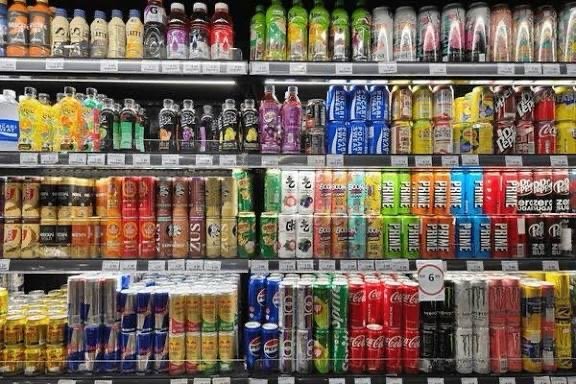
WHEN Dorcas reaches for a chilled bottle of her favourite soft drink after lunch, she rarely considers its long-term effects on her health. For the 29-year-old secretary in Accra, the sweetness is comforting. The tiny print on the label—numbers, percentages and scientific terms—feels too distant to warrant concern.
“I take these drinks because they are less expensive compared to natural fruit juice. They are easy to get. Sometimes the drinks paired with a bun, buff loaf, cookies or biscuits serve as a full meal,” she says.
Nutrition experts, however, warn that a single 300ml bottle of soda can contain as many as nine cubes of sugar, almost twice the recommended daily limit.
“Even when you dilute it, the sugar content doesn’t reduce. Your tongue may not taste it, but your body absorbs every gram,” says Harriett Nuamah Agyemang, Country Director of SEND Ghana, which is leading advocacy for Front-of-Pack Labelling (FOPL) to help consumers make healthier choices.
Rising consumption and growing risk
Professor Richmond Nii Okai Aryeetey, a Public Health Nutrition Expert at the University of Ghana, says a recent study shows that one-third of Ghanaian adolescents consume sugary drinks at least once a day.
“Before the end of 2025, Ghana has already purchased almost US$1.3 billion worth of sugar-sweetened beverages. There is not enough data, but we know enough to see that consumption is high and rising, especially among the youth,” he indicates.
According to the Ghana Living Standards Survey, households spend nearly three per cent of their income—about GH¢2,200 annually—on sugary drinks.
Prof. Aryeetey says diets dominated by sugar, salt and fat, common in Ultra-Processed Foods (UPFs), are driving increases in hypertension, diabetes and heart disease.
“Ultra-processing takes food to another level. You combine ingredients that are intensely refined, and add industrial formulations, colours, flavours, sweeteners, that never appear in home cooking,” he explains. He identifies doughnuts, pizza, ketchup, burgers, and fizzy drinks as common UPFs.
The numbers behind the burden
The World Health Organisation (WHO) estimates that non-communicable diseases (NCDs), including stroke, heart disease, diabetes and cancers, account for 48 per cent of all deaths in Ghana.
In 2019, the age-standardised mortality rate for major NCDs stood at 750 per 100,000 males and 563 per 100,000 females. Projections indicate that by 2034, nearly 41 per cent of all deaths could be linked to complications from four major NCDs: stroke, heart attack, heart failure and chronic kidney disease, largely driven by unhealthy diets.
Ghana Health Service (GHS) data shows that in 2024 alone, more than 584,000 people were diagnosed with hypertension and nearly 200,000 with diabetes. In the first half of 2025, a further 255,000 hypertension cases and 88,000 diabetes cases were recorded.
Public health experts describe this as evidence of a “sick food environment”, where consumers are surrounded by cheap, aggressively marketed products high in salt, fat and sugar.
Convenience foods and changing lifestyles
From instant noodles and tomato paste to packaged snacks and fizzy drinks, UPFs have become staples in homes, schools, and workplaces.
Ms Agyemang links the trend to changing lifestyles.
“People spend hours in traffic and get home late. They go for the quick options canned, instant or fried. But the long-term cost to their health is enormous,” she says.
Ghana’s current labelling regulations require nutritional information to be placed on the back of packages, often in fine print that many consumers struggle to interpret.
“Even educated consumers struggle with it. For the ordinary person, it’s even more confusing,” she adds.
Front-of-Pack Labeling
Several countries, including South Africa, Nigeria, Mexico and Chile, have adopted Front-of-Pack Labelling, using simple symbols or colours to indicate high levels of salt, sugar or fat.
The WHO says FOPL enables consumers to identify healthier options at a glance and encourages manufacturers to reformulate products in order to avoid warning labels.
“It doesn’t only guide shoppers. It forces companies to compete on health, not just price,” Ms Agyemang notes.
At Rawlings Park in Accra, food vendor, Asia Bintu, says she checks only expiry dates.
“I don’t understand the numbers and those tiny inscriptions. Canned foods are cheaper and easier to cook,” she says.
Advocates say such responses reflect low food literacy, underscoring the need for public education and regulation.
Health system under pressure
Maxwell Bisda Konla, Principal Dietician at the University of Ghana Hospital, says Ghana’s progress in improving national nutrition has slowed.
“Obesity, hypertension and other NCDs are rising at an alarming rate as Ghanaians shift from traditional fibre-rich foods to highly processed meals, sugary drinks and refined carbohydrates,” he says.
Heart disease, kidney failure, and liver complications now feature prominently in mortality data.
He calls for stronger policies to limit the importation and marketing of unhealthy foods while promoting local alternatives such as brown rice, whole grains, fruits, vegetables, nuts, and seeds.
Schools as a focal point
Labram Musah, National Coordinator of the Ghana NCD Alliance, says schools are critical to reversing current trends.
“Children are increasingly exposed to unhealthy diets, especially in urban areas. What they eat in schools shapes their lifelong habits,” he says.
He advocates regulation of foods sold in and around schools, and the introduction of practical nutrition education, including school gardens and healthy meal plans.
“It’s not enough to tell children what to eat. We must make healthy options available and affordable. Imagine if every school had a small garden, it would change how children think about food.”
Mr Musah also urges the integration of FOPL into Ghana’s broader NCD prevention strategy, alongside salt reduction, sugar taxes and restrictions on marketing UPFs to children.
Evidence from Africa
A randomised controlled trial in Kenya involving 2,198 shoppers found that FOPL significantly improved participants’ ability to identify sugar, salt and saturated fat in packaged foods and reduced intentions to buy unhealthy products, particularly when black warning labels were used.
A South African study similarly found that simplified Front-Of-Pack Labels were more effective than detailed back-of-pack tables in helping consumers identify unhealthy foods.
Prevention as priority
The WHO says clear labelling can drive product reformulation and reduce diet-related diseases over time.
“Reading a label could be the difference between good health and a lifetime of medication. If we don’t act now, we will keep spending millions treating preventable diseases,” Ms Agyemang warns.
For Ghana, a stronger focus on prevention could reduce pressure on health facilities already managing growing NCD caseloads.
Nutrition advocates say introducing Front-of-Pack Labelling would strengthen Ghana’s response to NCDs by making nutritional quality visible at the point of purchase and supporting healthier decision-making.
Advancing SDG Three
The rising burden of diet-related NCDs poses a significant challenge to achieving Sustainable Development Goal Three, which aims to reduce premature deaths from NCDs through prevention and treatment.
Improving Ghana’s food environment through clearer labelling, salt and sugar reduction policies and better access to affordable healthy foods is considered essential to meeting these targets.
By prioritising preventive nutrition policies and healthier diets, Ghana could reduce avoidable illness, ease pressure on the health system and advance efforts to ensure healthy lives and well-being for all.
-GNA

 News6 days ago
CSP Catherine Gagakuma: The Firm, Fair, Fearless Officer in Charge at Awutu Camp Prison
- News1 week ago
Ghana Zambian Relations: President Mahama calls for economic reset and deeper cooperation
- News1 week ago
God has revealed Ghana’s next president, names Wontumi as NPP chairman- Nigel Gaisie