News
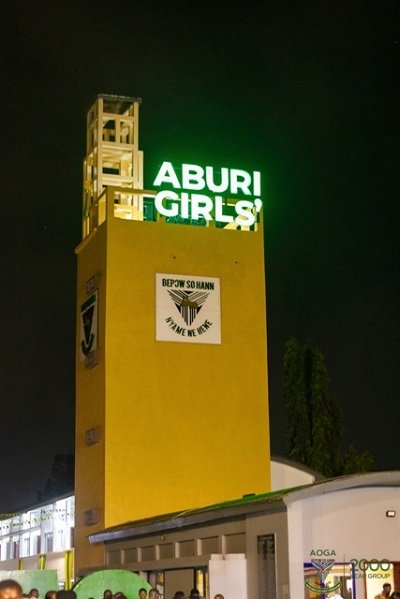
AOGA 2000 Marks Silver Jubilee with Refurbishment of School Tower, Admin Block

- /home/u249204778/domains/spectator.com.gh/public_html/wp-content/plugins/mvp-social-buttons/mvp-social-buttons.php on line 27
https://spectator.com.gh/wp-content/uploads/2025/11/The-newly-refurbished-School-Tower-and-Administration-Block-at-night.jpg&description=AOGA 2000 Marks Silver Jubilee with Refurbishment of School Tower, Admin Block', 'pinterestShare', 'width=750,height=350'); return false;" title="Pin This Post">
- Share
- Tweet /home/u249204778/domains/spectator.com.gh/public_html/wp-content/plugins/mvp-social-buttons/mvp-social-buttons.php on line 72
https://spectator.com.gh/wp-content/uploads/2025/11/The-newly-refurbished-School-Tower-and-Administration-Block-at-night.jpg&description=AOGA 2000 Marks Silver Jubilee with Refurbishment of School Tower, Admin Block', 'pinterestShare', 'width=750,height=350'); return false;" title="Pin This Post">
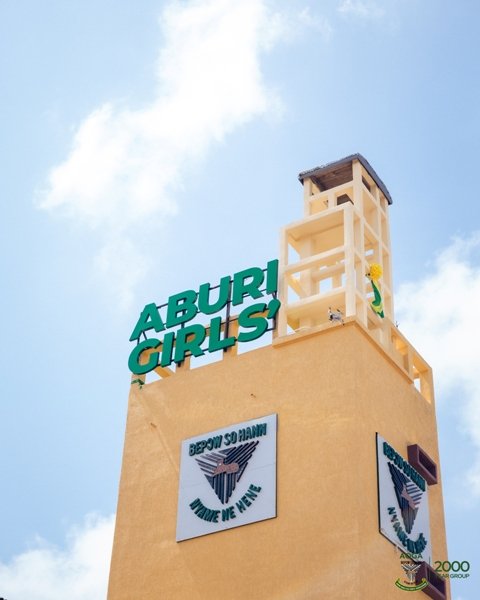
The 2000 Alumni Year Group of Aburi Girls’ Senior High School, known as the Millennium Beacons, have commissioned and handed over the newly refurbished School Tower and Administration Block to the school as part of activities to mark their silver jubilee anniversary since leaving the school.
The event, which heralded a bonfire night and the School’s 79th Speech and Prize Giving Day, had Special Aide to President John Dramani Mahama, Mrs Joyce Bawah Mogtari, join the Aburi Girls Old Girls’ Association (AOGA) 2000 patron, Madam Obuobia Darko-Opoku, Administrator of the Ghana Medical Trust Fund, AOGA 2000 Year Group, and Madam Akua Boahemah Owusu-Sekyere as Special Guests to perform the handing over ceremony.
Mrs Bawah Mogtari commended the AOGA 2000 Year Group for their efforts at giving back to the very institution that molded them into who they have become today.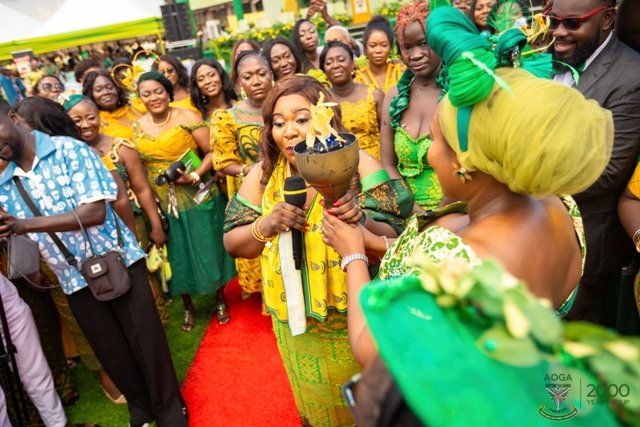
To the headmistress, management, and staff, she urged them to make good use of the facilities while continuing their dedication to nurturing future leaders and maintaining high standards of academic and moral excellence.

and Deputy Minister for Justice
Gloria Afua Akuffo and Madam
Aurora Commodore-Toppar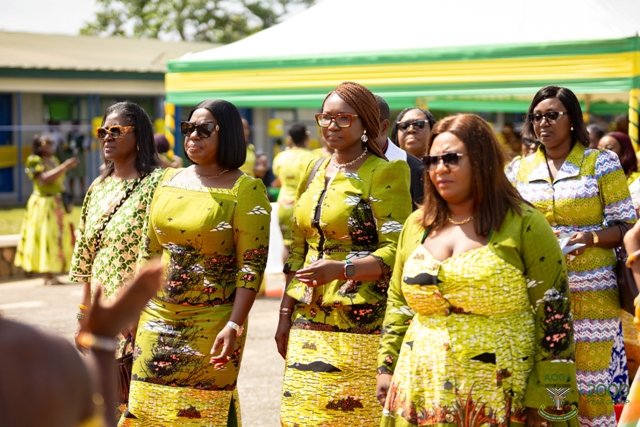
On her part, Madam Owusu-Sekyere stated that the Tower, which served as an iconic symbol of the school for over 50 years and housed the school bell, the timer of the school, had seen little to no repair works. Its deteriorating state posed a significant risk to staff, students, parents, and visitors to the school.

By Raymond Ackumey
Join our WhatsApp Channel now!
https://whatsapp.com/channel/0029VbBElzjInlqHhl1aTU27




Over 20 structures built within the 50-metre buffer zone of the Kpeshie Lagoon at the Laboma Beach Resort in the La Dade-Kotopon Municipality were on Sunday demolished by the Greater Accra Regional Coordinating Council (GARCC).
Buildings such as single-unit semi-detached under construction and completed chalets at the resort were pulled down while portions of a newly constructed perimeter wall were also demolished. Read More
SKIP THE QUEUE, TAP THE NEWS
You can now read the Ghanaian Times and The Spectator newspapers from the comfort of your device via TimesNewsPlus.
Join our WhatsApp Channel: https://whatsapp.com/channel/0029VbBElzjInlqHhl1aTU27

About 120 golfers from clubs across Ghana participated in an 18-hole competition, dubbed ‘MTN 30th Anniversary CEO Invitational Golf Tournament’ held at the Achimota Golf Club on Saturday.
At the end of the hectic day, Frederick Semenu Duvor won the Men’s Group A event with 39 points, while Julienne Afi claimed the Ladies’ Group A title with the same score.
Yaw Mireku Jnr. won the Men’s Group B with an impressive 45 points, while Kous Louanges Mang took the Ladies’ Group B title with 38 points.
Kofi Mangesi won Men’s Group C with 40 points while Elorm R. Akuash Bonney claimed the Ladies’ version with 42 points.
In the Seniors Division, Jan Vogel emerged winner of the men’s category with 39 gross, while Helen Appah topped the ladies’ category with 44 gross.
Addressing participants, the company’s Board Chairman, Mr Ishmael Yamson, urged the company to approach its next phase with the same resilience, discipline and determination that have defined its success over the past three decades.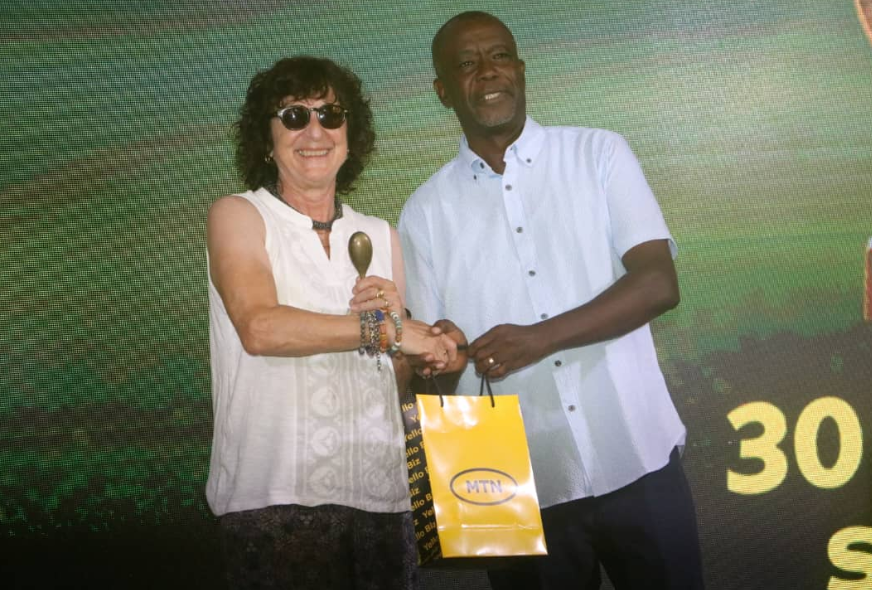
He drew a striking parallel between the game of golf and MTN Ghana’s three-decade journey, describing both as long games in which success depends less on one spectacular moment than on consistency, patience, judgment and the ability to recover from setbacks.
He said, golf had taught him a lesson that extended far beyond the fairways, thus, a round cannot be won on the first hole.
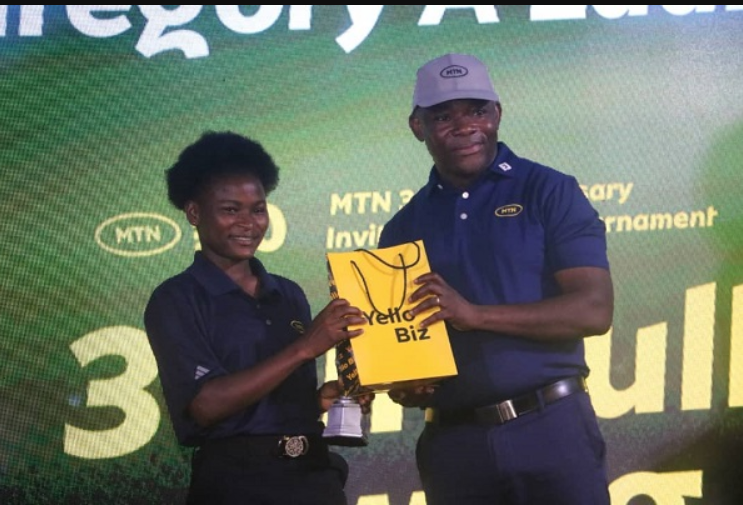
In golfing terms, he said, MTN Ghana had encountered its share of regulatory bunkers, competitive hazards and unexpected storms that had forced the company to pause, reassess and change its approach.
But those challenges, he suggested, were part of the journey rather than reasons to abandon it.
By Andrew Nortey
SKIP THE QUEUE, TAP THE NEWS
You can now read the Ghanaian Times and The Spectator newspapers from the comfort of your device via TimesNewsPlus.
Join our WhatsApp Channel: https://whatsapp.com/channel/0029VbBElzjInlqHhl1aTU27

 Entertainment1 week ago
Fiifi Coleman Productions adapt ‘I Told You So’ stage play into feature film
- News6 days ago
48 Engineer Regiment to be major sub-contractor on Accra-Kumasi Expressway, $2bn ready- Prez Mahama
- News1 week ago
Ghanaian journalist celebrates Texas town’s ‘Eden of the Far West’ tag after mayor’s nod