News
‘Replicate SEND West Africa’s model in gov’t, private institutions’


Dr Ofei-Aboagye (seated third right) in a group photograph with other dignitaries
The Social Enterprise Development Foundation of West Africa, SEND West Africa’s model and approach to transforming lives in communities across the continent must be replicated in government institutions, a seasoned policy analyst Dr Esther Ofei-Aboagye has said.
SEND West Africa, is a civil society organisation currently in three countries; Ghana, Liberia and Sierra Leone.
Delivering a lecture as part of activities to mark Send West Africa’s 25th anniversary celebrations in Accra last Wednesday, she said the civil society organisation had assisted in supporting the poor and needy in society to live a decent life which must be a case study to other organisations and the government.
“Over the past two decades, SEND West Africa has contributed to changing lives and supporting the needy and vulnerable in the continent,” she said.
“It has also committed to alleviating poverty on the continent with several projects ranging from health, agriculture and businesses,” she stated.
She said their success story over the years, had been inspiring organisations that were struggling to make impacts and must study SEND’s approach.
The lecture was under the theme; ‘25 Years of Championing Transformative Advocacy and Livelihood Security for the Poor and Vulnerable.’
She commended SEND West Africa for the remarkable role they had played in development practices, promoting livelihood security and human rights.
“There is still a lot of work to be done to eradicate poverty completely and also promote livelihood security and advocacy especially as far as the poor and vulnerable were concerned,” she stated.
“We will continue to champion the course to ensure the voices of the vulnerable is heard through SEND. There is the need to champion the rights of the poor and vulnerable,” she stressed.
The Chief Executive Officer (CEO) for SEND West Africa, Mr Siapha Kamara reiterated that, the outfit had demonstrated leadership which was key to making a difference in the lives of the poor in society.
According to him, good leadership was essential to the development of a country and the world at large.
In view of that, he said they were committed to leading the charge as far as the development of the continent was concerned.
He said they were looking forward to expanding to other parts of the continent and the world at large to make their impact felt across the globe.
Giving a background on SEND West Africa’s journey, the Board Chair, Ms Janet Adama Mohammed said they were established in August 1998 as a livelihood and food security promoting non-governmental organisation (NGO) focusing on the then North-Eastern parts of Ghana.
However, she said they later transformed into a multi-dimensional response organisation that worked around the human security, development, and peacebuilding in Ghana, Sierra Leone, and Liberia.
The vision she said was to ensure that the rights and well-being of Africans were guaranteed while promoting good governance and equality of men and women in West Africa and the area of education, agriculture, health and peacebuilding.
The event also saw an award presented to the oldest staff of SEND West Africa, Mr Mark Kofi Bow who had been working for the past 20 years.
By Michael D. Abayateye


The Ghana Health Service (GHS) will undertake a nationwide Human Papillomavirus (HPV) vaccination exercise in schools from October to December 2026 to protect eligible girls against cervical cancer and other HPV related diseases.
The exercise, organised in collaboration with the Ghana Education Service (GES) and its partners through the School Health Education Programme (SHEP), will be conducted in two rounds.
The first round is scheduled for October 19 to 23, 2026, while the second will take place from November 30 to December 4, 2026.
In a press release dated October 19, the GHS explained that health workers would visit schools across the country to vaccinate eligible girls aged 9 to 14 who have not yet received the HPV vaccine.
The exercise forms part of efforts to raise awareness about the routine HPV vaccine, increase vaccination uptake and strengthen the country’s routine immunisation programme.
The GHS has called on school authorities, parents, guardians, teachers and community leaders to cooperate with health teams to ensure the successful implementation of the exercise.
The Service reaffirmed its commitment to protecting the health and well-being of Ghanaians, particularly children, through vaccination and other public health interventions.
By: Jacob Aggrey
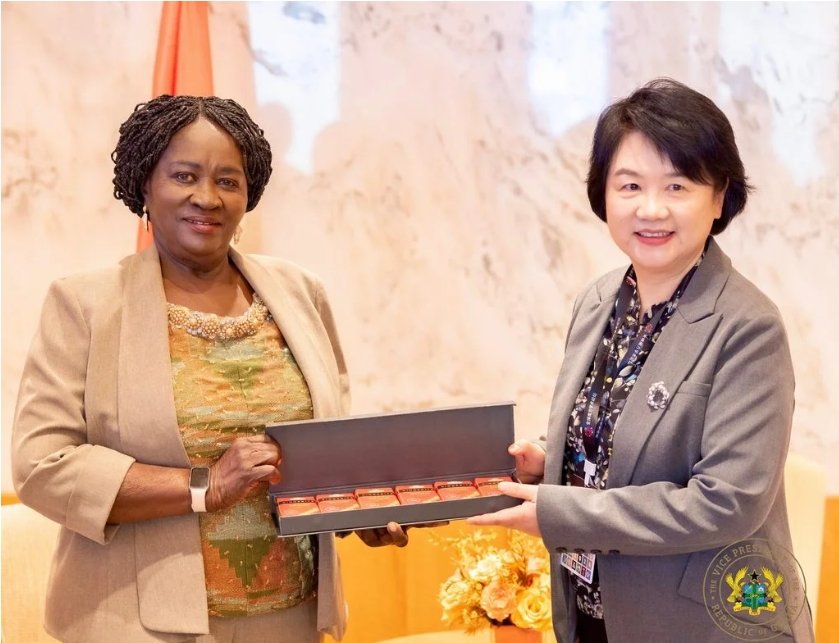
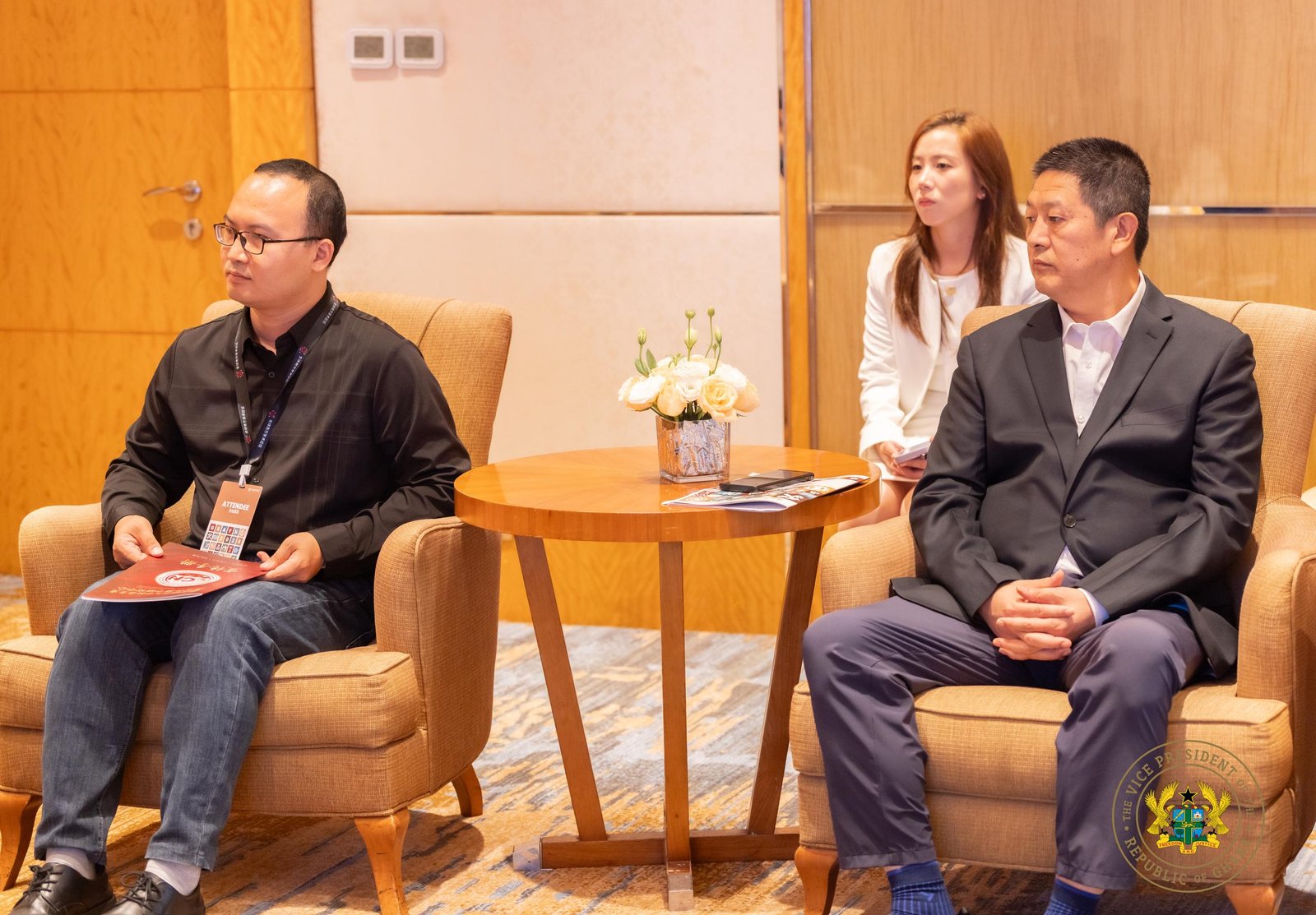
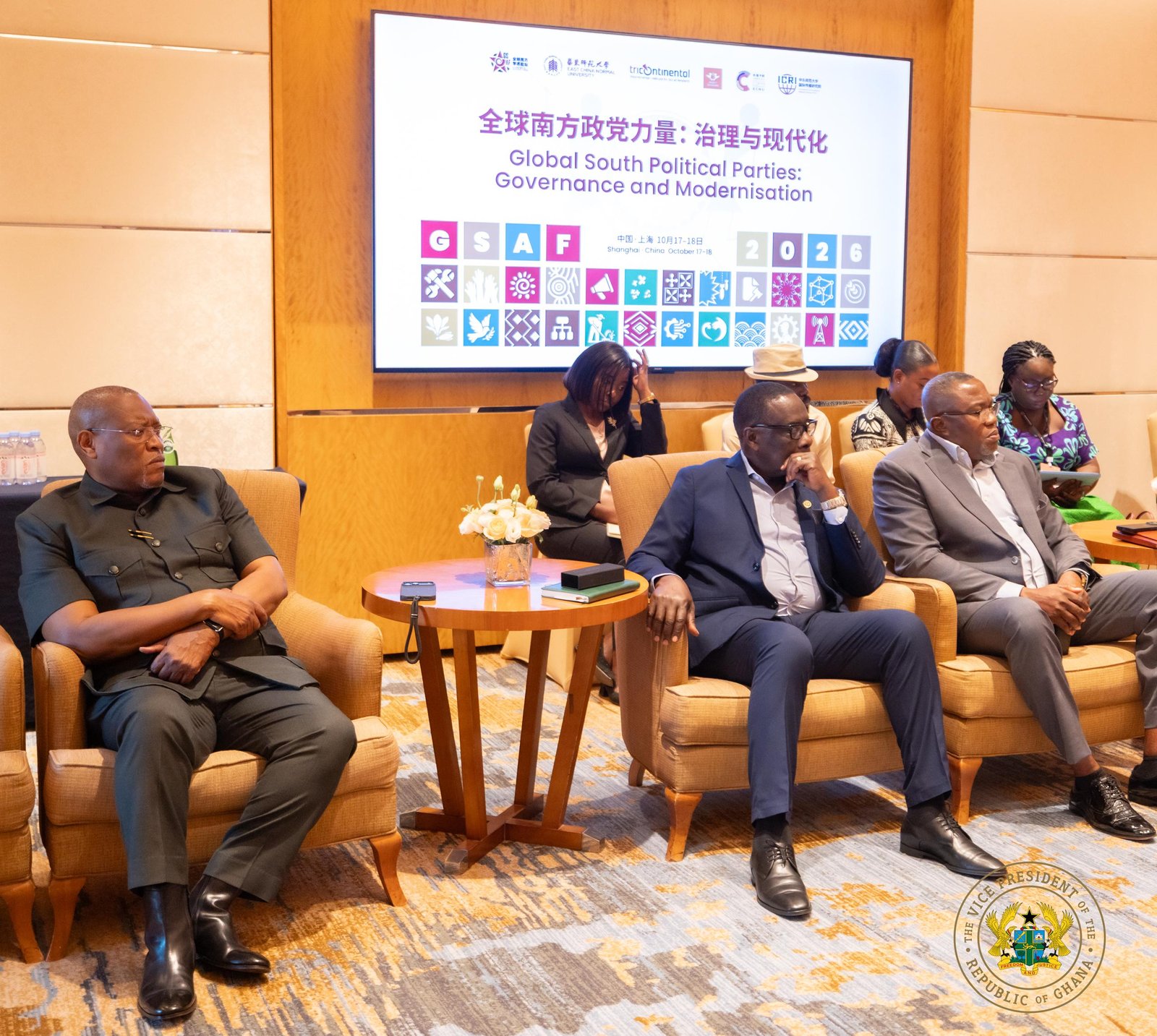
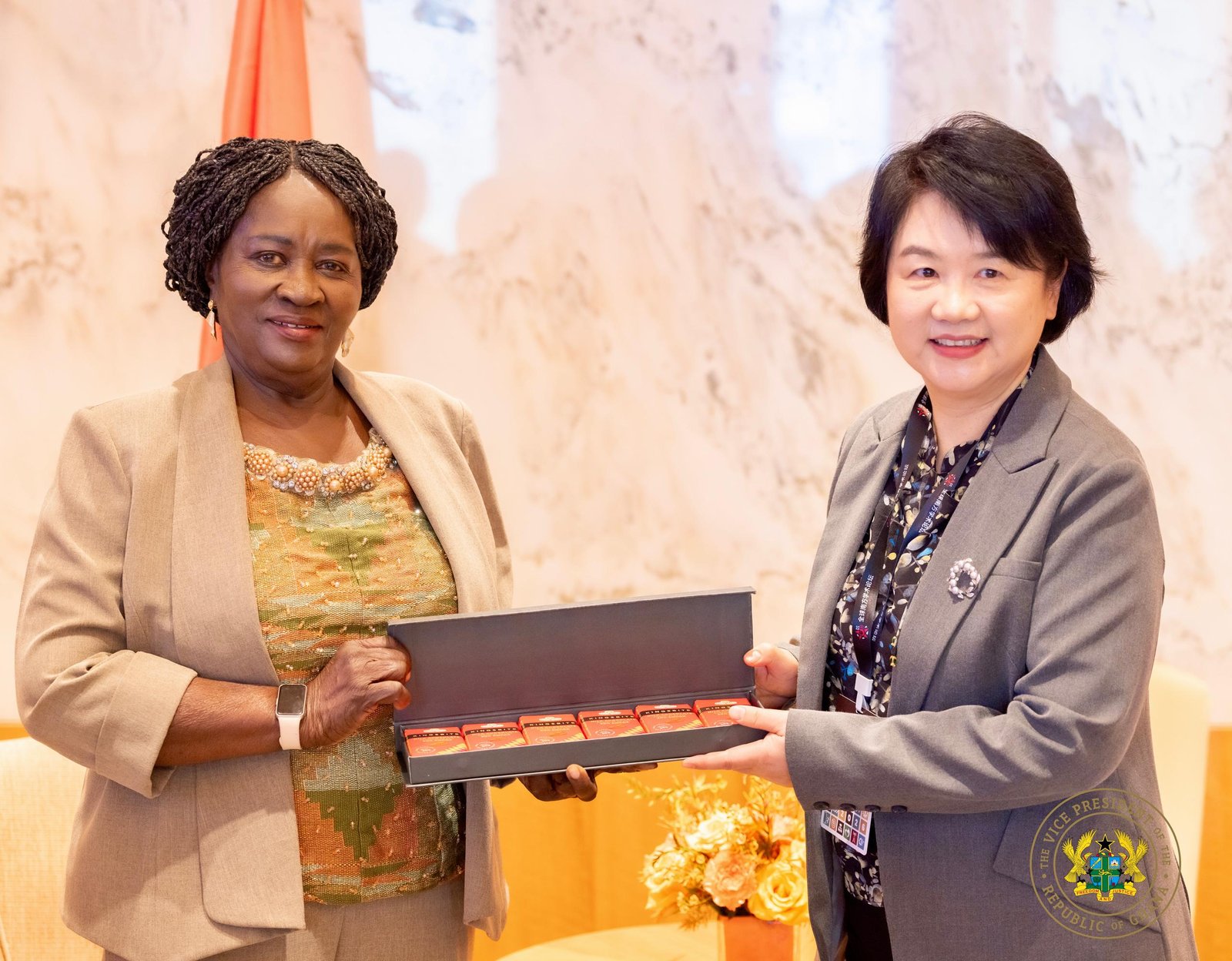
Vice President Professor Jane Naana Opoku-Agyemang has held high-level discussions with organisers of the 2026 Global South Academic Forum in Shanghai, seeking to draw lessons from China’s acclaimed rural revitalisation and poverty reduction drive.
The meeting, led by the Forum Chair, Professor Lu Xinyu, explored practical areas of cooperation and knowledge exchange between Ghana and China, with focus on community-driven development, fisheries and aquaculture, local governance, sports initiatives, and infrastructure development.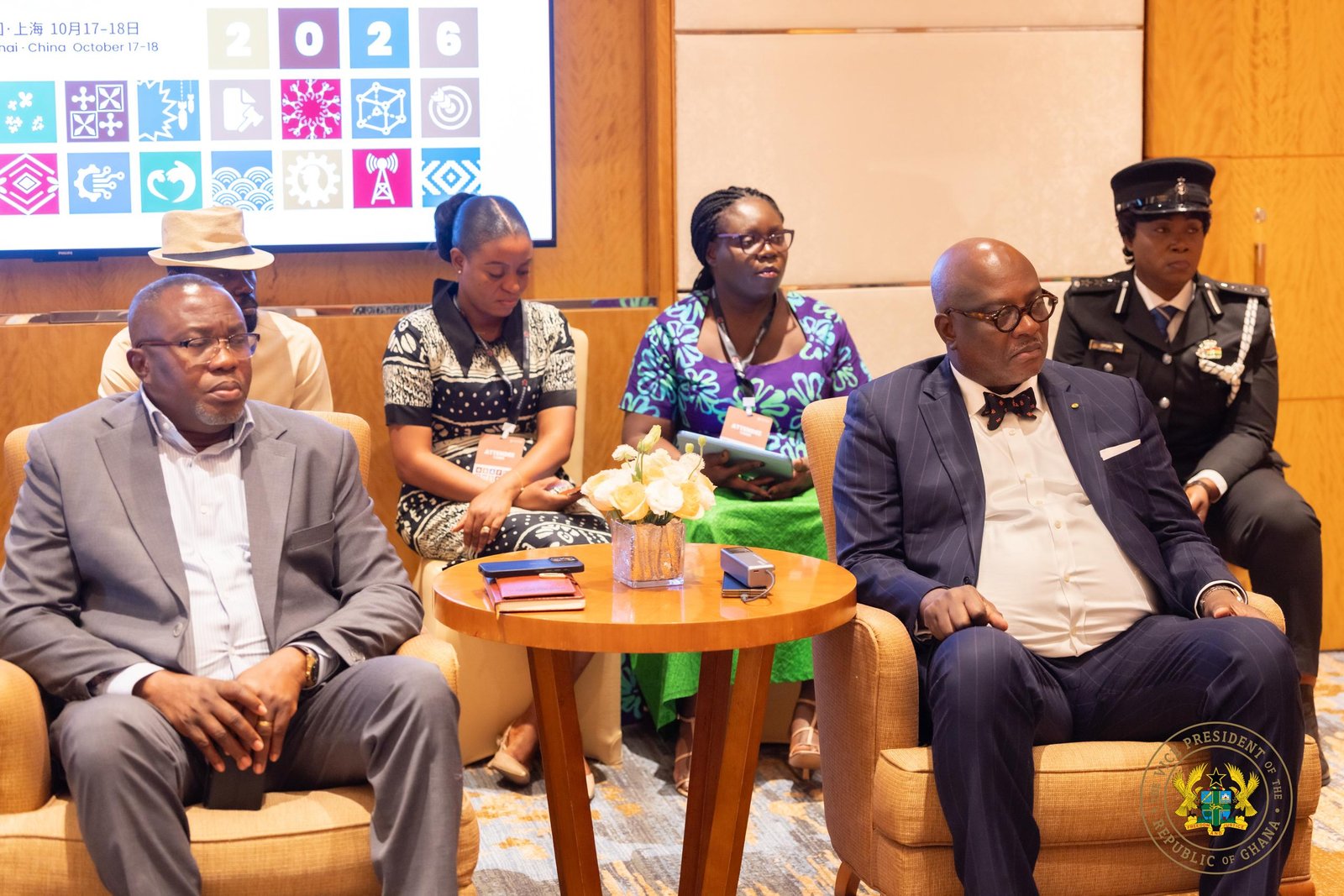
According to officials, the engagement is part of a broader effort by the Ghanaian government to study tested development models that can be adapted to the local context to promote inclusive growth, empower local communities, and improve livelihoods across the country.
China’s success in lifting over 800 million people out of poverty through targeted rural policies, investment in agriculture and local infrastructure has become a global reference point for developing nations.
The Vice President’s team says insights from the Forum will help inform policy direction, particularly in strengthening decentralised governance, boosting the fisheries and aquaculture sector, and investing in community-level infrastructure and youth sports development.
Professor Opoku-Agyemang is expected to continue engagements with academic and development institutions while in China.
By Edem Mensah-Tsotorme