News
Protect journalists against COVID-19

The protection of journalists against the coronavirus disease (COVID-19) is paramount as their work involves frequent interviews with people at all levels while performing their duties.
In this era of COVID-19 the work of journalists has become more challenging and risky; therefore, their safety should not be compromised at all as they can easily contract the virus at the least negligence and later spread it because they leave their homes to report in this difficult circumstances and at the end of the day go back to their families.
Recent photographs captured by the Spectator’s photojournalists showed media persons breaching the COVID-19 protocol on social distancing as they huddled round an interviewee to take photos and record him as duty demands to feed their media houses with the news for public consumption.
In fact, the rate at which the coronavirus is spreading at the community level is so alarming. The current confirmed cases is 22,822 with 17,564 recoveries/discharge and 129 deaths. It should serve as a warning sign for journalists to take their destiny into their own hands and be responsible for their own safety.
In an interview, some of the journalists who spoke to our photojournalist on condition of anonymity, for fear of reprisal from their employers, complained that, “We are going into the field, returning to the office, working and contacting the public in the same way, without Personal Protective Equipment (PPE) from our employers.”
Another journalist revealed, “I am mentally and conditionally prepared that I am going to get the virus, and I do not feel like I can save myself from this.” According to him, “job security is also another issue affecting the mental health of journalists, many of whom have lost their jobs during the pandemic.”
It is obvious that for fear of losing their jobs these journalists had to sacrifice in such dangerous circumstance to seek information for their media houses at the expense of their health. Reports say that some journalists have already tested positive with the virus and many more are extremely vulnerable because of their daily news coverage.
It behoves on authorities of media houses to provide PPE and the necessary equipment for their media team, especially the camera crew to help them zoom from afar as they must stay safe and healthy to report on issues. Also, journalists with serious health conditions which make them vulnerable must be allowed to work from home.
Meanwhile, journalists must strictly adhere to the COVID-19 safety protocols and wear nose or face masks regularly, wash their hands regularly with soap under running water, use alcohol-based sanitisers to clean their microphones, cameras, recorders and all other equipment and also ensure that they abide by all other protocols for their own safety as COVID-19 is no respecter of persons.
Per UNICEF’s safety guidelines for journalists reporting on COVID-19, “if a government spokesperson, senior official or minister is giving a statement, agree among yourselves to record them from at least six feet away and try to stand without huddling.”
The guidelines further says that, “Better still, convince dignitaries to conduct digital press conferences with questions from journalists taken up live as there are plenty of technological platforms available to make this happen”
The Ghana Journalists Association (GJA) must also ensure that all journalists adhere to the GJA’s guidelines for journalists on COVID-19 precautionary measures when reporting, to ensure that they are protected against the virus as they are daily exposed to all kinds of dangers.
Also, a photojournalist disclosed that despite their “wish to adhere to the precautionary measures, the reality on the field while covering events is different” so the GJA must act promptly to check these realities on the ground and address those issues.
“We always need to get close enough to get good visuals and photographs of both health workers and patients to tell our stories,” the photojournalist added.
The Spectator would like to appreciate the efforts of some individuals and organisations that have so far donated PPE to some media houses to support journalists. We further appeal to other benevolent organisations to donate more PPE to enhance the work of journalists.
Companies that are in the position of donating modern equipment to media houses should not hesitate to do so or sell them at reduced costs in this era of COVID-19 to help the media houses to perform their duties effectively.
The government must also give a special package to journalists who risk their lives to cover assignments on COVID-19 as a form of motivation.


![Mrs Georgina Quaittoo [third from right] pose with some members of the Association Photos Okai Elizabeth.](https://spectator.com.gh/wp-content/uploads/2026/03/Mrs-Georgina-Quaittoo-third-from-right-pose-with-some-members-of-the-Association-Photos-Okai-Elizabeth.jpg)
THE Times Ladies Association, a group consisting of female staff of the New Times Corporation (NTC), on Monday commemorated this year’s International Women’s Day with a call on women to empower themselves through education, unity and healthy living to contribute meaningfully to national development.
The event, held at the NTC’s boardroom, was attended by management members and staff of the corporation and was to celebrate the achievements of women and reflect on their role in society.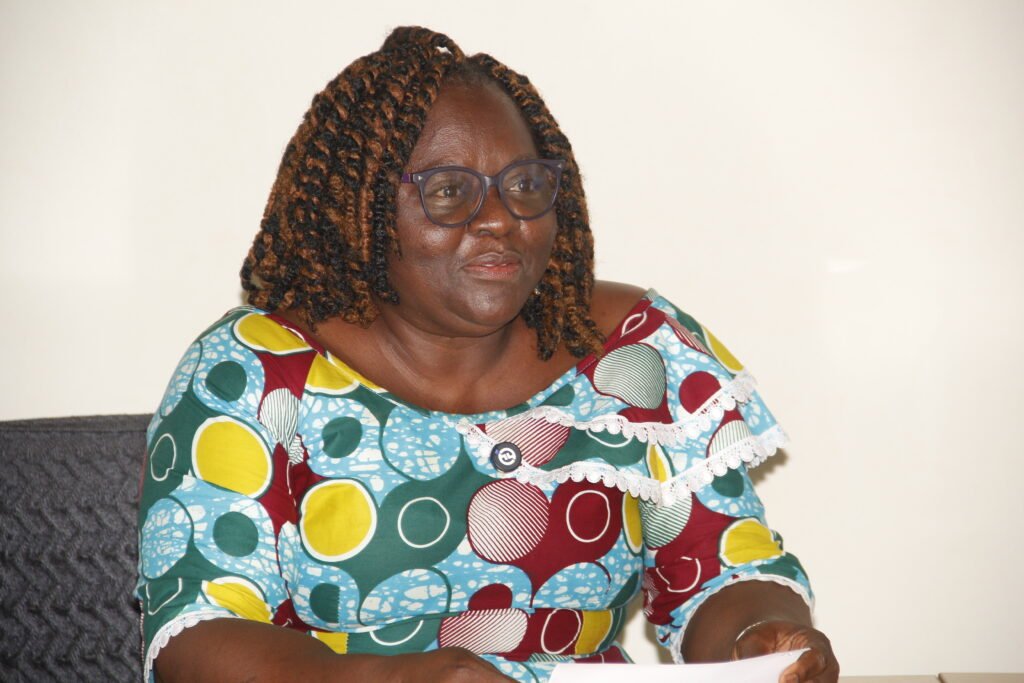
In her address, the President of the association, Mrs Georgina N.M Quaittoo, said the global celebration, marked annually on March 8, recognised the economic, political and social achievements of women while raising awareness about gender equality.
Although the international celebration fell on Sunday, she explained that the association decided to mark the occasion on March 9 to enable members to participate fully and commemorate the day in their own way.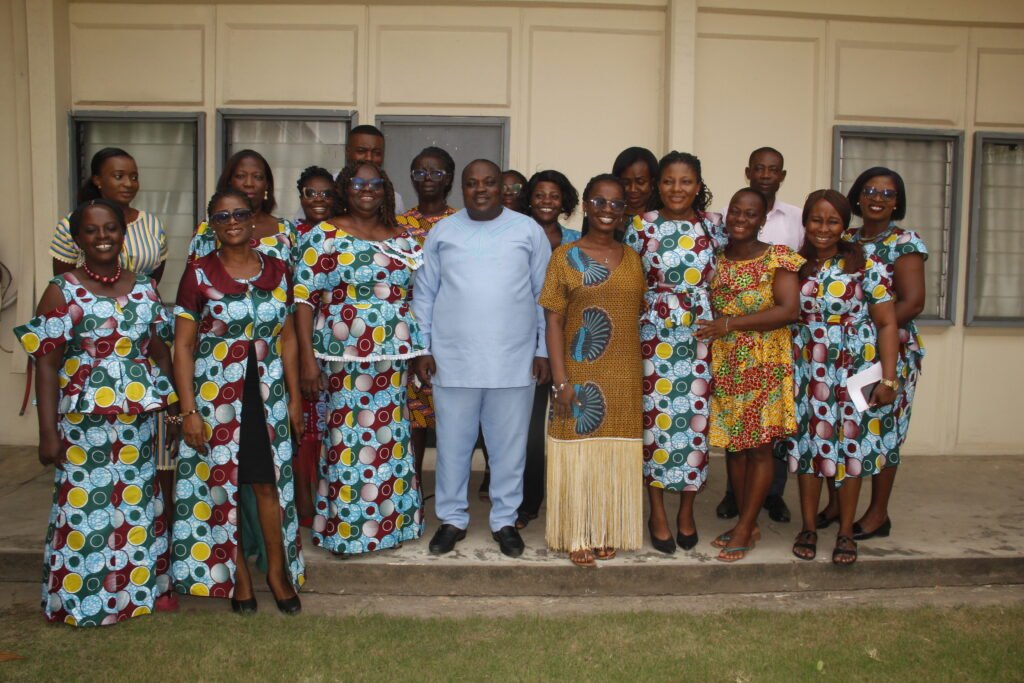
Speaking on this year’s theme: ‘Rights. Justice. Action. For All Women and Girls,’ and the global campaign theme: ‘Give to Gain,’ she the association had over the years worked tirelessly to support the growth and progress of the corporation despite the challenges they faced.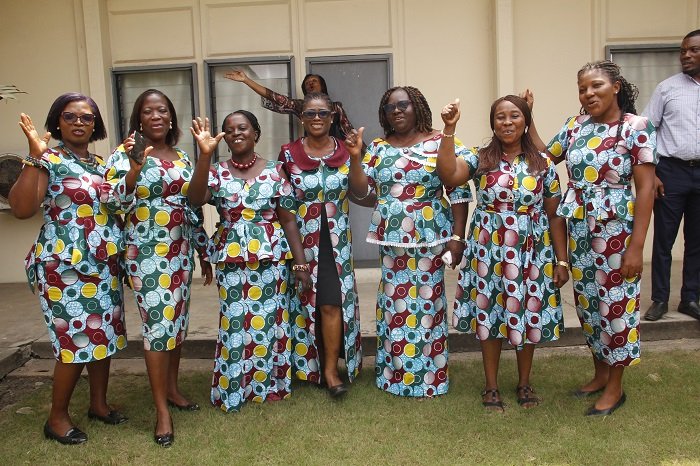
Urged members to commit themselves to deeper service to humanity and the advancement of women. She said women were unique, resilient and invaluable to society, stating that they deserved respect, appreciation, kindness and love for the vital roles they played in families, workplaces and communities.
According to her, members of the President, who is also the Editor of The Spectator newspaper, encouraged members to empower themselves academically and take advantage of opportunities to improve their lives and careers.
She also urged them to maintain healthy lifestyles by going for regular medical check-ups, exercise regularly, get enough rest and support one another.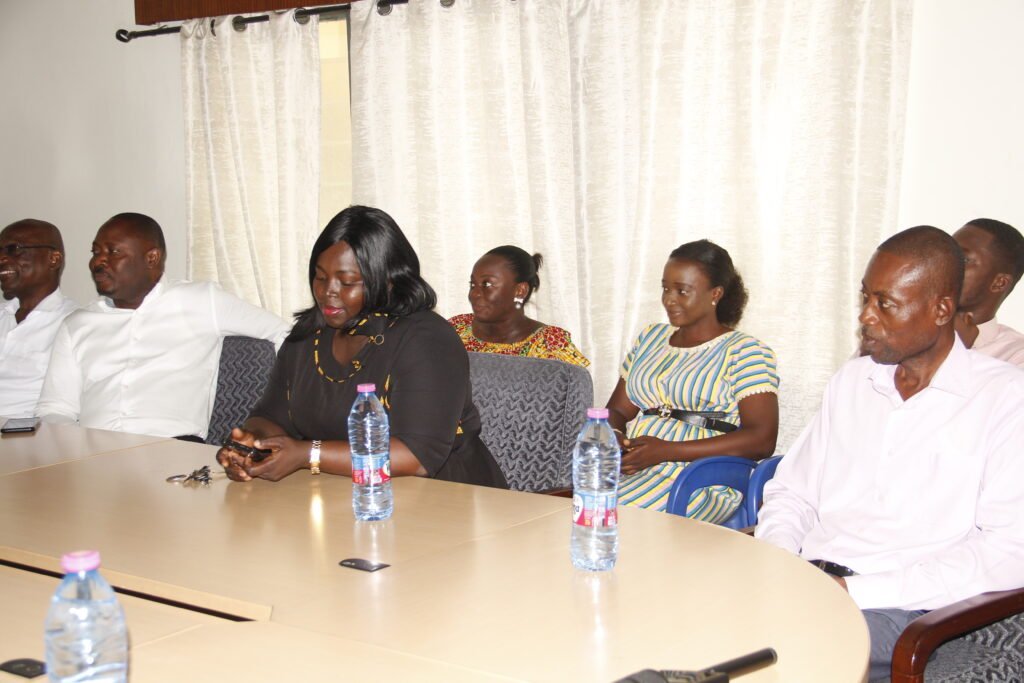
Moreover, she advised members to accept leadership positions when given the opportunity and to exhibit qualities such as hard work, confidence, patience, compassion and responsibility in both their homes and workplaces.
Contributing, the Chanel Marketing and Circulation Manager, Mr Alfred Koomson, said women played critical roles in society and deserved to be supported and appreciated.
He urged men to recognise that they were often vulnerable species without the care, support and contributions of women in their lives.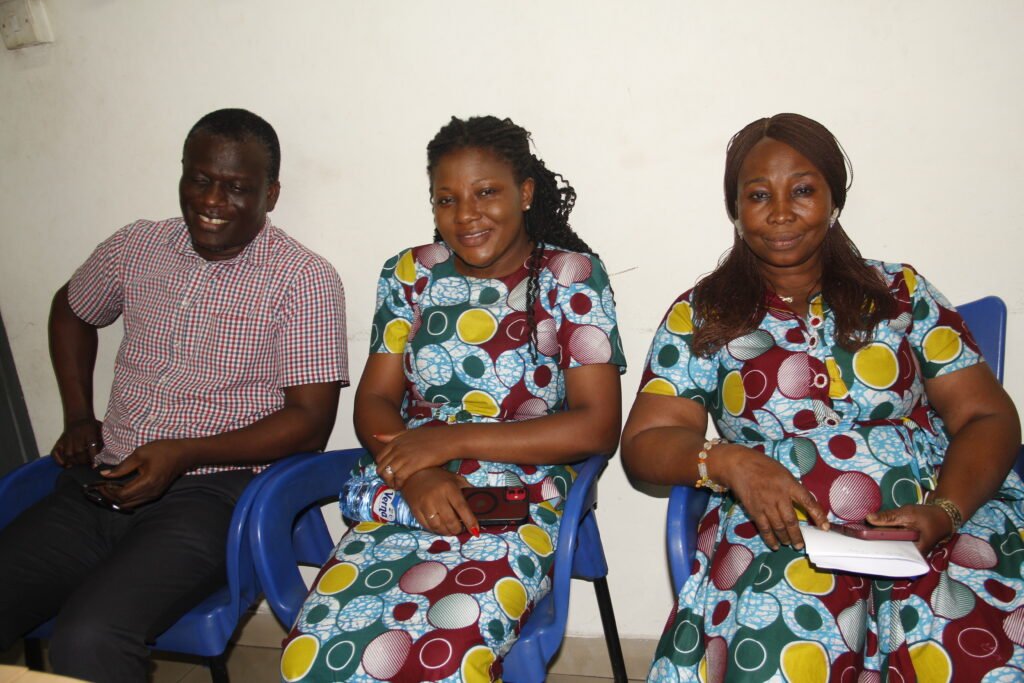
He, therefore, commended women for the invaluable roles they play as mothers, caregivers, professionals and leaders, stressing that society would be incomplete without them.
By Esinam Jemima Kuatsinu
Join our WhatsApp Channel now!
https://whatsapp.com/channel/0029VbBElzjInlqHhl1aTU27

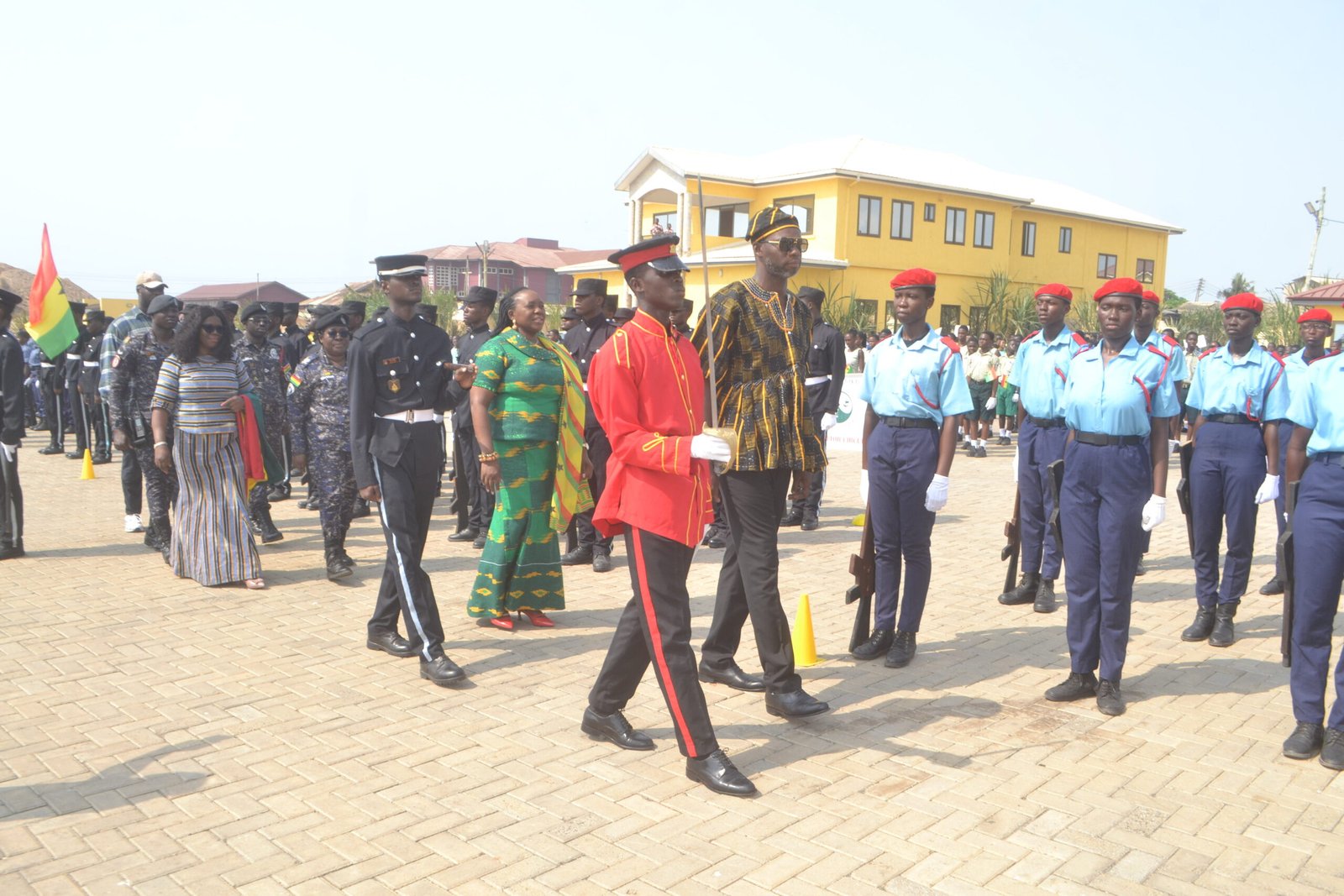
GHANA celebrated her 69th Independence Anniversary last Friday with colourful parades across all 16 regions of the country.
This year’s theme: ‘Reflect, Review, Reset,’ emphasised the importance of reflecting on the nation’s journey, assessing its current state, and planning for a brighter future.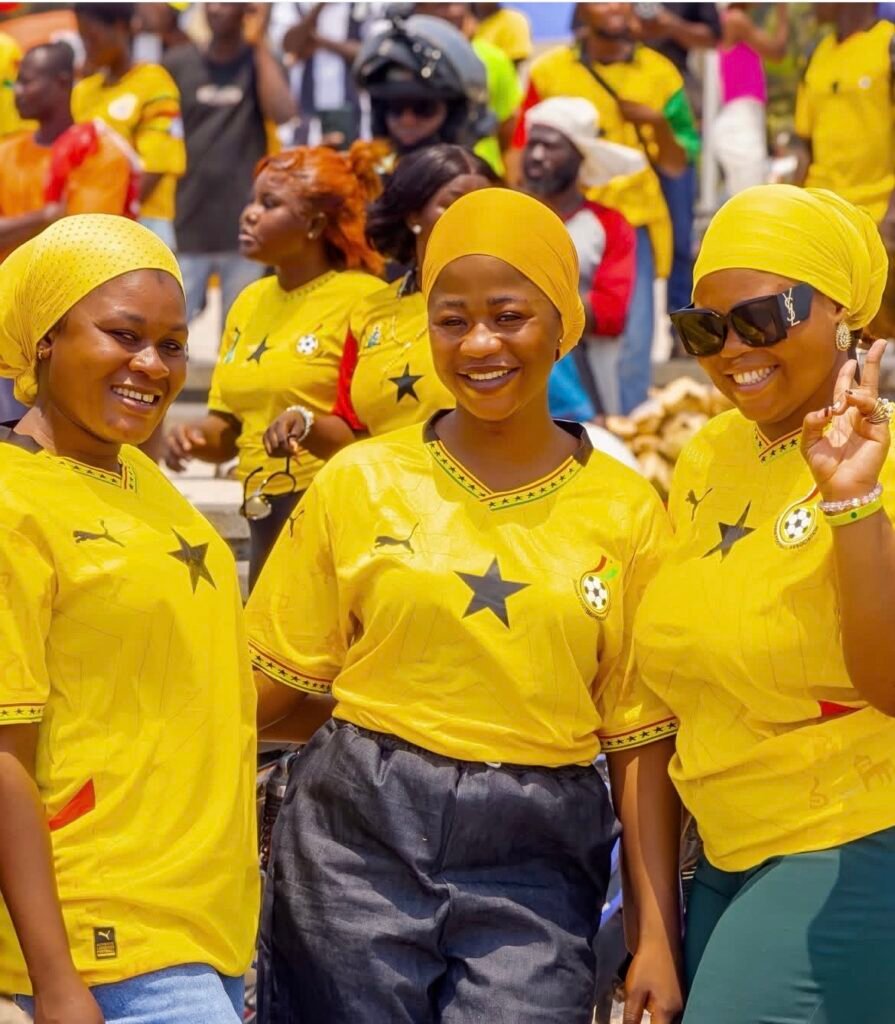
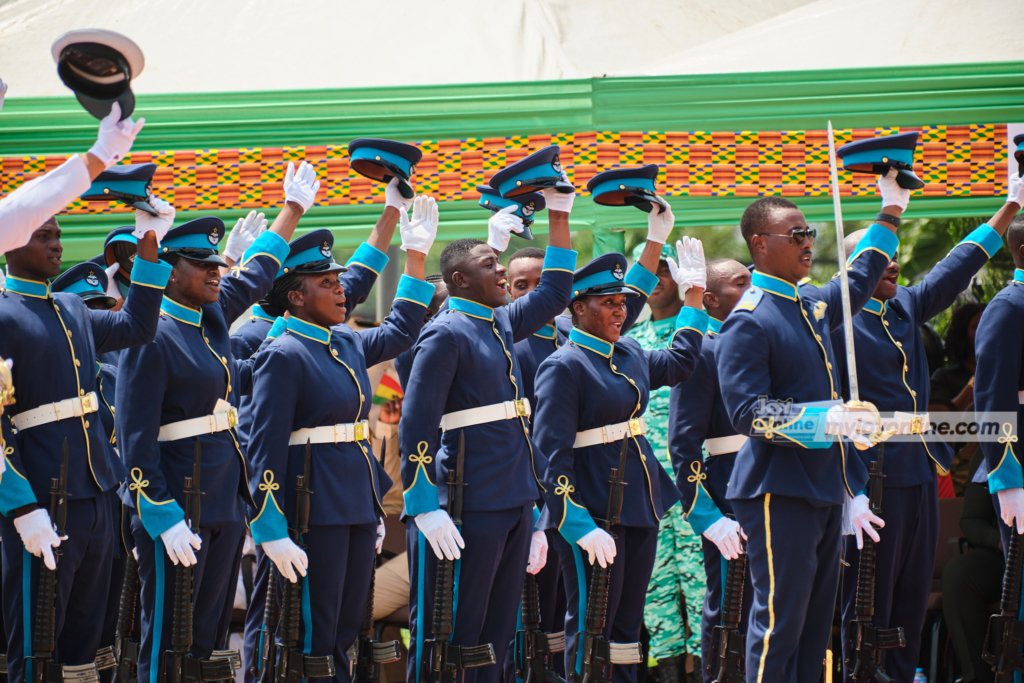
At the Jubilee House, dignitaries present were President John Mahama, Vice President Prof. Naana Jane Opoku-Agyemang, former Presidents, Akufo-Addo and John Agyekum Kufuor, behalf of the President, former President of Tanzania, and other distinguished guests.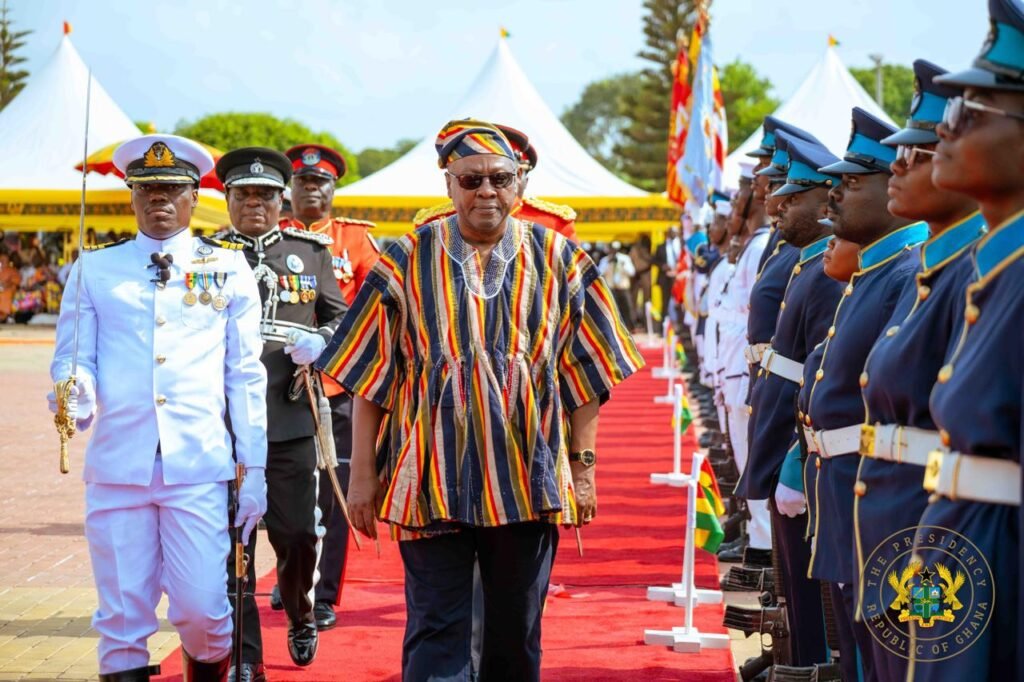
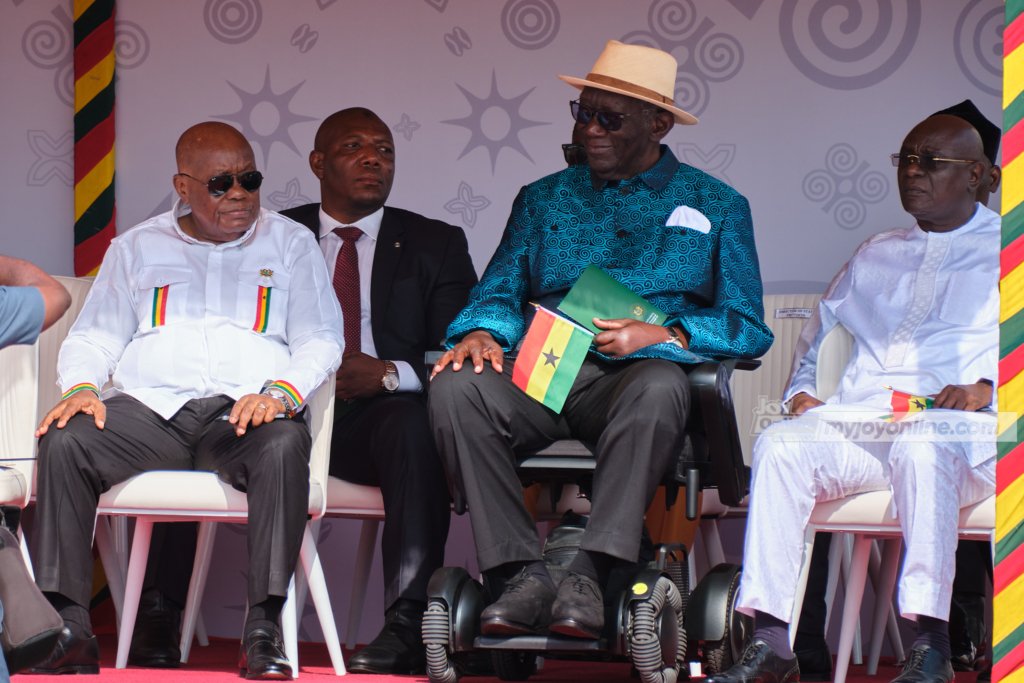
The President, John Dramani Mahama, addressed the nation at the seat of government whiles Metropolitan, Municipal and District Chief Executives addressed their various assemblies on.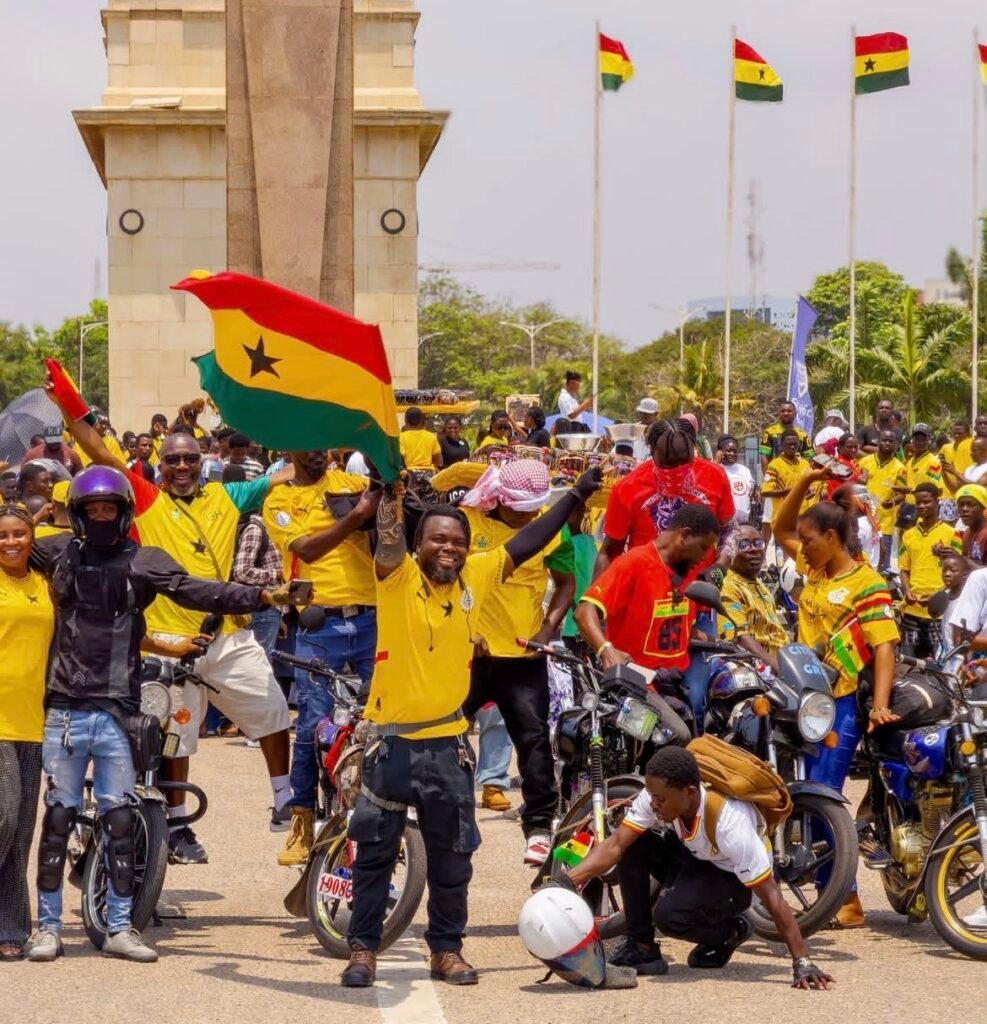
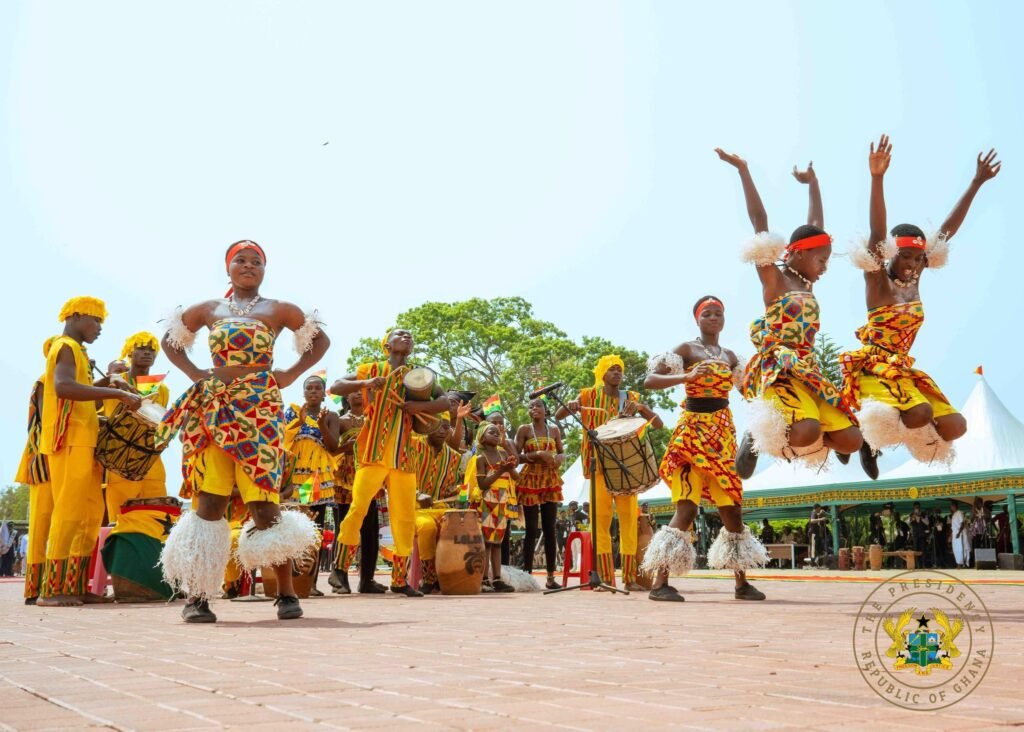
As part of the celebrations, school children paraded and displayed their marching skills whiles others performed cultural and other social activities to mark the day across the regions.