News
Plight of deaf women in Ghana

- /home/u249204778/domains/spectator.com.gh/public_html/wp-content/plugins/mvp-social-buttons/mvp-social-buttons.php on line 27
https://spectator.com.gh/wp-content/uploads/2023/09/Ms-Yahrleft-and-Mrs-Adjei-right.jpg&description=Plight of deaf women in Ghana', 'pinterestShare', 'width=750,height=350'); return false;" title="Pin This Post">
- Share
- Tweet /home/u249204778/domains/spectator.com.gh/public_html/wp-content/plugins/mvp-social-buttons/mvp-social-buttons.php on line 72
https://spectator.com.gh/wp-content/uploads/2023/09/Ms-Yahrleft-and-Mrs-Adjei-right.jpg&description=Plight of deaf women in Ghana', 'pinterestShare', 'width=750,height=350'); return false;" title="Pin This Post">
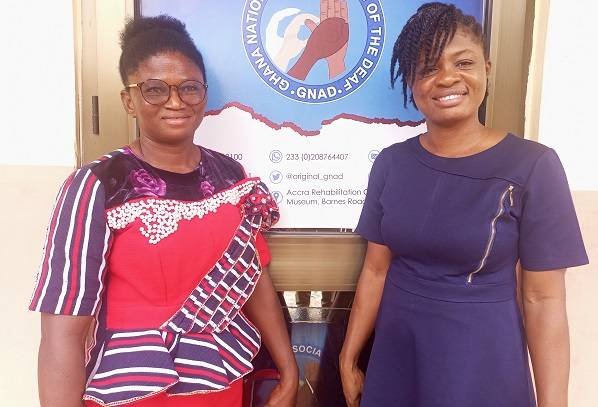
Ms Yaghr(left) and Mrs Adjei (right)
Women in Ghana go through multiple challenges ranging from emotional, psychological and economic trials.
They are often at the bottom of the social order with poor access to health, education, credit and access to land.
The situation is even more worrying if they have any form of disability.
In the case of the deaf women, they suffer discrimination and stigmatisation in areas such as health, education and commerce due to their inability to communicate effectively.
Deaf women are sometimes misdiagnosed at the hospitals, cheated at the market places while others are denied education, an act which defeats the Sustainable Development Goals five and 10 which talks about gender equality and reduced inequalities.
Population
In Ghana, according to the 2021 Population and Housing Census (PHC), about 470,737 people have some degree of hearing loss. Out of the number, 385,794 have some difficulties, 65,495 have a lot of difficulties while 19,448 cannot hear at all.
Two deaf women, Ms Christiana Yaghr and Mrs Mabel Mintaah Adjei, shared their experiences with The Spectator newspaper last Thursday, bringing to the fore the challenges they face in the health, education and other sectors of the country.
According to them the basic and common challenge to the deaf community is communication which they described as the pivot that all other problems revolved.
Mrs Adjei’s biggest concern is the treatment often meted to them at health facilities.
She explained that deaf women were sometimes delayed at the hospital because health practitioners do not understand them and vice versa.
“We are unduly delayed at the hospitals to the extent that when those who can hear come to meet us at the hospital, they are attended to, leaving us sometimes to our fate,” she said.
Mrs Adjei said deaf women are denied information on breast cancer, menstruation, mental, sexual and reproductive health as well as other ailments associated with women.
“Due to the inability to communicate, some deaf mothers do not know how to breastfeed their babies after giving birth or even know the right food to give the babies after weaning them; this is a big challenge,” she said.
Mrs Adjei said some hearing people refuse to transact business with the deaf, adding that “we can do everything hearing people do, we can engage in marketing, advertisement and other businesses.”
According to Ms Yaghr who is currently studying Special Education at the University of Education, Winneba, her friend who was deaf, had to be operated on thrice during childbirth because she could not get the information being passed on to pregnant women at the antenatal sessions.
She said as a result, most deaf women do not visit the hospitals when they are either sick or pregnant.
Plight
Shedding more light on their plight, Ms Yaghr said, deaf women most often prefer to buy at the shopping malls and stores instead of the open markets because they feel safe and comfortable there.
She said at the shopping malls, they use a lot of gestures to express what they want to buy but at the open markets the market women sometimes try to cheat them which occasionally ends up in misunderstandings.
“We sometimes try to read the lips of the market women and ask the price of the items from different people before settling on whom to buy from,” she added.
She noted that it was unfortunate some market women think they cannot calculate the things they buy, for which reason they attempt to inflate the prices.
This, according to her, makes it uncomfortable for them to buy at the market, hence the decision to buy from shopping malls and other outlets.
With regard to education, they both agreed that the fees were not expensive but what affects them was hiring a sign language interpreter.
Mrs Adjei who is studying Basic Education, Distance Learning option at the University of Education, Winneba says “I pay my sign language interpreter GH¢700 a month, so you can imagine the money I would have paid my interpreter after my education,” she added.
Both women called on the Ghana National Association of the Deaf (GNAD) to lead the charge to fight stigmatisation and discrimination against the deaf women, stating that “our leaders must take our issues to the authorities.”
Advocacy
They said, once the advocacy on the adoption of Ghanaian Sign Language (GSL) is intensified and gains recognition by government as the official language for the deaf and legally backed and approved as one of the national languages, it would mitigate some of the challenges encountered by them, especially the women.
“We have to start teaching sign language in schools to make it easier for the hearing population to know the right terminologies for the deaf and be able to communicate with them,” Ms Yaghr said.
“It is my hope that once the GSL is recognised and approved, Ghanaian sign language will be inculcated into the school’s curriculum and taught in schools.
“This will allow more hearing people to learn and appreciate sign language as well as study about deafness and promote socialisation and bridge the gap between the deaf and hearing community in the country,” she said.
Ms Yaghr said there was no difference between those who can hear and deaf women, and called on government to see to the healthcare and welfare needs of deaf women in the country.
She admitted that GNAD had organised some training on women’s health but was not enough as they were not able to reach out to hearing-impaired women in other parts of the country.
Mrs Adjei urged her colleague women to further their education as most of them had refused to continue after Junior High School (JHS), saying an educated woman was an empowered woman.
She again urged them to be confident, believe in themselves, have a positive mindset and use their talents judiciously.
By Jemima Esinam Kuatsinu



The Nae Wulomo, Nuumo Akwaa Mensah III, has described this year’s Homowo festival of the Ga Mashie people as one of the most peaceful and well-observed celebrations in recent years.
According to him, the festival was conducted without the tensions and disagreements that had characterised previous celebrations, particularly among chiefs, priests and other traditional groups.
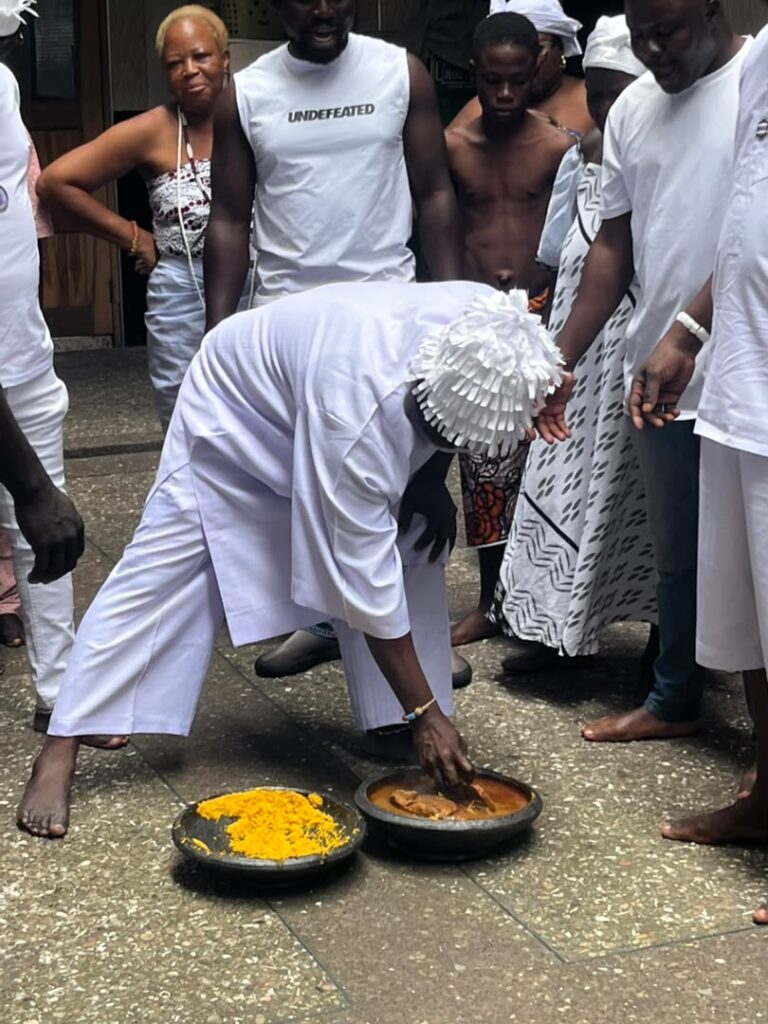
“This year’s Homowo has been one of the peaceful Homowo celebrations I have had so far. It has also been one of the well-observed Homowo celebrations,” the Nae Wulomo told The Spectator.
He said the various traditional rites associated with Homowo had been duly observed, including the lifting of the ban on drumming and noise-making and other ceremonies leading up to the main celebration.
This year’s celebration also marked 200 years since the Katamanso War, with renewed emphasis on preserving and protecting Ga culture and history, particularly among the youth.
Nae Wulomo said the focus on the youth was necessary because of the increasing influence of foreign cultures and lifestyles on the younger generation.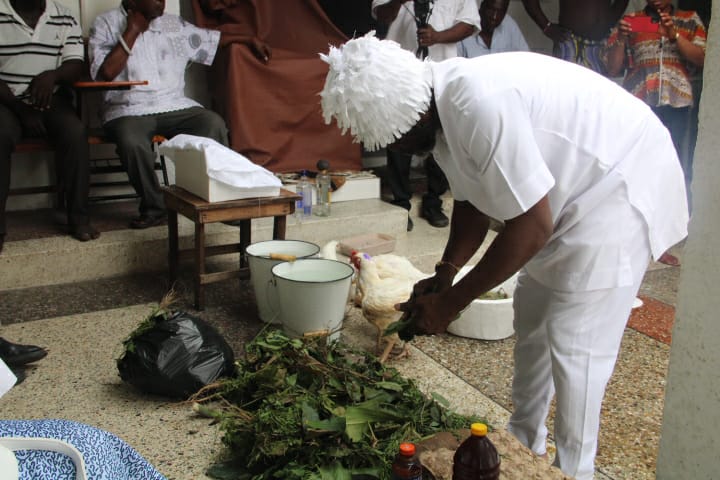

He said traditional authorities had therefore adopted approaches that combined cultural activities with social events to attract more young people to the celebration.
According to him, activities such as Womba and other social events had helped to generate interest among the youth while exposing them to important aspects of Ga culture and tradition.
He noted that some of the youth-led processions and cultural displays provided an opportunity for young people to learn about traditional practices and understand their significance.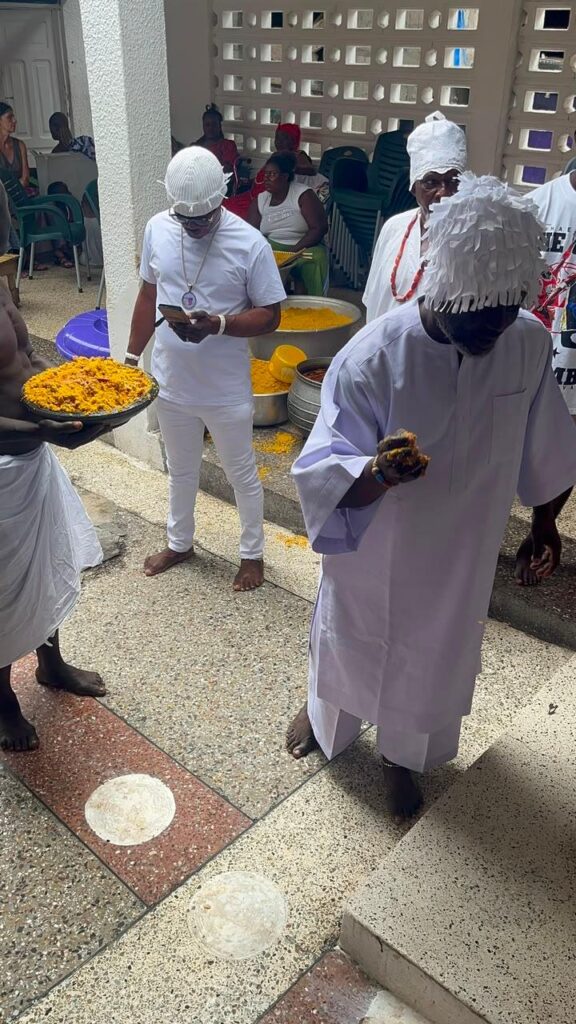
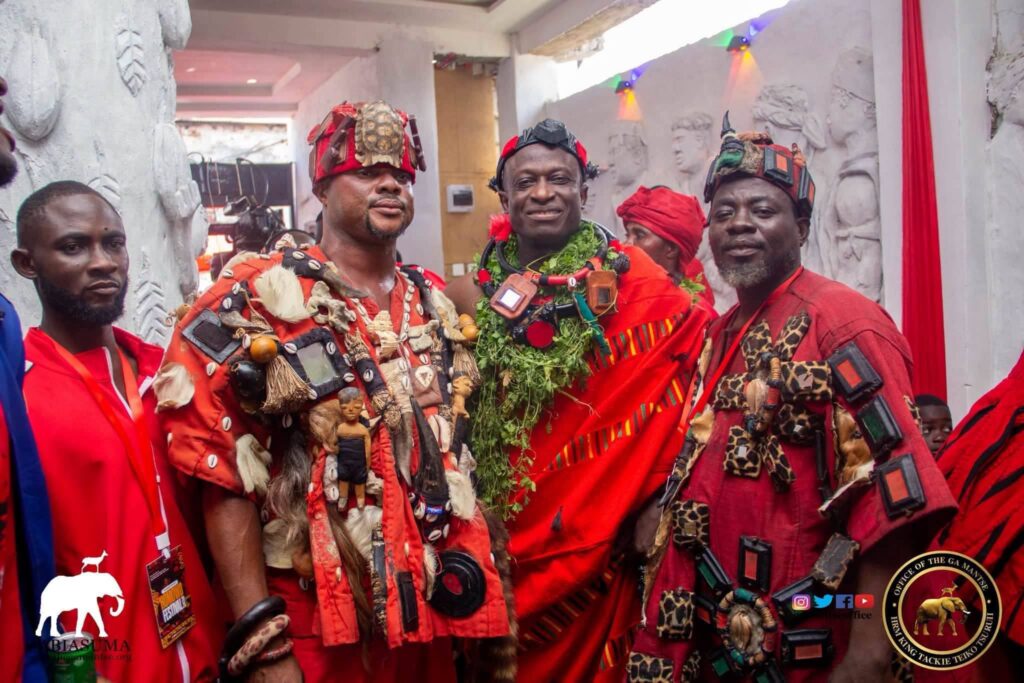
Nae Wulomo also used the occasion to caution the youth against drug abuse, describing substance abuse as a serious threat to the future of young people.
By Esinam Jemima Kuatsinu
Many people have heard or even repeated the popular claim that because God gave mankind dominion over the earth, humans are free to consume anything they find in nature.
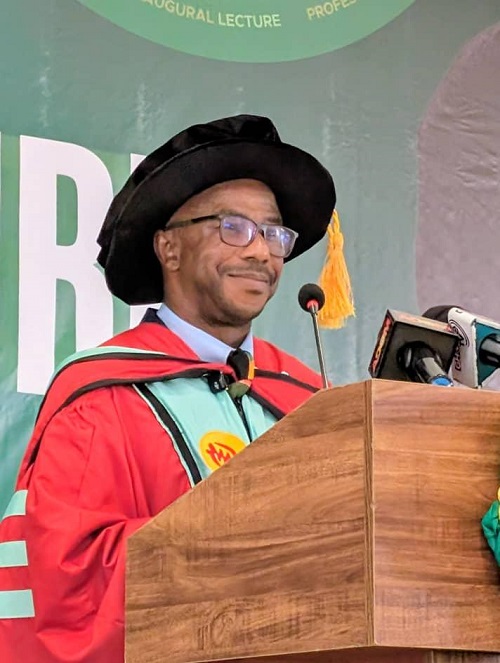
However, the Pro Vice-Chancellor of the University of Environment and Sustainable Development (UESD), Professor Edward Wiafe Debrah, says this widely held belief was a misconception that has contributed to the destruction of the environment and the depletion of natural resources.
Speaking on the relationship between religion, science and environmental conservation, Prof. Debrah explained to The Spectator in an exclusive interview that many Christians often cited Genesis 1:28, where God blessed humanity and instructed them to “be fruitful and multiply, fill the earth and subdue it; have dominion over the fish of the sea, the birds of the air and every living thing that moves on the earth.”
According to him, the verse had been wrongly interpreted to mean that people have unrestricted permission to consume every animal and natural resource on earth.
”The Bible did not ask mankind to destroy or exhaust creation. Dominion is about responsible leadership and stewardship, not exploitation,” he stressed.
He said God entrusted creation to humanity with the expectation that it would be managed wisely and preserved for future generations.
”Stewardship means nurturing what has been entrusted to you and being accountable to the Master one day. We must, therefore, use our natural resources wisely rather than consume everything without replacement,” he said.
Prof. Debrah pointed out that another misconception among some Christians was the belief that since the Bible spoke about the end of the world, there was little need to conserve the environment because no one knows when the earth would end.
He described this thinking as dangerous, explaining that no one knows when the end would come and, therefore, humanity had a responsibility to care for creation while it existed.
He also challenged the belief that animals cannot become extinct simply because human beings continue to exist despite people dying every day.
Drawing a distinction between human populations and wildlife, he explained that many animal species could disappear permanently if they were harvested without limits or conservation measures.
He cited indiscriminate hunting as an example, saying many hunters entered forests and killed whatever animals they found without considering whether the populations were sufficient to sustain future generations.
”If we continue consuming resources without strategic plans for replacement and conservation, we will eventually lose them,” he cautioned.
Prof. Debrah urged society to combine scientific knowledge with religious and cultural beliefs instead of relying solely on religious interpretations to address environmental challenges.
”We have to read and understand the Bible well while applying science to our culture and religion. Religious beliefs alone cannot solve all our environmental problems,” he stated.
He emphasised that biodiversity remained essential to human survival, noting that healthy ecosystems improve food quality, reduce diseases and help clean the air through trees that absorb carbon dioxide and other harmful gases.
Touching on agriculture, Prof. Debrah encouraged farmers to adopt sustainable farming practices that protect beneficial insects, especially bees, which naturally pollinate crops.
He mentioned that attempts at artificial pollination have proved costly, making natural pollination by insects a more practical and sustainable option.
”The irony is that we spray insecticides to kill every insect on our farms, including those that are beneficial. If we reduce indiscriminate use of insecticides, nature will regulate itself through the food chain, ensuring healthy ecosystems and improved crop production,” he said.
Prof. Debrah, therefore, appealed to the public to recognise that caring for nature was not contrary to faith but rather an important responsibility entrusted to humanity.
”The earth and its resources are gifts from God. Our responsibility is not to exhaust them but to protect and manage them wisely for ourselves and generations yet unborn,” he added.
By Ama Tekyiwaa Ampadu Agyeman, Koforidua

 Entertainment1 week ago
Miss Ghana 2026 winners presented to Tourism Minister
- News1 week ago
Eight Injured after Toyota Hiace somersaults on Tema–Akosombo highway
- Features1 week ago
Environmental stewardship is an act of worship: The Islamic response to climate change, environmental degradation (Part 3)