News
Persons with albinism call for specialised healthcare


- /home/u249204778/domains/spectator.com.gh/public_html/wp-content/plugins/mvp-social-buttons/mvp-social-buttons.php on line 27
https://spectator.com.gh/wp-content/uploads/2026/01/Some-members-of-the-albino-community-in-Ghana.jpg&description=Persons with albinism call for specialised healthcare', 'pinterestShare', 'width=750,height=350'); return false;" title="Pin This Post">
- Share
- Tweet /home/u249204778/domains/spectator.com.gh/public_html/wp-content/plugins/mvp-social-buttons/mvp-social-buttons.php on line 72
https://spectator.com.gh/wp-content/uploads/2026/01/Some-members-of-the-albino-community-in-Ghana.jpg&description=Persons with albinism call for specialised healthcare', 'pinterestShare', 'width=750,height=350'); return false;" title="Pin This Post">
Mr Gomez Agbodo, the Secretary to the Persons with Albinism in the Ketu South Municipality of the Volta Region, has appealed for an urgent establishment of a dedicated healthcare support systems for this vulnerable group across the country.
He said persons with albinism in Ketu South and other parts of the country continued to face serious challenges in accessing specialised and quality healthcare, particularly skin and eye care, exposing them to life-threatening conditions such as skin cancer and visual impairment.
Mr Agbodo made the appeal during a New Year interaction, organised by Madam Abla Dzifa Gomashie, the Member of Parliament (MP) for Ketu South, which brought together Persons with Disabilities and other vulnerable groups in the Municipality.
He noted that due to the unique genetic condition of persons with albinism, they required consistent medical attention, early diagnosis and specialised treatment, which were often unavailable or poorly handled in many public healthcare facilities.
“The struggle to access proper healthcare as a person with albinism is overwhelming. Many health facilities lack trained personnel who understand our condition, and this affects the quality of care we receive,” he explained.
Mr Agbodo recounted a personal experience where he sought medical care at a local health facility in the municipality but was discouraged by the level of professionalism and understanding exhibited by health workers.
“I once visited a hospital here, but the care was not encouraging. Eventually, I had to travel to a specialised clinic in Togo to receive proper treatment,” he narrated.
He explained that persons with albinism were highly vulnerable to the effects of direct sunlight, insect bites and untreated skin conditions, which could easily develop into skin cancer if not managed early.
“Our skin lacks melanin, so when we are exposed to harsh sunlight or suffer minor skin injuries like mosquito bites without early treatment, it can lead to severe complications, including skin cancer,” he explained.
Furthermore, Mr Agbodo noted that although early medical intervention could prevent most of these conditions, the lack of specialised services, dermatologists, sunscreen support and sensitised healthcare workers, remained a major barrier.
He appealed to Madam Gomashie to raise the concerns of persons with albinism at the national level and advocate for policies that would prioritise their health needs, including the establishment of specialised clinics and training of health professionals.
He expressed hope that with strong advocacy and government commitment, persons with albinism would receive the dignity, protection and healthcare they deserved.
The New Year gathering provided a platform for various vulnerable groups to interact with the MP and share concerns affecting their welfare, inclusion and development. –GNA
Join our WhatsApp Channel now!
https://whatsapp.com/channel/0029VbBElzjInlqHhl1aTU27


A nine-member board for the New Times Corporation (NTC), publishers of The Ghanaian Times and The Spectator newspapers was sworn into office on Thursday with a call to strengthen the governance of the Corporation.![Dr. Binka (seated second from right) with Dr Okpoti [right] the board and Management of NTC photos Okai Elizabeth.](https://spectator.com.gh/wp-content/uploads/2026/08/Dr.-Binka-seated-second-from-right-with-Dr-Okpoti-right-the-board-and-Management-of-NTC-photos-Okai-Elizabeth-1024x683.jpg)
The new NTC board is chaired by Dr Charity Binka and has Very Rev. Helena Amma Serwah Opoku-Sarkodie, Mr Tito Kojo Voegborlo Esq and Naana Aklerh Amenyah Kubi I as members. Read More
SKIP THE QUEUE, TAP THE NEWS
You can now read the Ghanaian Times and The Spectator newspapers from the comfort of your device via TimesNewsPlus.
Join our WhatsApp Channel: https://whatsapp.com/channel/0029VbBElzjInlqHhl1aTU27
Christians have been urged to demonstrate a living faith in Jesus Christ by allowing their confession of Him as Lord and Saviour to reflect in their daily lives.
According to the Kaneshie District Pastor of the Evangelical Presbyterian Church, Ghana (EPCG), Rev. Dzidzor Nathaniel Affram, a genuine Christian’s confession should go beyond words and be demonstrated through obedience to God, love for others and service to the Church.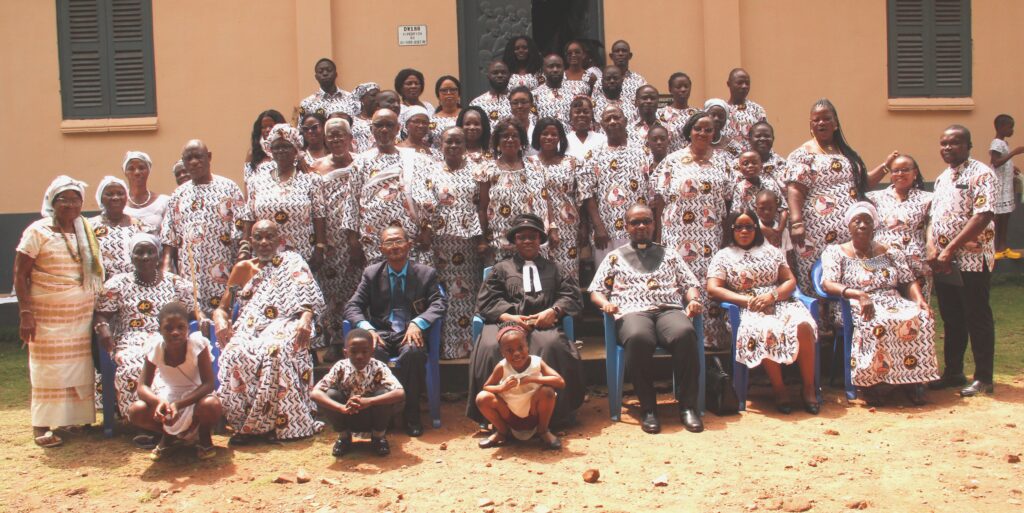
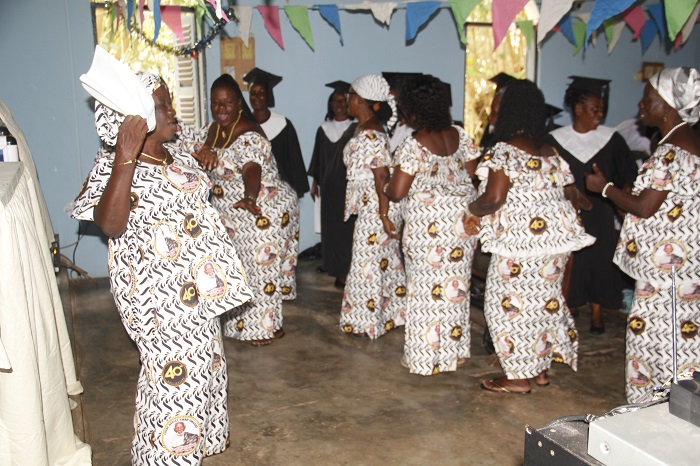
He made the call at the 40th anniversary remembrance service for the late Wesley Kwasi Kwadzo at the Evangelical Presbyterian Church, Ghana, Maranatha Congregation at Awudome Avenui in the Volta Region.
Speaking on the theme, “The Church Built on a Living Confession,” Rev. Affram said life would continually present challenges capable of testing Christians’ faith, making it necessary for believers to hold firmly to their confession that Jesus Christ is Lord.
He explained that accepting Jesus Christ as Lord and Saviour required Christians to live according to His teachings, stressing that their faith must be evident in their conduct.
“A living confession listens to God and not man,” he said, urging Christians to remain obedient to God even when faced with difficulties and pressures.
Rev. Affram further encouraged the congregation to care for vulnerable people and demonstrate concern for others, adding that such acts were practical expressions of Christian faith.
He also urged Christians to identify and use their God-given gifts to build the Church.
He said every member of the Church had a role to play and cautioned Christians against looking down on others because of their status or abilities.
The remembrance service brought together family members, friends, members of the congregation and sympathisers to commemorate the 40th anniversary of the late Wesley Kwasi Kwadzo.
By Lizzy Okai