
News
OSP freezes over GH₵100m in assets linked to Former NPA CEO

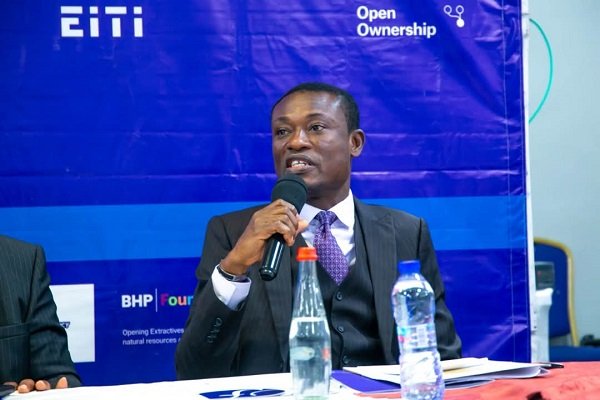
The Office of the Special Prosecutor (OSP) has frozen assets valued at more than GH₵100 million and US$100,000 in connection with the ongoing prosecution of former Chief Executive Officer of the National Petroleum Authority (NPA), Dr. Mustapha Abdul Hamid, and nine others.
According to a statement from the OSP, the seized properties include real estate holdings, fuel stations, and logistics vehicles believed to be connected to an alleged grand extortion and money laundering scheme.
The OSP explained that the move is in line with its powers under the Office of the Special Prosecutor Act, 2017 (Act 959), which allows the preservation of suspected proceeds of crime until a final decision is made by the court.
So far, the OSP has secured court confirmation for the seizure of several vehicles, including five HOWO SINOTRUK fuel tanker trucks and one HOWO SITRAK articulator head with fuel tanker semi-trailer.
Other assets yet to be confirmed by the court include a Mercedes Benz GLE 450, several parcels of land in Accra, Kumasi, and Tamale, and multiple filling stations under the name “Kings Energy” located at Lapaz, Dansoman, Opeikuma, and Millennium City.
Luxury apartments and developments in prime areas such as East Legon, Airport Residential, Roman Ridge, and Adenta have also been listed among the frozen properties.
These include units in The Signature Apartments, The Monarch, The Address, The Bantree, Beyond Residence, and The Atlas projects.
The OSP noted that efforts are still underway to identify and trace additional assets connected to the case as investigations continue.
The prosecution of Dr. Hamid and his associates follows what the OSP describes as a major anti-corruption drive to uncover illicit wealth acquired through abuse of public office.
More updates are expected as the case progresses in court.
By: Jacob Aggrey






News
Oxfam in Ghana donates medical equipment and essential drugs worth GH¢1.5 million to Kasoa Polyclinic
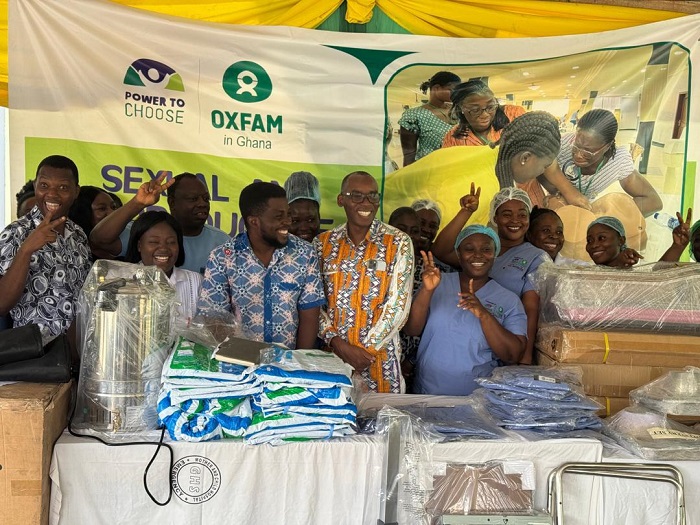
Oxfam in Ghana has donated medical equipment and essential drugs worth about GH¢1.5 million to the Kasoa Polyclinic to strengthen maternal and reproductive healthcare services in the municipality.
The presentation, which took place on Tuesday, June 24, 2026, at the premises of the clinic in Kasoa, formed part of the sustainability and legacy activities under the Power to Choose (P2C) Project.
The donated items included delivery beds, maternity beds, oxygen cylinders, neonatal resuscitation equipment, blood pressure monitors, newborn weighing scales, suction machines, delivery kits, essential medicines, medical theatre wear and other critical supplies to support quality healthcare delivery.
The Power to Choose Project is a seven-year initiative being implemented by Oxfam in Ghana in partnership with the Planned Parenthood Association of Ghana (PPAG), WiLDAF Ghana, SEND Ghana, Norsaac and PARDA, with funding from Global Affairs Canada through Oxfam Quebec.
The project seeks to improve sexual and reproductive health and rights for young people, particularly adolescent girls, young women and young men living in vulnerable and marginalised conditions.
Addressing nurses and management of the hospital, the Country Director for Oxfam in Ghana, Mohammed-Anwar Sadat Adam, said the project, which began in 2021 and will run until early 2028, is being implemented in seven countries across Africa, Latin America and the Middle East.
He said Ghana and the Democratic Republic of Congo are the two African countries benefiting from the project.
Mr. Adam noted that the project has already trained about 102 health workers in areas including youth-friendly services, emergency obstetric and neonatal care, family planning, gender-based violence response, respectful maternity care and inclusive healthcare delivery.
He said Oxfam and its partners conducted assessments at beneficiary facilities and identified equipment needs to help improve healthcare delivery.
According to him, the donation would create safe spaces where young women and girls could seek healthcare services without fear or stigma and would improve health outcomes in the community.
Mr. Adam thanked the Government of Canada, the Ghana Health Service, the Society of Obstetricians and Gynaecologists of Ghana (SOGOG), World Health Ghana and other partners for supporting the implementation of the project.
He urged the beneficiary facilities to ensure that the equipment is properly used and maintained to serve the community for many years.
A speech by the Municipal Health Director for Awutu Senya East, Dr. Stanley Kweku Yaidoo, which was read on his behalf by the Municipal Accountant, Rev. Dr. Askari Thomas, described the donation as timely and important.
He said quality healthcare delivery depends on manpower, financial resources and equipment, adding that healthcare workers cannot effectively deliver services without the necessary tools.
Dr. Yaidoo thanked Oxfam and its partners for selecting Kasoa as one of the beneficiary facilities and assured them that the equipment would be put to good use.
The Acting Medical Superintendent of Kasoa Polyclinic, Dr. Papa Kojo Arthur, expressed appreciation to Oxfam for its continuous support over the years through training and capacity building.
He said the equipment would greatly support the effective management of patients, particularly in maternal and child healthcare.
According to him, the donation would help reduce maternal and perinatal mortality in the municipality.
The donation formed part of efforts to strengthen the capacity of youth-friendly health facilities in eight implementing districts across five regions of Ghana to continue providing quality and accessible sexual and reproductive healthcare services beyond the lifespan of the project.
By: Jacob Aggrey
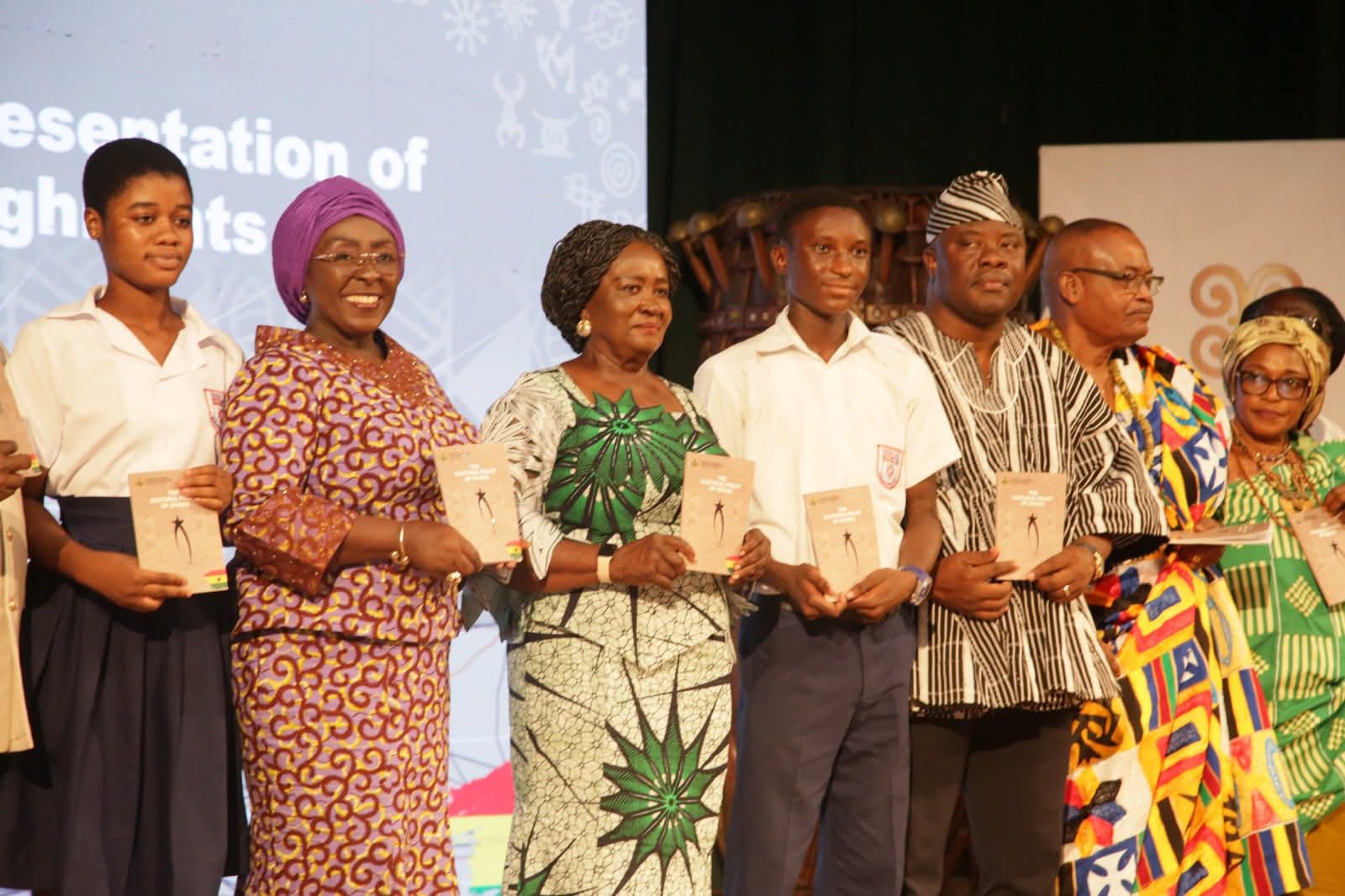
The Ministry of Tourism, Culture and Creative Arts (MoTCCA) has announced that an electronic copy of Ghana’s revised National Cultural Policy is now available online for free access by the public and stakeholders in the creative sector.
In a statement issued on June 22, the ministry said the revised policy was officially launched on June 9, 2026, at the National Theatre of Ghana in Accra.
According to the ministry, the decision to upload the document on its official website is aimed at ensuring widespread dissemination, increasing public awareness and promoting the effective implementation of the policy.
The ministry encouraged sector practitioners, stakeholders and members of the public to visit its website and read the document.
“The Ministry of Tourism, Culture and Creative Arts, in the spirit of the Black Star Experience, remains committed to a transparent, inclusive and collaborative approach to building the better Ghana we want,” the statement said.
It added that it looks forward to the active participation of stakeholders in implementing the policy for the benefit of the country.
The ministry urged the public to take advantage of the free access to the policy document and familiarise themselves with its contents.
By: Jacob Aggrey


