Hot!
Negative cultural practices, bane of PWDs – GFDOs President

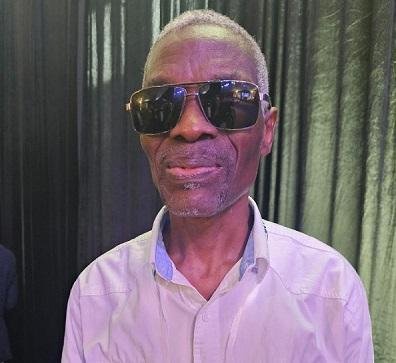
GFDOs president
The national president of the Ghana Federation of Disability Organisations (GFDOs), Mr Joseph Atsu Homadzi says life is becoming unbearable for People with Disabilities (PWDs) due to unhealthy cultural and traditional practices in some parts of society in this modern age and advancement.
According to him, “Some people even feel that we don’t deserve to live because of one disability or the other. As a result, mothers who have children with disability live in fear and discomfort.”
Mr Homadzi said this in a no-holds-barred interview with The Spectator about a day in the life of a PWD.
“Sometimes, it feels as though the fundamental human rights and freedoms of citizens guaranteed under the 1992 Constitution do not apply to PWDs because we are always discriminated against at all levels,” he lamented.
“Saddest of all, it may surprise you that some communities in this age still have some of these negative cultural practices against persons with albinism. Some people feel that such persons do not have the right to live because they are a taboo.”
According to Mr. Homadzi, he still receives complaints of discrimination against their members in the health and education sectors, the job market and other places.
“And I know it’s true because I suffer same. People treat us as if we are second-class citizens and do not want us to be close to them for any reason,” he disclosed.
“In some communities, it is believed that when you are going out in the morning for any activity and you meet a person or somebody with a visual impairment, it means a misfortune is about to befall you; for which reason you must return home” he said.
“People are still convinced that disability is a curse or punishment for a wrong a person has done and so we are treated with contempt. Some think associating with us could lead to a curse or punishment.”
Unfortunately, he disclosed that the GFDOs efforts to educate people to do away with such unfortunate practices have been in vain.
“We have disabilities but there is a lot we can do for this country if we are given the same opportunities as those who have no disabilities. It is sad to say that some people don’t understand why a PWD should be given a job or occupy a high position. We also have the capacity to contribute to the growth of our societies,” he said.
Mr Homadzi said it was important for society to also understand that apart from being born with a deformity, there were environmental accidents and a few medical conditions like glaucoma, measles, cataract that could make a person blind or deaf or both.
“We have told our stories in different ways but people have failed to accept us. We need everyone who has a louder voice to speak for us. We need the media to do a lot of advocacy and education on our behalf to change those perceptions,” he appealed.
He said the GFDOs would be happy to see religious institutions highlight their plights from their pulpits to turn the hearts of society in their favour.
From Dzifa Tetteh Tay, Tema


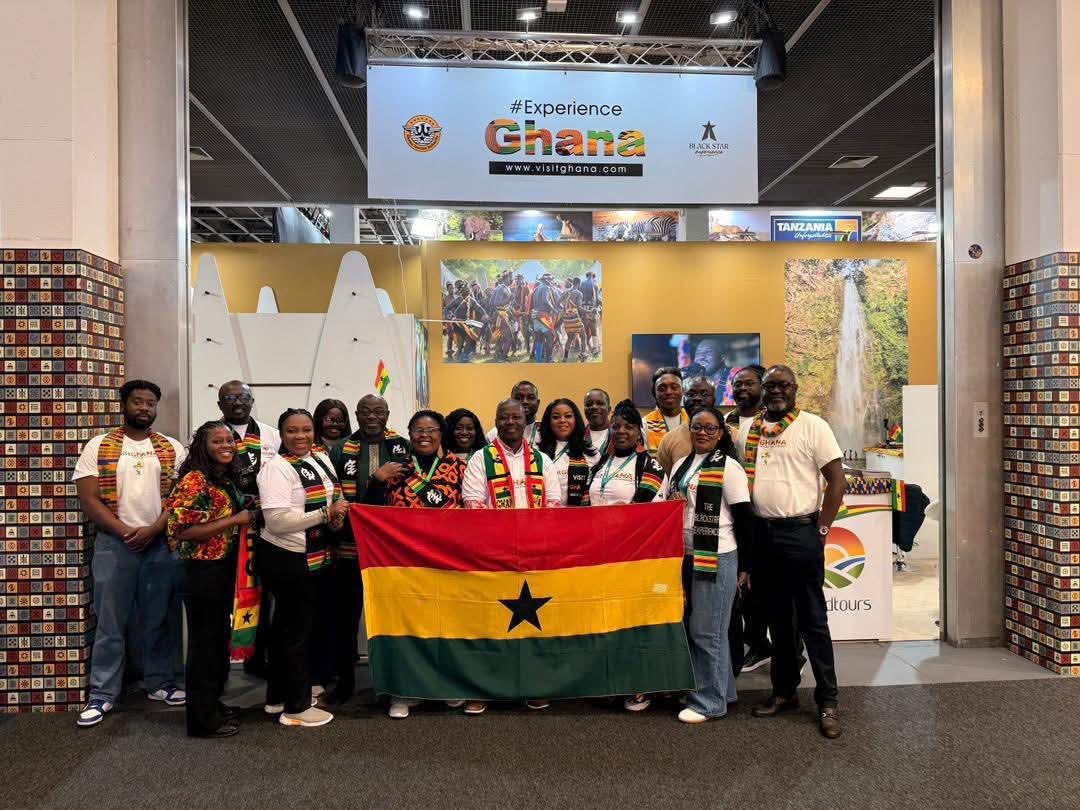
Ghana Tourism Authority is leading Ghana’s participation at ITB Berlin, which opened in Berlin with a vibrant national pavilion highlighting Ghana’s rich cultural heritage, tourism destinations and investment opportunities.
March 5 has been designated as Ghana Day, a special platform to promote Ghana’s languages, cuisine, Kente, festivals and business prospects to the global tourism community. The stand has already drawn strong interest with traditional arts and crafts displays, immersive multimedia presentations and popular Ghanaian snacks.
Seven private-sector players are exhibiting alongside government officials as part of efforts to deepen trade partnerships, expand market access, and attract investment across the hospitality, heritage tourism, ecotourism, and creative arts sectors.
Ahead of the official opening, the Ghana delegation also engaged young Ghanaian investors in Germany in collaboration with V Afrika-Verein and the Ghana Embassy, strengthening diaspora investment linkages and highlighting opportunities within the tourism value chain.
Ghana’s coordinated presence at ITB Berlin 2026 reinforces its strategy to position the country as the Gateway to Africa and a competitive destination for leisure travel and global investment.

The Member of Parliament for Nsawam Adoagyiri, Frank Annoh Dompreh, has expressed concern over delays in the release of the District Assemblies Common Fund, warning that the situation is stalling development across the country.
On his facebook page, he described as a matter of urgent national importance, the Minority Chief Whip pointed to what he sees as a growing crisis of unpaid contractors, abandoned projects, and halted infrastructure works in many districts.
He noted that several communities are grappling with half completed schools, unfinished health facilities, abandoned markets, deteriorating roads, and stalled sanitation projects.
According to him, many contractors who have executed projects for district assemblies have not been paid, forcing some construction firms to demobilise from sites while workers lose their jobs.
He stressed that the District Assemblies Common Fund is not a discretionary allocation but a constitutional requirement under Article 252 of the 1992 Constitution, intended to support development at the local level.
In his view, years of delayed releases and accumulated arrears have weakened district development financing and disrupted projects meant to improve living conditions in communities.
He further argued that some payments made in recent years were largely the settlement of old debts rather than funding for new or ongoing projects, a situation he believes has affected contractor confidence and local economic activity.
He described the issue as more than a budgetary challenge, characterising it as a development emergency and a governance concern.
He therefore urged the appropriate authorities to pay outstanding DACF arrears, settle contractors who have completed their work, and ensure that transfers to districts are automatic and predictable.
He maintained that decentralisation can only succeed when district assemblies receive adequate and timely funding to carry out development projects.
He emphasised that stalled projects directly affect ordinary citizens, since they rely on such infrastructure for education, healthcare, transportation, sanitation, and economic activities.
He called for renewed attention to grassroots development, insisting that national progress should not be concentrated only in major cities but extended to all communities.
By: Jacob Aggrey