Gender
Awareness: First weapon against breast cancer

October is globally observed as Breast Cancer Awareness Month -a period dedicated to raising awareness, honouring millions of lives touched by the disease, and reaffirming the worldwide commitment to equitable access to care and improved survival for all.
This annual observance, marked in countries across the globe, serves as a rallying point to increase attention and support for early diagnosis, treatment, and survivorship. The 2025 theme, “Every story is unique, every journey matters,” places a spotlight on the deeply personal experiences of breast cancer survivors and patients. It underscores the diversity of their struggles while reinforcing the urgent need for compassionate, timely, and quality care regardless of geography, income, or background.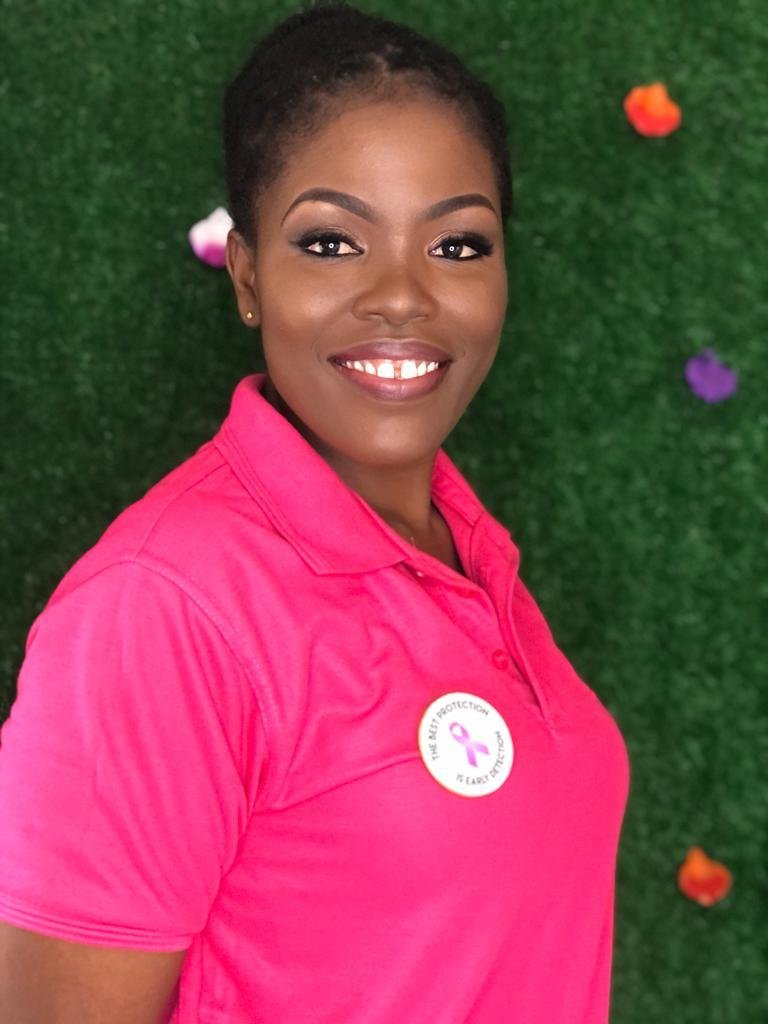
Behind every diagnosis lies not only a medical condition but also a story-one filled with courage, resilience, and hope. These stories extend beyond individuals, shaping the experiences of their families, friends, and entire communities.
Breast cancer continues to be the most diagnosed cancer among women worldwide. According to the World Health Organisation (WHO), approximately 2.3 million women were diagnosed in 2022, and about 670,000 died from the disease.
“These are not just numbers but mothers, sisters, daughters, and friends who deserve hope and dignity,” the WHO emphasises.
Survival rates, however, differ starkly across regions. While the five-year survival rate exceeds 90 per cent in high-income countries, it drops to 66 per cent in India and 40 per cent in South Africa. The reasons are clear: unequal access to early detection, timely diagnosis, and effective treatment.
If current trends remain unchecked, both incidence and mortality are projected to rise by 40 per cent by 2050. To address this, the WHO established the Global Breast Cancer Initiative in 2021, working with partners to strengthen health systems and reduce preventable deaths worldwide.
The situation in Ghana
In Ghana, breast cancer poses a particularly pressing public health concern. It is the most common cancer among women, accounting for about 15 per cent of all malignancies.
Studies reveal a troubling trend: almost 70 per cent of women are diagnosed at advanced stages, where treatment options are limited and survival rates much lower. In 2012, nearly half of Ghanaian women diagnosed with breast cancer lost their lives to the disease.
These statistics point to late presentation, cultural stigma, and limited access to screening facilities as some of the key factors fuelling high mortality.
Experts warn that unless more women come forward for early screening and timely treatment, these figures may remain stubbornly high.
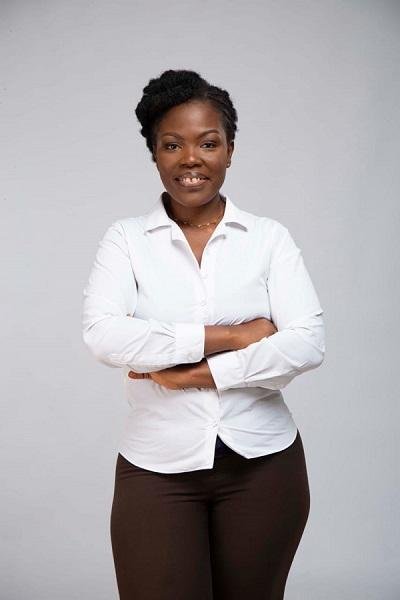
Executive Secretary of the Breast Cancer Society of Ghana (BCSG), Mrs Georgina Kumah-Dzagah, said the numbers are not just statistics, they represent lived experiences. A survivor herself, she knows first-hand the difference early detection and treatment can make.
“My journey could have ended differently if I had ignored the early signs,” she reflected. “That is why the theme ‘Catch it early, treat it right, survive it’ is not just a slogan to me. It is a lifeline that can save countless women.”
Mrs Kumah-Dzagah believes awareness is the first weapon in the fight. She stresses that women must be proactive, know their bodies, and act quickly when something feels unusual.
“A lump, nipple discharge, or changes in the skin should never be ignored or treated with fear and silence,” she explained. “Hospitals and screening centres are there to help us, not to harm us. Early detection gives the best chance for a cure.”
The Executive Secretary also raised concern about the role of misinformation and reliance on untested remedies saying, too often, delays and misplaced trust in alternative cures cost lives.
“Treating it right means trusting science and trained professionals,” she stressed. “Modern treatment -whether surgery, chemotherapy, radiotherapy, or hormone therapy -may be tough, but it saves lives. I went through these treatments myself, and though the journey was not easy, I am living proof that treatment works when given at the right time.”
Her message resonates strongly in a society where cultural beliefs sometimes discourage women from seeking hospital care, and myths about breast cancer fuel stigma.
For Mrs Kumah-Dzagah, survival is not simply about conquering the disease. It is also about reclaiming life, hope, and purpose.
“Breast cancer is not a death sentence,” she affirmed. “Survivorship comes with challenges, but it also brings strength. Today, I speak not just for myself but for every woman still in the fight.”
A call for collective action
Mrs Kumah-Dzagah believes that breaking the silence and stigma around breast health is critical. She called on women, families, and communities to support open conversations and proactive health checks.
She said “let us be bold to check, quick to act, and committed to supporting each other. If we catch it early and treat it right, we will surely survive it.”
She said, BCSG continues to lead nationwide campaigns to create awareness, encourage screening, and support patients and survivors.
Through advocacy and education, the organisation, she said reminds women that vigilance, timely treatment, and community support can turn the tide against breast cancer.
By Esinam Jemima Kuatsinu
Join our WhatsApp Channel now!
https://whatsapp.com/channel/0029VbBElzjInlqHhl1aTU27





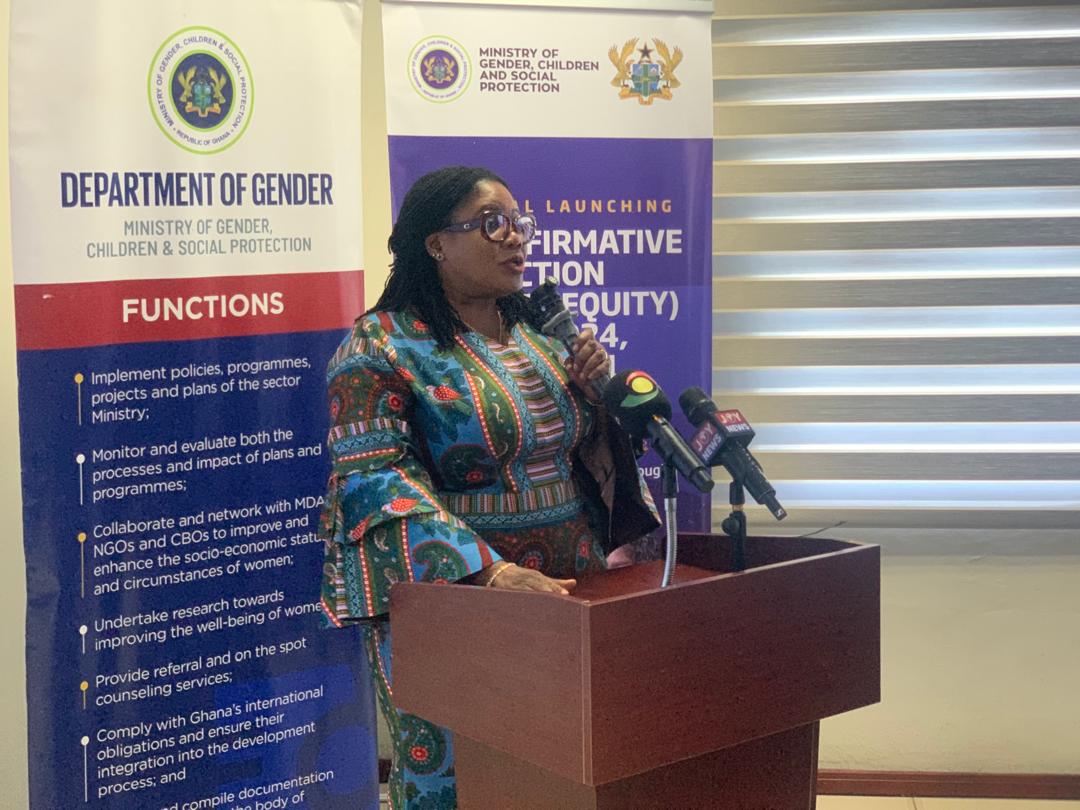
Gender equality should not be left to women alone, but requires the active participation of men and other stakeholders, the Minister for Gender, Children and Social Protection, Dr Agnes Naa Momo Lartey, has said.
She said gender equality was a national development issue and not a matter concerning only women, stressing that both men and women had important roles to play in creating an inclusive society.
Dr Lartey said this last Thursday in Accra at a capacity workshop on the implementation of the Affirmative Action (Gender Equity) Act, 2024.
The workshop was aimed at helping journalists understand the provisions of the Act, strengthen their capacity to communicate gender equity issues and promote accurate, balance reporting on the implementation of the Act.
Ghana could not achieve meaningful development if one section of society was excluded from participating fully in leadership, decision-making and other areas of national development.
“It is not about a group of people. It is not about one of the sexes. It is about the nation. It is about the country,” she said.
She called for stronger commitment to translating the Affirmative Action (Gender Equity) Act, 2024 (Act 1121), into practical action to improve women’s participation in leadership and decision-making.
She said the passage of the law should not be considered the end of the process, but rather the beginning of deliberate efforts to ensure that its objectives were achieved.
Dr Lartey said increasing the number of women in leadership was important, but their participation must also have a meaningful impact on national development.
“We want it to count,” she stressed, calling for practical initiatives that would move the affirmative action agenda from policy to implementation.
The Executive Director of Women, Media and Change (WOMEC), Dr Charity Binka, also urged the media to play a critical role in ensuring the effective implementation of the Act.
She said Ghana had taken an important step by passing the law after 13 years of efforts, but the real test was its implementation.
According to Dr Binka, the Act requires 30 per cent representation of women in leadership and decision-making by 2026, rising to 50 per cent by 2030.
She urged the media to inform the public about the law, monitor institutions’ compliance and challenge stereotypes that undermine women’s leadership.
Dr Binka urged journalists to ensure institutions were complying with requirements, including Gender Equity Policies, Compliance Certificates and annual reports.
She said affirmative action was not about replacing merit with gender, but addressing structural barriers that had historically limited qualified women’s opportunities to participate and lead.
She called for stronger collaboration among government, civil society, traditional and religious leaders, the private sector, the media and other stakeholders to turn the law into measurable results for women and girls.
By Esinam Jemima Kuatsinu
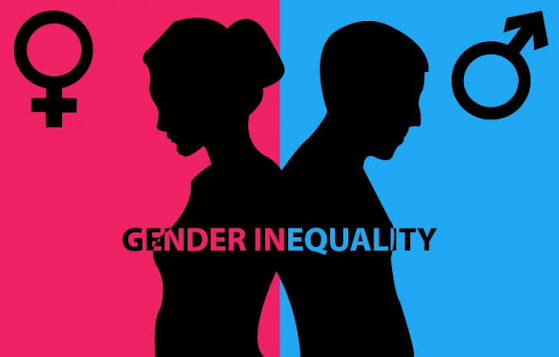
The United Nations has warned, that Gender equality is “woefully off track.”
At the current rate of progress, gender equality would take 171 years to achieve, the UN’s Gender Snapshot report said.
The number of countries with a woman as head of state or government has increased from 2020 to 2026. “Yet six in seven countries are still led by men.
Women’s representation in national cabinets declined to 22.4 per cent in 2026, after peaking at 23.3 per cent in 2024,” the report said. “The decline is a warning sign that gains cannot be taken for granted, and that progress towards equal political power remains fragile.”
Funding for gender equality has fallen to its lowest level since 2021, the report found. At the same time, 42 per cent of UN agencies reported that their efforts to promote gender equality had been weakened, as a result of budget cuts.
Millions of women also continued to endure some extremely severe forms of violence and discrimination across the globe, the UN said. Nearly one in five girls is married before the age of 18, and nearly one in three women globally have survived partner or sexual violence in their lifetime.
In the past year, 316 million women experienced physical or sexual violence by an intimate partner, the report said.
UN Under-Secretary-General for Economic and Social Affairs, Li Junhua, said the statistics were not inevitable. “It is the result of choices, made visible through data. Investing in gender equality, institutions, and the statistical systems that hold them to account is not a cost. It is the fastest route back to the 2030 Agenda’s promise of equal power for all.”-GNA
SKIP THE QUEUE, TAP THE NEWS
You can now read the Ghanaian Times and The Spectator newspapers from the comfort of your device via TimesNewsPlus.
Join our WhatsApp Channel: https://whatsapp.com/channel/0029VbBElzjInlqHhl1aTU27