Editorial
Nanvili Community Urgently Needs Good Educational Infrastructure

Basic education is widely considered a fundamental human right for all children, regardless of their community, age, or background. Providing good educational infrastructure is critical, as it directly influences educational quality, academic performance, and overall community development. The physical environment of schools shapes the future of children, who are the leaders of tomorrow.
However, the Nanvili Community School in the Mion district of the Northern Region faces severe infrastructural challenges, negatively affecting teaching and learning. The school serves five surrounding communities, with a total of 58 pupils. Observations during a visit revealed that the classrooms have deteriorated so badly that many children have stopped attending classes.
The poor condition of classrooms and lack of desks has made teaching and learning extremely difficult. More concerning is that the three gate-free classrooms are filled with goat and sheep droppings, creating a health hazard for pupils. During the rainy season, teachers and students are often cut off from the school due to bad roads and flooding, leading to weeks of suspended teaching activities, which further affects academic performance.
The Assemblyman for the area, Mr. Dawuni Mutawakil, expressed worry that pupils from Nanvili are expected to compete with their counterparts in urban areas who have access to better facilities. He emphasized the urgent need to provide desks and adequate classroom space to separate the merged classes.
The Chief of Nanvili, Abu Kassim, also appealed to the government and non-governmental organizations to assist the community. He noted that the current state of the school discourages children from nearby communities from attending, further highlighting the need for urgent intervention.
The Spectator joins local leaders in calling for immediate action to improve infrastructure and provide furniture, ensuring quality education for children in the Nanvili community.
By Geoffrey Buta, Nanvili, Northern Region
Spectator
Join our WhatsApp Channel now!
https://whatsapp.com/channel/0029VbBElzjInlqHhl1aTU27


Dear Editor,
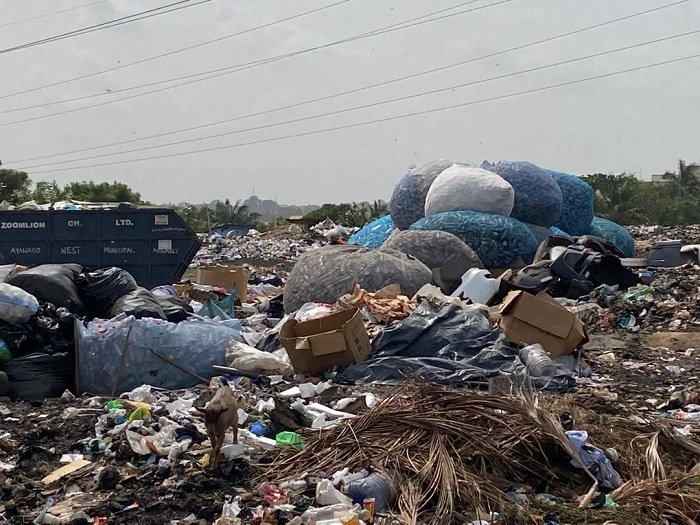
I’m writing to bring attention to a disturbing situation in Mempeasem, a suburb of East Legon in the Ayawaso West municipality of Accra.
A recent field study by some of my colleagues and I undertaking a “Disaster risk science” course from the University of Ghana’s Geography and Resource Development department uncovered several hazards in the community that could turn into full-blown disasters if not addressed.
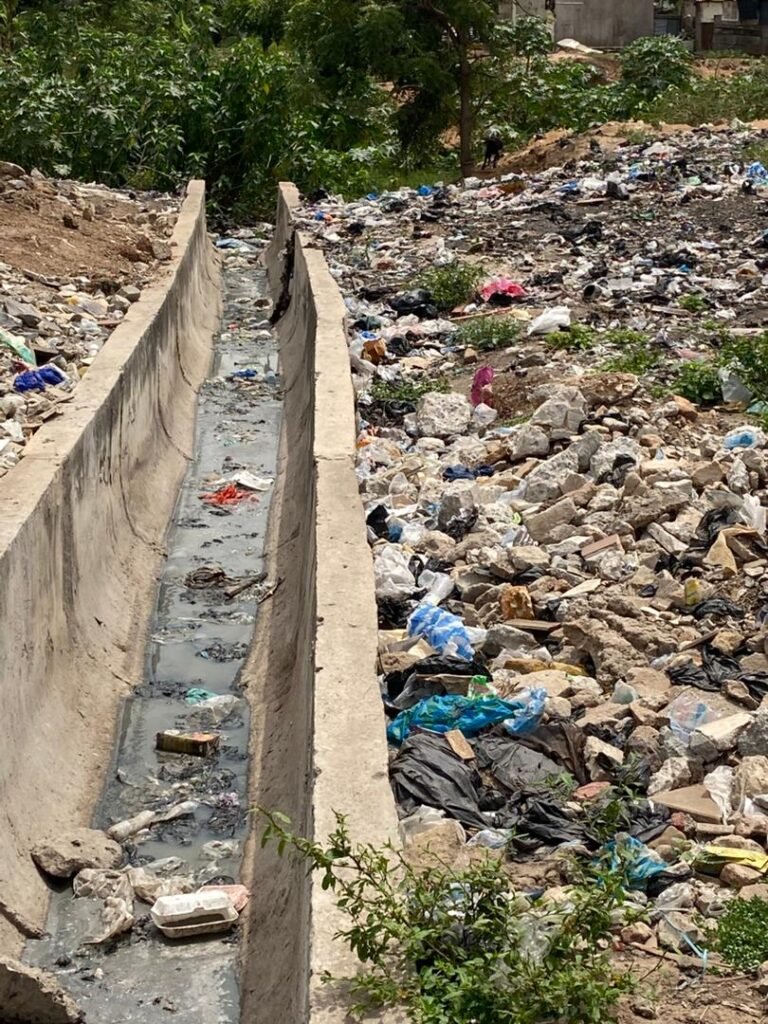
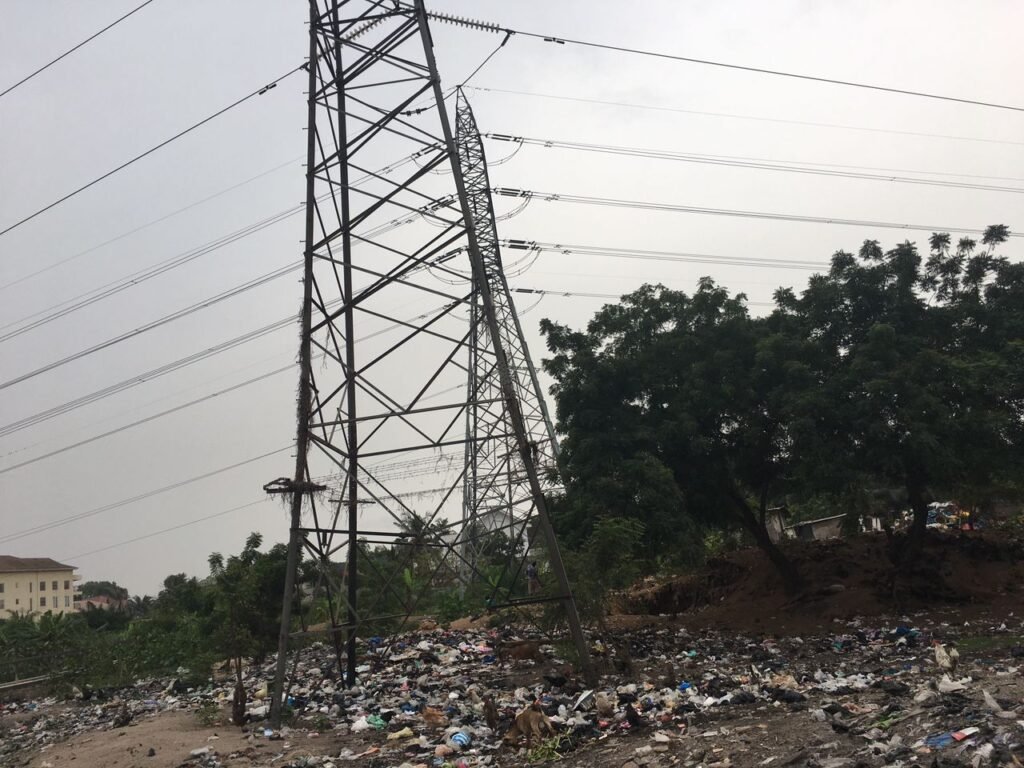
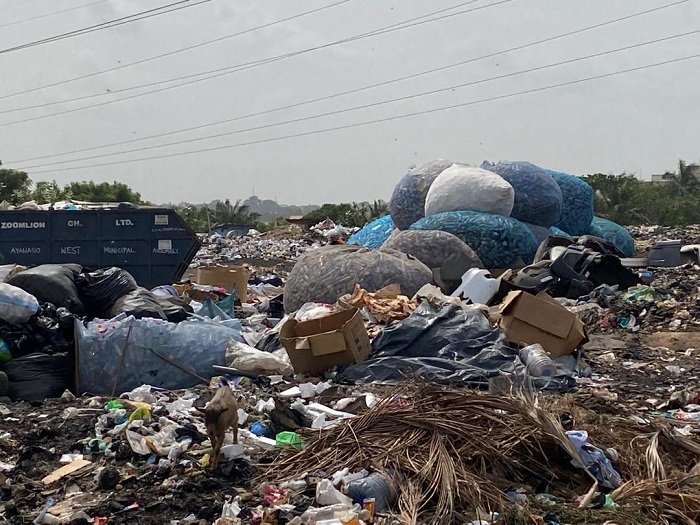
The community faces risks like choked gutters causing floods, closely packed wooden houses that could fuel massive fires, open waste dumps breeding diseases, and unsafe waste burning near electrical poles.
These are ticking time bombs.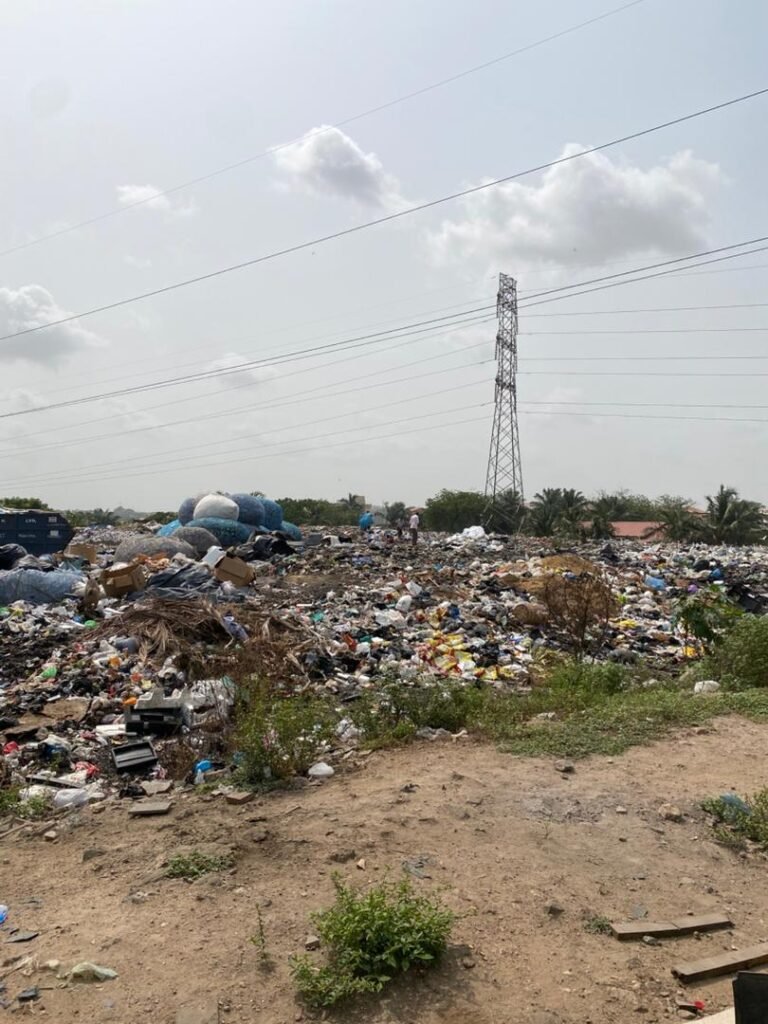
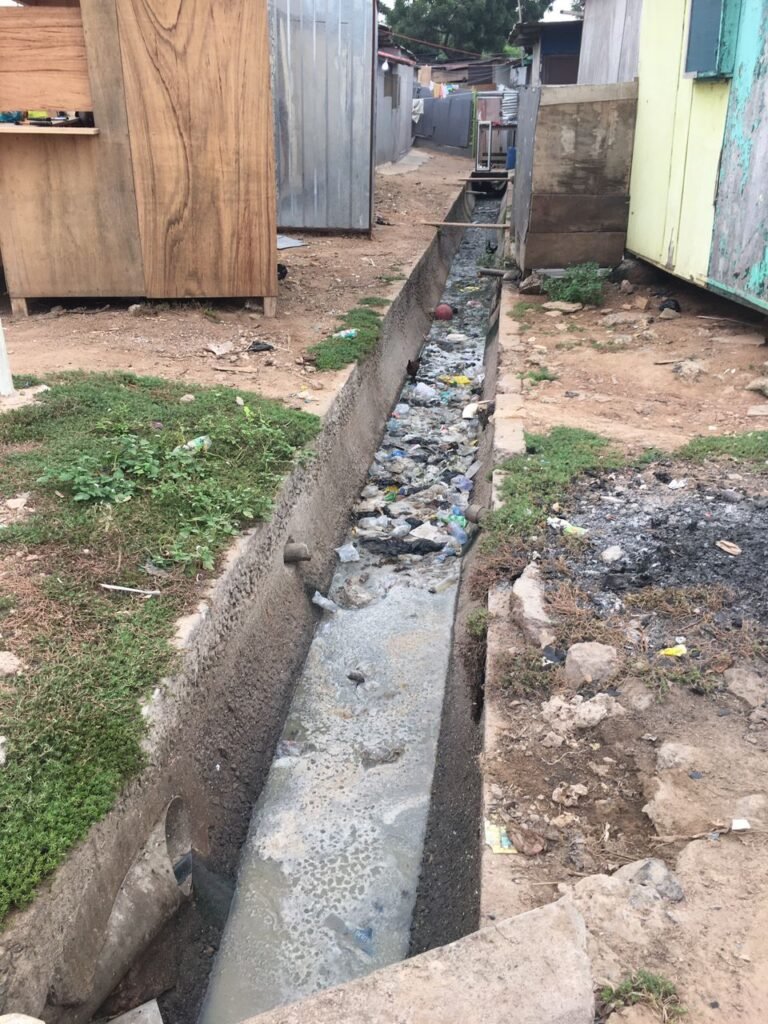
The hazards identified are not just minor issues but potential catalysts for major catastrophes.
Choked gutters and poor drainage systems can lead to flooding, contaminating water sources and exposing residents to waterborne diseases.
The prevalence of wooden structures in close proximity increases the risk of rapid fire spread, putting lives and properties at risk.
Open refuse dumps and dirty gutters near residential areas are breeding grounds for pests and diseases like cholera and malaria.
The practice of burning waste near electrical poles and transformers also poses a significant fire hazard and possible electrical explosions.
The root causes of these hazards are poor urban planning, weak law enforcement, and economic struggles forcing people into unsafe living conditions.
Mempeasem’s growth has outpaced infrastructure development, leading to haphazard settlements and inadequate waste management.
Weak enforcement of building codes and sanitation laws has allowed these unsafe conditions to persist. Many residents, struggling to afford safer alternatives, are unknowingly increasing their vulnerability to disasters.
To mitigate these risks, authorities must act urgently. Building codes and waste management laws should be enforced strictly. The Municipal Assembly should collaborate with NGOs to educate residents on proper waste disposal and disaster prevention.
Drainage and sanitation infrastructure need improvement to prevent flooding and disease outbreaks.
Food vendors and bakers should be relocated from high-risk areas to designated zones with proper facilities. Community education on disaster risks is also crucial to foster a culture of prevention.
Let’s prevent a disaster in Mempeasem. The authorities, residents, and stakeholders must work together to address these hazards. The time to act is now – let’s ensure Mempeasem doesn’t become Accra’s next disaster hotspot.
Theresa Dzifa Tsetse
University of Ghana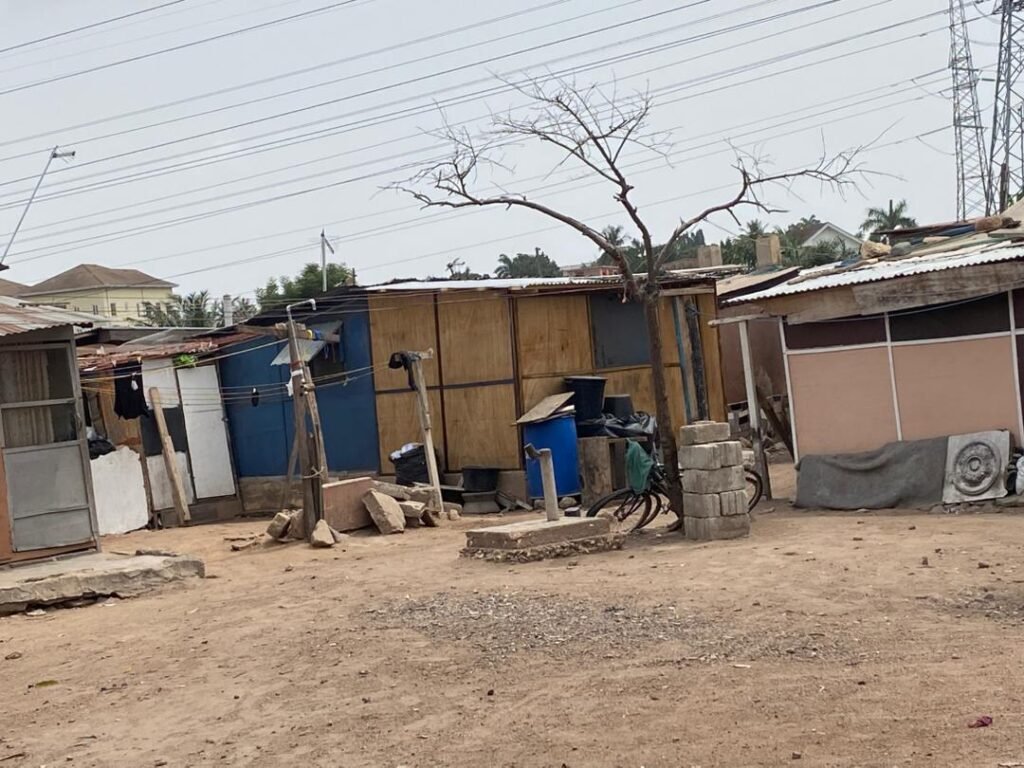
Members of the Times Ladies Association (TLA), a women’s wing of the New Times Corporation (NTC) gathered to celebrate International Women’s Day (IWD) last Monday, March 9, 2026, a day after the global event.
The purpose of the event, which was attended by management and a few employees of the corporation, was to honour women’s achievements and inspire them to succeed in their roles in society.
International Women’s Day is marked annually on March 8, to celebrate women’s economic, political and social achievements, educate and raise awareness about women’s equality.
This year’s celebration was on the theme, “Rights. Justice. Action. For All Women and Girls,” with a global campaign theme “Give to Gain,” a call to deeper service to ourselves and humanity.
Indeed the day is worth celebrating because women are unique, invaluable, strong, brilliant, powerful and resilient. As such they deserve respect, appreciation, kindness and love for the immense role they play in their families, workplaces, communities and the nation as a whole.
The President of the Association called on members to empower themselves academically and take advantage of opportunities to improve their lives and careers.
She acknowledged that over the years members of the Times Ladies Association have worked and continue to work so hard for the progress of New Times Corporation (NTC) despite the challenges they faced.
The Spectator urges the ladies to heed to the president’s advice to maintain healthy lifestyles, go for regular medical check-ups, exercise regularly, and have enough rest and support one another as this will help contribute meaningfully to their wellbeing and others.
In the words of the President: “As ladies we have every right to protect our dignity and empower ourselves to advance in life be it academically, politically, socially or economically.”
The call on women to empower themselves is laudable as it will go a long way to push the agenda of gender equality in every sphere of their lives.
The Spectator urges women to take a cue from the global campaign theme, “Give to Gain” to exhibit the qualities of a true woman; Be hardworking, confident, resilient, responsible, optimistic, patient, compassionate, generous, and be dedicated to your roles at home and at the workplace.”
We believe that to achieve gender equality women must be each other’s keeper and change the slogan, “women are their own enemies.” Whatever roles women play they must be united and contribute their quota to national development.
The Spectator wishes all women a Happy International Women’s Day.
Join our WhatsApp Channel now!
https://whatsapp.com/channel/0029VbBElzjInlqHhl1aTU27