News
MPA PARTNERS GHS TO LAUNCH A PAPERLESS HEALTH DECLARATION FORM AT THE AIRPORT

- /home/u249204778/domains/spectator.com.gh/public_html/wp-content/plugins/mvp-social-buttons/mvp-social-buttons.php on line 27
https://spectator.com.gh/wp-content/uploads/2020/09/The-2.jpg&description=MPA PARTNERS GHS TO LAUNCH A PAPERLESS HEALTH DECLARATION FORM AT THE AIRPORT', 'pinterestShare', 'width=750,height=350'); return false;" title="Pin This Post">
- Share
- Tweet /home/u249204778/domains/spectator.com.gh/public_html/wp-content/plugins/mvp-social-buttons/mvp-social-buttons.php on line 72
https://spectator.com.gh/wp-content/uploads/2020/09/The-2.jpg&description=MPA PARTNERS GHS TO LAUNCH A PAPERLESS HEALTH DECLARATION FORM AT THE AIRPORT', 'pinterestShare', 'width=750,height=350'); return false;" title="Pin This Post">
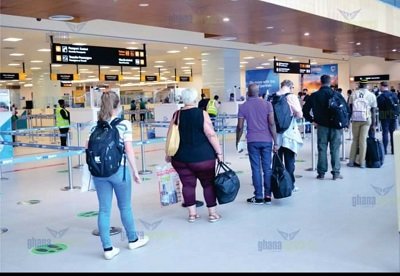
MILLENNIUMPROMISE ALLIANCE (MPA) has partnered with Ghana Health Service (GHS) to launch a real-time, electronic version of the Health Declaration Form at the Kotoka International Airport with the commencement of flights to the country.
The Paperless Health Declaration is used to obtain passengers travel history and signs and symptoms in relation to COVID- 19. The systems has already been deployed since the resumption of operation of the country’s Airport.
MPA developed Mobile and Web Health Declaration Applications to replaces the paper-based version that was used prior to the closure of the country’s borders. The App makes it possible for passengers to conveniently fill up the Form; whilst its decision support algorithms and analytics helps the Port Health team to speed up decision making and follow-up.
Travelers can access the Health Declaration App on their mobile phones, tablets or computers through the Ghana Health Service website using the link https:/www.ghs-hdf.org/hdf/.
Additionally, all passengers will have their temperatures screened through the MPA Porthealth Thermocheck booths.
“COVID 19 has ushered in a lot of homegrown ideas and domesticated technological advancements of which I’m Grateful to God to have been useful in such a competitive era together with my MPA team. The project has added a boost to Ghana’s preparedness to open its airports for international flights. I am very proud to leverage on our long-standing partnership with the Ghana health Service to bring this project to life” Chief Nathaniel Ebo Nsarko, Executive Director of Millennium Promise Alliance said.
He added that “due to COVID-19, Technology is being deployed at such a dizzying pace in recent months that it has transformed our world in ways that we least imagined. Coming up with this innovative idea started out to be difficult, if not impossible — and almost certainly up for fierce debate as we have always believed in foreigners than ourselves. Nevertheless, we gave it a shot and here we are, purely Ghanaian but of international standards; proudly Ghanaian.”
This collaboration is part of MPA’s agenda of mobilizing science and cutting-edge technology towards sustainable development and to improve the health and well-being of the population in Ghana.
Millennium Promise Alliance is an International NGO with a vision to eradicate extreme poverty, hunger, and preventable diseases especially in deprived communities.
MPA operates in twenty (20) countries including Ghana and believes in working with country systems and government agencies to empower the rural poor, promote rapid socio-economic development and accelerate the attainment of the Sustainable Development Goals (SDGs).
In Ghana, MPA provides technical support for school health screening, community health workers program, rural diagnostic laboratory services, personal protective equipment for frontline healthworkers among others.
MPA appreciates funding support from the Sergei Brin Family Foundation and GSK; as well as strategic and policy advisory from the Founder and Board Chair Prof. Jeffrey Sachs.


Over 20 structures built within the 50-metre buffer zone of the Kpeshie Lagoon at the Laboma Beach Resort in the La Dade-Kotopon Municipality were on Sunday demolished by the Greater Accra Regional Coordinating Council (GARCC).
Buildings such as single-unit semi-detached under construction and completed chalets at the resort were pulled down while portions of a newly constructed perimeter wall were also demolished. Read More
SKIP THE QUEUE, TAP THE NEWS
You can now read the Ghanaian Times and The Spectator newspapers from the comfort of your device via TimesNewsPlus.
Join our WhatsApp Channel: https://whatsapp.com/channel/0029VbBElzjInlqHhl1aTU27
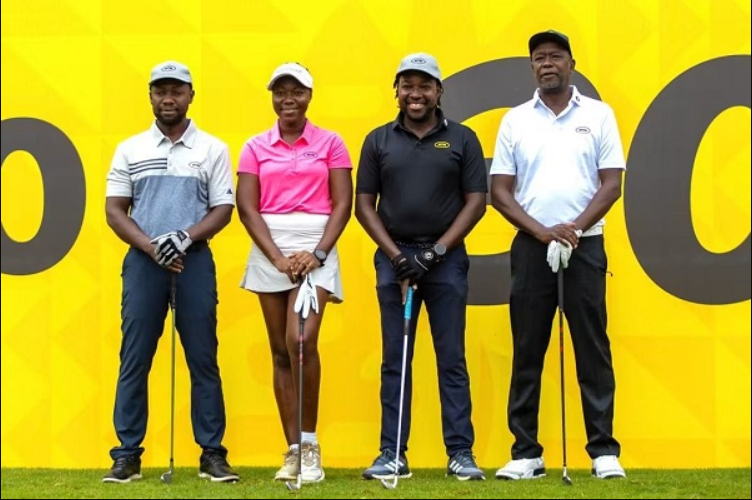
About 120 golfers from clubs across Ghana participated in an 18-hole competition, dubbed ‘MTN 30th Anniversary CEO Invitational Golf Tournament’ held at the Achimota Golf Club on Saturday.
At the end of the hectic day, Frederick Semenu Duvor won the Men’s Group A event with 39 points, while Julienne Afi claimed the Ladies’ Group A title with the same score.
Yaw Mireku Jnr. won the Men’s Group B with an impressive 45 points, while Kous Louanges Mang took the Ladies’ Group B title with 38 points.
Kofi Mangesi won Men’s Group C with 40 points while Elorm R. Akuash Bonney claimed the Ladies’ version with 42 points.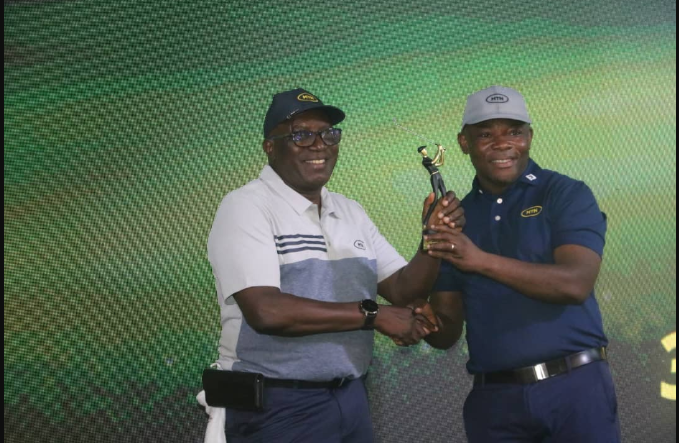
In the Seniors Division, Jan Vogel emerged winner of the men’s category with 39 gross, while Helen Appah topped the ladies’ category with 44 gross.
Addressing participants, the company’s Board Chairman, Mr Ishmael Yamson, urged the company to approach its next phase with the same resilience, discipline and determination that have defined its success over the past three decades.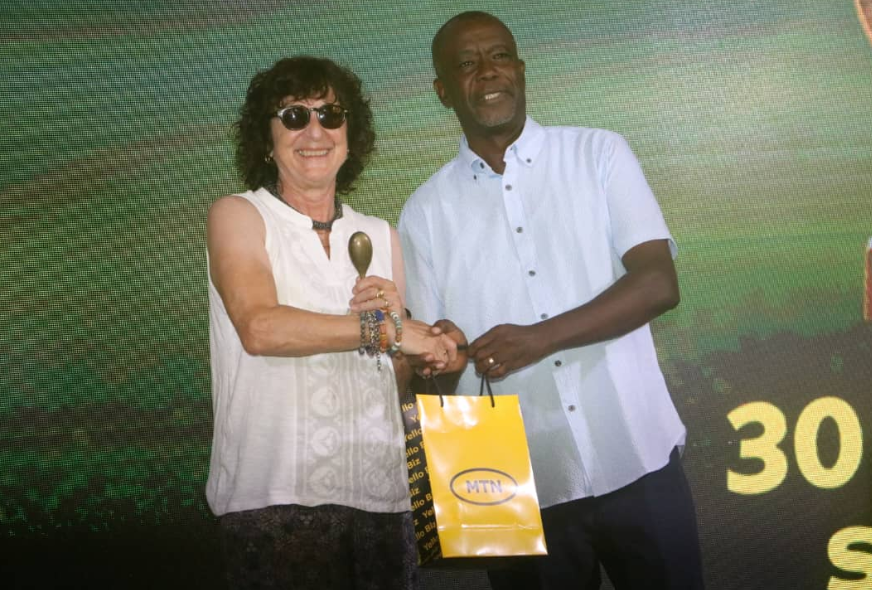
He drew a striking parallel between the game of golf and MTN Ghana’s three-decade journey, describing both as long games in which success depends less on one spectacular moment than on consistency, patience, judgment and the ability to recover from setbacks.
He said, golf had taught him a lesson that extended far beyond the fairways, thus, a round cannot be won on the first hole.
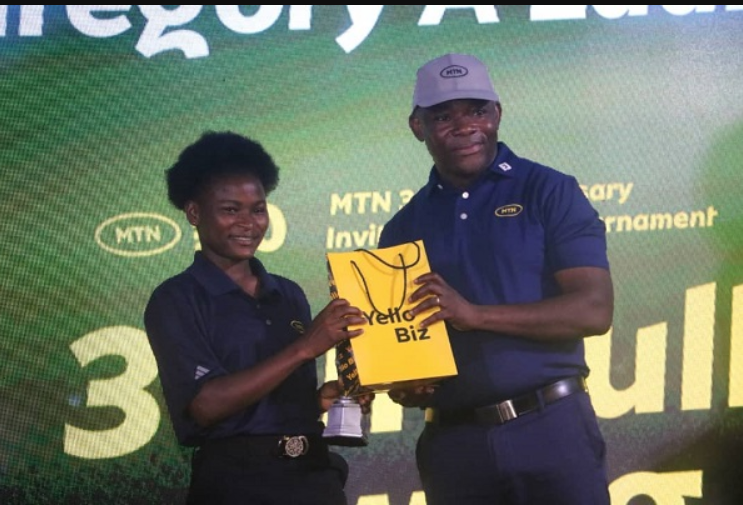
In golfing terms, he said, MTN Ghana had encountered its share of regulatory bunkers, competitive hazards and unexpected storms that had forced the company to pause, reassess and change its approach.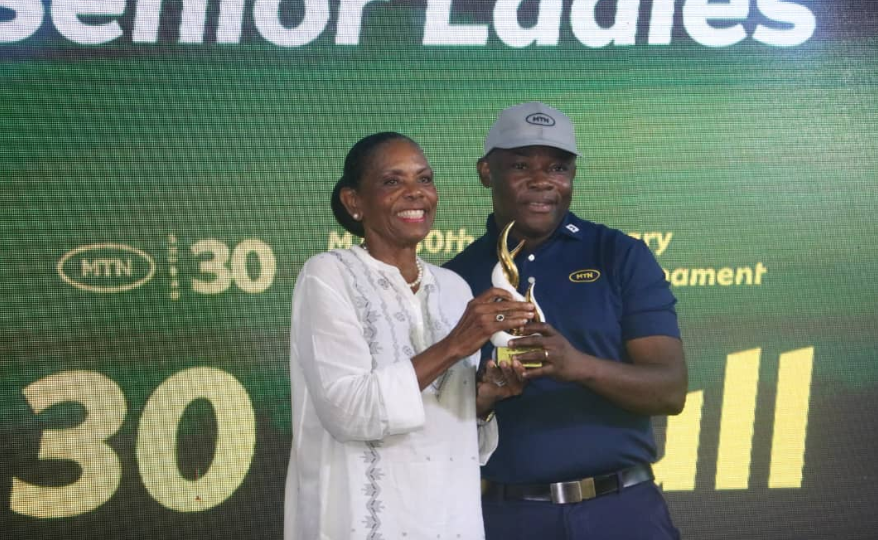
But those challenges, he suggested, were part of the journey rather than reasons to abandon it.
By Andrew Nortey
SKIP THE QUEUE, TAP THE NEWS
You can now read the Ghanaian Times and The Spectator newspapers from the comfort of your device via TimesNewsPlus.
Join our WhatsApp Channel: https://whatsapp.com/channel/0029VbBElzjInlqHhl1aTU27

 Entertainment1 week ago
Fiifi Coleman Productions adapt ‘I Told You So’ stage play into feature film
- News6 days ago
48 Engineer Regiment to be major sub-contractor on Accra-Kumasi Expressway, $2bn ready- Prez Mahama
- News1 week ago
Ghanaian journalist celebrates Texas town’s ‘Eden of the Far West’ tag after mayor’s nod