News
Mobilise the funds as every gov’t has done to service our debts – Amin Adam to Mahama

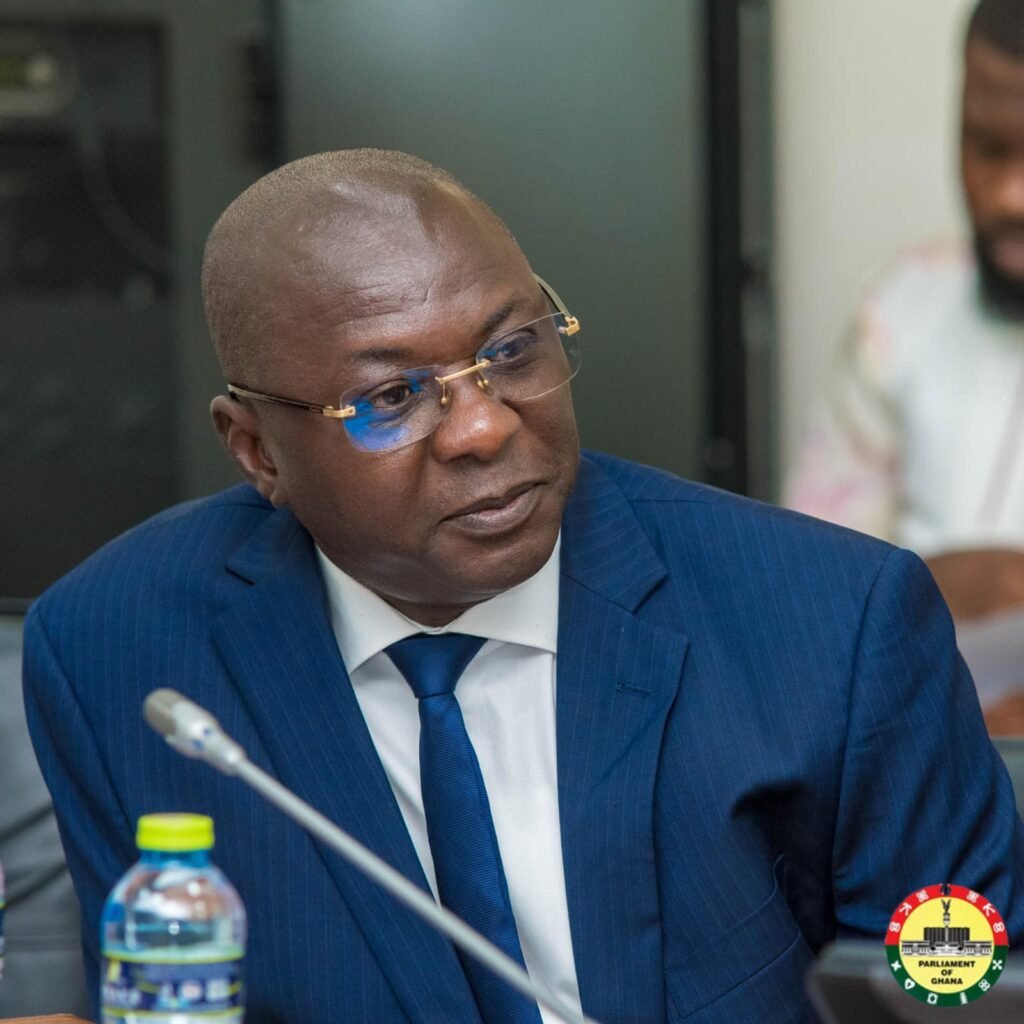
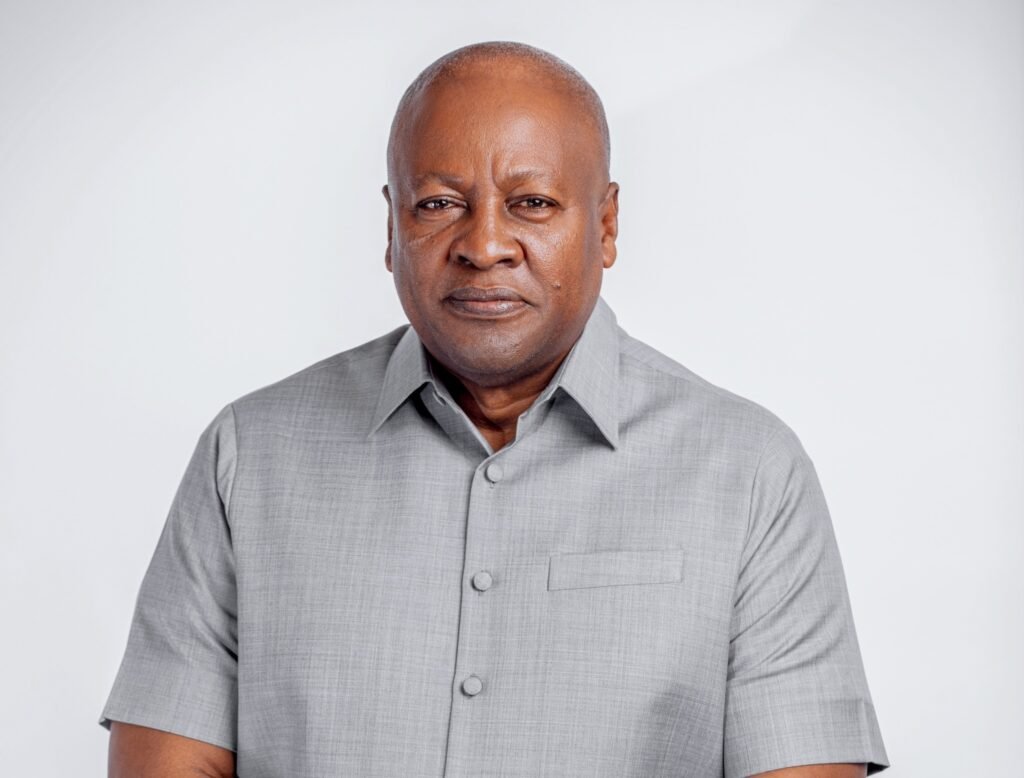
Former Finance Minister Dr Mohammed Amin Adam has challenged President John Dramani Mahama’s concerns over Ghana’s debt service obligations, urging him to mobilise funds as every government has done in the past to meet these commitments.
Presenting what they call the “True State of the Nation Address” on Monday, March 3, Dr Amin Adam dismissed the President’s warning about the country’s projected debt servicing obligations, arguing that debt management is a routine responsibility of any administration.
President Mahama recently raised alarm over Ghana’s debt servicing obligations for the next four years, estimating that the government would need GH₵280 billion—comprising GH1₵50 billion for domestic debt and GH₵130 billion for external debt.
According to Dr Amin Adam, however, such obligations are not unusual and should not be used to instill fear in the public.
“The President tried to scare the Ghanaian people about the country’s debt service obligations for the next four years. Government at every time, provides for debt servicing obligations, and the President is aware of this. We expect him to mobilise the funds as every government in Ghana has done to service our debts,” he stated.
According to him, the New Patriotic Party (NPP) also did the same when the National Democratic Congress left power with debts in 2017.”
He further highlighted that the NPP administration’s debt management strategies had led to a significant reduction in Ghana’s debt levels and debt servicing burdens. “Through negotiations, Ghana successfully rescheduled its $5.4 billion debt owed to official bilateral creditors until after 2026.”
“The Agreement we reached with the Official Creditors Committee for Ghana entails a rescheduling of all debt service (principal & interest) falling due between December 20, 2023, and December 31, 2026. As a result, no debt service under bilateral debt will be paid until after 2026, including the debt we didn’t pay in 2023 since we declared the debt standstill.”
Dr Amin Adam further outlined the terms of the rescheduling, noting that the deferred amounts would be repaid in two installments—16 and 17 years after their original due dates—with interest rates ranging between 1% and 3%.
He stressed that this agreement applies to all official bilateral creditors and ECA-backed facilities signed and disbursed before the end of 2022.
“This provides breathing space for the current government,” he emphasised, adding that the debt service relief from these negotiations amounts to $2.8 billion.This is money that the government of Ghana would have paid but which now stands as savings to the country,” he added.
Dr Amin Adam urged President Mahama to focus on effective economic management rather than stirring fear about debt obligations that governments must automatically address.
Source: Myjoyonline.com







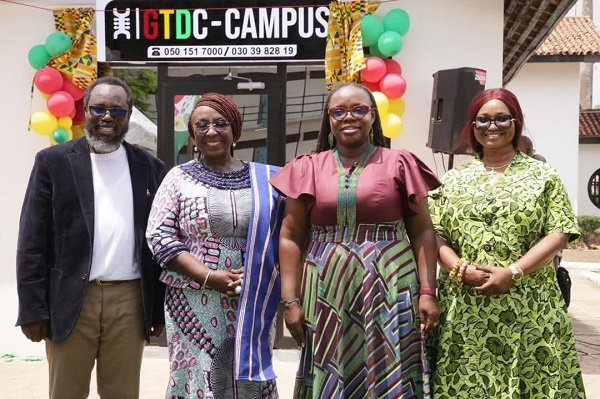
The Ghana Tourism Development Company, GTDC, under the leadership of Prof.Kobby Mensah has launched GTDC Campus Tourism Office at the University of Ghana.
The initiative aims to promote educational and domestic tourism by providing structured campus tour experiences showcasing key heritage sites, including the Archaeology Museum and the School of Performing Arts.
It will also offer students their first travel experience across the continent and inculcate in them love to visit Ghana’s heritage sites.
Addressing the gathering at the launch yesterday, the Minister of Tourism, Culture and Creative Arts, Abla Dzifa Gomashie, described tourism as a vehicle for education and heritage preservation, stressing that the sector must inspire citizens to value and protect national culture for future generations.
The minister highlighted tourism’s connection to disciplines such as history, the arts, economics and environmental science.
The minister further noted that the private sector is the engine of tourism economy, adding that the engines require fuel, which is talents.” by investing in these young people today, you are securing the quality, the innovation and competitiveness of our own industry for tomorrow.
She added that the establishment of the office represents a deliberate investment in the intellectual capital of the country.
The GTDC boss, Prof.Kobby Mensah, said,”at GTDC, we believe that if our tourism has to be sustainable, we have to promote domestic tourism and a very big part of it is getting students to appreciate tourism and helping them to organise tours.”
He added that the University of Ghana itself is a huge heritage site which must be explored.
Prof.Kobby Mensah noted that the initiative, which is one of many to be established across the country, is a joint partnership between GTDC and University of Ghana.
The Vice Chancellor of the University, Prof.Nana Aba Appiah Amfo, said the University is a custodian of heritage which goes beyond the structures and welcomed the establishment of the first Campus Tourism Office.
She was optimistic that the office would be put to good use to achieve the intended purpose.
The launch brought together Stakeholders reaffirming their commitment to nurturing future tourism and hospitality professionals.
By Edem Mensah-Tsotorme
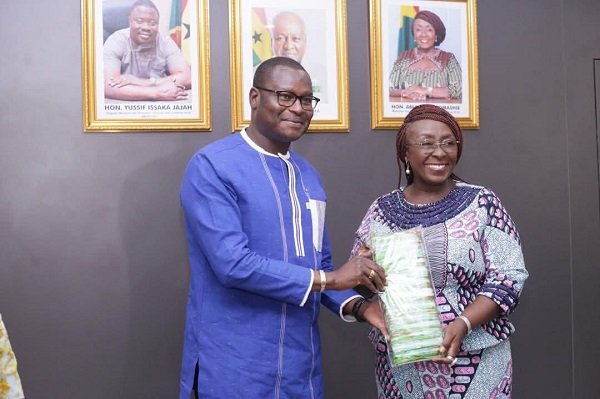
Ghana has officially accepted an invitation to serve as Guest Country at Burkina Faso’s 22nd National Culture Week in Bobo-Dioulasso from April 22 to May 2, 2026.
The invitation was extended by Burkina Faso’s Minister of Communication, Culture, Arts and Tourism, Gilbert Noël Ouédraogo, accompanied by the Ambassador of Burkina Faso to Ghana, H.E. David Kabré.
Receiving the delegation, Abla Dzifa Gomashie reaffirmed Ghana’s commitment to deepening cultural diplomacy and strengthening historic ties between the two nations.
She noted that the festival will create opportunities for young creatives, expand exhibition platforms and promote commercial exchange within the creative sector.
The event will feature cultural performances, a community village and gastronomy fair, an arts market, literary engagements, and a craft and trade fair.
Ghana’s participation is expected to further strengthen bilateral relations between John Dramani Mahama and Ibrahim Traoré, while fostering collaboration within the creative ecosystems of both countries.