Health Essentials
Measure your blood pressure accurately, control it, live longer

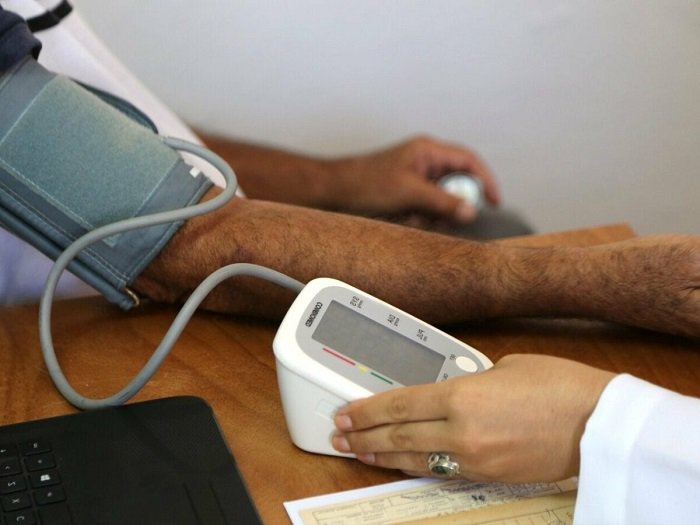
17th May is World Hypertension Day and please do not panic. This is not a stress-filled day that aims at increasing your blood pressure but rather it’s a day set aside to increase awareness of a serial yet silent killer. That is exactly what Hypertension is; it’s killing the young and old at an alarming rate yet in most instances people with high blood pressure may feel absolutely well.
The theme for this year is “Measure your blood pressure accurately, control it, live longer”
Do these when you take your blood pressure since the accuracy of the reading matters:
- If you have been walking or running rest for at least five to 10 minutes
- No caffeinated drinks or alcohol two or three hours before checking blood pressure
- Sit (sometime you may need to stand or lie in bed) comfortably with your back rested/supported and your arm for the cuff resting on a table of firm surface
- Have your feet flat on the floor and not legs crossed
- Ensure the cuff is the right size for your arm
- If using an electronic monitor ensure battery is working well
- If clothing covering arm is thick remove
- Loosen your neck-tie or belt if uncomfortable
- If you are not conversant with checking blood pressure, get the appropriate training
Global statistics show that only 50 per cent of those with hypertension are actually aware and that awareness in some areas may be as low as 10 per cent while awareness may exceed 75 per cent in a few areas. The bitter truth is some people do not have enough information about the condition, a significant number do not have easy access to measuring their blood pressure and a few stubborn ones think it’s better not to know if something is going wrong.
What do we need to understand about our blood pressure numbers? There are ALWAYS two numbers in a blood pressure reading such as 120/80mmHg. The top figure represents the force of the blood against the artery (blood vessel) walls as your heart beats and the lower value represents the force on the walls in between beats or while the heart rests. Both numbers are important.
Essentially when your blood pressure is higher than it should normally be all organs in the body are exposed to elevated pressures since arteries supply blood to every part of the body. These sustained high pressures will be causing harm gradually every minute of the day.
Prevention of high blood pressure is based mainly on adopting the appropriate lifestyle, while having regular medical check-ups to pick up conditions that can or may lead to hypertension if not tackled early. Management of hypertension on the other hand requires a three-pronged attack in most situations;
- Lifestyle modifications
- Regular medical checks to pick up other conditions that would worsen our hypertension or general wellbeing
- Use of appropriate physician prescribed medication
Age and our genes may have a way of increasing our blood pressure or predisposing us to hypertension, but since we have no control over the choice of our family and years rolling by, it may be worth focusing on the above three that we can control to a large extent.
Lifestyle Modification
- Exercise adequately
- Do not smoke
- Limit or avoid alcohol
- Aim at Fat (weight) loss
- Manage stress appropriately
- If you have sleep apnoea (intermittent snoring during sleep and feeling tired and sleepy on waking up) seek medical intervention
- Adopt the DASH (dietary approaches to stop hypertension) diet; low sodium (salt), increased potassium from fruits and vegetables, low or no saturated fats and increased fibre.
- Control conditions such as diabetes, cholesterol challenges and kidney disease.
Exercise need not be rushing to the gym to sweat out only, but taking walks, gardening, cleaning your home, using the stairs and many others. Exercise increases heart function and lowers blood pressure but there is a little hitch: the benefits of exercise on blood pressure do not last beyond 72 hours. In short frequency is the watch word. Do not be a once a week or once a month exercise fan. The effect of exercise on the heart does not rely on past glory so if you were an athlete years ago but you have now become one with your sofa, I am sorry to disappoint you but you need to get moving NOW!
All types of exercises will benefit you and lower your blood pressure but a word of caution here;
- When your blood pressure is not controlled DO NOT lift weights above your head
- Do not overdo exercises of the upper body but lower body exercises such as squatting will enhance lowering of your blood pressure.
- Breathe properly especially while you train with weights; breathe out during the exertion phase as you lift a weight and breathe in while you relax.
- Of course brisk walking, swimming, use of the treadmill and other exercises that target heart function are also a must
When all is said and done, you can never know our blood pressure without measuring or checking it. Take a few minutes to check your blood pressure and ensure at least one other person checks their blood pressure before the end of the month.
Associations, companies and all identifiable groups should ensure they check their blood pressure and go an extra mile and as a corporate social responsibility help to check the blood pressure of hundreds or even thousands of people. You will be saving lives.
AS ALWAYS LAUGH OFTEN, ENSURE HYGIENE, WALK AND PRAY EVERYDAY AND REMEMBER IT’S A PRICELESS GIFT TO KNOW YOUR NUMBERS (blood sugar, blood pressure, blood cholesterol, BMI)
Dr. Kojo Cobba Essel
Health Essentials Ltd/ Mobissel
(dressel@healthessentialsgh.com)
*Dr. Essel is a medical doctor, holds an MBA and is ISSA certified in exercise therapy, fitness nutrition and corrective exercise.
Thought for the week – 1. “Don’t lose out on laughter, the benefits match Exercise, Meditation & Sex all rolled into one.”
- Elevated blood pressure and atherosclerosis can damage the vessels to the extent that blood flow is impaired causing impotence. Unfortunately many of us wrongfully believe that it’s only the medicines that lower blood pressure, which may cause impotence. Talk to a doctor today.
References:
- www.webmd.com; Hypertension
- www.worldhypertensionleague.org
- Unravelling The Essentials of Health & Wealth – Dr. Kojo Cobba Essel
By Dr. Kojo Cobba Essel


Don’t we all dream of a life that is filled with laughter? That may be a reason for chasing big bucks, which like the golden-fleece eludes the majority of us. Financial Wellness is extremely important but there are other factors that make us happy and healthy and eventually wealthy.
You definitely do not need to live in Finland to experience happiness even though many people agree that is the “headquarters” of happiness. The happiness in Finland for instance is based on the provision of basic infrastructure and services, minimal corruption and strong social support among others. These go a long way to minimise anxiety making room for one to enjoy the good things of life.
Then when you live in Sikaman and any of its other cohorts, it is challenging to have those in authority create the environment where you can be happy. That’s why you need to “happy yourself” and the happiness hacks below will help you do just that. Even if you live in Finland, you will gain much more by following these steps.
- Wake-Up Ritual
- Say to yourself that today will be a beautiful day or a great day
- Ask God what He has in store for you. Use me Lord (if not a Christian what you believe in will be useful as well.
- Remind yourself of your purpose in life and get out of bed
- Do not grab your phone as the first thing for the day.
- Pray
- Talking to God has a way of calming our nerves. It brings about unexplained peace and when we add praise and worship then the floodgates open. That is how to win battles against unhappiness.
- Smile
- Definitely floods your body with feel good hormones and insulates you from stress
- Smiling is infectious so the more you smile the better and you set off a smiling OR happiness domino effect.
- Meditate
- Extremely good for your brain and an easy way to start is to do deep-breathing and just focus on your “breath” excluding all others. That is what some will prefer to call mindfulness. Being in the moment has immense benefits. Things you never knew existed suddenly spring up.
- Exercise
- That wonder drug that trumps virtually all others. Like smiling it does pour out feel good hormones. Strength training even goes an extra mile causing our muscles to act as “pharmacies” that pour out life-changing signals every time they contract.
- Be kind to yourself & to others.
- We are often too harsh on ourselves. Give yourself a break. Self-care is the real deal!!
- Being harsh to others has no benefits.
- Spend some time doing nothing
- We need to re-set from time to time. Spend about 10 minutes a day doing absolutely nothing. There is happiness and innovation in “idling”. Do not abuse idling though
- Spend time with loved ones
- This is another powerful happiness “hack”. You have to make time and be intentional about this; talk on phone, send messages, arrange to meet for a drink or meal. Social Wellness ranks very high on the happiness index and it’s fairly easy to plug into it.
- While spending time together remember that your choice of food and drinks also impacts on how happy or sad or anxious you may feel.
- Indulge in a hobby
- Our bodies and brain love variety. Do you have a hobby? Get one
- Write in your gratitude diary
- That is all it takes – keep doing it regularly.
This list is not exhaustive but definitely a good start. Share your happiness hacks with me via email and together we can keep the world smiling and happy.
At the end of each day ask yourself if you did better than the previous day. That is all it takes. Doing better than the previous day for 365 days, for 5 years, 10 years… How amazing that will be!!!
AS ALWAYS LAUGH OFTEN, ENSURE HYGIENE, WALK AND PRAY EVERYDAY AND REMEMBER IT’S A PRICELESS GIFT TO KNOW YOUR NUMBERS (blood sugar, blood pressure, blood cholesterol, BMI)
Dr. Kojo Cobba Essel
Health Essentials Ltd/Medics Clinic
(dressel@healthessentialsgh.com)
*Dr. Essel is a Medical Doctor with a keen interest in Lifestyle Medicine, He holds an MBA and is an ISSA Specialist in Exercise Therapy, Fitness Nutrition and Corrective Exercise. He is the author of the award-winning book, ‘Unravelling The Essentials of Health & Wealth.’
Thought for the week – “There is no magic formula to being happy but making a conscious effort to be happy goes a long way.” – Dr. Kojo Cobba Essel
By Dr. Kojo Cobba Essel
SKIP THE QUEUE, TAP THE NEWS

You can now read the Ghanaian Times and The Spectator newspapers from the comfort of your device via TimesNewsPlus.
Join our WhatsApp Channel: https://whatsapp.com/channel/0029VbBElzjInlqHhl1aTU27
There are thousands of diet plans and some people change them almost as often as they change their underwear. We have fallen in love with pills and injections all in a bid to fast-track the wellness dream. The plastic surgeon’s blade and even prayers have all been called upon to perform miraculous acts. Is there a single path to achieving Wellness or has man found that wonder pill yet?
Is the result of an annual medical examination all that is needed to determine how well one is? Can you have great reviews in the clinic yet feel tired and unhappy? Does wellness obey the all or none law or is it a whole spectrum where majority of us fall within?
Wellness involves at least six (6) areas or pillars that we need to balance since they all work together to make us the best versions of ourselves.
When we fall short in any one of them, it may have consequences in other areas but we don’t need to be perfect in any area; balance is all that is needed. The era of lockdown for instance brought to the fore the importance of Social Wellness; many of us felt isolated when we had to avoid our work colleagues for weeks on end. Even the output of some of us dipped. Oh, you surely are not alone. Even people you detested meeting in the office you now longed to spend time with. Breathe a sigh of relief; that feeling is normal, nothing untoward is happening to you. The majority of us humans are social beings and we blossom when surrounded by family and friends and hugs and handshakes are the norm.
The Six Pillars of Wellness.
- Physical
- Mental
- Social
- Financial
- Digital
- Spiritual
Physical Wellness
Are you taking proper care of your body? Do you exercise, eat right and get your regular medical examinations?
Avoid awkward postures like sitting slouched forwards or bending at the waist to pick an object. Surely you are washing your hands regularly with soap and water. Have you noticed the loud silence from cholera when handwashing was fashionable during the pandemic?
Mental Wellness
The way you think, act or feel falls into this category but it is definitely not an island on its own. Your physical well-being and all the others impact on your mental health.
Time to relax, sleep, manage your time, enjoy nature and be kind to others. These together with deep breathing and laughter, go a long way to keep your mental health in great shape.
Social Wellness
The relationships we have and the way we interact with others. Your mental health, physical health all impact on your relationships. When you exude happiness, people give it right back to you. Build strong relationships; just a few trustworthy people who you can share your challenges with will go a long way to stabilise your mental health and pave the way for all others to flow. When you feel unduly stressed do you have anyone you can speak to before getting professional help? Do not be a loner.
Financial Wellness
How secured is your money? Are we prepared for emergencies in an uncertain future? We need baseline financial security to be able to get all the other pillars working seamlessly. How can you eat well or get medical examinations done with no financial backing? Finances tend to be one of the greatest stressors in life. Do not ignore the need for financial stability, you need it more than you can imagine. Speak to someone who can assist you plan your future TODAY.
Digital Wellness
What measures are you taking that aim at regulating and improving healthy use of technology? If you set virtual meetings, training programmes etc. all day because you are working from home, then when do you get to rest your mind, eyes and back from prolonged sitting among many others? One thing will lead to another. Many of us can hardly unplug. Our phones are on 24/7 and we think sleep is a luxury. NO! Inadequate sleep will open the floodgates to a tonne of health challenges including stress, overeating, alcohol abuse, fatigue and even accidents from fatigue.
Get sleep; it’s a lifeline!
Spiritual Wellness
Are you connected to a greater being who provides us with a sense of purpose, values, principles, morals and beliefs among many others?
If you asked for my opinion, I recommend God. Speak to him daily (prayer) and he will set you on the right path.
In all things do not specialise in one or a few of these pillars of wellness. We should all aim at getting a fair balance in each area and we can be the very best of ourselves. Now do not put unnecessary pressure on yourself; everyone has challenges but taking one step at a time and always remembering that we need different aspects to make life the best that it can be.
AS ALWAYS LAUGH OFTEN, ENSURE HYGIENE, WALK AND PRAY EVERYDAY AND REMEMBER IT’S A PRICELESS GIFT TO KNOW YOUR NUMBERS (blood sugar, blood pressure, blood cholesterol, BMI)
Dr. Kojo Cobba Essel
Health Essentials Ltd/Medics Clinic
(www.healthessentialsgh.com)
*Dr. Essel is a Medical Doctor with a keen interest in Lifestyle Medicine, holds an MBA and is an ISSA Specialist in exercise therapy, fitness nutrition and corrective exercise. He is the author of the award-winning book, ‘Unravelling The Essentisals of Health & Wealth.’
Thought for the week – “Defining health and wellbeing; The World Health Organisation (WHO) defines health as ‘a state of complete physical, mental and social wellbeing and not merely the absence of disease or infirmity’ (WHO, 1948).”
SKIP THE QUEUE, TAP THE NEWS
You can now read the Ghanaian Times and The Spectator newspapers from the comfort of your device via TimesNewsPlus.
Join our WhatsApp Channel: https://whatsapp.com/channel/0029VbBElzjInlqHhl1aTU27