Health Essentials
Dancing with the rain

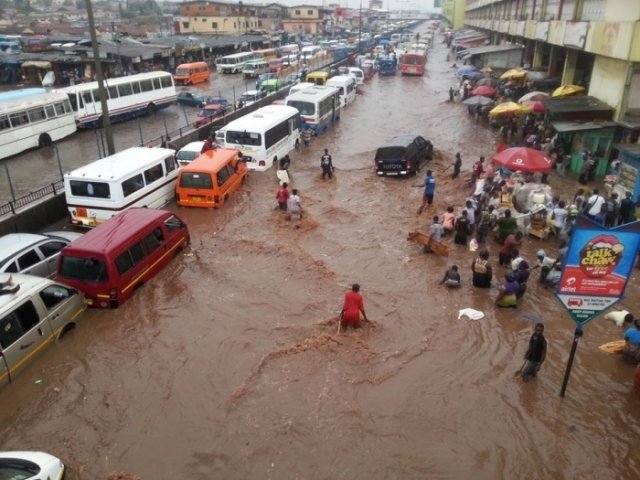
“Once AGAIN, torrential rains have hit the Accra Metropolis, creating heavy floods in various parts that have caused great havoc to lives and property. The team of ministers, the Mayor of Accra, officials of the National Disaster Management Organisation (NADMO) and the security agencies are going round to ascertain the impact” –GNA, 2009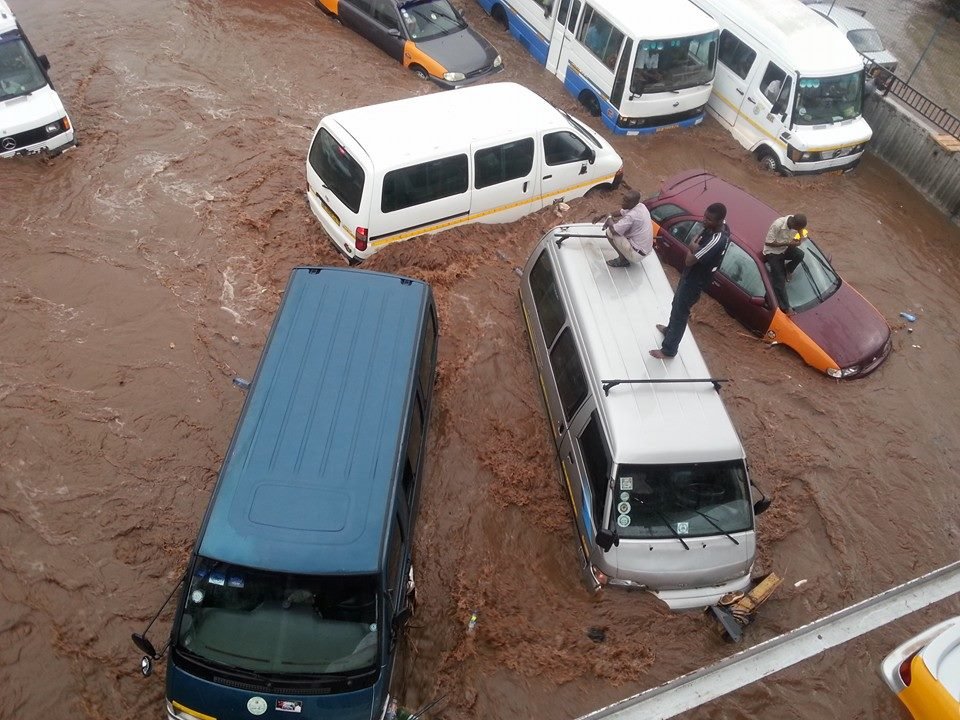
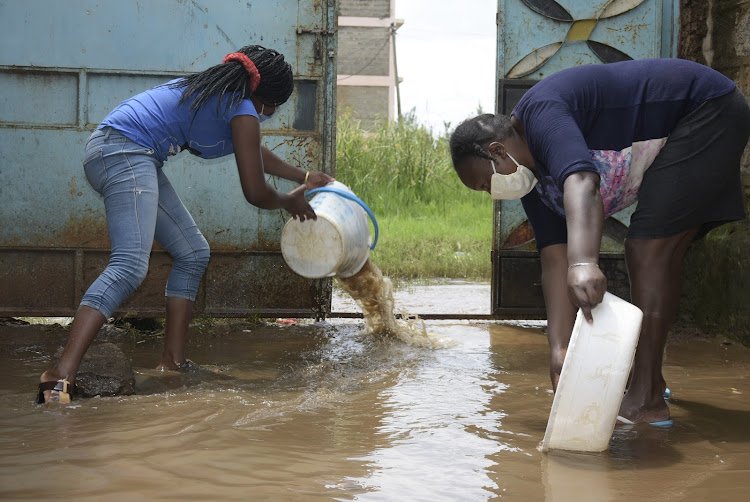
I have highlighted “ONCE AGAIN” for obvious reasons. The scenario above is almost a ritual. As soon as the sun shines consistently, and the land dries up, you can be sure that we will lay down our pens, take off our boots, jump into our budget crippling SUVs, return to discussing “more pressing issues” and pretend it was all just a dream. How many more warnings do we need as a nation before we sit up? Maybe 70 X 7! If God was human he definitely would have been fed up with us by now and that will mean we would have been left to our fate. We are all to blame. NO EXCEPTIONS!
Even die-hard optimists are beginning to show signs of fatigue. I haven’t written about floods in Accra in a while now and I was inspired to reproduce this after reading Emmanuel J. K. Arthur’s Accra is “celebrating” its Annual Flooding Festival and I quote him “traditionally the Festival is celebrated by Accra residents who live in low-lying areas, also known as Flood Prone Areas. It is “celebrated” from March and climaxed in June every year since 1960s. During the period, the sitting Works and Housing Minister and the Regional Minister are joined by District and Municipal Assembly Heads to tour “celebrating areas” to reiterate the commitment of Government to end the perennial flooding…………This year’s “celebration” is on the theme Blaming all for our collective actions.” What else can I add to this masterpiece? We seem to enjoy this and have no plan to “dig” ourselves out of this hole. Maybe we should get rid of a number of our army of ministers and appoint a Flood Prevention Minister.
I hate to have to do this again but once started at least let us remind ourselves of some of the challenges floods cause to our fragile economy.
CAUSES OF FLOODS
- Urbanisation
- Migration of people from the rural areas to the large cities such as Accra and Kumasi has led to an explosion in their population. We have outstripped the already poorly planned facilities available
- The urban poor in the capital of Accra are especially (but everyone feels the pinch) vulnerable to the effects of flooding due to poorly and often illegally built structures, (many across the paths of water bodies) overcrowded living conditions, and inadequate sewage and drainage systems that are often clogged with refuse. Scarcity of land has also forced many people to occupy low lying areas and are prone to floods
- Decreased Capacity of Drainage Channels
- our drains are choked with refuse or are silted up as are our rivers and streams
- Incapacity of Drains and Culverts
- Drains are absent in many places, unfortunately in privileged areas where we may find some semblance of drains, their capacity is woefully inadequate. In some areas open gutters compete for honours as to which of them is able to reclaim the sand/silt skillfully dug out and lined on their edges. Really do we expect nature to find a way of leaving them along the edges of the drains till the rapture? How ridiculously NEGLIGENT can we be as a people. Is someone being paid to take care of these? They had better come out clearly to say they are and have been on STRIKE since they were appointed instead of claiming to be at work and doing absolutely nothing.
- Impact of Climate Change
- Extreme changes in weather are here to stay, so we had better find practical solutions to keep us safe. The rains are erratic, the sea levels are rising above many inhabited land and it’s only a matter of time.
- Human Attitude
- Probably the most important. All the factors listed above are directly linked to our activities. Drains serve as our garbage disposal areas, edges of gutters are ideal for leaving heaps of sand and deforestation and exhaust fumes are adversely impacting our climate. We sow INDISCIPLINE and one of the many things we reap is flooding.
EFFECT OF FLOODING
- Economic Loss
- Destruction of property can be extreme and in many situations it can bring economic activity to its knees. People are busy taking care of their homes, factories are shut because of the havoc caused by the water and several hours to days, weeks, months and even years of economic activity are lost
- Resources that could have been used to develop the country will now be used for reconstruction – what an absolute waste!
- Environmental
- Our already ridiculous traffic situation will graduate to another level totally unheard of. This is caused by damaged roads (if the roads even exist), destroyed bridges and workmen trying hard to intervene.
- Damaged farmlands will bring about economic hardships for our farmers as stored food and farm produce may be destroyed. Certainly these losses will eventually hit the pockets of even those who live many miles away. Can you imagine the strain on our already over-burdened pockets?
- Humans
- Once again, I will separate the number one culprit. Lives are lost (including through drowning) as well as homes, businesses, vehicles and many more
- Diseases
- Floods will always leave a myriad of diseases in its trail, both immediate and long term. Infectious diseases will have a field day and these include; common cold, food poisoning (especially when there is no electric power), cholera, typhoid and hepatitis A. Remember when everything settles, malaria will rear its ugly head.
- The physical and mental impact on our health is often ignored but anyone who has been a victim of the effects of a flood will tell you that they experience; shock, anxiety, fear, sadness, anger and physical symptoms such as headaches and general body pains. It sounds to me as Post Traumatic Stress Disorder, what about you? Your guess is as good as mine; the effects are most devastating in children.
LOOK OUT FOR THESE AFTER A FLOOD
After a flood, it’s time to clean up and put the pieces back together. Life will go on and those paid to address such situations will go back to sleep.
For those of us who have to do the “dirty” work, take note of the following:
- Electrocution – put off power sources.
- Broken bottles, nails and other sharp objects that may injure you.
- Avoid contact with insects and animals (there may be many stray animals with diseases such as rabies)
- Wash your hands thoroughly with soap and water as often as needed and wear protective gloves and other clothing, if possible
- Get rid of all the mud and use disinfectants
STEPS TO AVOID FUTURE FLOODS
I won’t even venture into this terrain again. Let us all FIX our ATTITUDES. That is all it takes; DO THE RIGHT THING wherever you find yourself and maybe just maybe we will be able to look back one day and say Accra would have been flooded by now.
I hope that in my lifetime, I will not have to write again “so long a letter” because we will be on top of our flood avoidance and preparedness programme.
AS ALWAYS LAUGH OFTEN, ENSURE HYGIENE, WALK AND PRAY EVERYDAY AND REMEMBER IT’S A PRICELESS GIFT TO KNOW YOUR NUMBERS (blood sugar, blood pressure, blood cholesterol, BMI)
Dr. Kojo Cobba Essel
Health Essentials Ltd/ Mobissel
(www.healthessentialsgh.com)
*Dr. Essel is a medical doctor, holds an MBA and is ISSA certified in exercise therapy, fitness nutrition and corrective exercise.
Thought for the week – “It does not need one with a high IQ to “guess” that building in the wrong places, building without drains, throwing rubbish in gutters, not having a plan to desilt water bodies or clean out drains will eventually lead to flooding’
References:
- The Holy Bible – Mathew 18:21
2“Impact of floods in Ghana and the way out” – Bentil Asafo-Duho
3. Journal of Water and Health -2009
4. WHO – Flooding and Communicable Diseases
5. Centers for Disease Control and Prevention (USA)
6. Accra is ‘celebrating’ its Annual Flooding Festival – Emmanuel J.K. Arthur
By Dr. Kojo Cobba Essel



Don’t we all dream of a life that is filled with laughter? That may be a reason for chasing big bucks, which like the golden-fleece eludes the majority of us. Financial Wellness is extremely important but there are other factors that make us happy and healthy and eventually wealthy.
You definitely do not need to live in Finland to experience happiness even though many people agree that is the “headquarters” of happiness. The happiness in Finland for instance is based on the provision of basic infrastructure and services, minimal corruption and strong social support among others. These go a long way to minimise anxiety making room for one to enjoy the good things of life.
Then when you live in Sikaman and any of its other cohorts, it is challenging to have those in authority create the environment where you can be happy. That’s why you need to “happy yourself” and the happiness hacks below will help you do just that. Even if you live in Finland, you will gain much more by following these steps.
- Wake-Up Ritual
- Say to yourself that today will be a beautiful day or a great day
- Ask God what He has in store for you. Use me Lord (if not a Christian what you believe in will be useful as well.
- Remind yourself of your purpose in life and get out of bed
- Do not grab your phone as the first thing for the day.
- Pray
- Talking to God has a way of calming our nerves. It brings about unexplained peace and when we add praise and worship then the floodgates open. That is how to win battles against unhappiness.
- Smile
- Definitely floods your body with feel good hormones and insulates you from stress
- Smiling is infectious so the more you smile the better and you set off a smiling OR happiness domino effect.
- Meditate
- Extremely good for your brain and an easy way to start is to do deep-breathing and just focus on your “breath” excluding all others. That is what some will prefer to call mindfulness. Being in the moment has immense benefits. Things you never knew existed suddenly spring up.
- Exercise
- That wonder drug that trumps virtually all others. Like smiling it does pour out feel good hormones. Strength training even goes an extra mile causing our muscles to act as “pharmacies” that pour out life-changing signals every time they contract.
- Be kind to yourself & to others.
- We are often too harsh on ourselves. Give yourself a break. Self-care is the real deal!!
- Being harsh to others has no benefits.
- Spend some time doing nothing
- We need to re-set from time to time. Spend about 10 minutes a day doing absolutely nothing. There is happiness and innovation in “idling”. Do not abuse idling though
- Spend time with loved ones
- This is another powerful happiness “hack”. You have to make time and be intentional about this; talk on phone, send messages, arrange to meet for a drink or meal. Social Wellness ranks very high on the happiness index and it’s fairly easy to plug into it.
- While spending time together remember that your choice of food and drinks also impacts on how happy or sad or anxious you may feel.
- Indulge in a hobby
- Our bodies and brain love variety. Do you have a hobby? Get one
- Write in your gratitude diary
- That is all it takes – keep doing it regularly.
This list is not exhaustive but definitely a good start. Share your happiness hacks with me via email and together we can keep the world smiling and happy.
At the end of each day ask yourself if you did better than the previous day. That is all it takes. Doing better than the previous day for 365 days, for 5 years, 10 years… How amazing that will be!!!
AS ALWAYS LAUGH OFTEN, ENSURE HYGIENE, WALK AND PRAY EVERYDAY AND REMEMBER IT’S A PRICELESS GIFT TO KNOW YOUR NUMBERS (blood sugar, blood pressure, blood cholesterol, BMI)
Dr. Kojo Cobba Essel
Health Essentials Ltd/Medics Clinic
(dressel@healthessentialsgh.com)
*Dr. Essel is a Medical Doctor with a keen interest in Lifestyle Medicine, He holds an MBA and is an ISSA Specialist in Exercise Therapy, Fitness Nutrition and Corrective Exercise. He is the author of the award-winning book, ‘Unravelling The Essentials of Health & Wealth.’
Thought for the week – “There is no magic formula to being happy but making a conscious effort to be happy goes a long way.” – Dr. Kojo Cobba Essel
By Dr. Kojo Cobba Essel
SKIP THE QUEUE, TAP THE NEWS

You can now read the Ghanaian Times and The Spectator newspapers from the comfort of your device via TimesNewsPlus.
Join our WhatsApp Channel: https://whatsapp.com/channel/0029VbBElzjInlqHhl1aTU27

There are thousands of diet plans and some people change them almost as often as they change their underwear. We have fallen in love with pills and injections all in a bid to fast-track the wellness dream. The plastic surgeon’s blade and even prayers have all been called upon to perform miraculous acts. Is there a single path to achieving Wellness or has man found that wonder pill yet?
Is the result of an annual medical examination all that is needed to determine how well one is? Can you have great reviews in the clinic yet feel tired and unhappy? Does wellness obey the all or none law or is it a whole spectrum where majority of us fall within?
Wellness involves at least six (6) areas or pillars that we need to balance since they all work together to make us the best versions of ourselves.
When we fall short in any one of them, it may have consequences in other areas but we don’t need to be perfect in any area; balance is all that is needed. The era of lockdown for instance brought to the fore the importance of Social Wellness; many of us felt isolated when we had to avoid our work colleagues for weeks on end. Even the output of some of us dipped. Oh, you surely are not alone. Even people you detested meeting in the office you now longed to spend time with. Breathe a sigh of relief; that feeling is normal, nothing untoward is happening to you. The majority of us humans are social beings and we blossom when surrounded by family and friends and hugs and handshakes are the norm.
The Six Pillars of Wellness.
- Physical
- Mental
- Social
- Financial
- Digital
- Spiritual
Physical Wellness
Are you taking proper care of your body? Do you exercise, eat right and get your regular medical examinations?
Avoid awkward postures like sitting slouched forwards or bending at the waist to pick an object. Surely you are washing your hands regularly with soap and water. Have you noticed the loud silence from cholera when handwashing was fashionable during the pandemic?
Mental Wellness
The way you think, act or feel falls into this category but it is definitely not an island on its own. Your physical well-being and all the others impact on your mental health.
Time to relax, sleep, manage your time, enjoy nature and be kind to others. These together with deep breathing and laughter, go a long way to keep your mental health in great shape.
Social Wellness
The relationships we have and the way we interact with others. Your mental health, physical health all impact on your relationships. When you exude happiness, people give it right back to you. Build strong relationships; just a few trustworthy people who you can share your challenges with will go a long way to stabilise your mental health and pave the way for all others to flow. When you feel unduly stressed do you have anyone you can speak to before getting professional help? Do not be a loner.
Financial Wellness
How secured is your money? Are we prepared for emergencies in an uncertain future? We need baseline financial security to be able to get all the other pillars working seamlessly. How can you eat well or get medical examinations done with no financial backing? Finances tend to be one of the greatest stressors in life. Do not ignore the need for financial stability, you need it more than you can imagine. Speak to someone who can assist you plan your future TODAY.
Digital Wellness
What measures are you taking that aim at regulating and improving healthy use of technology? If you set virtual meetings, training programmes etc. all day because you are working from home, then when do you get to rest your mind, eyes and back from prolonged sitting among many others? One thing will lead to another. Many of us can hardly unplug. Our phones are on 24/7 and we think sleep is a luxury. NO! Inadequate sleep will open the floodgates to a tonne of health challenges including stress, overeating, alcohol abuse, fatigue and even accidents from fatigue.
Get sleep; it’s a lifeline!
Spiritual Wellness
Are you connected to a greater being who provides us with a sense of purpose, values, principles, morals and beliefs among many others?
If you asked for my opinion, I recommend God. Speak to him daily (prayer) and he will set you on the right path.
In all things do not specialise in one or a few of these pillars of wellness. We should all aim at getting a fair balance in each area and we can be the very best of ourselves. Now do not put unnecessary pressure on yourself; everyone has challenges but taking one step at a time and always remembering that we need different aspects to make life the best that it can be.
AS ALWAYS LAUGH OFTEN, ENSURE HYGIENE, WALK AND PRAY EVERYDAY AND REMEMBER IT’S A PRICELESS GIFT TO KNOW YOUR NUMBERS (blood sugar, blood pressure, blood cholesterol, BMI)
Dr. Kojo Cobba Essel
Health Essentials Ltd/Medics Clinic
(www.healthessentialsgh.com)
*Dr. Essel is a Medical Doctor with a keen interest in Lifestyle Medicine, holds an MBA and is an ISSA Specialist in exercise therapy, fitness nutrition and corrective exercise. He is the author of the award-winning book, ‘Unravelling The Essentisals of Health & Wealth.’
Thought for the week – “Defining health and wellbeing; The World Health Organisation (WHO) defines health as ‘a state of complete physical, mental and social wellbeing and not merely the absence of disease or infirmity’ (WHO, 1948).”
SKIP THE QUEUE, TAP THE NEWS
You can now read the Ghanaian Times and The Spectator newspapers from the comfort of your device via TimesNewsPlus.
Join our WhatsApp Channel: https://whatsapp.com/channel/0029VbBElzjInlqHhl1aTU27