News
Malnutrition disaster to public health — Stakeholder


Ghana’s ongoing malnutrition problem is both a public health concern and a development disaster because it affects child survival, mother health, and birth outcomes,
Although Ghana has made significant strides in addressing malnutrition, but critical challenges persist, and immediate action is needed to address the issue, especially with regard to children under five.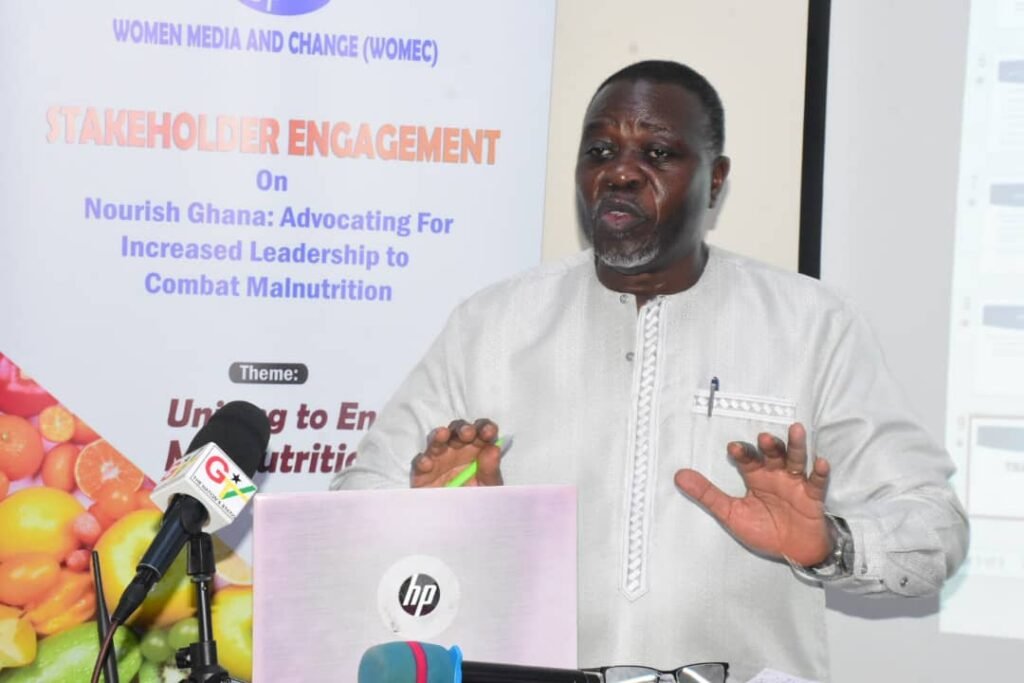
These issues were brought up during a stakeholder discussion on malnutrition in Ghana organised by Women, Media and Change (WOMEC), a Non-Governmental Organisation (NGO) that works to advance gender equality and empower women in partnership with the Coalition of Public Health Actors (CAPHA).
The meeting served as the formal inauguration of the “Nourish Ghana; Advocating for Increased Leadership to Combat Malnutrition Project,” one of WOMEC’s main advocacy efforts. The “Uniting to End Malnutrition” project seeks to increase public awareness of Ghana’s urgent malnutrition problem and its effects on development and health.
The gathering included local stakeholders, the media, civil society organisations (CSOs), and policymakers.
The Executive Director of WOMEC, Dr Mrs Charity Binka, stated in her speech that malnutrition costs Ghana about 6.4 per cent of its GDP annually and that, despite pledges, they were insufficient because the country was still struggling with malnutrition.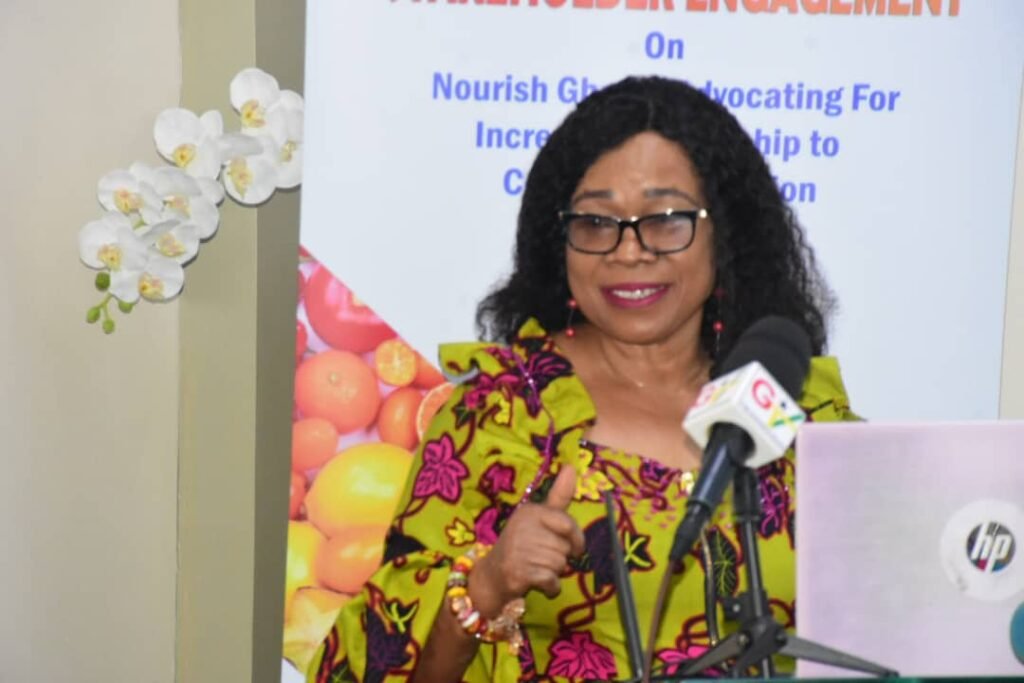
She pointed out that despite continuous attempts, little has been accomplished, with inadequate government funding for nutrition programmes and enduring regional imbalances.
Dr Mrs Binka disclosed that new statistics from the 2022 Ghana Demographic Health Survey (GDHS) shows that nearly half of children under five suffer from anaemia, with 18 per cent of them being stunted, 6 per cent wasted, and 12 per cent underweight.
According to her, the statistics demonstrated the urgency with which the problem must be resolved, failing it will have an impact on the productivity and well-being of future generations. She also argued for more financing, responsibility, and leadership in order to boost national policy action on nutrition.
In a statement by Nii-Odoi Odotei, the Principal Planning Analyst of the National Development Planning Commission (NDPC), malnutrition jeopardises Ghana’s future by preventing sustainable growth and causing large financial losses.
“The coexistence of undernutrition, micronutrient deficiencies, and obesity among the same populations, homes, and people is indicative of the nation’s complicated nutrition landscape,” he said.
Furthermore, Dr Odotei emphasised the urgent need for a coordinated and multi-stakeholder approach that will stand as a tangible step forward in leveraging the knowledge and dedication of the government, civil society, academia, and private sector, stating that the Nourish Ghana initiative “is a timely and strategic response to our nations pressing nutrition challenges.”
He reaffirmed NDPC’s commitment to supporting laws that guarantee more funding, leadership, and transparent accountability in nutrition programmes.
Scaling up Nutrition (SUN), nutritionist, Mrs Wilhelmina Okwabi, lamented that some pregnant women do not eat healthily, which has an impact on their unborn children because a mother who is undernourished gives birth to a child who is also undernourished.
In order to address the problem of malnutrition, she suggested that CSOs must educate women in their communities.
Professor Richmond Nii Okai Aryeetey, Director of the Food and Nutrition Intelligent System (FANIS), at the University of Ghana, said it is critical to update existing work on nutrition rather than repeat it.
He recommended that the private sector take a proactive role in the fight against malnutrition.
By Georgina Quaittoo

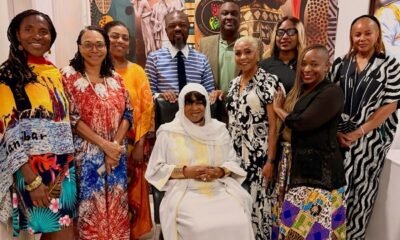




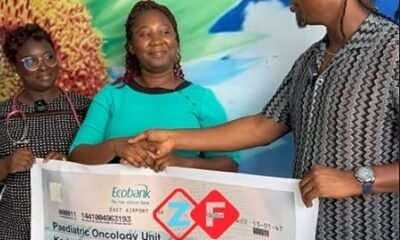


The Diaspora Affairs Office at the Office of the President has hosted a delegation of African diaspora women who are in Ghana ahead of a planned Presidential Conferment of Citizenship ceremony.
The Director of Diaspora Affairs, Kofi Okyere Darko, explained in a Facebook post that the visit was a gesture of appreciation by the delegation to the Government of Ghana for its continued efforts to reconnect Africans in the diaspora with their ancestral homeland.
He indicated that the ceremony, scheduled for next Monday, will officially grant Ghanaian citizenship to members of the delegation as part of the country’s broader engagement with the African diaspora.
The delegation was led by Erica Bennett, Founder of the Diaspora Africa Forum.
According to Mr Okyere Darko, her years of advocacy have played an important role in strengthening ties between Africa and people of African descent living abroad.
He noted that the group’s journey towards citizenship represents not only a legal process but also a cultural and spiritual return to their roots.
Also present at the meeting was Natalie Jackson, an attorney who is also expected to receive Ghanaian citizenship during the ceremony. She works closely with renowned civil rights lawyer Ben Crump.
Mr Okyere Darko emphasised that Ghana remains committed to strengthening relationships with the African diaspora and promoting unity, identity, and shared heritage among people of African descent worldwide.
By: Jacob Aggrey

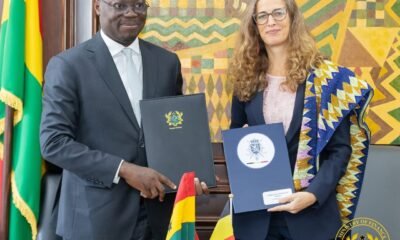
Ghana has signed a debt restructuring agreement with the Kingdom of Belgium as part of efforts to restore the country’s economic stability after the financial crisis that hit the nation in 2022 and 2023.
The Minister of Finance, Cassiel Ato Forson, today disclosed that he signed the agreement on behalf of the Government of Ghana.
He explained that Ghana experienced a very difficult period during the crisis, which forced the government at the time to declare a debt default.
However, he indicated that the country is now recovering and witnessing a significant economic turnaround.
According to him, stronger systems are also being put in place to ensure that Ghana does not return to such a situation again.
Dr Forson noted that the agreement with Belgium is the eighth deal Ghana has concluded with countries under the Official Creditor Committee as part of its external debt restructuring programme.
He expressed appreciation to the Government of Belgium for its support and partnership with Ghana during the process.
The Finance Minister thanked Carole van Eyll, Ambassador of Belgium to Ghana, for her role in strengthening relations between the two countries.
The agreement forms part of Ghana’s broader effort to restructure its external debts and stabilise the economy following the crisis.
By: Jacob Aggrey