News
Make ‘Education for All’ a reality …stakeholders urged


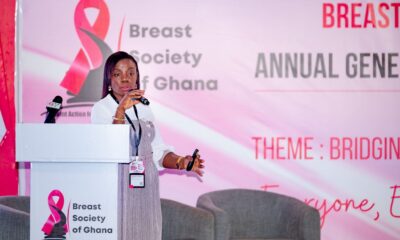
• Mrs. Mina Tweneboah-Kodua (inset) delivering her speech
Stakeholders like the central government, the Ministry of Education, the assemblies, faith-based organisations, chiefs, teachers and parents must be deeply involved in the making of inclusive education a reality in Ghana.
Particularly, they must be deeply involved in ensuring that every child in the country learns the critical foundational skills to guarantee the provision of education for all.
Mr. Douglas Kanlow Baare, chairman of the Conference of Heads of Basic Schools in the Western Region, made the call at the maiden Conference of Headteachers of Basic Schools (COHBS) at the Effia-Kwesimintsim Municipality (EKMA) in Takoradi.
The conference was under the theme, “Education for All: The Role of Stakeholders—The COHBS Factor.”
He explained that ‘Education for All’ was an international initiative launched in 1990 to bring the benefits of education to every citizen in every society, and so a broad coalition of national governments, civil society groups, and development partners such as UNESCO and the World Bank Group are committed to achieving six specific education goals.
Mr. Baare said expanding and improving early childhood care and education, especially for the most vulnerable and disadvantaged children, would ensure that by 2015 all children, particularly girls in difficult circumstances and those belonging to ethnic minorities, would have access to and could complete education, including free compulsory primary education of good quality, among others.
He said in 2000, 189 countries and the development partners adopted the two Education for All (EFA) goals that aligned with the Millennium Development Goals (MDGs) 2 and 3, which referred to universal primary education and gender parity.
Mr. Baare said despite the efforts made by various nations on EFA goals, an estimated 250 million children around the world were unable to read and write even after spending three or more years at school, adding that “in 2012, 58 million children were out of school; half of this number came from conflict affected countries.”
“Education liberates the intellect, unlocks the imagination, and is essential for self-respect, so as Chief Executive Officers (CEOs), make your schools enviable,” he told the teachers.
Mr. Baare said education was the key to prosperity and opened a world of opportunities, making it possible for each one to contribute to a progressive, wealthy society that would benefit every human being.
Mrs. Mina Tweneboah-Kodua, chairperson of EKMA COHBS, said because basic school teachers were the primary implementers of basic education in the country, their roles were crucial in the direction in which the nation’s education was being driven by giving the young ones guidance and mentorship, nurturing them to higher hopes, and inspiring them to become relevant to society and resourceful citizens to contribute to the national developmental agenda.
She said COHBS were faced with so many challenges in their operations, which included poor infrastructure, head teachers’ responsibility allowances, the absence of teaching and learning materials, the neglect of the government to include JHS pupils in the School Feeding Programme, security of schools culminating in the theft of schools’ properties, and the undue delay in releasing capitation grants, among others.
Mrs. Tweneboah-Kodua said despite all these short comings, EKMA Basic Schools have been winners of Basic BrainQuiz on Connect FM, winners of GIFEC Computer Awards for Girls in ICT, sponsors of the Directorate in all forms, and winners in the Regional Reading Contest for Primary Schools, to mention just a few.
The Metro Director of Education, Mrs. Sally Nelly Coleman, urged the head teachers to work hard to achieve their goals since they were major stakeholders in the education sector.
She advised them never to break their front but to remain united even in the midst of the many challenges they went through because with unity of purpose they would progress steadily.
Mr. Clement Afrane, Chairman of the Metro COHBS, stated that one of the major challenges was filling out reports, which required information and communication technology (ICT), and that if you were not knowledgeable in ICT, it would be difficult.
He appealed for head teachers to avail themselves of the study of ICT to upgrade themselves.
He said the directorate should try to recruit more males into the head teacher position because the ratio of women to men was too vast to be compared.
The chairman of the conference, EKMA Director of Education, Mrs. Catherine Andoh Biney, told the head teachers to step up and put in more effort to prepare these young ones to become future responsible leaders of Ghana.
From Peter Gbambila, Effiakuma

The Ghana Health Service (GHS) will undertake a nationwide Human Papillomavirus (HPV) vaccination exercise in schools from October to December 2026 to protect eligible girls against cervical cancer and other HPV related diseases.
The exercise, organised in collaboration with the Ghana Education Service (GES) and its partners through the School Health Education Programme (SHEP), will be conducted in two rounds.
The first round is scheduled for October 19 to 23, 2026, while the second will take place from November 30 to December 4, 2026.
In a press release dated October 19, the GHS explained that health workers would visit schools across the country to vaccinate eligible girls aged 9 to 14 who have not yet received the HPV vaccine.
The exercise forms part of efforts to raise awareness about the routine HPV vaccine, increase vaccination uptake and strengthen the country’s routine immunisation programme.
The GHS has called on school authorities, parents, guardians, teachers and community leaders to cooperate with health teams to ensure the successful implementation of the exercise.
The Service reaffirmed its commitment to protecting the health and well-being of Ghanaians, particularly children, through vaccination and other public health interventions.
By: Jacob Aggrey
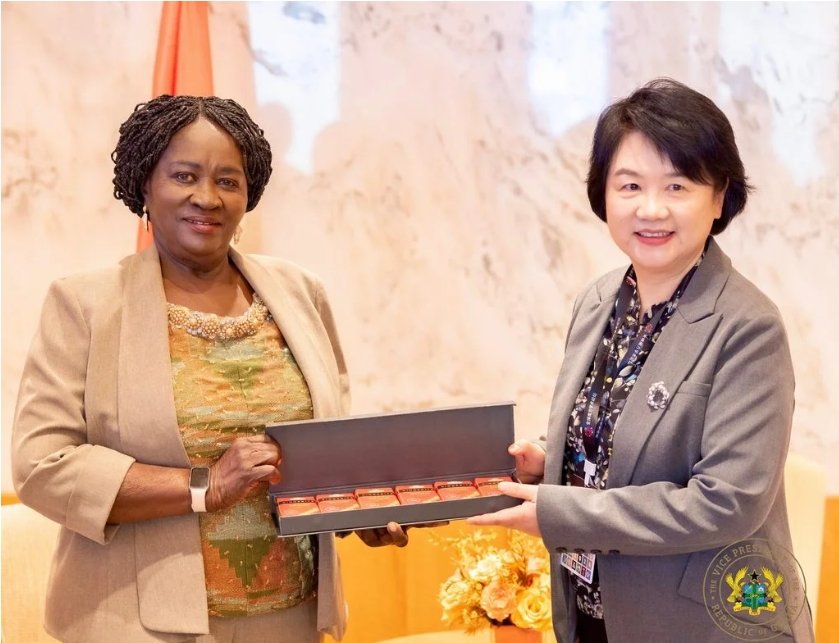
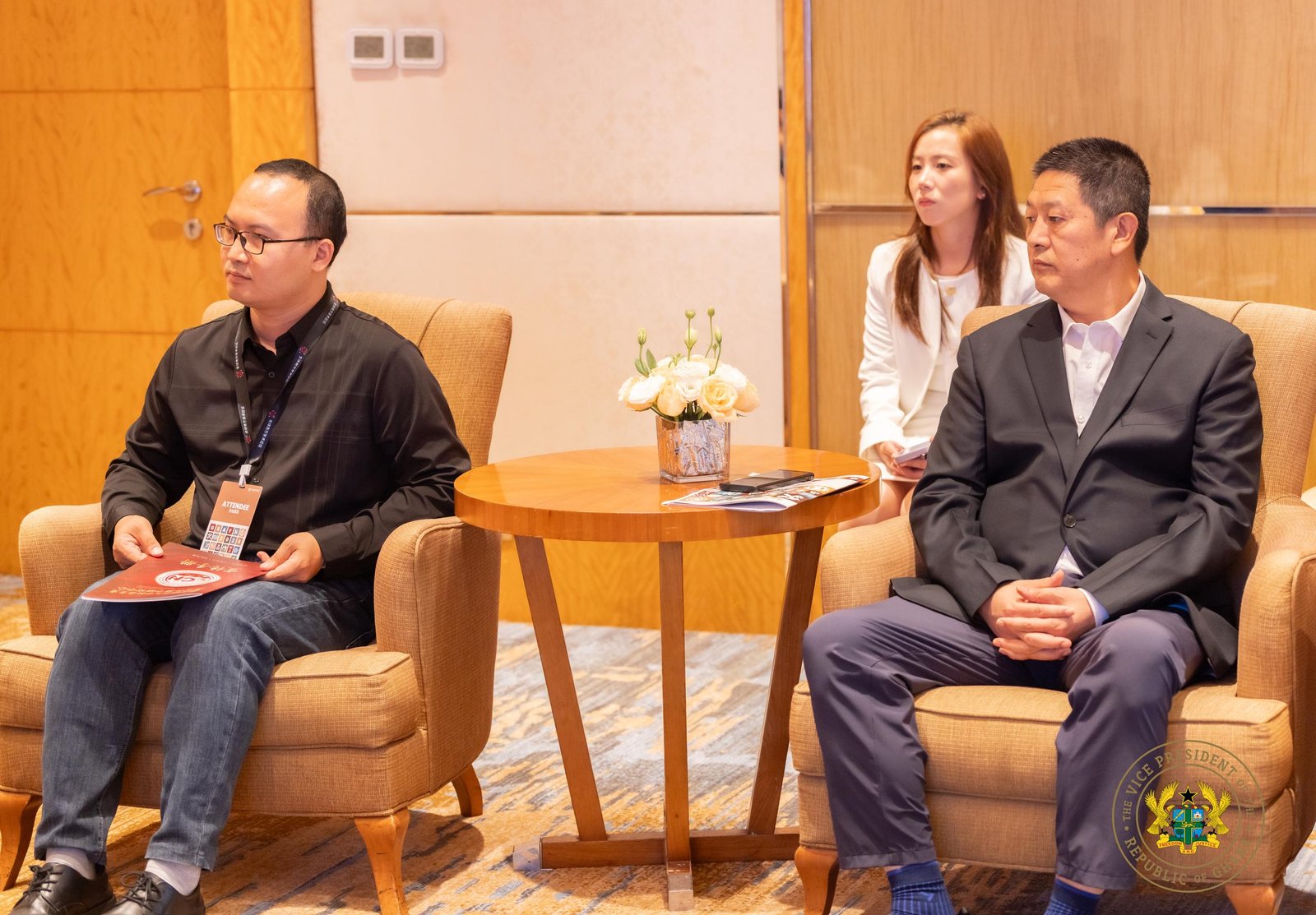
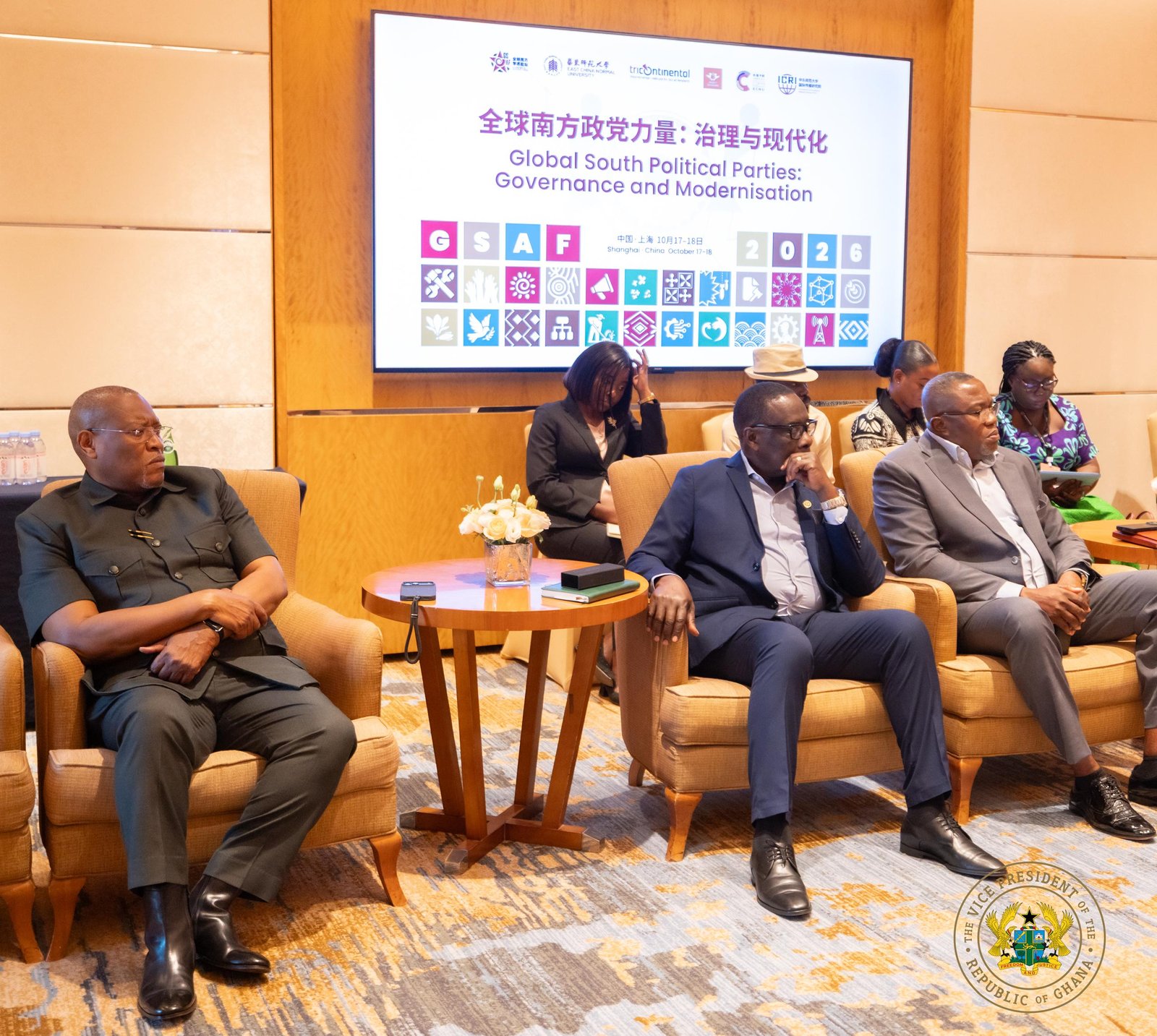
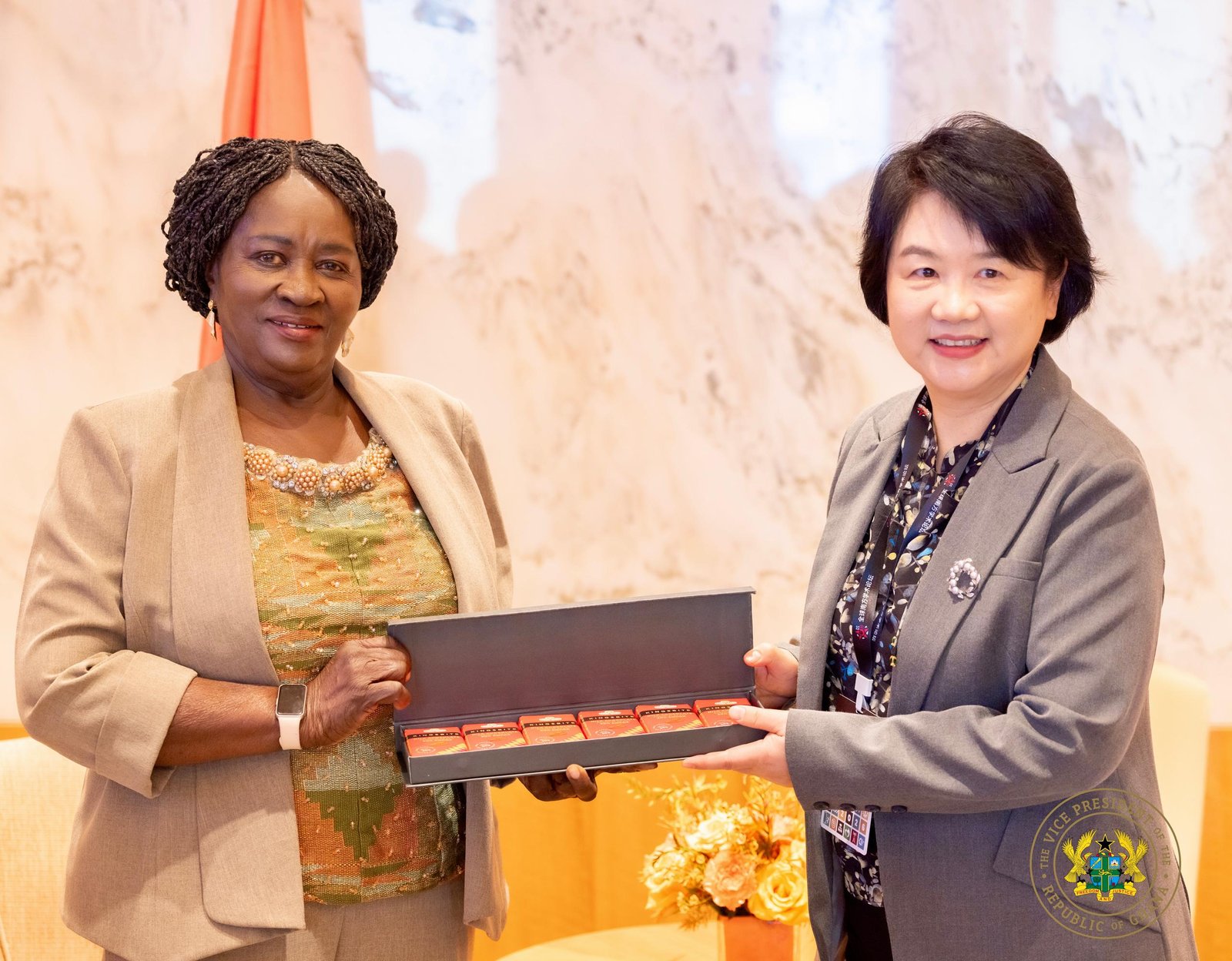
Vice President Professor Jane Naana Opoku-Agyemang has held high-level discussions with organisers of the 2026 Global South Academic Forum in Shanghai, seeking to draw lessons from China’s acclaimed rural revitalisation and poverty reduction drive.
The meeting, led by the Forum Chair, Professor Lu Xinyu, explored practical areas of cooperation and knowledge exchange between Ghana and China, with focus on community-driven development, fisheries and aquaculture, local governance, sports initiatives, and infrastructure development.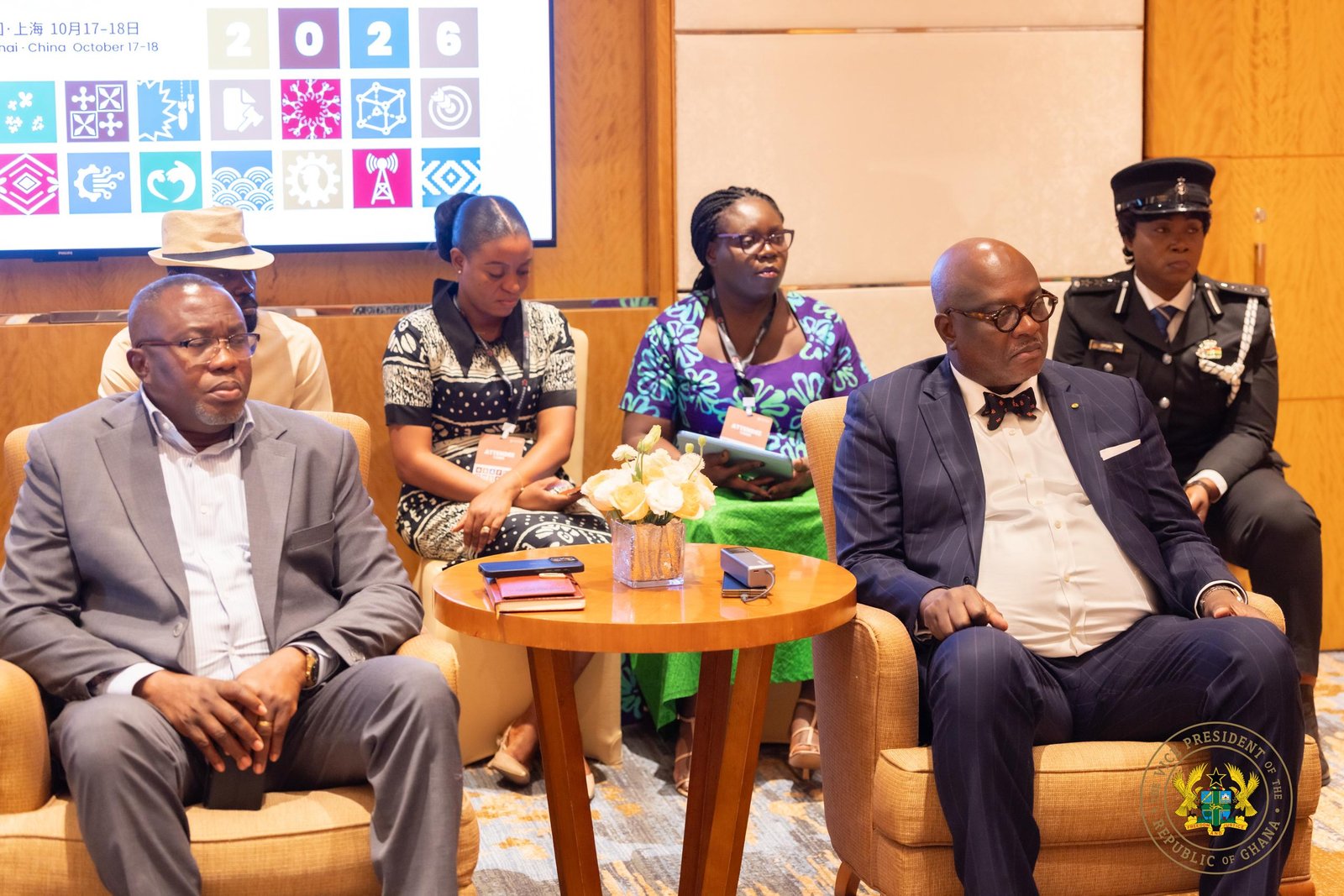
According to officials, the engagement is part of a broader effort by the Ghanaian government to study tested development models that can be adapted to the local context to promote inclusive growth, empower local communities, and improve livelihoods across the country.
China’s success in lifting over 800 million people out of poverty through targeted rural policies, investment in agriculture and local infrastructure has become a global reference point for developing nations.
The Vice President’s team says insights from the Forum will help inform policy direction, particularly in strengthening decentralised governance, boosting the fisheries and aquaculture sector, and investing in community-level infrastructure and youth sports development.
Professor Opoku-Agyemang is expected to continue engagements with academic and development institutions while in China.
By Edem Mensah-Tsotorme