News
Low COVID-19 mortality in Africa has no correlation with hot climate – UG don

- /home/u249204778/domains/spectator.com.gh/public_html/wp-content/plugins/mvp-social-buttons/mvp-social-buttons.php on line 27
https://spectator.com.gh/wp-content/uploads/2023/06/Prof-Gordon-Awandare-2nd-left-being-congratulated-by-some-of-his-colleagues.jpg&description=Low COVID-19 mortality in Africa has no correlation with hot climate – UG don', 'pinterestShare', 'width=750,height=350'); return false;" title="Pin This Post">
- Share
- Tweet /home/u249204778/domains/spectator.com.gh/public_html/wp-content/plugins/mvp-social-buttons/mvp-social-buttons.php on line 72
https://spectator.com.gh/wp-content/uploads/2023/06/Prof-Gordon-Awandare-2nd-left-being-congratulated-by-some-of-his-colleagues.jpg&description=Low COVID-19 mortality in Africa has no correlation with hot climate – UG don', 'pinterestShare', 'width=750,height=350'); return false;" title="Pin This Post">
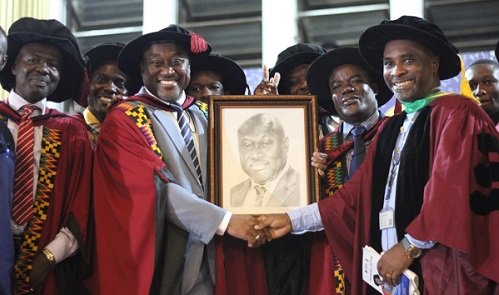
Prof Gordon Awandare (2nd left) being congratulated by some of his colleagues
The Pro-Vice Chancellor of the University of Ghana in-charge of Students and Academic Affairs, Prof Gordon Awandare, has said that the relatively low COVID-19 mortality recorded in Africa, has nothing to do with the hot climate in Africa, as some people suggested.
Making reference to a research conducted by his team, he observed that the rate of COVID-19 infections among Ghanaians was less, due to frequent exposure to malaria fight from childhood.
Professor Awandare was speaking during his inaugural lecture at the University of Ghana, last Thursday, on the topic: “How our Immune System Acquired Tolerance to Malaria and Helped us Survive COVID-19.”
According to him, the immune system of Ghanaians became tolerant to malaria parasites thereby “protecting them from the severity of the pandemic.”
He again stated that patients, who were infected with malaria parasites but showed no symptoms, had the capability of tolerating malaria parasites.
“Such people are asymptomatic patients and most of them live in malaria endemic areas thus their tolerance for the parasites intrigued my team and I,” he added.
He further noted that children and persons who hadn’t been exposed to malaria before were likely to have severe symptoms of malaria such as headache and little bit of fatigue.
This was also backed by a study he had undertaken in three key areas namely Kintampo, Navrongo and Accra on the differences in transmission rates within the country.
His study observed that despite having “lower parasite levels,” children in Accra were prone to higher fever than those at Kintampo who had huge parasite level.
Professor Awandare, who is also the Founding Director of the West Africa Centre for Cell Biology of Infectious Pathogens (WACCBIP), said that COVID-19 showed that African scientists were competent as their counterparts abroad, saying “this is because here at WACCBIP, we were able to sequence and test the virus as others did, thus understanding the virus.”
Professor Awandare stressed the need for the country to position itself towards developing vaccines locally instead of relying on foreign donors, and tasked Ghanaians to continue to support institutions like WACCBIP in order to train more scientists and build capacity.
Vice Chancellor of the University, Professor Nana Aba Appiah Amfo, also underscored that diverse significant roles played by several units of the university during the pandemic, contributed to understanding the pathogens, biology and disease mechanism to generate knowledge for the development of diagnostics, vaccines and drugs.
The inaugral lecture formed part of an exhibition of scholarly works by the renowned professor at the Balme Library, which had begun on Monday.
By Yunusah Essandoh


Over 20 structures built within the 50-metre buffer zone of the Kpeshie Lagoon at the Laboma Beach Resort in the La Dade-Kotopon Municipality were on Sunday demolished by the Greater Accra Regional Coordinating Council (GARCC).
Buildings such as single-unit semi-detached under construction and completed chalets at the resort were pulled down while portions of a newly constructed perimeter wall were also demolished. Read More
SKIP THE QUEUE, TAP THE NEWS
You can now read the Ghanaian Times and The Spectator newspapers from the comfort of your device via TimesNewsPlus.
Join our WhatsApp Channel: https://whatsapp.com/channel/0029VbBElzjInlqHhl1aTU27
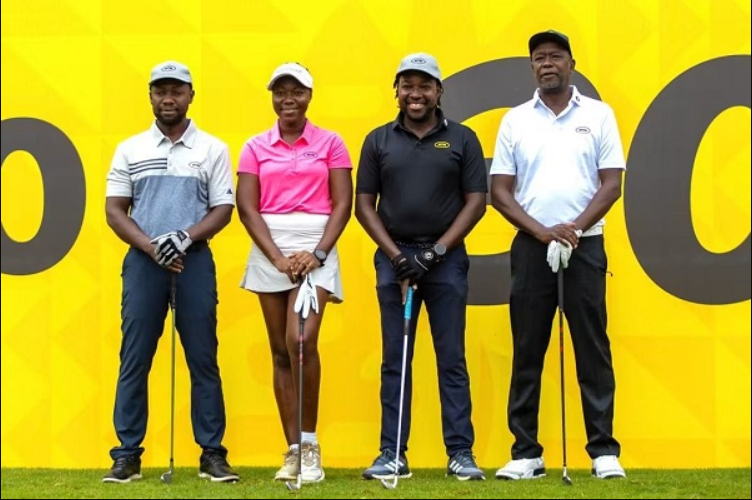
About 120 golfers from clubs across Ghana participated in an 18-hole competition, dubbed ‘MTN 30th Anniversary CEO Invitational Golf Tournament’ held at the Achimota Golf Club on Saturday.
At the end of the hectic day, Frederick Semenu Duvor won the Men’s Group A event with 39 points, while Julienne Afi claimed the Ladies’ Group A title with the same score.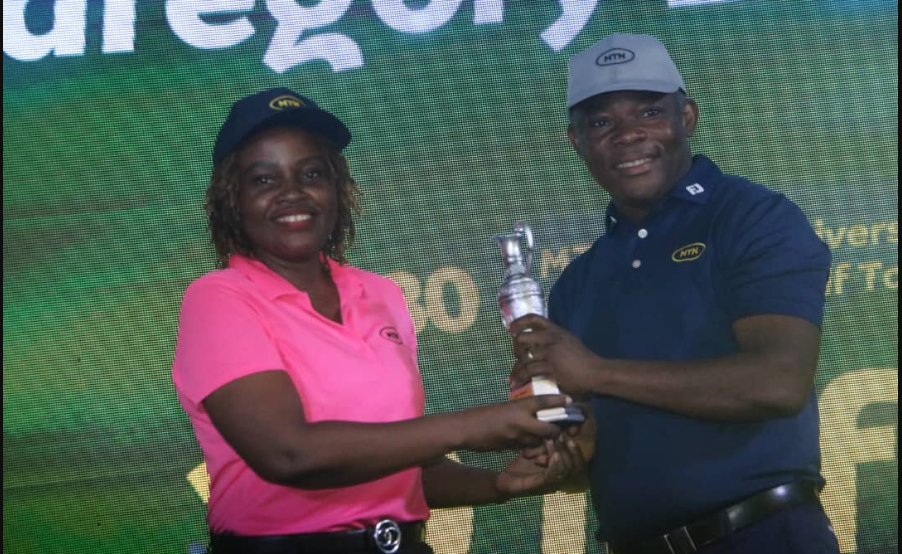
Yaw Mireku Jnr. won the Men’s Group B with an impressive 45 points, while Kous Louanges Mang took the Ladies’ Group B title with 38 points.
Kofi Mangesi won Men’s Group C with 40 points while Elorm R. Akuash Bonney claimed the Ladies’ version with 42 points.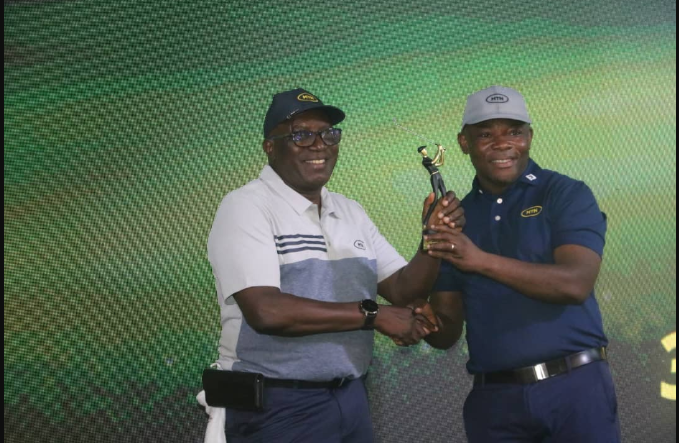
In the Seniors Division, Jan Vogel emerged winner of the men’s category with 39 gross, while Helen Appah topped the ladies’ category with 44 gross.
Addressing participants, the company’s Board Chairman, Mr Ishmael Yamson, urged the company to approach its next phase with the same resilience, discipline and determination that have defined its success over the past three decades.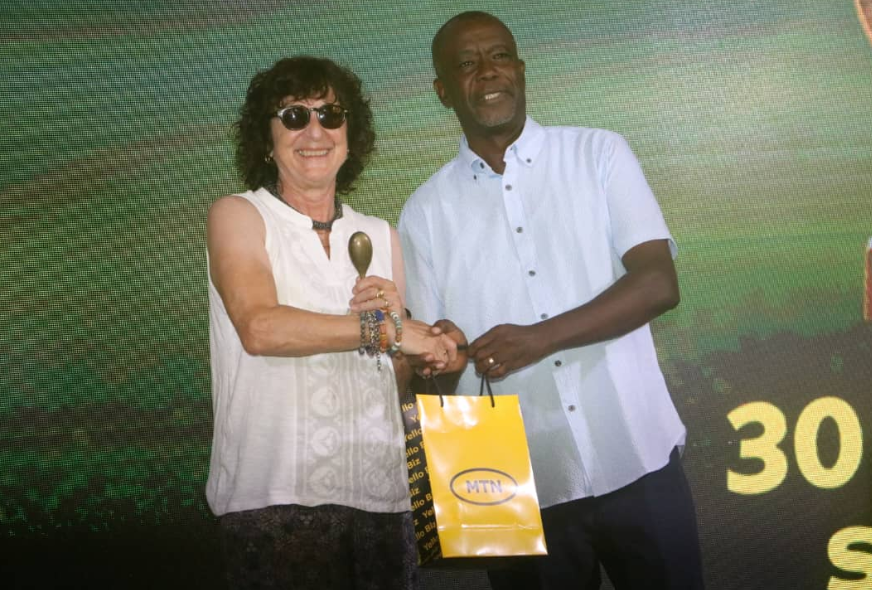
He drew a striking parallel between the game of golf and MTN Ghana’s three-decade journey, describing both as long games in which success depends less on one spectacular moment than on consistency, patience, judgment and the ability to recover from setbacks.
He said, golf had taught him a lesson that extended far beyond the fairways, thus, a round cannot be won on the first hole.
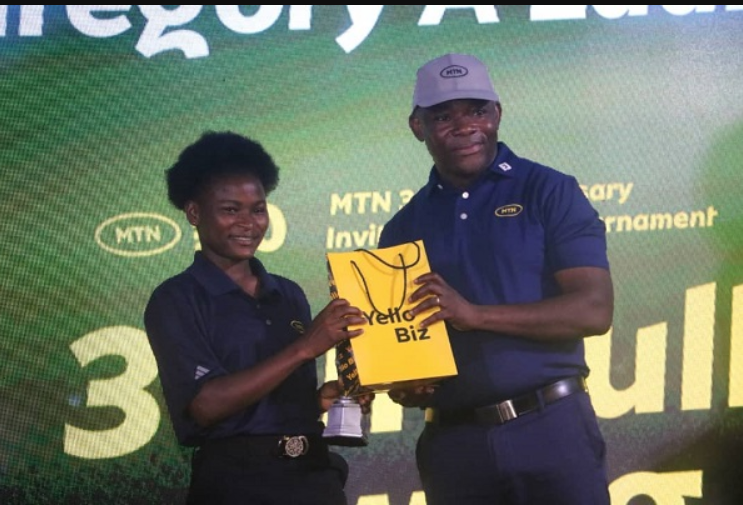
In golfing terms, he said, MTN Ghana had encountered its share of regulatory bunkers, competitive hazards and unexpected storms that had forced the company to pause, reassess and change its approach.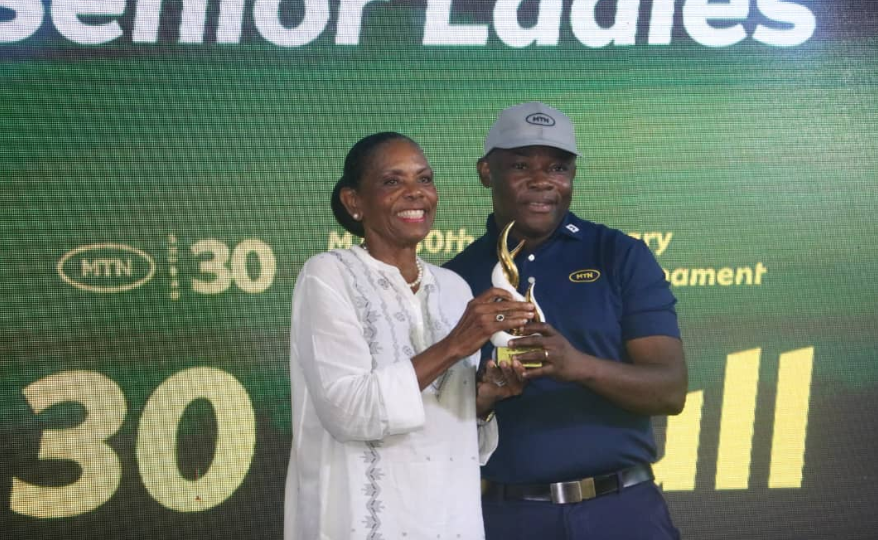
But those challenges, he suggested, were part of the journey rather than reasons to abandon it.
By Andrew Nortey
SKIP THE QUEUE, TAP THE NEWS
You can now read the Ghanaian Times and The Spectator newspapers from the comfort of your device via TimesNewsPlus.
Join our WhatsApp Channel: https://whatsapp.com/channel/0029VbBElzjInlqHhl1aTU27

 Entertainment1 week ago
Fiifi Coleman Productions adapt ‘I Told You So’ stage play into feature film
- News6 days ago
48 Engineer Regiment to be major sub-contractor on Accra-Kumasi Expressway, $2bn ready- Prez Mahama
- News1 week ago
Ghanaian journalist celebrates Texas town’s ‘Eden of the Far West’ tag after mayor’s nod