News
Let’s avert shortage of anti-retroviral drugs

Until the outbreak of the coronavirus pandemic late last year, HIV/AIDS was regarded as the world’s worst epidemic humanity had ever faced.
Many countries and its citizens endured devastating long-term socio-economic and personal impacts and in some cases the disease became a major obstacle to development.
AIDS is caused by HIV, a retrovirus that attacks the immune system. The virus destroys CD4+ T cells, a type of white blood cell that is vital to fighting off infection.
AIDS is treated with antiretroviral drugs. These drugs suppress HIV but do not completely eliminate the virus from the body.
Health experts were alarmed initially because of its devastating effect on human beings and said then that, the “exceptionalism” of the disease required “exceptionalism” in the response.
So, the then UN General Assembly meeting on HIV/AIDS in New York, on September 22, 2003, WHO Director General Jong-Wook Lee, requested that the disease be treated as a global health emergency and called for implementation of free HIV/AIDS treatment in resource-poor settings.
“Given the nature of the AIDS epidemic, providing free treatment should be imperative even if it cannot be applied to all diseases or all in need,” he said
Since then, anti-retroviral agents remained the cornerstone of HIV treatment and prevention and all HIV-infected individuals with detectable plasma virus presently receive treatment with recommended initial regimens.
Today, there have been substantial advances in the use of antiretroviral drugs (ARVs) for the treatment, progression as well as prevention of HIV infection disease.
So, globally, people are living longer with anti-retroviral drugs medications which help the body fight off life threatening infections.
However, with the outbreak of COVID-19, it appears the world’s attention is now focussed on the ensuing pandemic to the neglect of other diseases.
Consequently, many countries including Ghana are facing shortage of Anti-Retroviral Drugs (ARVs) for the treatment of Persons Living with HIV (PLHIVs), according to Health and Development Non-Governmental Organiations in Ghana.
According to them, out of a target population of 193,901 PLHIVs who were supposed to be put on the ARVs treatment, only 173,000 were currently benefiting from the treatment due to the non availability of the drugs at designated health facilities across the country.
The spokesperson of the group, Mrs Cecelia Senoo, said “70,000 packs of the ARVs which were expected to be procured by government with delivery in December last year, have still not arrived. “
Without adequate access to their life saving medicines, she said, PLHIVs risk developing drug resistance that could also lead to potential deaths.
Mrs Senoo described the situation as dire and advised the government to take urgent steps to avert a looming disaster.
We must state clearly that we acknowledge the challenges facing the government in the midst of COVID-19 and the competing demands facing the nation. We as well cannot fail to recognise the obstacles to effective health care in the country.
However, we add our voice to the call for urgent and adequate supply ARVs to provide treatment to PLHIVs to assist them to gain greater access to, remain adherent to, and avoid instability in treatment regimens.
We also urge that the country avert at all times shortage of the ARVs in order not to jeopardise the treatment programme of the nation.


![Mrs Georgina Quaittoo [third from right] pose with some members of the Association Photos Okai Elizabeth.](https://spectator.com.gh/wp-content/uploads/2026/03/Mrs-Georgina-Quaittoo-third-from-right-pose-with-some-members-of-the-Association-Photos-Okai-Elizabeth.jpg)
THE Times Ladies Association, a group consisting of female staff of the New Times Corporation (NTC), on Monday commemorated this year’s International Women’s Day with a call on women to empower themselves through education, unity and healthy living to contribute meaningfully to national development.
The event, held at the NTC’s boardroom, was attended by management members and staff of the corporation and was to celebrate the achievements of women and reflect on their role in society.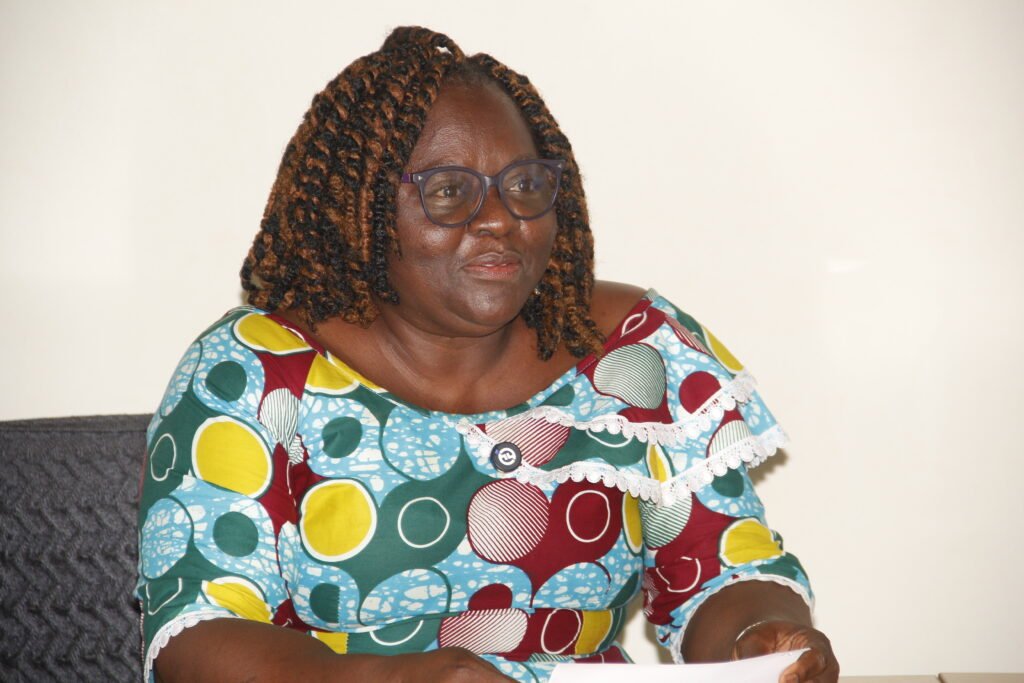
In her address, the President of the association, Mrs Georgina N.M Quaittoo, said the global celebration, marked annually on March 8, recognised the economic, political and social achievements of women while raising awareness about gender equality.
Although the international celebration fell on Sunday, she explained that the association decided to mark the occasion on March 9 to enable members to participate fully and commemorate the day in their own way.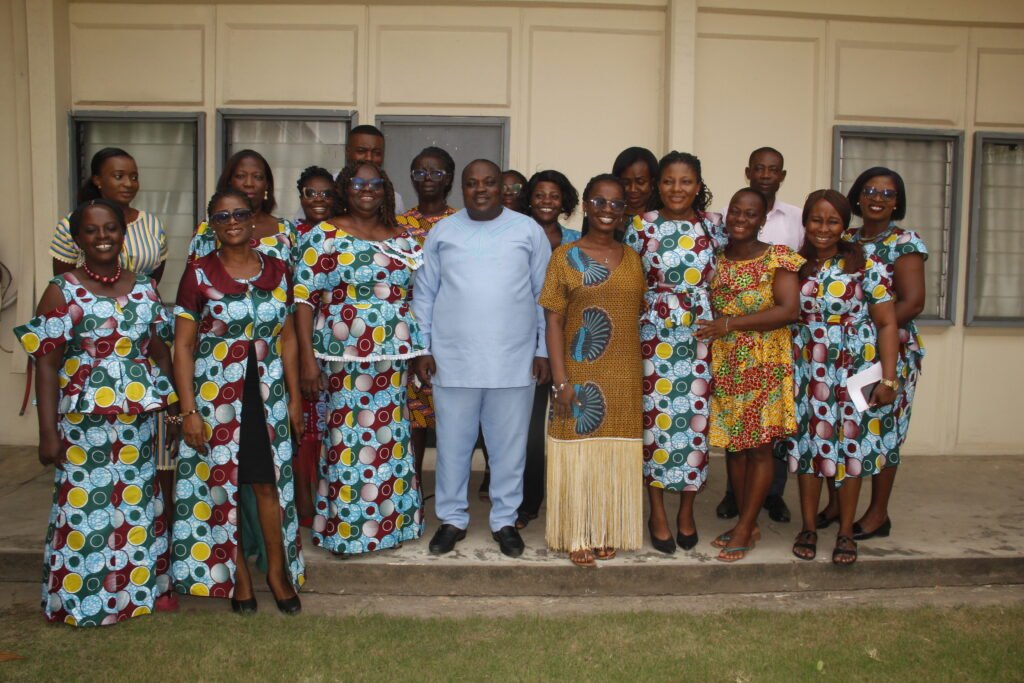
Speaking on this year’s theme: ‘Rights. Justice. Action. For All Women and Girls,’ and the global campaign theme: ‘Give to Gain,’ she the association had over the years worked tirelessly to support the growth and progress of the corporation despite the challenges they faced.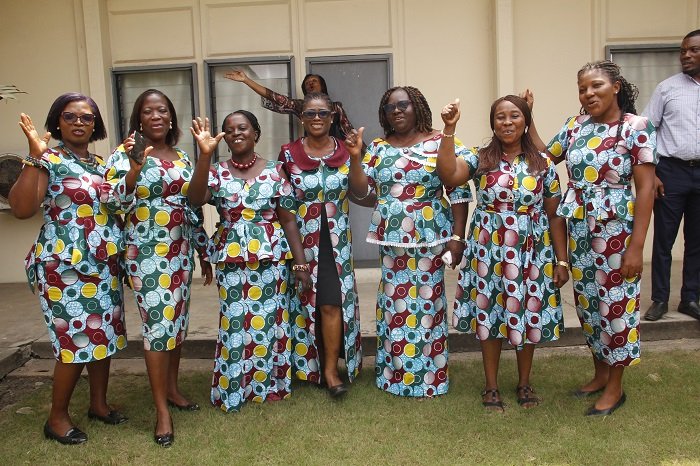
Urged members to commit themselves to deeper service to humanity and the advancement of women. She said women were unique, resilient and invaluable to society, stating that they deserved respect, appreciation, kindness and love for the vital roles they played in families, workplaces and communities.
According to her, members of the President, who is also the Editor of The Spectator newspaper, encouraged members to empower themselves academically and take advantage of opportunities to improve their lives and careers.
She also urged them to maintain healthy lifestyles by going for regular medical check-ups, exercise regularly, get enough rest and support one another.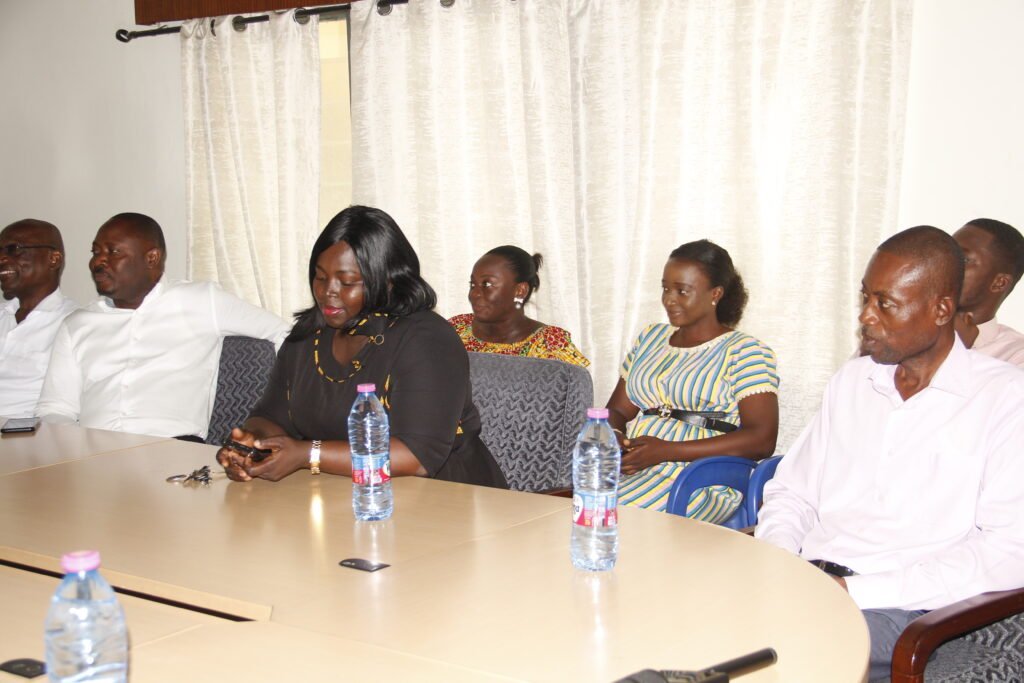
Moreover, she advised members to accept leadership positions when given the opportunity and to exhibit qualities such as hard work, confidence, patience, compassion and responsibility in both their homes and workplaces.
Contributing, the Chanel Marketing and Circulation Manager, Mr Alfred Koomson, said women played critical roles in society and deserved to be supported and appreciated.
He urged men to recognise that they were often vulnerable species without the care, support and contributions of women in their lives.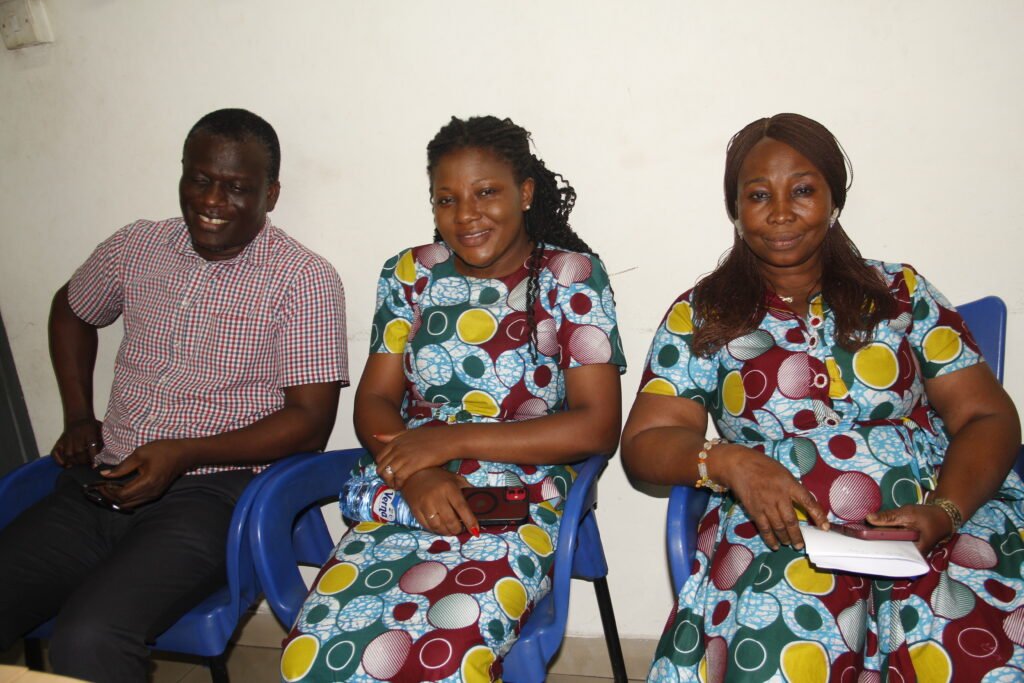
He, therefore, commended women for the invaluable roles they play as mothers, caregivers, professionals and leaders, stressing that society would be incomplete without them.
By Esinam Jemima Kuatsinu
Join our WhatsApp Channel now!
https://whatsapp.com/channel/0029VbBElzjInlqHhl1aTU27


GHANA celebrated her 69th Independence Anniversary last Friday with colourful parades across all 16 regions of the country.
This year’s theme: ‘Reflect, Review, Reset,’ emphasised the importance of reflecting on the nation’s journey, assessing its current state, and planning for a brighter future.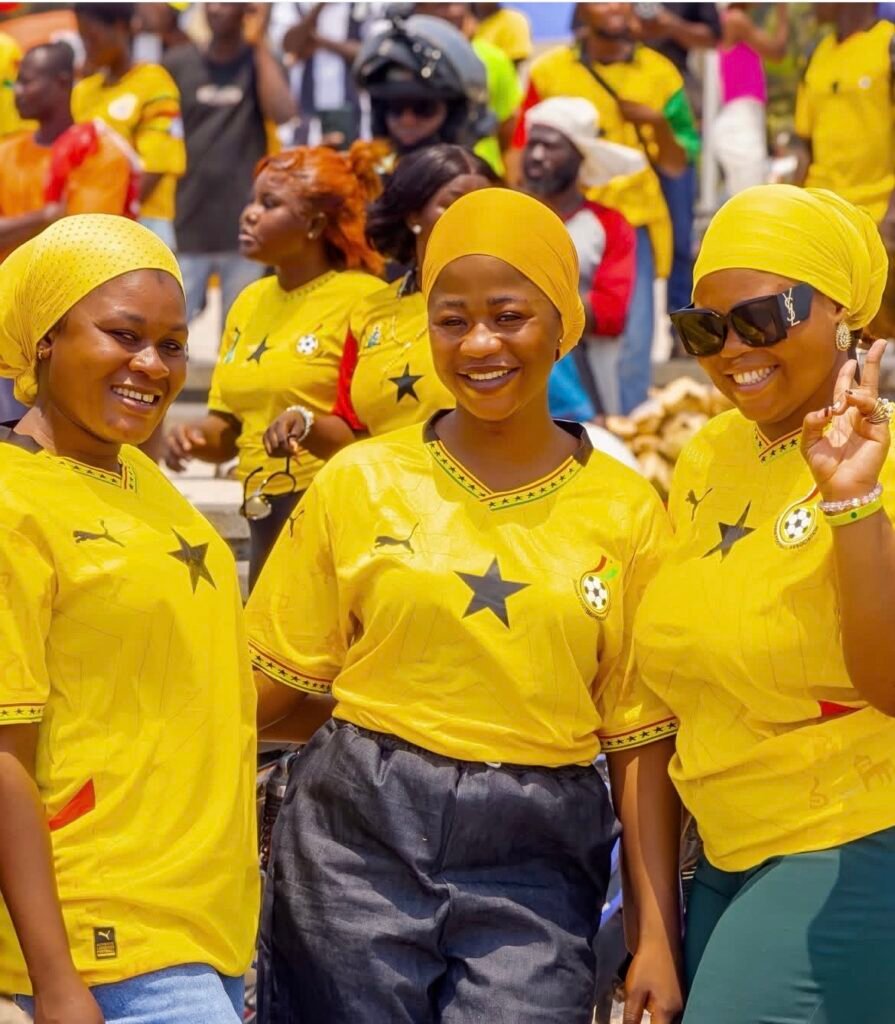
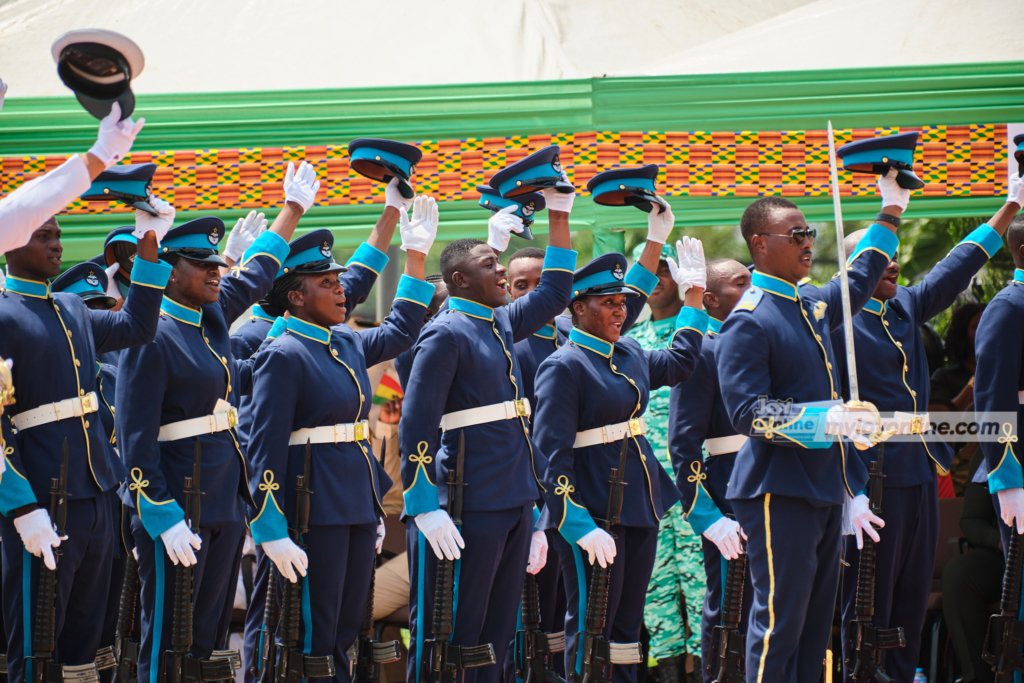
At the Jubilee House, dignitaries present were President John Mahama, Vice President Prof. Naana Jane Opoku-Agyemang, former Presidents, Akufo-Addo and John Agyekum Kufuor, behalf of the President, former President of Tanzania, and other distinguished guests.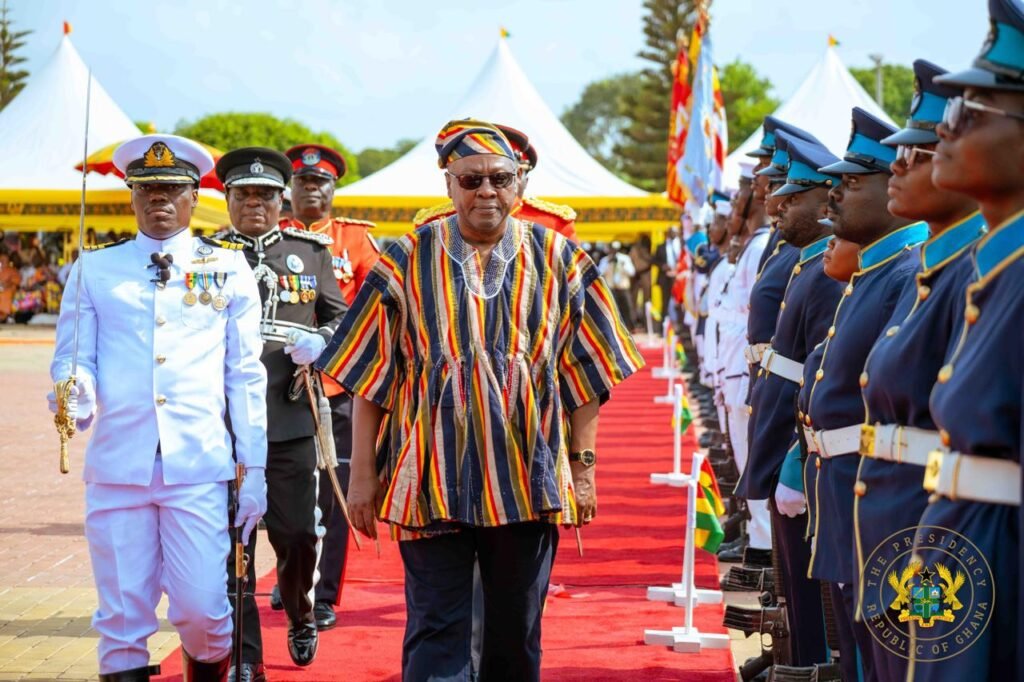
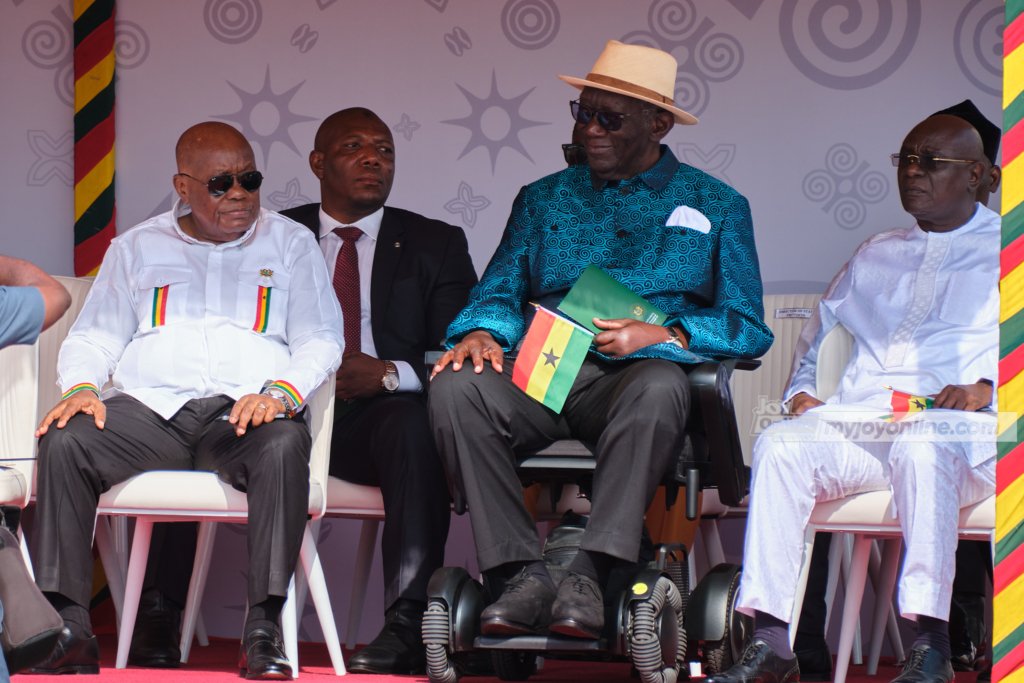
The President, John Dramani Mahama, addressed the nation at the seat of government whiles Metropolitan, Municipal and District Chief Executives addressed their various assemblies on.

As part of the celebrations, school children paraded and displayed their marching skills whiles others performed cultural and other social activities to mark the day across the regions.