News
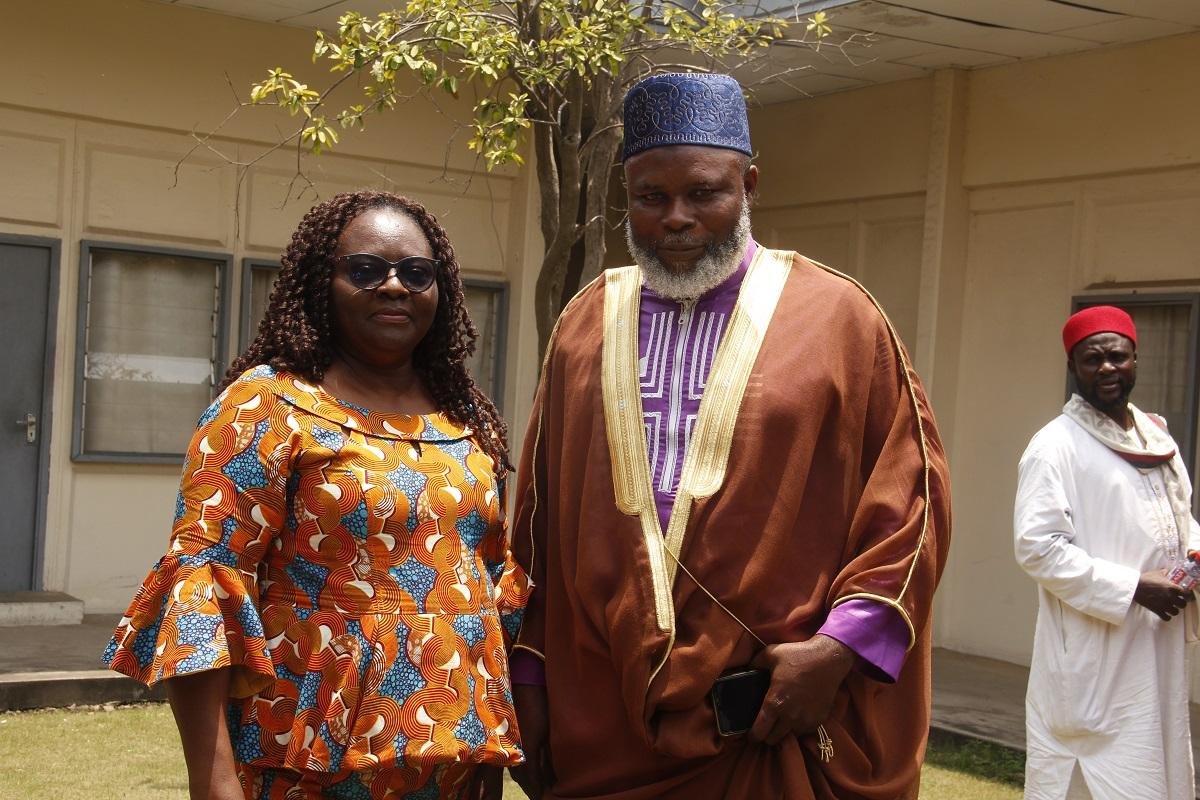
Kpone Katamanso Imams call on The Spectator, Ghanaian Times Editors

- /home/u249204778/domains/spectator.com.gh/public_html/wp-content/plugins/mvp-social-buttons/mvp-social-buttons.php on line 27
https://spectator.com.gh/wp-content/uploads/2025/08/MG_9418-1000x600.jpg&description=Kpone Katamanso Imams call on The Spectator, Ghanaian Times Editors', 'pinterestShare', 'width=750,height=350'); return false;" title="Pin This Post">
- Share
- Tweet /home/u249204778/domains/spectator.com.gh/public_html/wp-content/plugins/mvp-social-buttons/mvp-social-buttons.php on line 72
https://spectator.com.gh/wp-content/uploads/2025/08/MG_9418-1000x600.jpg&description=Kpone Katamanso Imams call on The Spectator, Ghanaian Times Editors', 'pinterestShare', 'width=750,height=350'); return false;" title="Pin This Post">
Leaders of the Muslim community in the Kpone- Katamanso Metropolitan area on Wednesday called on the editors of the state-owned newspapers, The Ghanaian Times and The Spectator, and called for stronger collaboration to deal with some of the societal issues that confront them.
The visit was to first of all introduce the Muslim clerics in the area and also ensure a fair representation of Muslims’ perspectives on national discourse.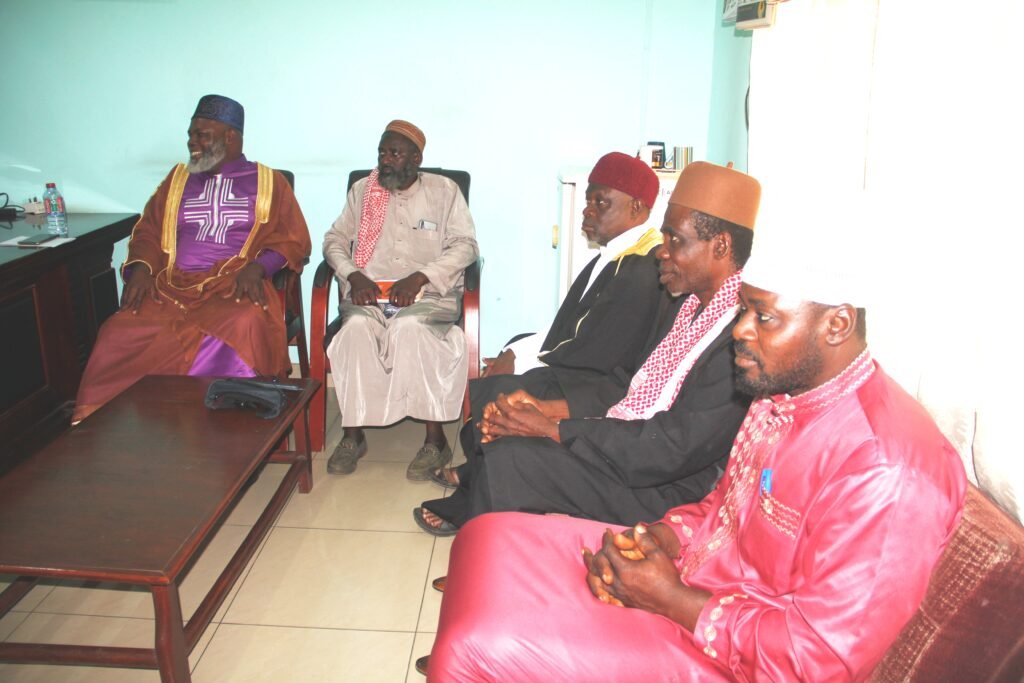
Both parties discussed issues of content balance, community development, and partnership opportunities.
The delegation, led by the Metropolitan Imam, Alhaji Saeed Abdulai, said the Muslim community in Kpone Katamanso alone estimated to be over 620,000, well-structured and plays an active role in both civic and religious life.
He disclosed that the community has been divided into 18 zones, each led by a zonal Imam, with the Municipal Imam serving as the head.

“We have a constitution, and we work closely with the assembly, central government, and traditional authorities. Our presence is strong, and we want the media to reflect that,” the Imam stated.
Alhaji Abdulai further stressed that the Muslim leadership in Kpone Katamanso operates in a democratic and accountable manner, mirroring Ghana’s own political system.
He also stated that zonal Imams were eligible to rise to the position of municipal Imam, and the leadership regularly engages with government, civil society, and traditional leaders to promote peace and development.
Recently, the Municipal Imam received a certificate of recognition from a local chief during a youth gathering, a testament to the cordial relationship between Muslims and traditional authorities in the area.
“Our community is disciplined, organised, and proactive. We believe the media should showcase these positive stories instead of leaving gaps that are usually filled by stereotypes or misinformation,” he added.
Quoting a verse from the Qur’an, one of the leaders reminded us that all humans were created from a single source and must, therefore, treat each other as brothers and sisters, irrespective of religion.
On her part, the Editor of The Spectator, Mrs Georgina Naa Maku Quaittoo, welcomed the initiative and expressed readiness to collaborate with the Muslim community.
She indicated that the papers remain committed to inclusiveness and community development.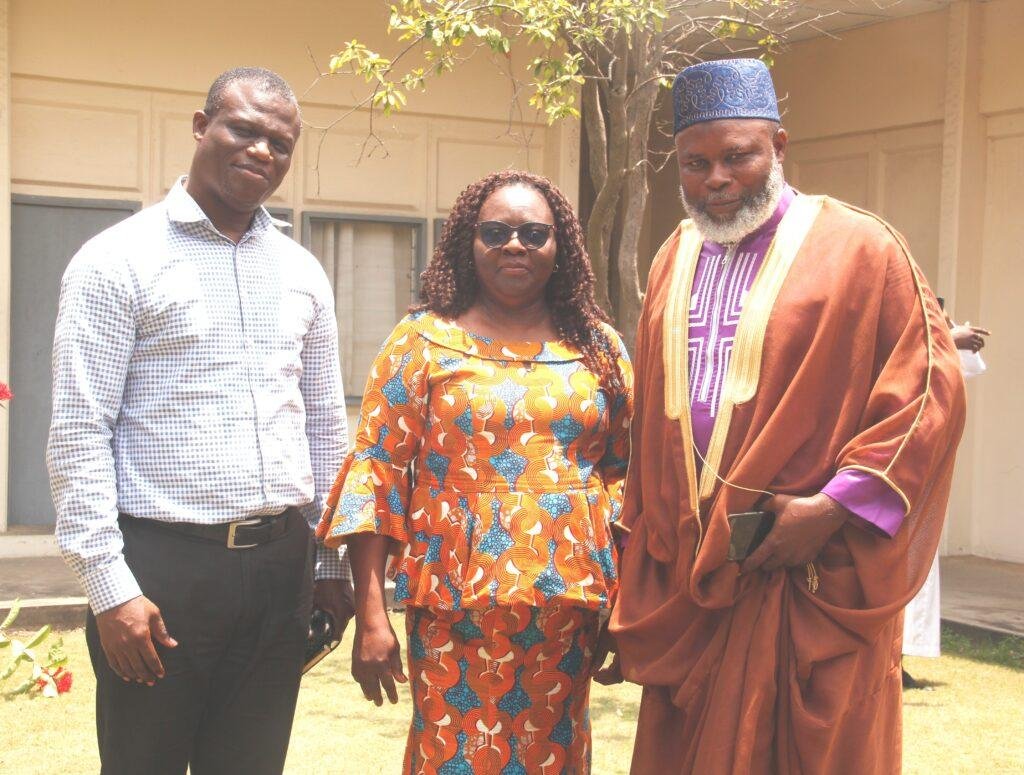
The Editor of The Ghanaian Times Alhaji Salifu Abdul-Rahman, expressed concern about the growing influence of social media in shaping public opinion, warning that many online platforms often spread misinformation about religion.
“Social media is full of half-truths. We prefer the credibility of the established press. If issues are reported by The Times or Spectator, they carry weight,” he said.
Practical partnership ideas were also discussed, including establishing newspaper stands in Muslim-dominated communities such as Ashaiman, Nima, and Madina, to create space for regular opinion pieces by Muslim scholars. “If our readers in these communities know their voices are represented in the pages of The Times or Spectator, it builds both trust and readership,” the editor added.
Both sides agreed to continue the dialogue and build a long-term partnership that would give voice to Muslims while also strengthening interfaith understanding.
The Muslim leaders pledged to provide regular articles for publication, while the newspapers assured them of space to promote peace, inclusion, and national development.
They pledged to contribute accurate and insightful content on Muslim perspectives, festivals, and social development efforts, so that the wider Ghanaian public would gain a more balanced understanding of the faith.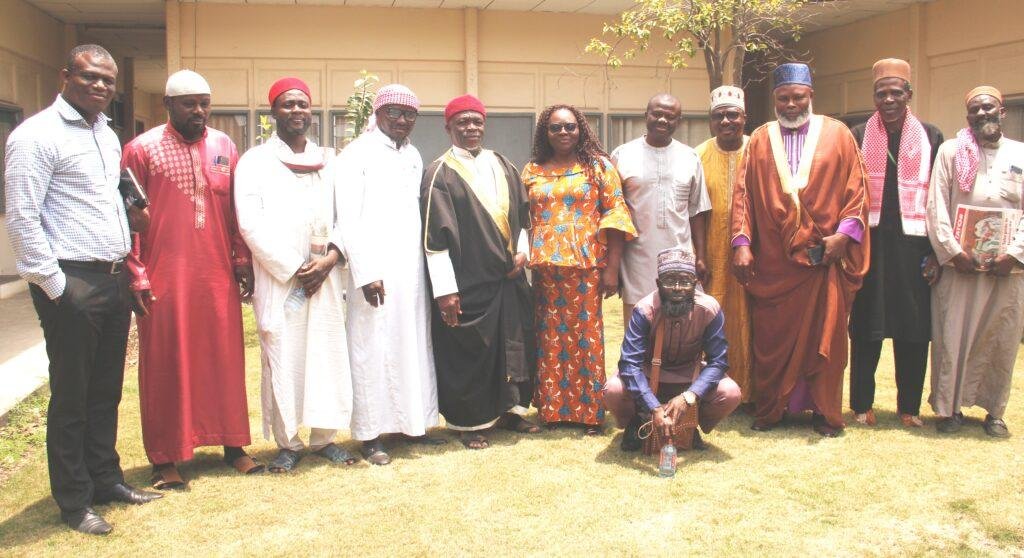
The delegation included imams from various communities within the Kpone Katamanso Metropolitan Assembly.
They included Mustapha Abdul Wahaab, Appolonia, Mohammed Rufai, Peaceland, Mohammed Aminu Masud, Washington and Sa-id Mukhtar Abubakar, New Zealand.
The rest Shafiu Jibril, Washington, Salih Usman, Chief, Washington, Salis Abubakar, Zenu and Soalihu Mohammed Awal, Kpone-Bawaleshie.
By Esinam Jemima Kuatsinu





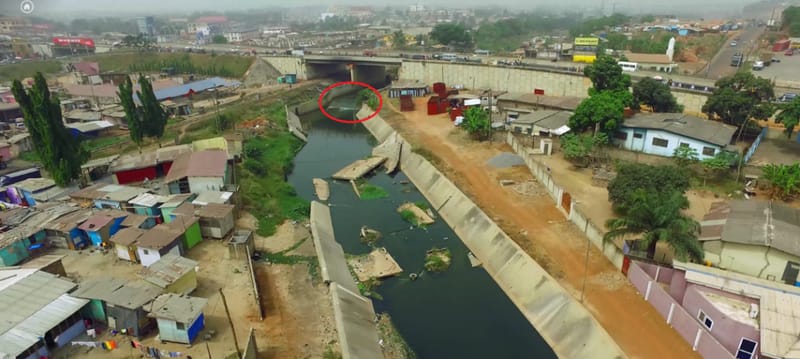
Construction of a major underground stormwater drain along the Dr. Busia Highway within the Kaneshie enclave will commence on September 7, 2026.
The Project Coordinator for the Greater Accra Resilient and Integrated Development (GARID) Project, Dr. Kwadwo Ohene Sarfo, announced this at a special media briefing on Wednesday.
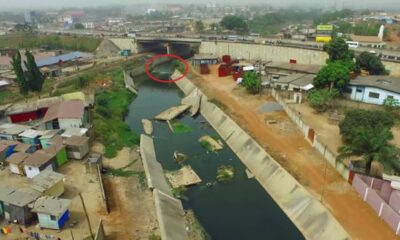
According to him, the works will involve the construction of a double-cell underground rectangular drain measuring approximately 10 metres wide and 1.95 kilometres long, stretching from Pamprom Junction to First Light Junction.
The new drain will replace the existing two 1.2-metre diameter pipes, which are inadequate to carry the volume of stormwater in the area.
Dr. Sarfo said the drain will connect at one end to the recently completed section within the Accra Academy campus and at the other end to the existing drain at Pamprom Junction.
He said the construction is expected to run from September 2026 to October 2027.
The project forms part of government’s broader flood prevention and mitigation programme aimed at addressing perennial flooding in Accra.
By Edem Mensah-Tsotorme
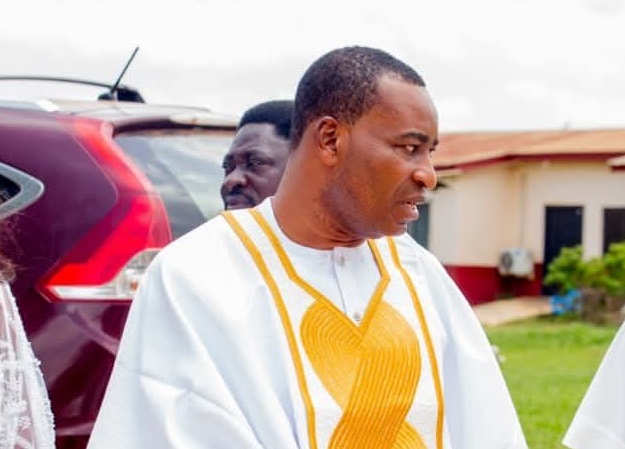
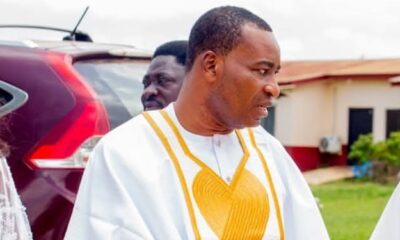
The former Ashanti Regional Chairman of the New Patriotic Party (NPP), Bernard Antwi Boasiako, popularly known as Chairman Wontumi, has withdrawn from the party’s National Chairmanship race.
In a statement issued yesterday, Chairman Wontumi who is currently serving a 20-year jail term said his decision was driven by his love for the party and his unwillingness to let his personal circumstances distract the NPP from its rebuilding efforts.
“There are moments in the life of a man when the heart wants to continue, but duty demands sacrifice. Moments when one must quietly set aside personal ambition, not because the dream has died, but because the family he loves must not be made to carry his burden. Today, I find myself at such a painful moment,” he wrote.
He disclosed that after many nights of prayer, sober reflection and consultations with his family, legal team, party elders, campaign team and trusted supporters, he concluded that his present situation must not become an additional burden on the NPP.
“This is not the decision my heart desired, but sometimes, true love requires us to release what we deeply want in order to protect what we love even more,” he added.
Recounting his years of service, Chairman Wontumi said he had served the party with everything within him, walking through heat and rain, travelling to remote communities and standing with the grassroots in both victory and defeat.
“For many years, I have served the NPP with everything within me… The NPP is not merely a political party to me. It is my family. It is my home. It is a cause to which I have dedicated a significant part of my life,” he stated.
He explained that the party, already carrying the pain of electoral defeat and the huge responsibility of preparing for the future, should not be made to carry his personal weight.
“That is why I cannot allow my present situation or personal ambition to distract the party from the difficult work of rebuilding. I cannot ask the party to carry my weight when it is already carrying the pain of defeat and the enormous responsibility of preparing for the battle ahead. I would rather carry this pain quietly than allow the party I love to suffer because of me,” he said.
He further sympathized with his supporters across the 16 regions, acknowledging that the decision would be painful for many who had sacrificed for his campaign.
“To my teeming supporters across all sixteen regions, I know this message will hurt. I know many of you will read it with tears in your eyes because I understand the sacrifices you have made for this journey,” he said.
By Edem Mensah-Tsotorme