Features
Japanese secret to long life

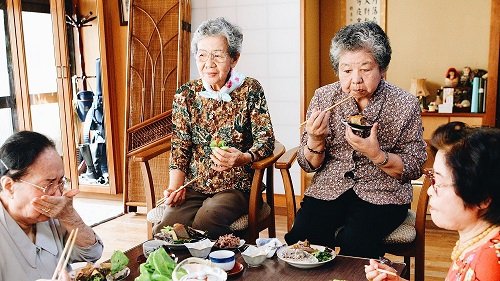
• Simple but quality diet is the secret to Japanese longevity
Tanaka Kane is one of humanity’s great outliers. On January 2, 2021, she became the third person ever to turn 118, according to the Gerontology Research Group, a team of academics. She is the first citizen of Japan to reach 118—but is unlikely to be the last. The country has the world’s longest life expectancy, and 80,000 centenarians.
Mrs Tanaka is an outlier for another reason too. She claims to love chocolate and fizzy drinks, setting her apart from most of her compatriots. Japan has long had one of the lowest sugar-consumption rates in the Organisation for Economic Co-operation and Development (OECD), a club of mainly wealthy countries.
DIET
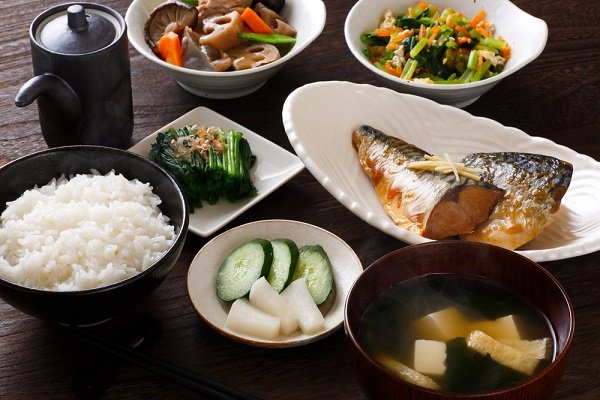
The unusual longevity enjoyed in Japan is often credited to diet. Yet the idea that the country has extended lifespan by entirely avoiding the West’s sinful culinary delights may be too simple. In fact, recent studies imply that one key to its success may be that its people’s diets have shifted over time towards Western eating patterns.
Japan was not always a longevity champion. In 1970 its age-adjusted mortality rates were average for the OECD. Although its levels of cancer and heart disease were relatively low, it had the OECD’s highest frequency of cerebrovascular deaths, caused by blood failing to reach the brain.
CEREBROVASCULAR MORTALITY
In 1970-90, however, Japan’s cerebrovascular mortality rate fell towards the OECD average. With world-beating numbers on heart disease and fewer strokes, Japan soared up the longevity league table.
How did Japan overcome its cerebrovascular woes? Some of its gains simply mirror better treatments and reductions in blood pressure around the world, Thomas Truelsen of the University of Copenhagen has noted.
LITTLE MEAT & DAIRY
However, another cause may be diets. Japan largely banned meat for 1,200 years, and still consumes relatively little meat and dairy. Too much of these can be damaging, since they contain saturated fatty acids, which correlate to heart disease. Studies have also tied eating lots of processed red meat to a greater risk of stroke.
But too little may be unwise as well, because they provide cholesterol that may be needed for blood-vessel walls. In a study of 48,000 Britons, vegetarians were unusually resistant to heart disease, but prone to strokes.
REDUCTION IN STROKES
In theory, a dearth of animal-based food could have contributed to Japan’s historical cerebrovascular mortality. In 1960-2013, as the country’s deaths from strokes tumbled, its annual meat intake rose from near zero to 52kg per person (45 per cent of America’s level). Tsugane Shoichiro of the National Cancer Centre in Tokyo says that his compatriots may need meat and dairy to keep their blood vessels robust—though not so much that those vessels get clogged.
Some empirical evidence supports this view. One paper from the 1990s found that the parts of Japan where diets had changed most also had the biggest drops in cerebrovascular mortality.
STUDY
Another study, which tracked 80,000 Japanese people in 1995- 2009, showed that strokes were most common among those who ate the least chops and cream. Although Japan’s decline in cerebrovascular deaths could stem entirely from other causes, these data suggest that nutritional shifts may have helped.
The unhappy irony is that Japan’s health gains, paired with a low birth rate, threaten its economy. By 2060, 40 per cent of Japanese could be 60 or older. That would yield more birthday cakes with 118 candles—and fewer great-grandchildren to blow them out.
*Culled from The Economist

Conflict at work is more common than you might think. According to 2022 research by The Myers-Briggs Company, more than a third of the workforce reports dealing with conflict often, very often, or all the time in the workplace. The same report found that managers spend an average of four hours per week dealing with conflict, and nearly 25 per cent of people think their managers handle conflict poorly or very poorly.
Addressing a dispute might feel tense or awkward, but resolving the conflict is typically well worth it in the long run. Whether you’re trying to mediate conflict between colleagues or are directly involved, here are seven steps you can take to manage workplace conflict.
1. Don’t put it off
Facing conflict head-on is hard. However, waiting too long to address it can negatively impact your emotional well-being, focus, and the entire office environment. If you’re feeling angry, letting that emotion fester can also escalate it over time. This can make you less responsive to other points of view and make it harder to resolve the issue.
The sooner you can address the conflict, the better it will be for you, the person you disagree with, and your entire team.
2. Learn all you can about the problem
It’s important to determine the type of conflict you’re dealing with. Begin by considering the cause of the conflict. For example, ask yourself whether someone said something that upset you or if you have emotions of anger and resentment that stemmed from something that happened.
Then try to identify if it’s a task, relationship, value, or team conflict. Once you know what type of conflict it is, you can work to resolve it with specific tactics for that situation.
If you skip this step, you may waste time or escalate the situation further by trying to address issues irrelevant to the real conflict.
3. Actively listen
Listen attentively when people share their side of the story. Active listening is one of the most valuable professional skills you can possess. This type of listening involves not only hearing what the other person is saying but also listening to understand their point of view.
No matter your role in conflict, it’s easy to begin sharing your opinion with little regard for the other people involved. However, it’s important to learn about all sides of a disagreement to make well-informed decisions before drawing conclusions.
To reach a resolution, you must step back and prioritize listening over talking. Ultimately, that will encourage the other person to do the same when it’s your turn to speak. –source: betterup.com

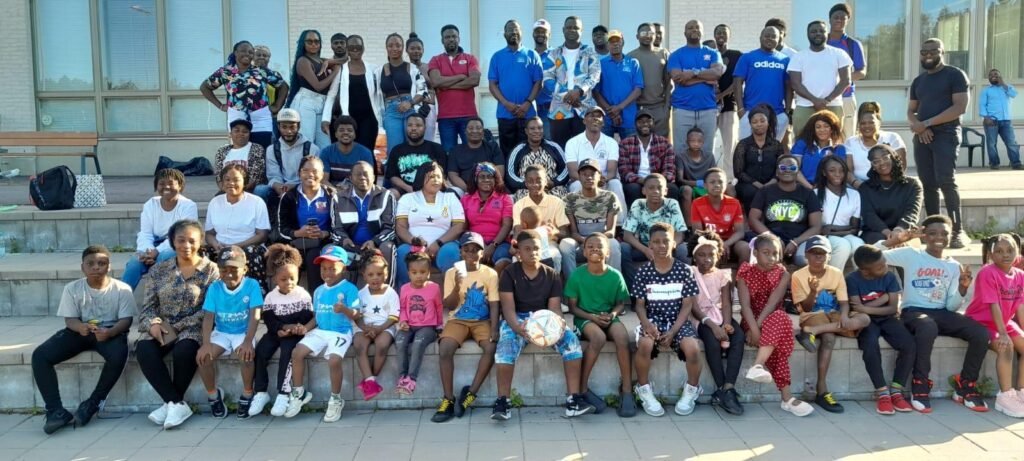
Today, I focus on the Temple Of Praise Ministries International (TOP Church) in Helsinki, as I continue my description of personalities or institutions and their accomplishments as members of the Ghanaian Diaspora in Finland.
The TOP Church in Finland has seen significant strides and accomplishments that must be made known to the public. 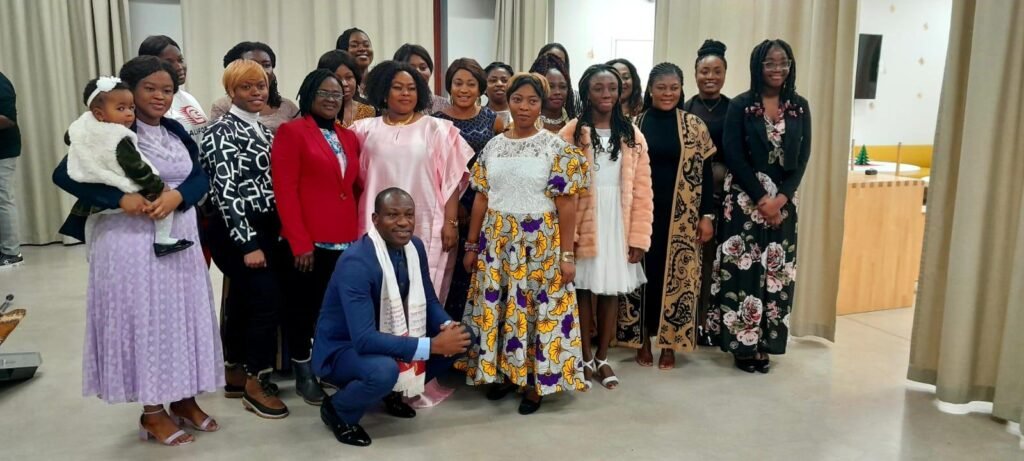
Some history
The Church was established in Finland in September 2016. Since its inception, it has steadily grown both spiritually and numerically, by the grace of God, as disclosed to me by Mr Matthew Anini Twumasi, the Presiding Elder of TOP’s branch in Finland. The TOP Church has other branches across Africa, Europe, and America.
The Church in Finland was founded with a vision to create a welcoming and dynamic community where people could experience God’s love and grace (see, www.topchurchfinland.org). According to Presiding Elder Matthew, the TOP Church operates within a unique environment where Christianity coexists with what is seen as a largely secular society.
Despite this, he submits, there are significant opportunities for outreach, unity, and demonstrating the love of Christ through service and community engagement.
Activities
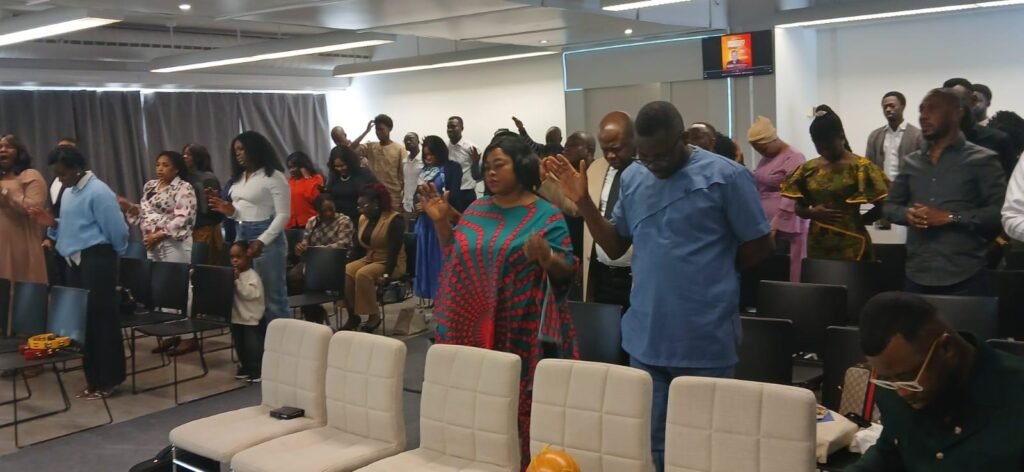
Church services at the TOP Church are typically held on Sundays for the main worship. In addition, there are mid-week prayer sessions, Saturday prayer services, and a half-night service held on the last Friday of every month. “We also organise quarterly programs”, Elder Matthew added.
His impression of the Church so far has been positive. “It is a vibrant and welcoming community where members are committed to worship, fellowship, and supporting one another in faith”, he stated.
In sum, Elder Matthew said the Church continues to grow by God’s grace. “We remain hopeful and committed to spreading the Gospel, strengthening the faith of our members, and making a positive impact in society”, he continued.
Achievements
The TOP Church has a number of achievements and achievements. Some of the strengths include strong community bonds, cultural diversity, and deep commitment to spiritual growth.
I also remember that during the COVID-19 period, I heard that the TOP Church was one such bodies that hugely supported its members and others to cope with the situation.
According to Elder Matthew, the challenges facing the church include “adapting to cultural differences, engaging the younger generation, expanding outreach in a secular society, and securing a permanent place of worship”.
Role in the Ghanaian community in Finland
The TOP Church plays a prominent role as a religious group that serves Ghanaian migrants and others in the Finnish society.
Thus, the TOP Church is a religious body for Ghanaian migrants in Finland and other nationalities who want to worship with them for diversity and better intercultural and multicultural understanding.
The Church also has mechanisms in place to support its members who are bereaved as a way to commiserate with them in times of death and funerals.
The Ghanaian community has played a vital role in the growth of the Church. Their strong sense of fellowship, dedication to worship, and active participation have helped build a solid foundation and attract others to the ministry, according to Elder Matthew.
Integration
By its activities, the TOP Church is helping to ensure integration of its members well into the Finish society.
This is important since social interaction and citizens’ well-being are an important part of the integration process.
The role of migrant associations and groups such as TOP Church acting as bridge-builders for the integration and inclusion of migrants through participation in the decision making process and by acting as a representative voice is highly appreciated in Finland. Thank you!
GHANA MATTERS column appears fortnightly. Written in simple, layman’s terms, it concentrates on matters about Ghana and beyond. It focuses on everyday life issues relating to the social, cultural, economic, religious, political, health, sports, youth, gender, etc. It strives to remind us all that Ghana comes first. The column also takes a candid look at the meanings and repercussions of our actions, especially those things we take for granted or even ignore. There are key Ghanaian values we should uphold rather than disregard with impunity. We should not overlook the obvious. We need to search for the hidden or deeply embedded values and try to project them.
With Dr Perpetual Crentsil