
News
Hype-flex hosts ‘park and watch’

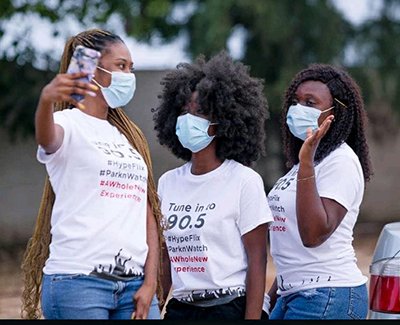
A movie roadshow to entertain patrons amid COVID-19 restrictions has been organised in Accra.
Dubbed “Park N Watch”, the event allowed patrons to drive into the large open space, park their cars and get connected to watch the movie on the projected screen whilst still sitting in their cars.
It was organised by Hype-flex, a subsidiary of Hype Up Limited, a marketing and advertising company in Accra.
In addition to creating a comprehensive movie house or cinema experience, the patrons are served edibles to enable them chill out as they enjoy the movies.
Social Media Manager, Hype. Up, Abba Manu, indicated that the concept was to provide the best way to practise social distancing whilst entertaining oneself.
“You come in your car to the park, we have a screen showing movies and you are connected to watch from your car, but we are looking at adding more to make it more interesting. We are looking at adding football matches, boxing and other sporting activities,”
“What makes it different from a normal theatre or cinema is that there is little or no contact at all among the people who come to entertain themselves,” she said.
The event, she said, was an innovative contactless means of entertainment which must be embraced and considered the new normal since the pandemic was not leaving anytime soon.
The social distancing protocol, Ms Manu said, had provided the right environment for the initiative which started late 2019 prior to the outbreak of the disease.
She said the event was expected to become a regular weekend programme to provide movie lovers the opportunity to enjoy their favourite movies and would be extended to other locations across Accra.
The event provided the organisers the opportunity to sensitise patrons on COVID-19 safety protocols including wearing of nose masks, washing and sanitising hands regularly, among others.
By Claude Nyarko Adams

News
Oxfam in Ghana donates medical equipment and essential drugs worth GH¢1.5 million to Kasoa Polyclinic


Oxfam in Ghana has donated medical equipment and essential drugs worth about GH¢1.5 million to the Kasoa Polyclinic to strengthen maternal and reproductive healthcare services in the municipality.
The presentation, which took place on Tuesday, June 24, 2026, at the premises of the clinic in Kasoa, formed part of the sustainability and legacy activities under the Power to Choose (P2C) Project.
The donated items included delivery beds, maternity beds, oxygen cylinders, neonatal resuscitation equipment, blood pressure monitors, newborn weighing scales, suction machines, delivery kits, essential medicines, medical theatre wear and other critical supplies to support quality healthcare delivery.
The Power to Choose Project is a seven-year initiative being implemented by Oxfam in Ghana in partnership with the Planned Parenthood Association of Ghana (PPAG), WiLDAF Ghana, SEND Ghana, Norsaac and PARDA, with funding from Global Affairs Canada through Oxfam Quebec.
The project seeks to improve sexual and reproductive health and rights for young people, particularly adolescent girls, young women and young men living in vulnerable and marginalised conditions.
Addressing nurses and management of the hospital, the Country Director for Oxfam in Ghana, Mohammed-Anwar Sadat Adam, said the project, which began in 2021 and will run until early 2028, is being implemented in seven countries across Africa, Latin America and the Middle East.
He said Ghana and the Democratic Republic of Congo are the two African countries benefiting from the project.
Mr. Adam noted that the project has already trained about 102 health workers in areas including youth-friendly services, emergency obstetric and neonatal care, family planning, gender-based violence response, respectful maternity care and inclusive healthcare delivery.
He said Oxfam and its partners conducted assessments at beneficiary facilities and identified equipment needs to help improve healthcare delivery.
According to him, the donation would create safe spaces where young women and girls could seek healthcare services without fear or stigma and would improve health outcomes in the community.
Mr. Adam thanked the Government of Canada, the Ghana Health Service, the Society of Obstetricians and Gynaecologists of Ghana (SOGOG), World Health Ghana and other partners for supporting the implementation of the project.
He urged the beneficiary facilities to ensure that the equipment is properly used and maintained to serve the community for many years.
A speech by the Municipal Health Director for Awutu Senya East, Dr. Stanley Kweku Yaidoo, which was read on his behalf by the Municipal Accountant, Rev. Dr. Askari Thomas, described the donation as timely and important.
He said quality healthcare delivery depends on manpower, financial resources and equipment, adding that healthcare workers cannot effectively deliver services without the necessary tools.
Dr. Yaidoo thanked Oxfam and its partners for selecting Kasoa as one of the beneficiary facilities and assured them that the equipment would be put to good use.
The Acting Medical Superintendent of Kasoa Polyclinic, Dr. Papa Kojo Arthur, expressed appreciation to Oxfam for its continuous support over the years through training and capacity building.
He said the equipment would greatly support the effective management of patients, particularly in maternal and child healthcare.
According to him, the donation would help reduce maternal and perinatal mortality in the municipality.
The donation formed part of efforts to strengthen the capacity of youth-friendly health facilities in eight implementing districts across five regions of Ghana to continue providing quality and accessible sexual and reproductive healthcare services beyond the lifespan of the project.
By: Jacob Aggrey
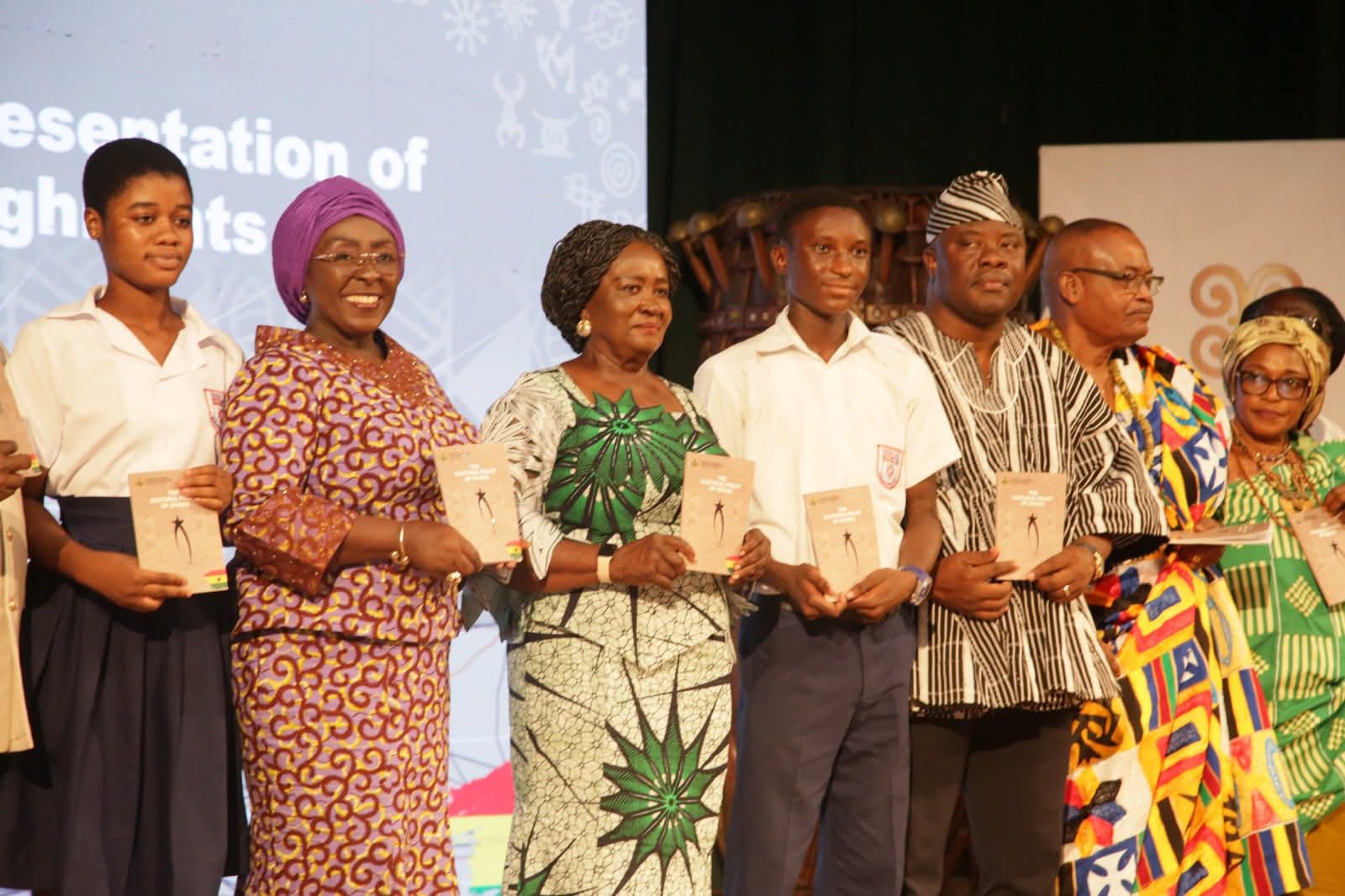
The Ministry of Tourism, Culture and Creative Arts (MoTCCA) has announced that an electronic copy of Ghana’s revised National Cultural Policy is now available online for free access by the public and stakeholders in the creative sector.
In a statement issued on June 22, the ministry said the revised policy was officially launched on June 9, 2026, at the National Theatre of Ghana in Accra.
According to the ministry, the decision to upload the document on its official website is aimed at ensuring widespread dissemination, increasing public awareness and promoting the effective implementation of the policy.
The ministry encouraged sector practitioners, stakeholders and members of the public to visit its website and read the document.
“The Ministry of Tourism, Culture and Creative Arts, in the spirit of the Black Star Experience, remains committed to a transparent, inclusive and collaborative approach to building the better Ghana we want,” the statement said.
It added that it looks forward to the active participation of stakeholders in implementing the policy for the benefit of the country.
The ministry urged the public to take advantage of the free access to the policy document and familiarise themselves with its contents.
By: Jacob Aggrey


