News
Growth Aid hands over mechanised bore hole to Krobo Girls School


- /home/u249204778/domains/spectator.com.gh/public_html/wp-content/plugins/mvp-social-buttons/mvp-social-buttons.php on line 27
https://spectator.com.gh/wp-content/uploads/2022/06/Some-students-and-the-headmistress-happily-drawing-water-from-the-borehole.jpg&description=Growth Aid hands over mechanised bore hole to Krobo Girls School', 'pinterestShare', 'width=750,height=350'); return false;" title="Pin This Post">
- Share
- Tweet /home/u249204778/domains/spectator.com.gh/public_html/wp-content/plugins/mvp-social-buttons/mvp-social-buttons.php on line 72
https://spectator.com.gh/wp-content/uploads/2022/06/Some-students-and-the-headmistress-happily-drawing-water-from-the-borehole.jpg&description=Growth Aid hands over mechanised bore hole to Krobo Girls School', 'pinterestShare', 'width=750,height=350'); return false;" title="Pin This Post">
Growth Aid, a Non-Governmental Organisation has handed over a new mechanised borehole with an overhead poly tank to Krobo Girls Presbyterian Senior High School (SHS) in the Lower ManyaKrobo Municipality of the Eastern Region.
The initiative is under the organisation’s Sustainable Water, Sanitation and Hygiene Project.
Under the initiative, the NGO had provided the Lower ManyaKrobo Municipal Assembly with 25 new mechanised boreholes and repaired six faulty ones within the middle belt areas.
Dr. Joe Lambongang, Executive Director of Growth Aid in his address acknowledged the unique support from the Latter-Day Saints Charities over the years for providing potable water to Ghanaians.
He said the NGO would continue to partner the assembly to ensure that all communities and institutions within the municipality would have access to clean water.
He, therefore, advised the school authority and the student body to use the facility with care.
For his part, the Municipal Chief Executive (MCE), Mr Simon KwekuTetteh commended Growth Aid for helping to develop the municipality through the provision of boreholes which many communities and institutions had benefitted.
He assured that the assembly would always collaborate and support the NGO to enable it extend the gesture to the other communities within the municipality.
The Headmistress, Mrs. Betty Aduhene-Chinbuah thanked the donors and the MCE for selecting their school among the lot within the municipality.
She used the opportunity to appeal to other NGOs and individuals to provide the School with more washrooms.
She said that the washrooms in the school were not enough to accommodate the over 2,000 student population considering the fact that these girls “need to practise personal hygiene”.
FROM: KODJO DAVID, ODUMASE KROBO


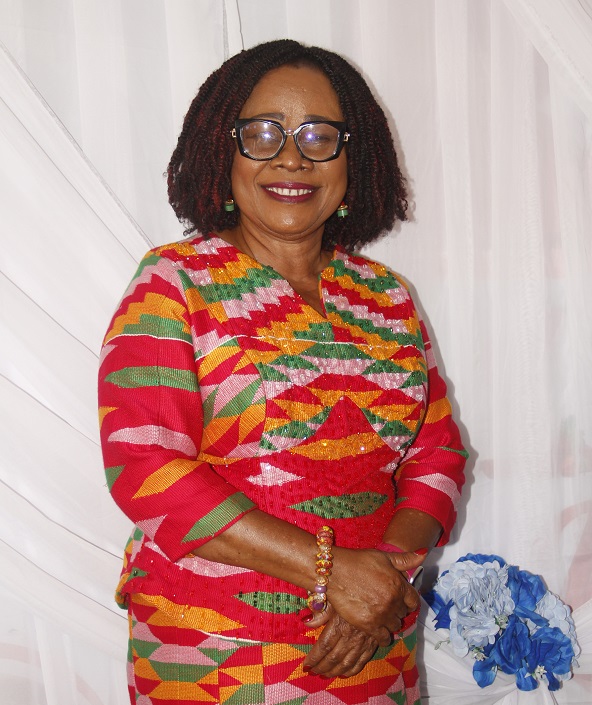
A nine-member board for the New Times Corporation (NTC), publishers of The Ghanaian Times and The Spectator newspapers was sworn into office on Thursday with a call to strengthen the governance of the Corporation.![Dr. Binka (seated second from right) with Dr Okpoti [right] the board and Management of NTC photos Okai Elizabeth.](https://spectator.com.gh/wp-content/uploads/2026/08/Dr.-Binka-seated-second-from-right-with-Dr-Okpoti-right-the-board-and-Management-of-NTC-photos-Okai-Elizabeth-1024x683.jpg)
The new NTC board is chaired by Dr Charity Binka and has Very Rev. Helena Amma Serwah Opoku-Sarkodie, Mr Tito Kojo Voegborlo Esq and Naana Aklerh Amenyah Kubi I as members. Read More
SKIP THE QUEUE, TAP THE NEWS
You can now read the Ghanaian Times and The Spectator newspapers from the comfort of your device via TimesNewsPlus.
Join our WhatsApp Channel: https://whatsapp.com/channel/0029VbBElzjInlqHhl1aTU27

Christians have been urged to demonstrate a living faith in Jesus Christ by allowing their confession of Him as Lord and Saviour to reflect in their daily lives.
According to the Kaneshie District Pastor of the Evangelical Presbyterian Church, Ghana (EPCG), Rev. Dzidzor Nathaniel Affram, a genuine Christian’s confession should go beyond words and be demonstrated through obedience to God, love for others and service to the Church.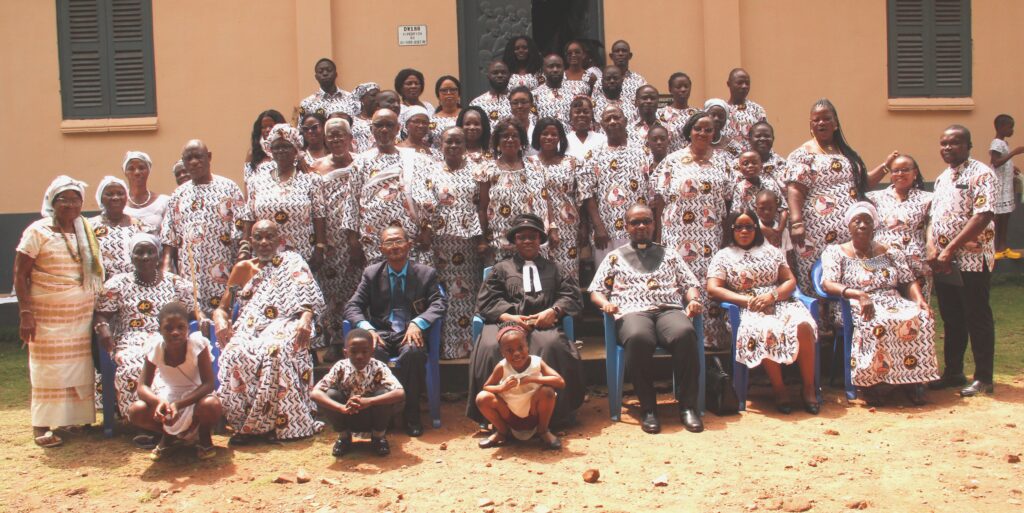
He made the call at the 40th anniversary remembrance service for the late Wesley Kwasi Kwadzo at the Evangelical Presbyterian Church, Ghana, Maranatha Congregation at Awudome Avenui in the Volta Region.
Speaking on the theme, “The Church Built on a Living Confession,” Rev. Affram said life would continually present challenges capable of testing Christians’ faith, making it necessary for believers to hold firmly to their confession that Jesus Christ is Lord.
He explained that accepting Jesus Christ as Lord and Saviour required Christians to live according to His teachings, stressing that their faith must be evident in their conduct.
“A living confession listens to God and not man,” he said, urging Christians to remain obedient to God even when faced with difficulties and pressures.
Rev. Affram further encouraged the congregation to care for vulnerable people and demonstrate concern for others, adding that such acts were practical expressions of Christian faith.
He also urged Christians to identify and use their God-given gifts to build the Church.
He said every member of the Church had a role to play and cautioned Christians against looking down on others because of their status or abilities.
The remembrance service brought together family members, friends, members of the congregation and sympathisers to commemorate the 40th anniversary of the late Wesley Kwasi Kwadzo.
By Lizzy Okai